1 free read left. Create a free account for unlimited reading + AI research.
Create free accountFinancial report DeNA Co.
1 free read left. Create a free account for unlimited reading + AI research.
Create free accountFinancial reportDeNA Co.
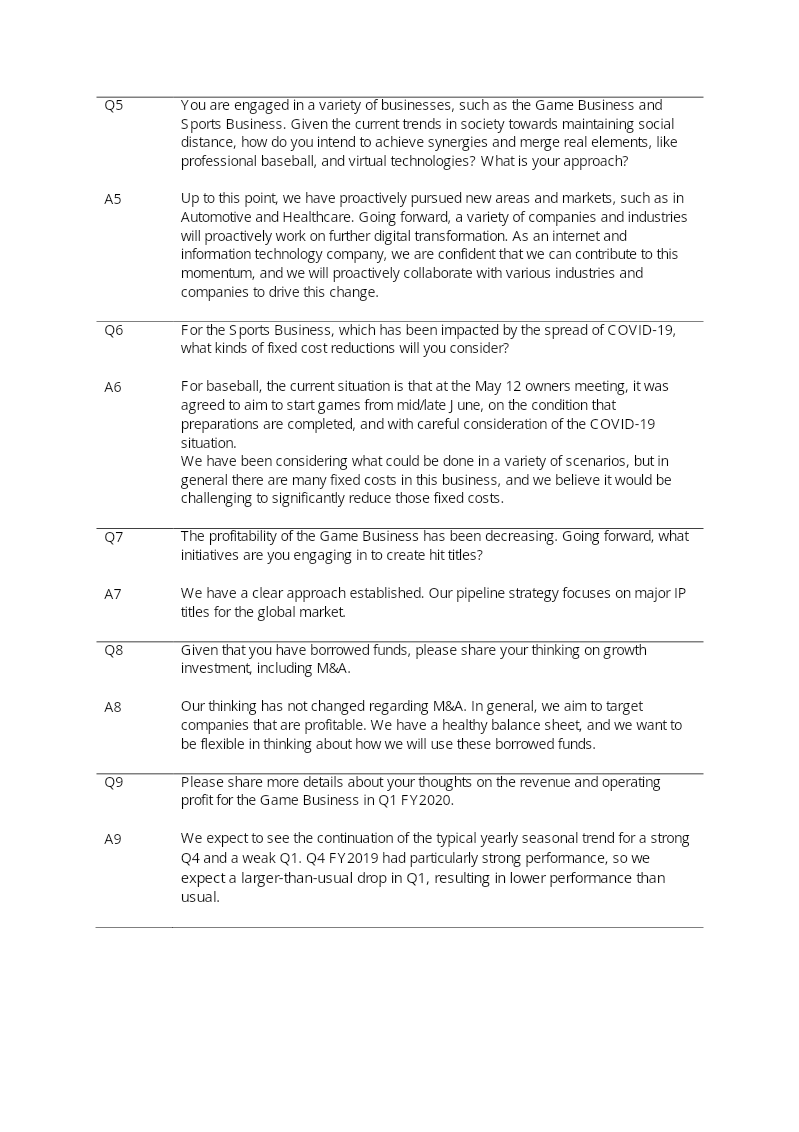
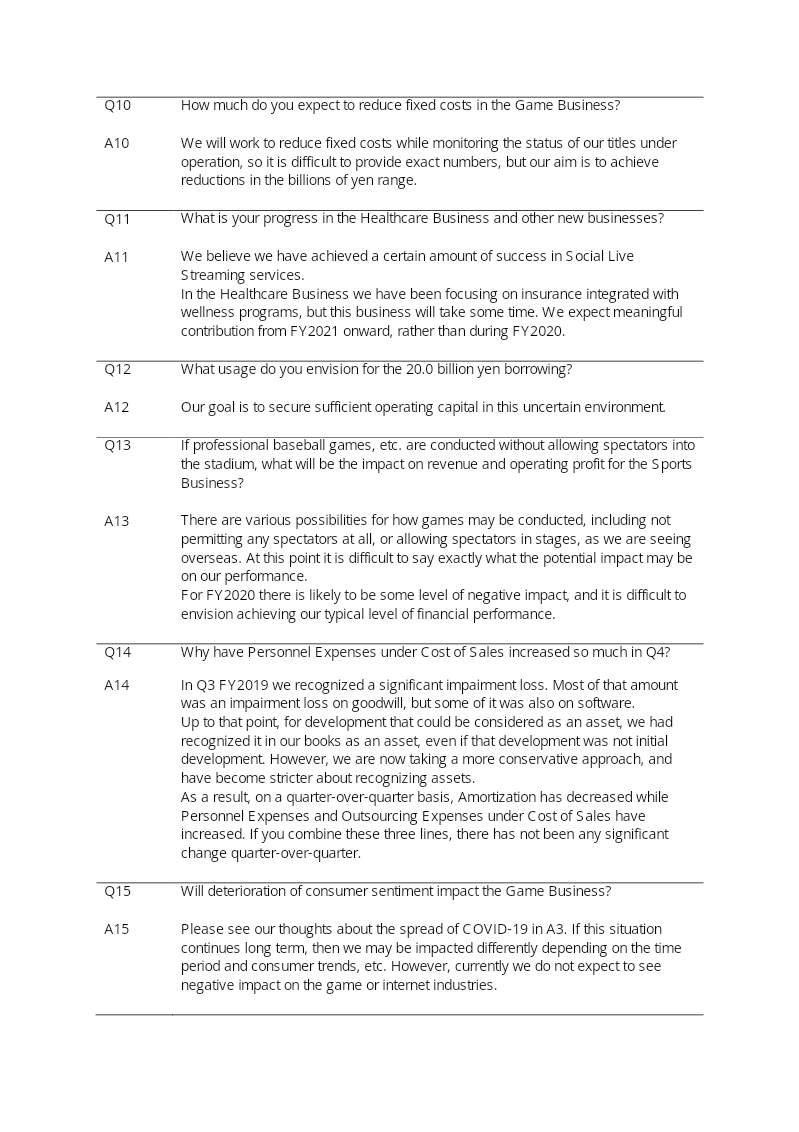
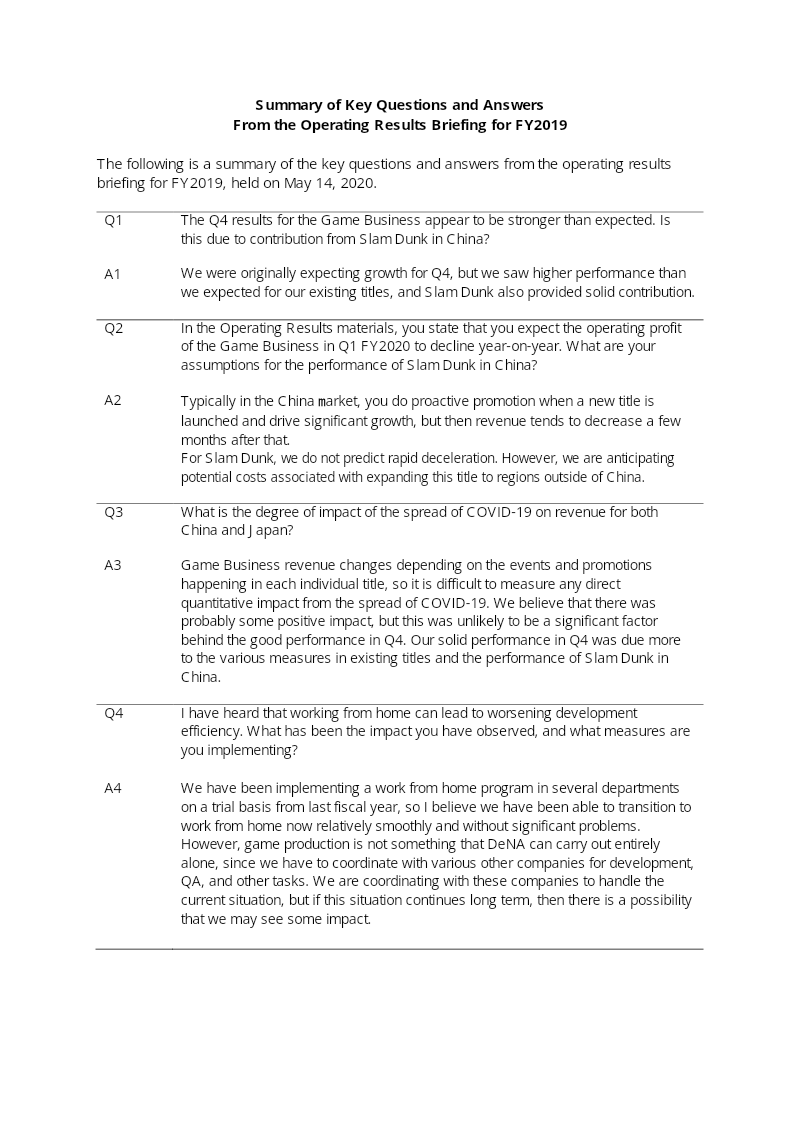
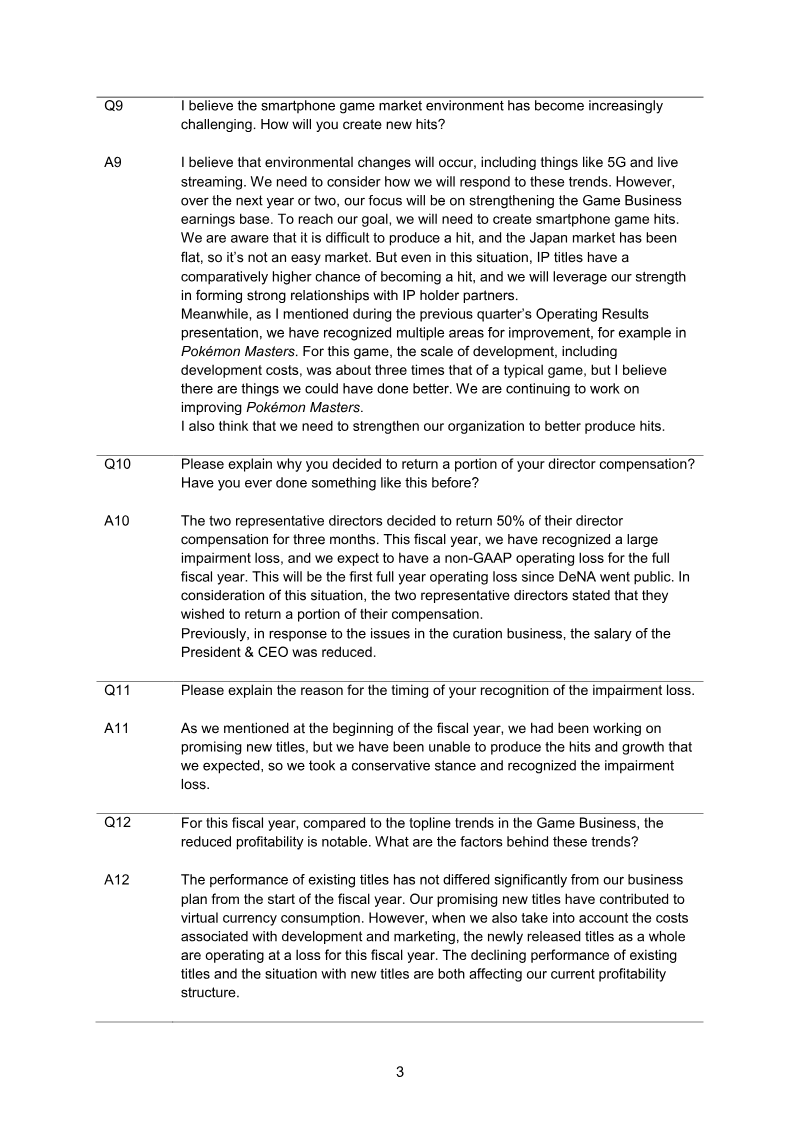
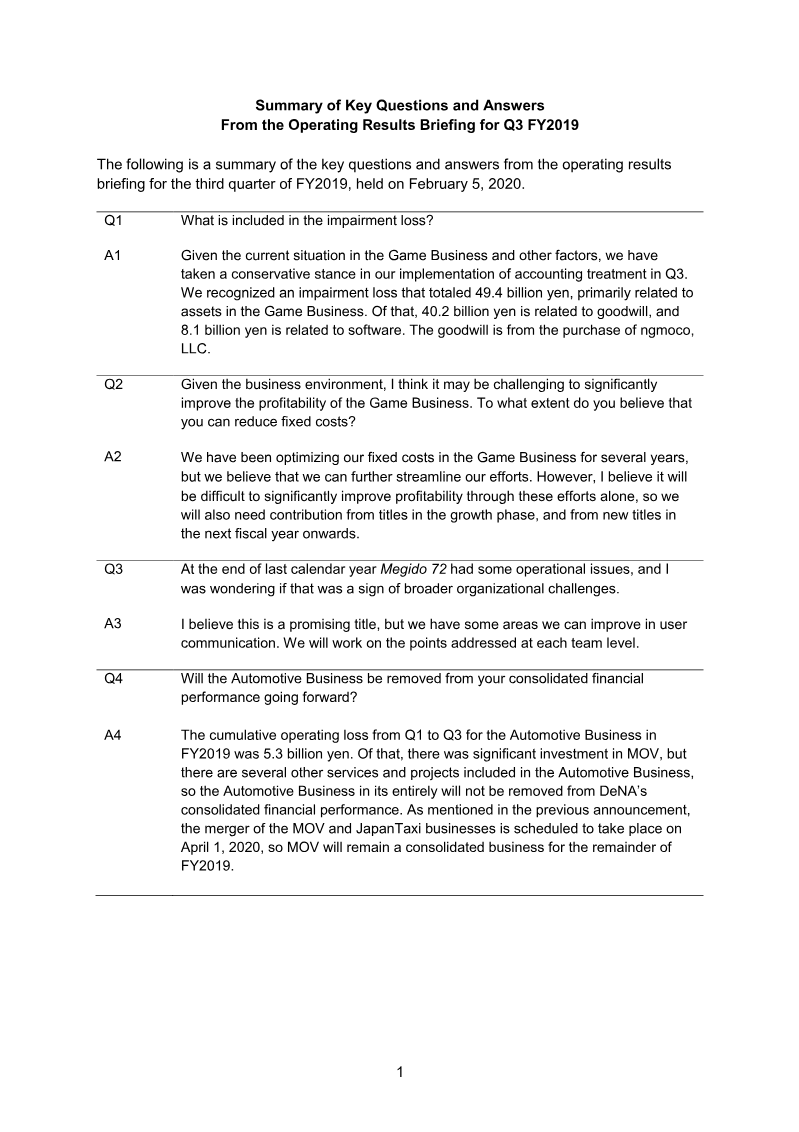
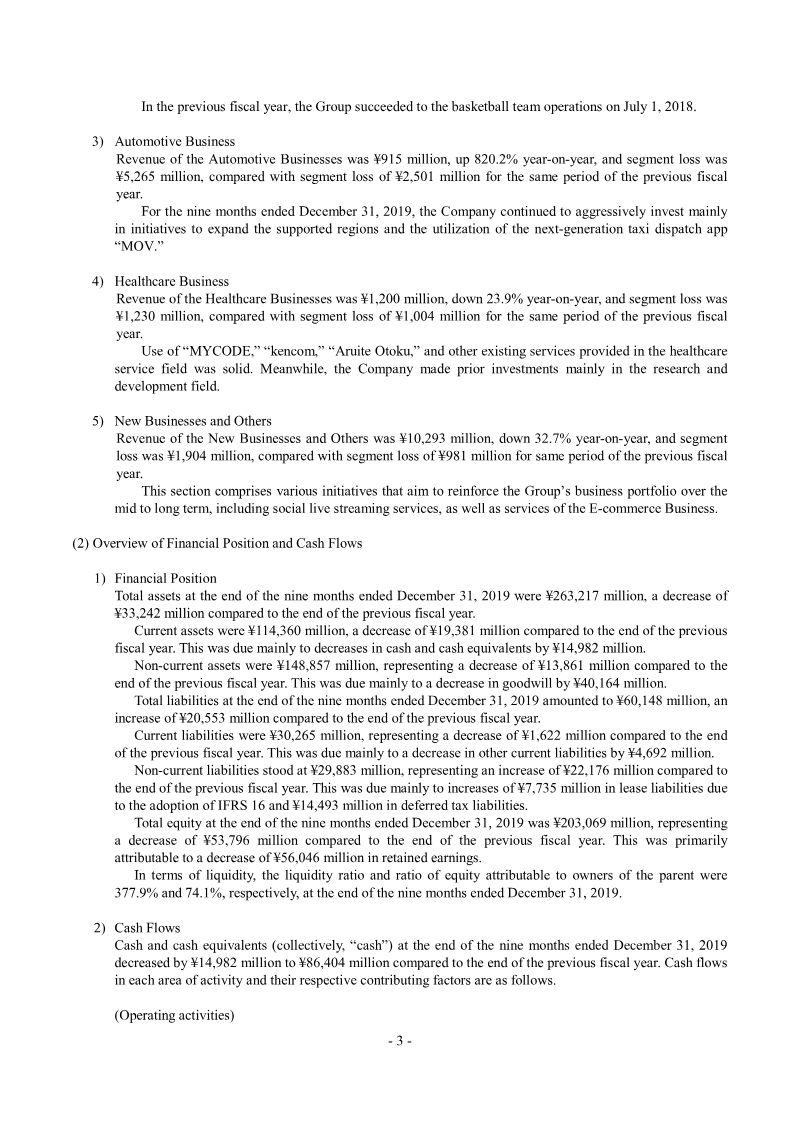
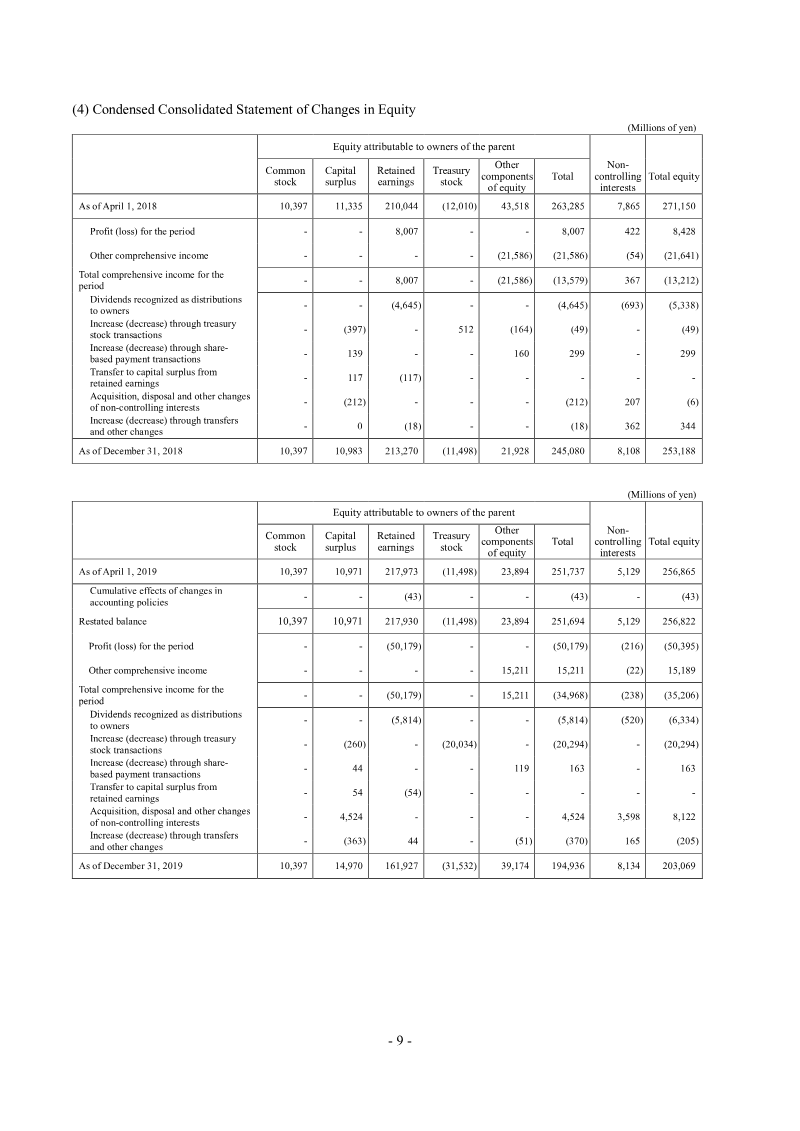
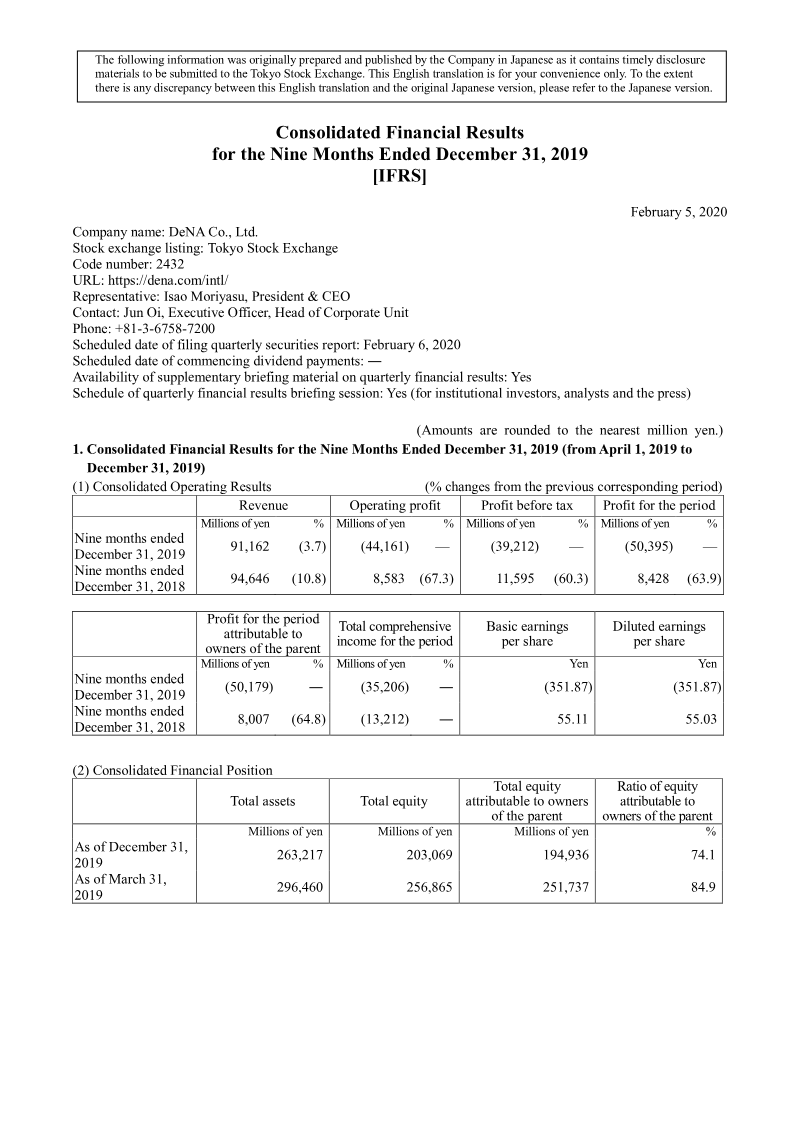
DeNA concluded the fiscal year ending March 31, 2020, amidst significant financial contraction, reporting a net loss of ¥49,166 million. This downturn was primarily precipitated by a substantial ¥51,165 million impairment charge, with the vast majority of this loss concentrated within the Game Business. Consequently, operating profit shifted from a gain of ¥13,512 million in the previous year to an operating loss of ¥45,676 million. Despite these challenges, the company maintains a stable financial foundation, evidenced by an equity ratio of 70.6% and the procurement of ¥20 billion in new credit facilities to ensure liquidity and support ongoing working capital requirements.
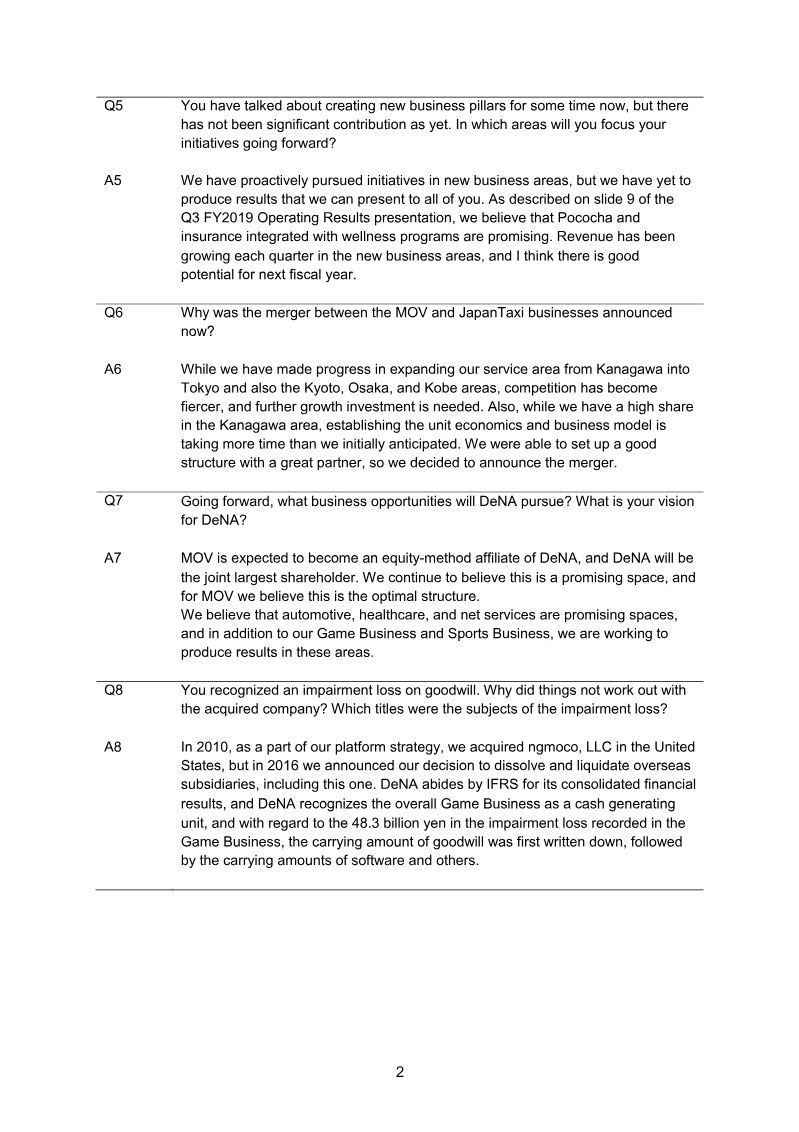
The company’s strategic focus remains centered on four core segments: Game, Sports, Automotive, and Healthcare. To streamline operations and improve efficiency, management consolidated its reporting structure and transitioned its taxi dispatch application, MOV, into an equity-method associate under Mobility Technologies Co., Ltd. While the new business segment incurred a loss of ¥11.8 billion during the fiscal year, the company anticipates improved performance in the coming period as these structural adjustments take effect. However, the broader impact of the COVID-19 pandemic, particularly on the Sports Business, has introduced enough volatility to preclude the issuance of a consolidated financial forecast for the fiscal year ending March 31, 2021.
Operational risks remain a critical concern, spanning regulatory challenges in international markets, data privacy requirements, and the inherent volatility of user preferences in the mobile gaming sector. The company acknowledges that its reliance on mobile OS providers, the complexities of managing user-generated content, and the potential for M&A integration failures pose ongoing threats to its financial health and brand reputation. While robust internal controls and compliance frameworks are in place to mitigate these exposures, the company remains vulnerable to unpredictable external factors, including technological shifts in artificial intelligence and fluctuations in the value of strategic investments.

DeNA Co. · 2026
DeNA Co. · 2026
DeNA Co. · 2025


DeNA Co. · 2025

DeNA Co., Ltd · 2023

DeNA Co. · 2022
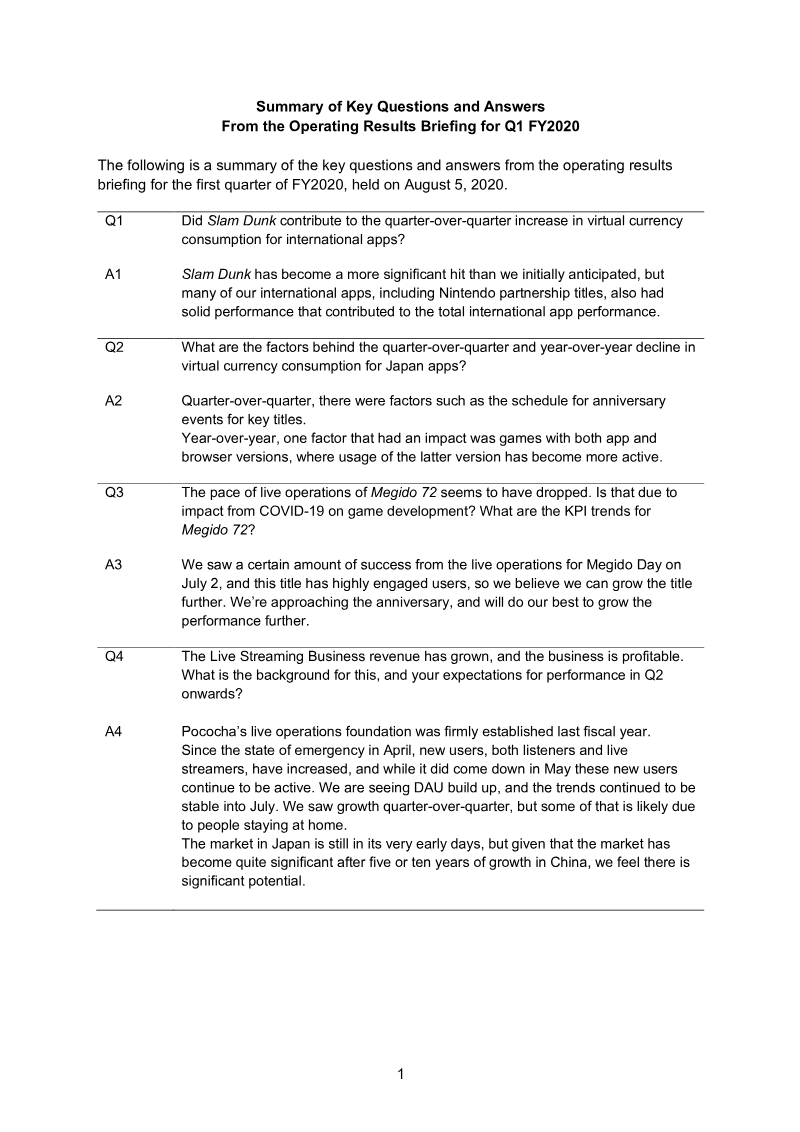
DeNA Co. · 2020
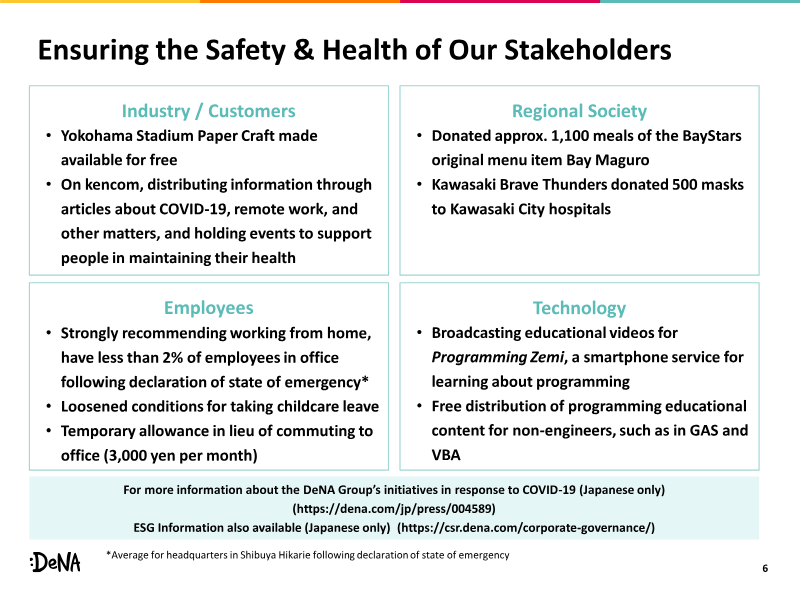
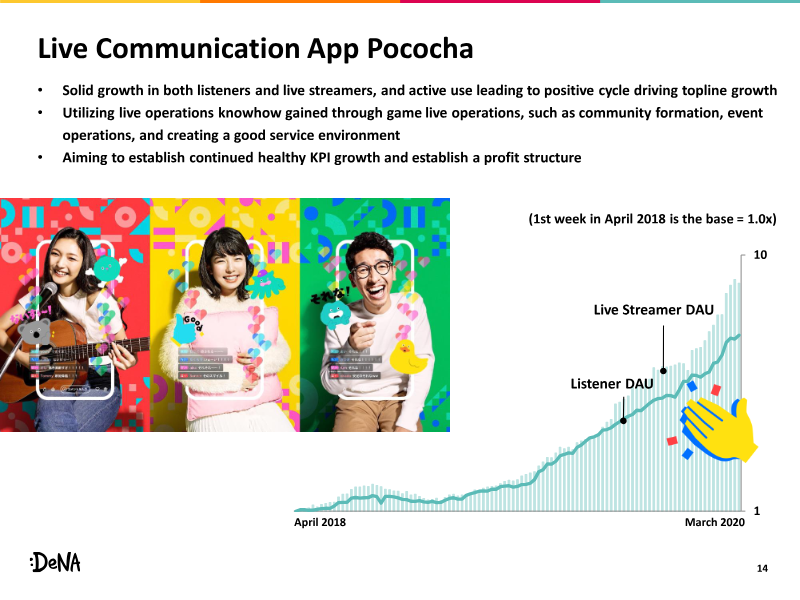
DeNA Co. · 2020
DeNA Co. · 2020
DeNA Co. · 2020
DeNA Co. · 2020

DeNA Co. · 2019



Kadokawa Corporation · 2026