Defying Expectations: 7 Lessons from The Sims FreePlay
15 Jun 202154 min video
Transcript
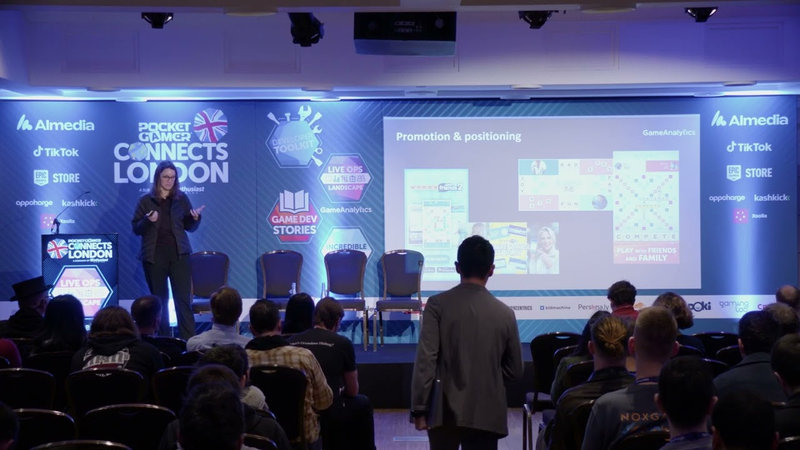
[Music] so this talk is about defying expectations seven lessons from the sims freeplay so first a little bit about me so i'm mavis i'm the lead product manager at fire monkeys i've been with ea for more than five years modern three of it was spent on the sims freeplay previously i worked on shooters and ubisoft singapore where i started as a monetization analyst my background is both in business and analytics and i've spent more than eight years working on free-to-play titles on both pc and mobile so the agenda of what we're going to cover today so first we're going to cover some history we're going to start by anchoring ourselves on the product life cycle and then we'll go through each stage and the ensuing lessons that we've learned and finally we'll sum up with some takeaways
so first some history a bit vague but um some some of you may or may not know fire monkeys it's an ea mobile studio in melbourne australia it was formed through the merger of acquisition of two indie companies iron monkey studios and firemen and they creatively named themselves fire monkeys so the games that we've we're currently running include the sims 3 play real racing 3 and need for speed no limits previous titles include flight control and spy mouse so let's go back to the beginning what did the sims replay actually start out being so sometime in 2009 2010 the initial plan was to support existing existing premium mobile sims title that it had that the studio had to ipad um
where i think in 2010 that was where the ipad was slated to launch in april and the studio wanted to kind of take advantage on the first mover being the first to move on a new platform however as as the team near its end of its development cycle the ea mobile label decided that instead of premium it should go free to play at that time that kind of made sense given the whole movement you know and in social games on facebook being all free and very successful next it did not really make sense to be ipad only given that free to play games work best with a large funnel so therefore you know the plan was made for the game to be on both mobile and tablet so the label didn't quite understand or know what live services meant because at that point all we were shipping were premium titles of which the expectation was really for us to you know keep the game around and kind of you know um where the game will really
only last for like one to two years of expected lifetime and revenue but as i'm speaking here today since replay has been alive for more than seven years in live service so how do we do this and how do we defy the expectations of our longevity and the genre platform fit so it starts by anchoring ourselves to the product life cycle which i find is an interesting theory that fits quite well particularly for the sims replay and the way our revenue and performance kind of mapped onto this theory so the seven lessons that we'll be covering today map alongside this and there are different challenges in different stages of the product life cycle and what i like most like most about the product life cycle is that it reminds us that live service is a marathon not a sprint so let's start well the first stage is
development which from my personal experience is one of the most challenging parts of game making primarily because you have no revenue and you have high uncertainty and as a product manager you also have no data i would you know i guess an analogy that i frequently use is it's like being stuck and in a long dark tunnel where if you're walking with a group of people and hoping that you've picked the right direction to walk in so decisions at in this stage have a large impact on the product so this is why the first lesson that we learned at this first stage is the foundation setter we were trying to answer the question how can we start so development is risky business and in 2010 the good part about being on a new platform is that you are at the cusp of crazy growth however the other thing that's pretty bad about it is that you really don't get don't have that many you know references of what good looks like you
kind of need to figure it out in development we ask lots of questions things like where do we start what do you build what should the gameplay be what should the meta be how are we going to attain retain and monetize and how can we make good decisions for lacking good you know lacking any data so i suppose with some good fortune the sims freeplay team was able to leverage some of its existing strengths and manage some risk so as mentioned previously fire monkeys has a long you know a pretty strong legacy of building um or building mobile titles even before smartphones were around there was a similar team that had previously shipped premium sims titles so they were familiar with each other and also familiar with the brand on mobile so that was how we leveraged some of our strengths a key unknown was free to play um the studio had no experience during free-to-play we were one of the first free-to-play titles that were launched by ea mobile and we didn't quite know how do you turn
a sandbox simulation game to be free to play so how do we mitigate unknowns well you honestly make some guesses and just try to use your best judgment of studying some successful competitors in the market of which clearly there was some in social facebook space and i guess again good fortune you know was that the development was time box because historically at least at that point in premium mobile titles we really needed to ship them quite quickly and you really couldn't take your own three time so that meant that you know while you were taking risk you were forced to make decisions and just get it out so these are some of the foundations that we ended up picking um just so if you if you're not aware of how the game works this is kind of like the call loop and the broad meta so players have sims who they just give them appointments for instance in this case we're asking sim to do a movie
marathon um set up their appointment it takes time and then in exchange once it's done you collect simoleons and xp xp that you know obviously gives you progression in your player level and simoleons you can spend in something like the build mode store where you have small amounts of span and then you go into the town map which is a higher level where you can spend on building more houses and community lots which lets you expand your sim town so these are the foundations that we you know we kind of set the game upon and so to summarize um the foundation setup well first thing is you need to be honest leverage what you do know and mitigate what you don't generally try to resist the temptation to innovate on everything because if you do there's too many you know too many ways that things can go wrong and lastly there's no recipe for for success right like there's you know there's no kind of fixed thing that you can do where you guarantee any sort of success you just need to be exercise your best judgment
so from development we're going to launch in launch quite usually you know hopefully you're lucky enough that you get high installs and then with higher installs your revenue spikes your return is normally not that great because perhaps your your team is quite large at that point or maybe you haven't quite figured out how do you actually drive your your key kpis so in stage two it's the puzzle solver where we really try to solve the puzzle of live service answering the question of how can we set the game up for long-term success so to get you know to have some sims replay to use sims replay as an example at launch this is what i diu and roughly map that um the sims is an extremely strong brand and well well loved so you know it actually came with really strong installs however you could see our dnu started to slide in and it seemed like a live initial life service plan wasn't quite working out
so what was wrong so i think to answer that question we first need to understand what life service actually is and i the way i understand live service it's it's like a puzzle which you have to kind of do under under time pressure there's a couple of elements that you're working with that includes dev time you're different you're spending development time to get some sort of output of which the output is then drive some of your numbers like your installs retention and revenue so how best you kind of solve this puzzle will determine your success problem is that development time can be spent on multiple different things like maintenance events content new features a whole heap of other things and it's how you find that balance of managing the input and output that effectively lets you get the best results in order to try to achieve some growth so different games will definitely face
different problems at launch and in some street play the first thing you had to do is really try to identify what was wrong so through true updates our live service plan was basically to put content directly into the build mode store remember again this is more than seven years ago and there really wasn't a lot of compare you know competitor games that could kind of give us some guidance so put the content in the store and then we saw the numbers oh idea you saw the slide and the reality is that you know just putting things directly into the store really doesn't quite sustain eiu because players can just consume the content immediately if i want that so far i'll just buy it i don't really need to wait four months four weeks to buy it and the problem was that you know the way we were delivering content was not giving us the return that we needed so and we needed to really find a way to retain players for longer so how do we solve this problem we knew that yes the problem was the way we were
delivering content so we figured a different way of delivering it so one thing that the team experimented with was the notion of quests we started putting content behind quests where players had to engage in a quest in order to win content at the end and how it works it's pretty and it's really quite simple the update drops players have to go through a quest for five to 14 days actually engaging and sticking around and then you know if they're successful they get to win the content as we want so this is some ui showing both the timer the prize as well as progression as well as the story that that we have to kind of write for the for the quest so it worked well in extending the life and content lifespan and helped to solve the puzzle as a result we started seeing numbers move start moving slowly upwards as we started introducing quests more and more in our updates and dnu gradually started to grow
so to summarize lesson two is a puzzle solver where the first thing you have to do is identify key problems at launch and then solve use you know live services and solve that puzzle of live services and solving the puzzle is actually really key to actually having a viable product if not all your numbers start dropping and you know it really doesn't make sense to continue really continue running live service so after launch we go into this is probably the best stage because it's where you feel kind of invincible but it really is the growth stage where revenue starts to increase you can start reducing your costs and your return actually increases it's worth noting that of course if you take too long to actually invest in growth and if you don't realize that you're actually you've solved the puzzle when you're not and you're kind of moving to the growth stage you will be missing out on a
chance to really quickly you know kick start um you know some of the growth of some of your numbers so lesson three is the growth investor where we try to answer the question here which is how can we scale if you solve the puzzle you know what works how do you scale so the sims free player is a simulation sandbox game um and as explained previously with the quest it you know we work best we basically know how to drive our numbers provided that we know how to use content and given that we've solved the puzzle of delivering content now what we need to do is just increase one thing we need to do to scale is to increase content production first thing we did was grow the internal art team now we know where if you build more assets you can drive more kpis the benefit about growing the internal r team as well is that it allows us to work more on outsourcing as well which multiplies the amount of
content that you can put into your game as a result over the past seven years with every update we've been steadily adding assets with every update um some numbers include like we have more than six thousand billion objects and more than 11 000 customization including options for simulation sandbox game this actually has the added benefit of making it real really hard for new titles to compete and if you have any sense of how the market is um a lot of the titles that have that still continue to be in the top crossing actually tend to be quite old because they actually get stronger over time by virtue of the fact that you know if it's a simulation sandbox with the more options that you give players the more likely they are going to just stick with the game because it allows them to tell more stories and just do a lot more so the next thing that we did to try to scale and grow in investment growth was to reduce cost
so we reduce costs through tools tools help to reduce engineering time which is highly valuable and really shouldn't be spent on repetitive things like live events um engineering time could be better spent building features and the other thing that tools gave us was the opportunity to empower other disciplines like for instance we have the data tool for tuning where engineer where designers can can just you know kind of put in tune in without needing an engineer same way with quests when we knew that quests were working we started to create templates for quests so that it was just in general that there was less room for error and then design could could put things in with minimal code effort uh we built sales tools so pms could create sales and we run sales easily without needing any code and for stream we also built a scheduler too so that if we in the event that we needed to move our events around or just push in new events we could do it
extremely quickly another thing was nothing is that definitely there are economies of scale where the more we do something the better they will get at it so the third thing that we did to invest in growth was to actually look at the features themselves so we knew that quests worked however of course once the quest ended you will see your numbers drop again so what we figured was we should just chain all the quests together where here you can see an example no examples of the different quests that unlock at different levels like cooking and spin plan or horses for instance and for simulation sandbox game this is quite interesting because it gave players a path to progress to progress where they could unlock features um where if if not everyone is extremely creative and not everyone knows how to set goals in the sandbox space but now with this sort of progression that we're able to offer
players where as they level up they get an opportunity to play through requests that unlocks new features which makes them feel like they are really kind of growing and expanding the possibility of what they can do in the game so this helped to strengthen our baselines in general and to give players something to do in between updates and in between events so the fourth thing that we did to invest in growth was this really cool thing where we started looking at user generated content so houses are actually very expensive for us to build we it takes an artist probably you know several days just to put the house together and this is just using our assets that exist have it's highly demanded and valued by players as you saw briefly previously there was a town map and players actually said go someone i want to put all these amazing mansions on my town man the real problem is that we just could not afford to build them
so we built this feature which is one of our most successful features called the architect homes which allows players to submit their houses and we actually pick them manually every two weeks and we you know data push them out to players allowing them to both preview and purchase i would say that you know by this feature has been around for years and more than 80 of our houses are actually user generated houses effectively this removes us completely with reception of picking it removes us completely as a bottleneck for content and it allows players to kind of showcase what they've built and to a to a large extent the things that they build are way better than anything that we could build so to summarize lesson three um in the growth stage what you really want to do is invest in growth invest in the thing that works and clearly it's explained you know there are multiple ways of investing in
growth you can gain efficiencies in content creation and consumption that's basically the goal and if you don't know much about simulation games really they actually do get stronger over time and the opportunity costs if you can't scale that's definitely opportunity cost if you you're not trying to scale when the time is right so the paradox of content well it's easy to say let's build a pipeline let's just we know content works let's just build lots of content right so we know that we need to build content we know how to build it the only problem is what should we build so this afro guy says that if you build it they will come but reality is no that's not true and we learned that the hard way by building things that players just didn't want and the difference between a good content
that people want and a dark content can be more than 50 an example that comes to mind is christmas uh christmas events tends to tend to be our biggest and most expensive events because this is great seasonality so this there was one christmas where we decided to go fantasy we were like oh fantasy you know it would be quite cool the update dropped the event started and then on facebook people started asking where's the christmas event so there's a really painful lesson because players you know if they're not really into it they're just not going to actually play it so lesson four is the keen listener and we really we're trying to answer the question here of what should we build and surprise well at least for us the sims we have great audience so the players will tell you since we play our audience skills younger they're highly vocal with lots of opinions and the challenge
or the thing that we have to do is actually just manage those channels so we use channels like facebook twitter ea runs this thing called game changes with our community managers we have forums websites and custom support as well as internal channels where we actually ask questions like customer satisfaction surveys use experience research these are all the different things that we do in order to get a sense of what should we build what do players actually want some of the things that we can learn include what content do they want when it comes to surveys we actually brainstorm a list of things like you know do they want venetian mansions or you know do they want submarines or do they want to be in space we actually forced them to kind of stack rank it and that is how we use to prioritize our content roadmap we ask them things like what would you like to see again and that's something that we also use to plan our calendar of re-runs this is something that we can tell
actually true telemetry but because we have different sources of information triangulating that is normally quite a good thing sometimes you also come up with hypotheses of what some features might be like for instance professions or pregnancy um these were all things that we had hypothesized and then we put into a survey and then figured which ones would actually work the best so which ones were actually most highly desired and also understanding how the players feel about the features that we release for instance you know how many people are actually using the relationship system how important is it for them and trying to get sense of should we actually iterate should we spend any time optimizing this system lastly it's hard but sometimes it is possible to try to understand some of their motivations the kind of why why do they actually want this thing it's it's challenging given that we are simulation sandbox and different people have different goals and different reasons for for wanting certain things but most
recently we had done a customer satisfaction survey that kind of clarified something that gave us insight to something that we had never we never thought of actually so hair is something that does very well in our game it's been doing very well for years it's something that players have always been an example of hair please have been asking for on all channels for four years and we've always you know we've started running like a hair hobby event and we've since added more hair hobby events and more hair live events understanding of why players wanted hair was basically you know we just thought that they were just like customization and hair is just cool and um another another thought that we had was that hair is actually um some you know hair means more because our hair that we had launched initially with the game didn't look very good so as such players actually wanted more hair
so in the customer satisfaction survey that we had run recently we asked why did you really enjoy this recent boutique live event and um it gave us some insight that we never kind of gave gave us insight that we had never thought of at least in the development team who have been building hair for years you know we didn't actually realize this so the insight was look at this this is our sim tracker the sim tracker is something that we use for that players use to select between their sims because players have lots of sims some players have 30 plus sims and then if we look a bit closer you can notice something so players actually want hair because sims have the same face
and hair is actually you know cheaper for us to create than face um but this was inside that we actually didn't realize because of us the sim track is actually really small and you know a tiny little thumbnail of sims meant that players of all same face sims meant that players actually couldn't tell them apart so with more hair options they now had more ways of solving that problem in ways that we didn't ever think of so that's one of the things that you get to learn and i think it's pretty cool to learn that years after we've been you know beating the drum of hair is great because players just like hair turns out there's actual utility in hair for our players so to summarize lesson four the keen listener so we are not target audience that's pretty clear since we play is excuse young and excuse female have to build multiple channels to both listen and ask questions because of um how much it costs to
develop content this helps to guide development and guide the way we do things so we reduce this risk because everything's not working out and this is something that's really relevant all throughout the product life cycle although perhaps more relevant when you actually have a product out there so we move on to stage four after growth which is the real fun part you go into something called maturity here you know your revenue kind of flattens you can still continue to reduce costs and your your return is perhaps increasing but not as fast hopefully you hit maturity years into your life cycle and not like immediately because that would be quite strange and operating this long at a fixed pace of maybe six to eight weeks you ship an update it is fast it's fast paced there's always going to be mistakes um in live service and so general issues that kind of
snowball as you keep kicking the can down the road for many years so lesson five is the fixer which is how do we recover so from a second life service there are several categories the obvious ones are bugs which if we worked in a simulation game they're always very hilarious about things clipping each other and whatnot um as mentioned previously there's mistakes of not getting the content right of which that's really hard to fix right like if you invested you know lots of days building something and you kind of need to launch it effectively and you just probably won't launch it again next one is not getting the feature right which is quite common given that we at least since we play we don't we don't really soft launch our features we don't really have a way of testing
whether it works or not other than playing it before we relaunch it these also mistakes impact following including stability sentiment or social channels and feature and written performance so in general it's it's you kind of need to decide how you deal with it and like any good live service you will need to have a triage process which you kind of evaluate the severity the impact and kind of decide how urgent it is to fix using the different channels that i mentioned previously you have to communicate transparently and as well as obviously um i guess timely and with the other mistakes you have to kind of try to find a way to deal with them based on the impact of uh what is you know what it's currently causing as well as the return of what you can get you perhaps if you solve it you have to consider both the risk to play a sentiment at kpis given that we are a live game if you start changing things players will notice and they will talk about it so are you prepared for that and general
rule of thumb is that if you are going to change something it's easier to add something than it is to remove it so another it's not this is not really a mistake but it's just something that applies if you're running a long term life service it's the weakening foundations um these are some challenging things to overcome in the state of maturity so one of the things that happened would happen is diminishing returns if you keep doing the same thing over and over an example would be sim count we give players sim count if they level up so that you know they get to add more sims to their same time which is great um but like anything that any of you want the first the first few times maybe the first 10 sims is great but you know by the 30th 35th one is is it as valuable or is you know do you still feel as much joy from getting it then does the added problem of course you know scalability like as previously seen the sim tracker is going to keep
you know you need a place where you have to to keep scrolling through it the next thing is expectation so this is interesting because good design means that players know how to set expectations however it also would hamstring us because something like quests for instance is a fixed way of doing things players expect it to work in that same way and even if we find ways problems with our ways to optimize it players understand the rules and they're not going to be super happy you start changing things around them at the same time they've also visualized and figured out a solution of min maxing it so that's something that you kind of need to take into account knowing that the longer you run your live service the more likely that players will have build up those expectations the next is anchoring for on the pm side you know obviously if you if you anchor too low of a price like when i mentioned previously it's going to be quite hard for you to increase it at least immediately and when it comes to rewards we tended
to go really big without whenever we launched a new event where we went like you know here are heaps of rewards and here are super high quality ones at the same time only to realize that we can't actually keep up that pace um so that's quite hard um because you know in life service players are like but the other event was much stronger you know i expected more but yet you know you you kind of can't keep up that pace so we have to be careful and thoughtful in how we solve these problems because it is players have been used to something and you can't just you know it's not great to pull them up under from under them so lesson five is a maturity it's the fixer it's normal and expected to trip up sometimes they're game breaking things so that's where you trip immediately or there's beginning foundations where you do a slow motion fall basically you have to be prepared to fix bugs with an effective and triage process
and regularly try to assess the fundamental problems in your games because it keeps changing as the foundation is weakened and things change and consider solutions um this we found um quite hard to do when you you have been working on the title for so long it's hard to take a step back and kind of evaluate what's you know are we doing something wrong or actually what's happening and we found that a good solution to this is actually to bring new people in um with a set of fresh eyes we were able to find things like you know we were pricing certain things at the exact same way because our engineering team was just duplicating the price and we forgot to actually price things so these were all things that we uncovered when we brought new people in and finally be both careful and thoughtful with weakening foundations so you can learn things clearly by making mistake mistakes but live service is primarily about
launching and learning so in six week cycles you learn by building measuring and learning i look at every update as an opportunity to try new things and learn something so i think that's a good approach to have two ways of testing hypotheses include launching and then measuring after or of course during a b testing multivariate testing where you are trying out different variables and seeing what works for both an important a very important principle applies which is we have to set up your expectations and hypotheses in both instances before you actually do the thing so this is this is one of the key ways in which you sharpen your judgment my personal view is that it really doesn't matter if you're completely inaccurate of saying like for instance if we do this thing the uplift might be 10 to 20 and then in reality it might be 40 it doesn't matter because you took a stab at it and then you know it prevents you from falling to the trap of confirmation bias knowing like yeah i knew it would increase but you know you
said 10 or 20 so now you can adjust the way you're thinking to get closer to understanding how features perform in the future so lesson six is the validated learner which is how do we really make sure that we are learning and not just trying a bunch of things so with a b testing general principles to try to test change as we are not certain on the impact if you really know that it's going to do something unless you're trying to optimize it further there's really no need to test it a couple of things that we have done include optimizing the first time user experience where if you know anything about simulation titles is that there are heaps to teach players and we wanted to reduce the number of steps the real problem here with sims free play i believe was that um creating another first-time user
experience so it was a really expensive task so that's the problem of a b testing if you're going to test something that you've really spent so much time on you are much more likely to just go with the go with the thing that you spend time on anyway um unfortunately i think i believe in this instance the the test cohort was the winner but only marginally the next thing that we wanted to test was quest progression so after five six years of adding content we actually found found that we had the problem of having too much content and players were actually not getting to the content they were leaving before they saw the cool things so we figured okay maybe let's you know shake it up let's try to get players to the content sooner and we wanted to shorten the the length of time it took to go through the quest so again this was a quite expensive endeavor because you had to change a lot of the tuning and you had to go through testing through the entire progression again here the the winner what was the shorter quest but have it
only marginally because my suspicion here is that time it takes is actually just one one thing or one thing that impacts whether the decision of whether players decide to stay with your game and retain another thing that we optimized was where features were unlocked again we had a hypothesis here was that if we put feature x earlier in the game maybe they will retain better because players now have access to more features so this again fell into the you know i think again we didn't quite realize that we we still had a problem having too much content so moving more content earlier again probably didn't really didn't do anything in this case so another thing worth noting is that be wary of the cost of testing every small change because every time at least at least some sims replay wasn't super cheap to do everything it was reasonably cheap but it was still time to steal time setting up the tests figuring out what we should test as well
as you know qa time so when it came to validating learning in the stage of maturity many years down the road one of the things that we actually found was very hard was storing the lessons as memories so most ideally you imagine that we're spending years of doing something and all the mistakes and lessons that you've learned we would like to build on the lessons of the past however this is a major challenge as sbh because team members really in reality do not stay on the title forever and that knowledge is normally you know disappears with them or at least different bits are left behind but not everything is left behind this is hard because the team executes better if they understand why and how we got here we don't have answers for this we don't
have great answers at least we do have some things that we do with discipline like we do an update telemetry review after every update looking at our performance looking at the things that we've tried and how they perform we do some basic documentation um and we do things like that this i guess give talks and hopefully um you know there's some hand-me-down lessons that the new team members will learn um i really discovered that this was an issue when our team was trying to figure out how can we what can we do with requests and this was seven years in and i came to the realization that most people had no idea what had we tried before and what worked what didn't and in fact a lot of the best practices that we have put in place previously had just been rolled back because of the different handovers that we had to keep doing as we change designers as we change pms so what we did at least was the pm team put together
all the different analysis that we had done on quests which was heaps because we had tried anywhere between 10 to 15 to 20 different new things requests in the course of the years and the good part was that they were all documented in the telemetry reviews so we created this massive quest retrospective document uh powerpoint that we then presented to the team explaining what worked what didn't what what drove numbers what did not and where the opportunities were and we presented it back to the team and once we did that we found that at least you know everyone started with close the same amount of information which then allowed us to then build on top of that in terms of what what else can we do but this is a lot of effort and um this is something that you know we really have to take into account as we go through hopefully what would be a very long life service so lesson six the validated learner every update is an opportunity to learn
set up expectations ahead of time in order to improve your judgment a b testing is generally a really good way of measuring impact as well as uplift and lastly have a have a good plan to store lessons so that new team members can avoid making the same mistakes but granted sometimes people do have to make mistakes in order to learn so this is kind of like you know just to figure out how best do we do this so the product life cycle is i guess very convenient theory and hypotheses not you'll find that not every game kind of matches it really one-to-one but that's not really the point the real challenge you know it's not really about knowing how they how the stages work it's actually about knowing how long each stage each each stage will last because for every game it's different some games well unfortunately they don't last very long for some games like since we played they last a long time
and the challenge here is that you know if you don't really know how long you're going to be in each stage how are you really going to plan an act for the future when you might feel like oh yeah i can be maturity forever that's great um but you know there's a whole point about knowing the product life cycle is knowing what's next so that you can act now because after maturity we're going to decline here your revenue decreases your costs stay the same and your returns reducing so it's you know the reality is nothing ever stays constant when there's competition and the market shifts every day so it's only natural that we're constantly fighting aging um given some three place age we face declines multiple times and it's natural and we constantly have to fight to stay relevant so why do we find ourselves in this state and how do we get ourselves out so the first is you know the paradox of strategy strategy works when you're in that live
stage but then it normally stops working once the context changes and context changes can happen when the markets change in terms of growth like i showed the chart of smartphone growth for instance you're clearly not in that state anymore installs are stabilizing and not decreasing the market size you know if you stay same preferences change competitors come up and formula reliance is great when you actually know that you can invest but then there's a problem once you move out of that phase so what happens is that ironically puts us in a path towards both player and developer fatigue but they've been doing the same thing and expecting the same thing for a long time when they really actually want something else so the real hard part that we found is that it's particularly challenging to build for difficult stage you know to tell tell the team for instance like this you know the good days are not going to stay forever when you are in the good days right like that's that's
all has always been quite hard so lesson seven is the perpetual challenger where we really try to answer the extremely difficult question of how can we live forever and it starts by really acknowledging that um after years of doing the same things or similar things or trying new things that we've built up a legacy and the legacy is shackling us so this is a term that our producer had coined to try to you know encourage a team to think differently that we have to break the legacy shackles the main challenges here is that we are spending development time on things that don't work as well anymore hence reducing you know reduction of our return due to things like weakening foundations we're doing the same thing but getting just less in return processes were set up for us to do the same thing over and over in reality we actually should be trying new things and we have to overcome inertia by identifying what are the key problems
again which are now different and build innovative solutions so if we can do that then effectively you kick us into a new stage of sort of like growth but it is what you determine the product life cycle as a product extension so this kicks us into you know gives us more life it gives us more years so how do we do that some sweet play has done this multiple times by developing entire entirely new features that give new experiences to players and each time that we do that we are finding more ways to stay relevant so we do so by embracing the invention where our goal here is to take a longer horizon when it comes to developing features we're trying we're trying to to build something that has longevity for two for two to two to four years um not just let's you know let's build something where players can consume in in the next six weeks because if you do that then you you know you'll find yourself very quickly ending
up in a decline state the next thing is it's very important to align the team yeah you need to stay ambitious so that's interesting um i mean that's in the maturity phase where you go you know what the numbers are not really moving we actually should try to kind of push them harder and embracing change in order to get there when we develop features we develop them with the goal of really hitting three different things one they have to hit our hopefully new and ambitious business goals the next is they should hit what the players want which we should have figured out by being keen listeners and lastly they should also fix some problems that we would definitely encounter over time so that's ambitious but you're basically trying to build something that hits all these three goals the features that some features that we've introduced over the years have managed to move the needle include um we shipped a new live event system where the goal here was to actually
remove uh reduced design time substantially and allow us to kind of push out content to players with minimal effort while still allowing players to earn lots of content so by doing so we basically were able to grow the liveops return and you know save a lot on design and quote time which can be used on use on feature development another thing that we did was professions which we had found was something that players had wanted it just grew the baseline it helped to solve a problem of not having um second to second gameplay that um in the game because the game is is basically all about appointments next we built pregnancy and shipped it last year which was one of the most highly demanded features again the goal here was to to go the baseline and reduce reduce the amount of effort that we had to spend on maintaining more event systems so here players could actually
um they could just opt in to a pregnancy event and you know they just go yes i want to start this pregnancy event it lasts for nine days and they get to go through the experience or pregnancy at least the same gets to go through their experience and they get to win cool prices as a result the last was the vip system which was a hard one to attribute near lifts to but what we found was that in the c-sets lots of spenders actually reviewed that that was one of the key motivations for spending so that was actually quite quite an interesting finding so lesson seven in the state of decline if you're trying to kick ourselves into um into extending the product we really have to be perpetual challenges because firstly it's too easy to to cruise on success especially when the good times are here and we have to have ambitious goals or keep trying to do better
and have actually good plans on getting there it helps with the long haul because live service is a marathon not not a sprint and develop features that satisfy your business goals player ones and fixes the problems of your game and lastly be prepared to face the legacy that has obviously been built in the game so there we have it the seven key lessons that we've learned over the seven years across the product life cycle so clearly we've been quite busy we have we've had to set foundations solve some problems invest in growth keep listening fixing things making sure that we're learning and constantly challenging ourselves the lessons have been the blood result of the blood sweat and tears of many of the team members who have cycled in and out of the team over these years but have fortunately these lessons remain and as we get new team members onto the
project they still continue to actually guide the way we operate it's a strong legacy that we've built that keeps us alive and hopefully we'll do so for the years to come so finally some key takeaways one the product life cycle of free-to-play games this at least i personally feel reflects quite well on what a live service works at least on sims replay our performance actually quite clearly maps onto this very nicely where we have to understand the stages and determine the one that you're in and then once you understand that be prepared for the challenges that are coming or the challenges that you're already facing i've dropped some tidbits about how simulation games actually work and primarily they are very content driven and as a result as a result of surviving for longer they actually get better over time
lastly free to play live service is hard but rewarding and you know there really is no recipe for success it's just a approach of understanding this is roughly how live services is going to work this is how the product life cycle is going to be then how best should i kind of navigate these waters because you'll have different problems your game will have many different issues that are not issues that say a simulation title like sims 3 play face would face but with the right approach hopefully you get to learn multiple lessons that will both determine your success as well shape your future so to conclude finally well the at launch or even before launch the sims replay team i don't think a single one of them ever thought that we could have ever made it this far right um we never thought that we could turn a premium simulation sandbox game into a state ball that millions of players continue to
play and and continue to love so if there's anything that you can take from this it's really you just have to be brave you have to keep learning and then go out there and defy some expectations thank you i believe you have some time for questions and also a reminder to read this talk i have a question yes um during the development phase obviously there's a ton of uncertainty you don't have that user base to get the the information what would you say are sort of the baseline sort of indicators and metrics however sparse they may be that you're looking for before you actually launch a game um because it would seem sounded kind of like a bet the company kind of thing to
come out with the game without having some level of understanding about how well the game is going to do so um given that say you have some reasonable amount of time to sort of build up maybe a smaller user base to kind of learn what are sort of the things that you would try to hit before launch um or have some trending metrics that would give you a good understanding or some measure of confidence that the launch is going to be not a complete failure yeah i think um when sims replay launched that was when there probably wasn't any good best practice around what to do at launch but of course you know more recently you know at least in the past few years we do lots of soft launches or betters and things like that i would say retention is probably the first thing that you look at but like anything as any product manager would do you are making assumptions on everything like acquisition and you know your installs your retention as well as your monetization um if you can't keep your players there's no way that you can drive any revenue so
i would say retention is a big one but i'm actually personally quite interested in how do you actually forecast installs or test installs which so far i think there are some ways but i haven't quite figured it out um the way of mitigating that risk is using strong ip like the sims which is clearly an advantage that we have but definitely retention will be the thing that i'll be looking at quick quick follow-up is there a specific retention sort of number that you look at or well i it really is in your short term and then you go into your mid and year long any other questions no if not that's it thanks for coming you
Auto-generated captions from YouTube — names and numbers may be misheard.
Key insights
Distilling the key insights…
Ask AI about this video
Cite this video
Citation
Generating citation…















Comments