1 free read left. Create a free account for unlimited reading + AI research.
Create free accountWhitepaperLeiden University
Distilling the key insights…
This analysis proposes a framework for utilizing video game design patterns as a pedagogical tool to foster computational thinking skills. By moving away from the binary choice between purpose-built educational games and general gaming experiences, the research identifies specific, reusable game design patterns that mirror fundamental programming concepts. This approach aims to provide a more granular, effective method for solidifying the conceptual foundations required for successful programming education.
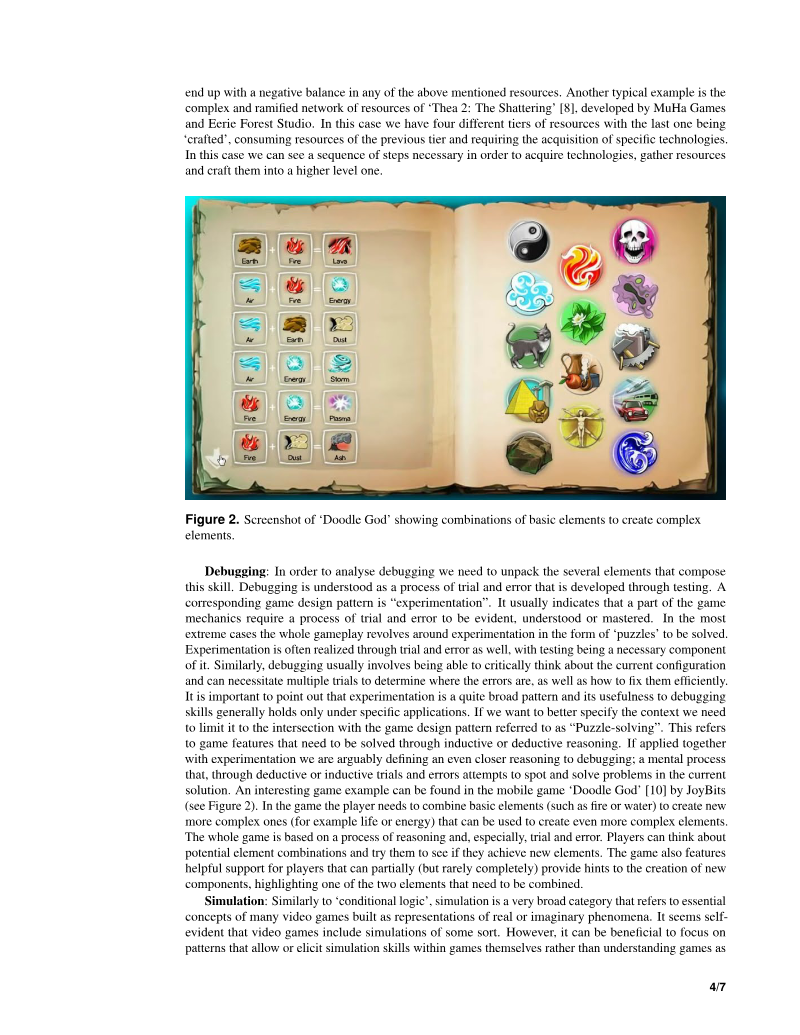
The study maps five core computational thinking skills—conditional logic, building algorithms, debugging, simulation, and distributed computation—to corresponding game design patterns. For instance, conditional logic is linked to patterns like incompatible goals and varied gameplay, while algorithm construction is associated with producer-consumer networks common in strategy games. Debugging is connected to experimentation and puzzle-solving, and simulation is supported by save-load cycles. Furthermore, the research highlights how the collaborative nature of gaming communities, characterized by remix culture and information sharing, parallels the distributed computation and social aspects of professional programming environments.
By deconstructing games into these semi-formal, interdependent design patterns, the research offers a flexible methodology for educators and developers. Rather than treating video games as monolithic entities, this framework allows for the targeted application of specific game mechanics to elicit and train distinct cognitive processes. The findings suggest that integrating these design patterns into educational strategies can bridge the gap between gaming and programming, providing a more structured and effective pathway for learners to develop essential computational reasoning skills. Future efforts should focus on empirical validation and the development of formal design processes to create or adapt games specifically for these educational objectives.
European Conference on Games Based Learning (ECGBL) · 2026
Ludic Language Pedagogy · 2026
International Journal of Role-Playing · 2026
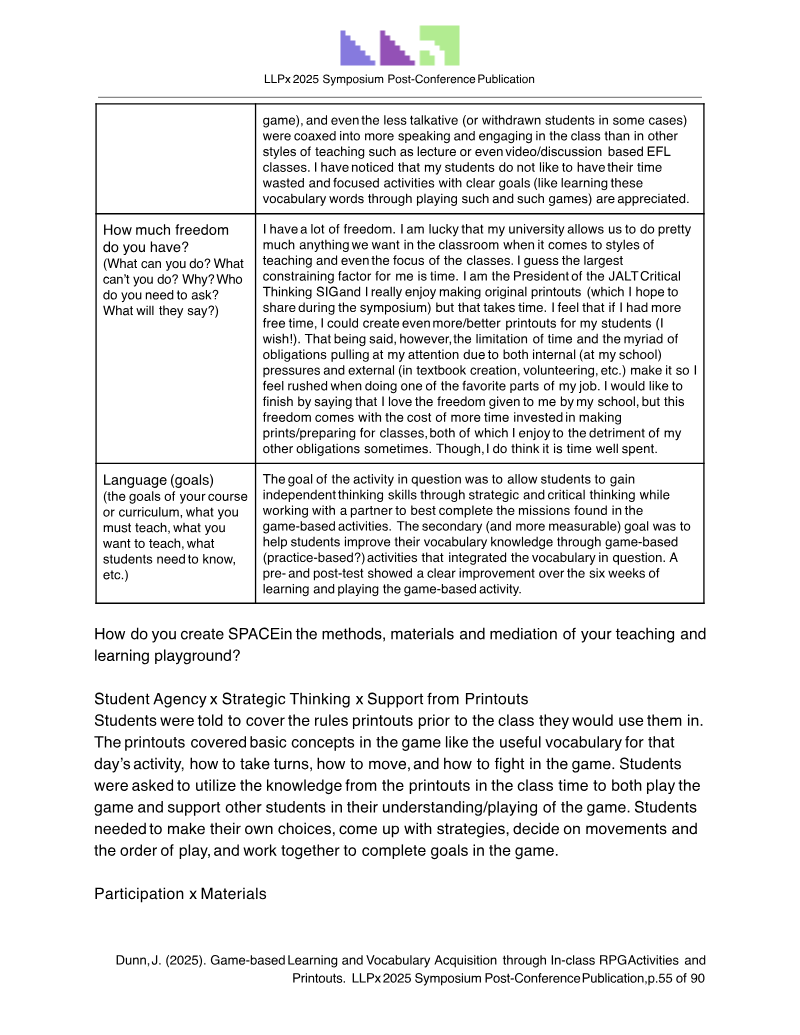
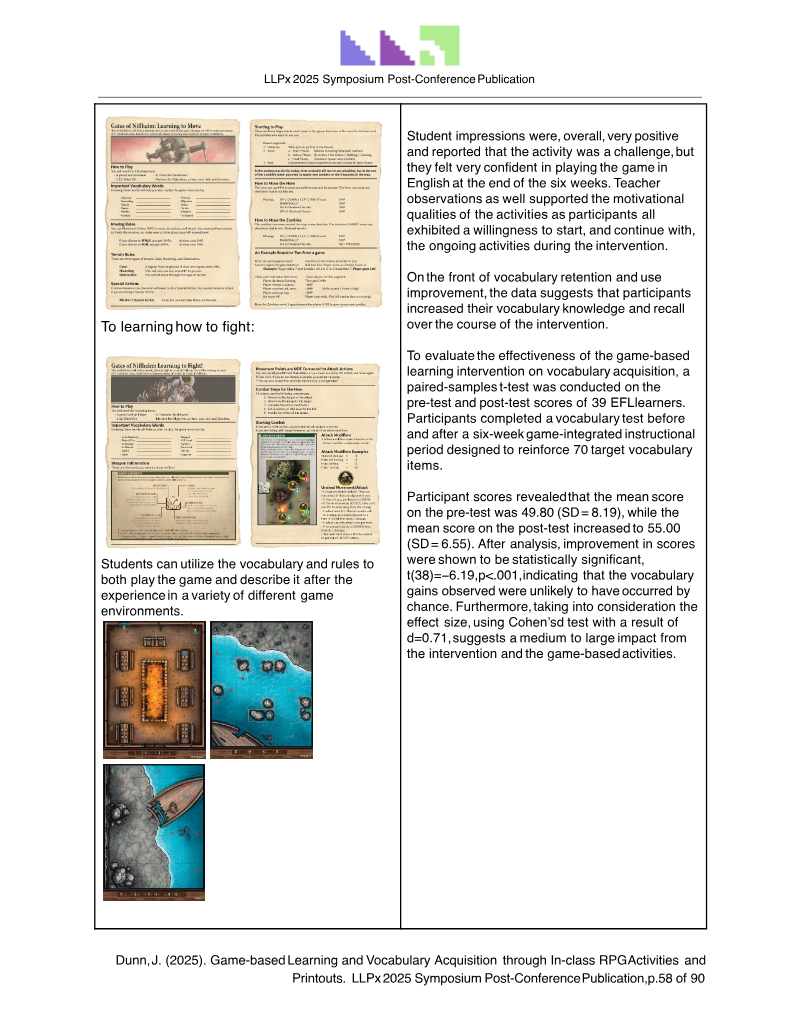
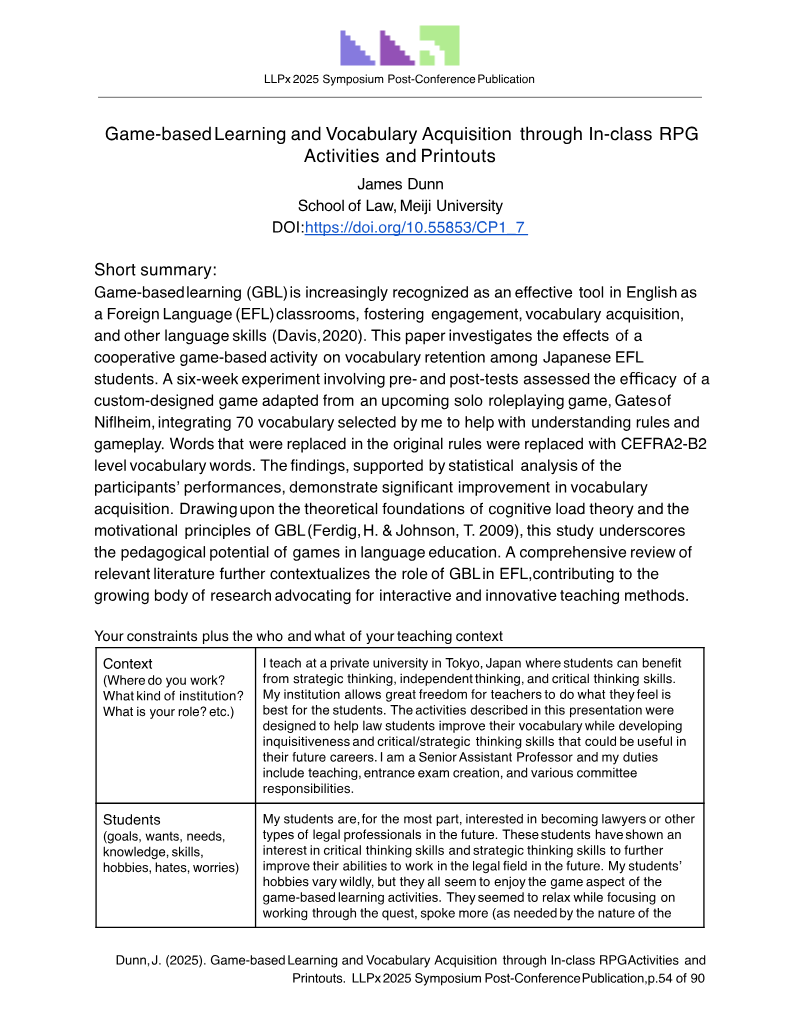
Ludic Language Pedagogy · 2025
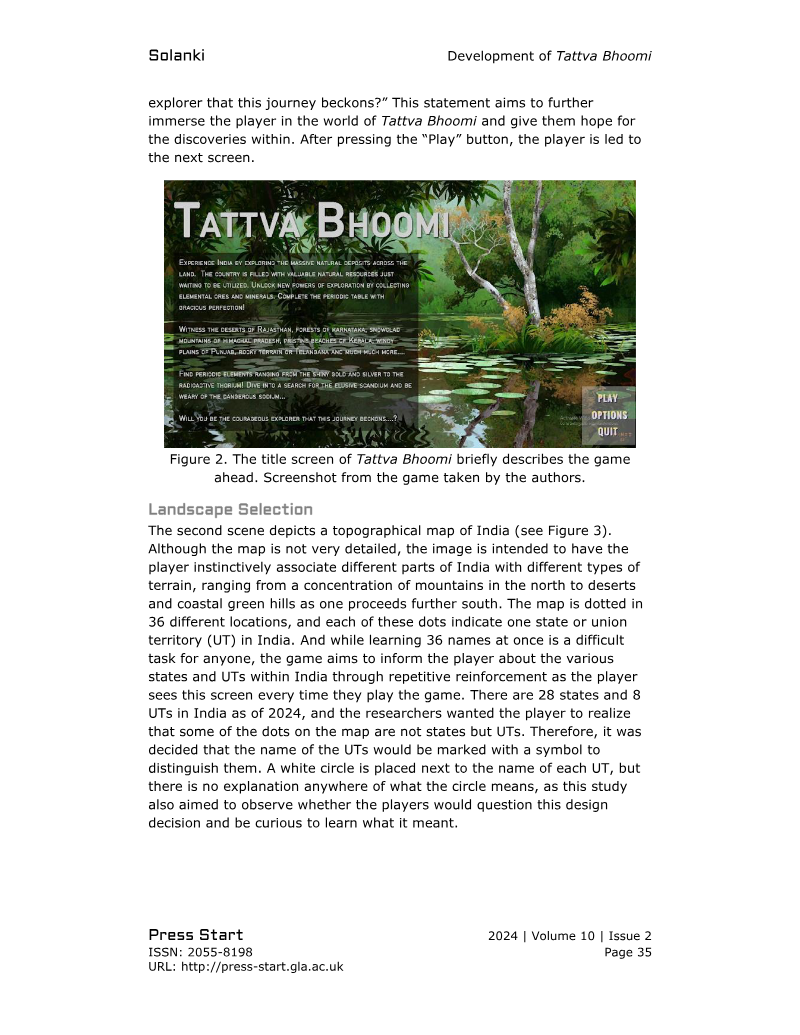
Press Start · 2024
Sheffield Hallam University · 2024

Serious Games Society · 2024

ETC Press · 2023
International Journal of Serious Games · 2023
Queen Mary University of London · 2022
University of Skövde · 2022
International Journal of Serious Games · 2022
Comments