
ArticleEsports Charts
Esports Industry Q1 2026: Strategies, Deals & Transformations
8 Apr 20262 pages~34 min full read
The esports industry entered the first quarter of 2026 by transitioning from a speculative, venture-capital-reliant model toward a phase of pragmatic consolidation and commercial maturity. This shift is defined by a strategic pivot toward self-sufficiency, where organizations are prioritizing long-term financial stability through diversified revenue streams. By integrating cross-media streaming deals, equity crowdfunding, and partnerships with traditional sectors such as finance, medicine, and retail, the industry is successfully decoupling from its historical dependence on volatile investment cycles.
A central driver of this evolution is the aggressive pursuit of vertical integration and infrastructure control. Major entities are securing their market positions through high-value acquisitions, most notably the six-billion-dollar purchase of MOONTON by Savvy Games Group, and the development of internal talent pipelines like the PlayVS acquisition. Simultaneously, hardware manufacturers such as ASUS ROG and ZOWIE have established deep technical monopolies, standardizing professional equipment across major tournament circuits. These efforts to control the competitive ecosystem are complemented by the adoption of experimental monetization models, including the integration of betting and crypto-based mechanics into tournament broadcasts.
Geographically and structurally, the industry is broadening its scope to capture both professional and casual segments. Sponsorship strategies have evolved from simple performance-based hardware endorsements to complex cultural collaborations and infrastructure-focused assets. By segmenting hardware markets and deepening ties with traditional sports entities, the sector is fostering a more resilient economy. These developments indicate that the global esports landscape is moving toward a sustainable, fan-driven model that emphasizes operational efficiency and specialized infrastructure over rapid, unsustainable growth.
Esports Charts · 2026
Esports Charts · 2026
Esports Charts · 2026
Esports Charts · 2026

Esports Charts · 2026

Esports Charts · 2026

Esports Charts · 2026

Esports Charts · 2026

Esports Charts · 2026
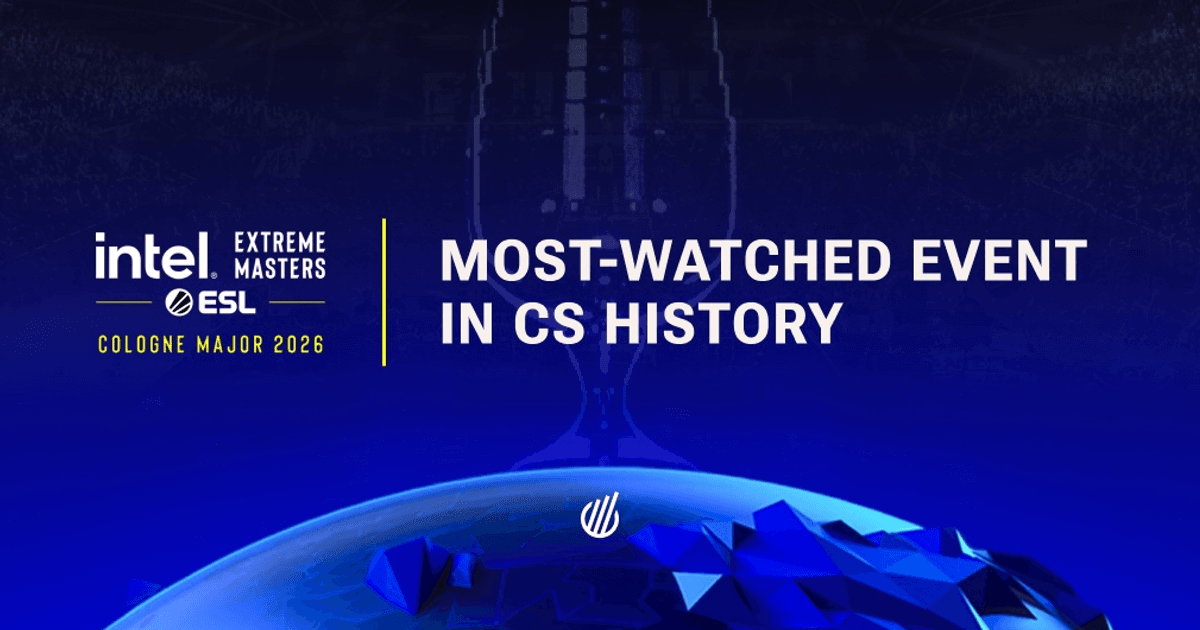
Esports Charts · 2026
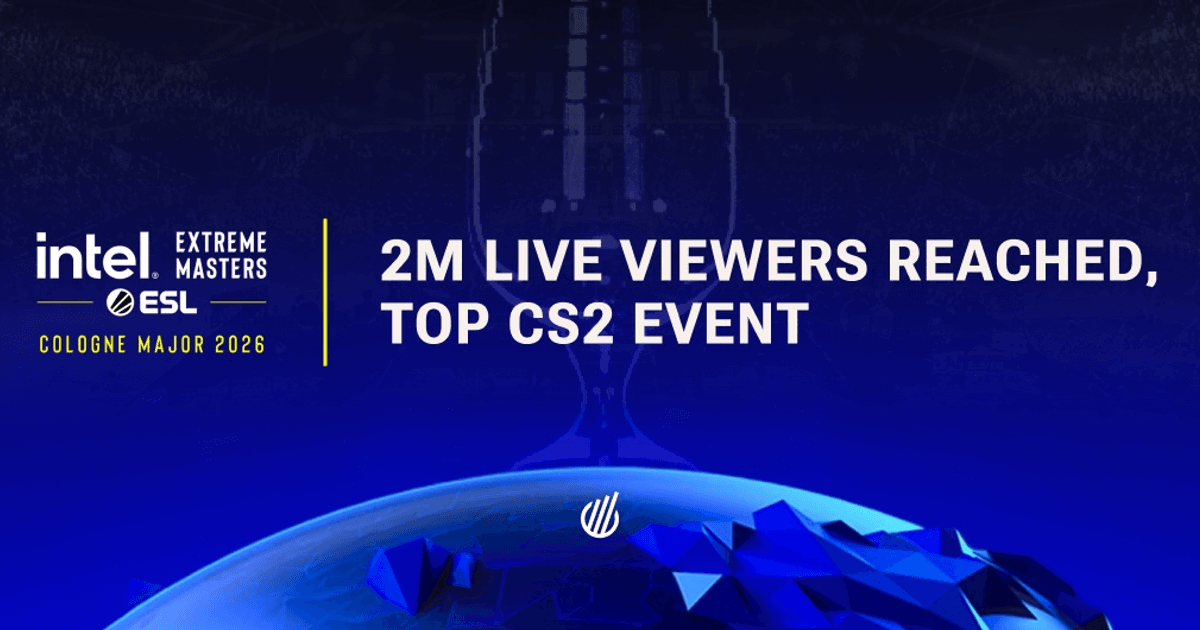
Esports Charts · 2026
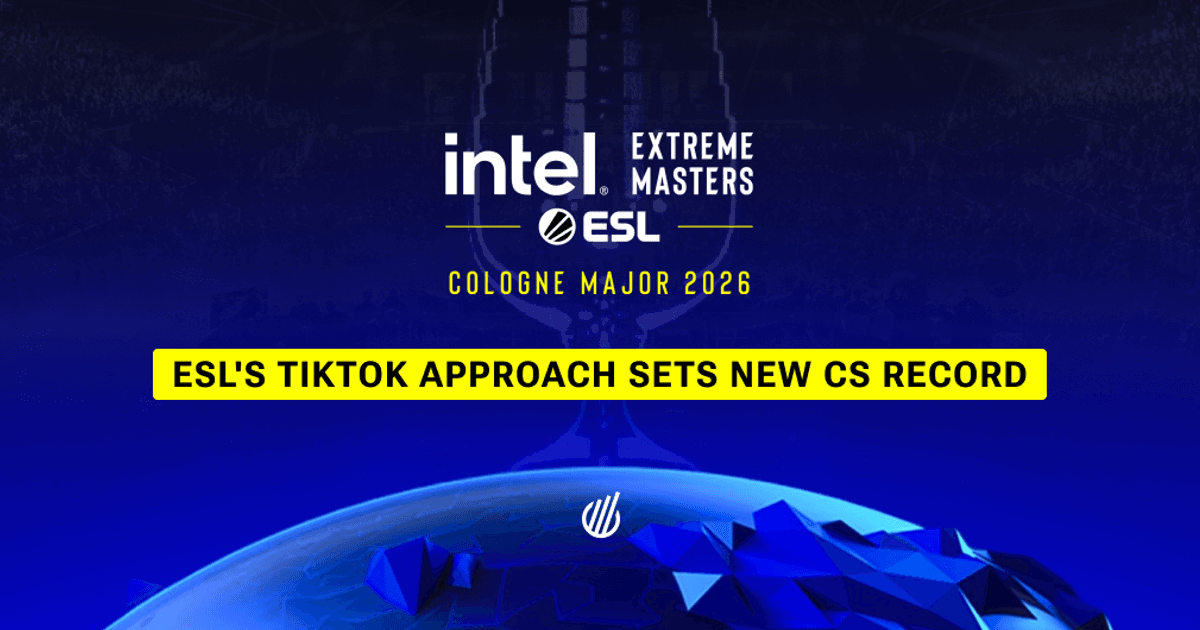
Esports Charts · 2026
Drake Star Partners · 2026
Aream & Co · 2026

Modern Times Group · 2026
Drake Star Partners · 2025
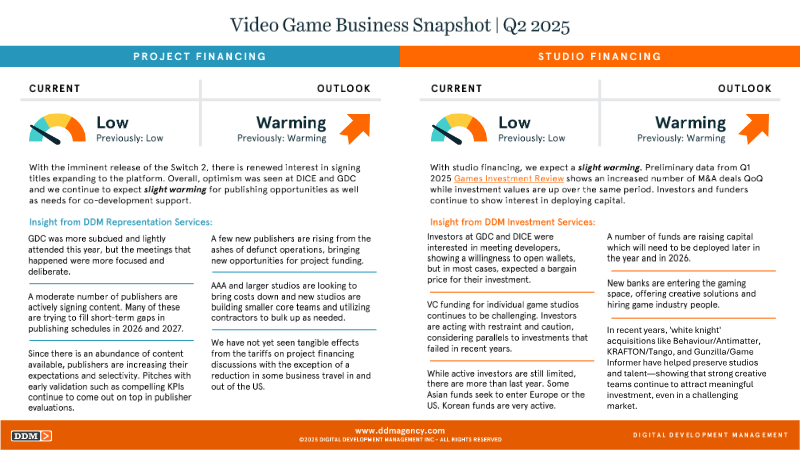
DDM · 2025

Drake Star Partners · 2025
Drake Star Partners · 2025
Digital Development Management · 2025
DDM · 2025

Thunderful · 2025
DDM · 2025
Aream & Co · 2025