To optimize Google hybrid tROAS campaigns, developers must use original Firebase ad impression events rather than custom events to ensure machine learning models accurately capture revenue data.
Hybrid tROAS campaigns require a minimum daily budget of $500 to enable rapid machine learning and should utilize a seven-day conversion window for optimal performance.
Marketers must avoid geographic overlap between tROAS and existing tCPA campaigns to prevent performance cannibalization.
Scaling user acquisition in the current market requires diversifying creative strategies, specifically by testing video lengths beyond the standard 30-second format.
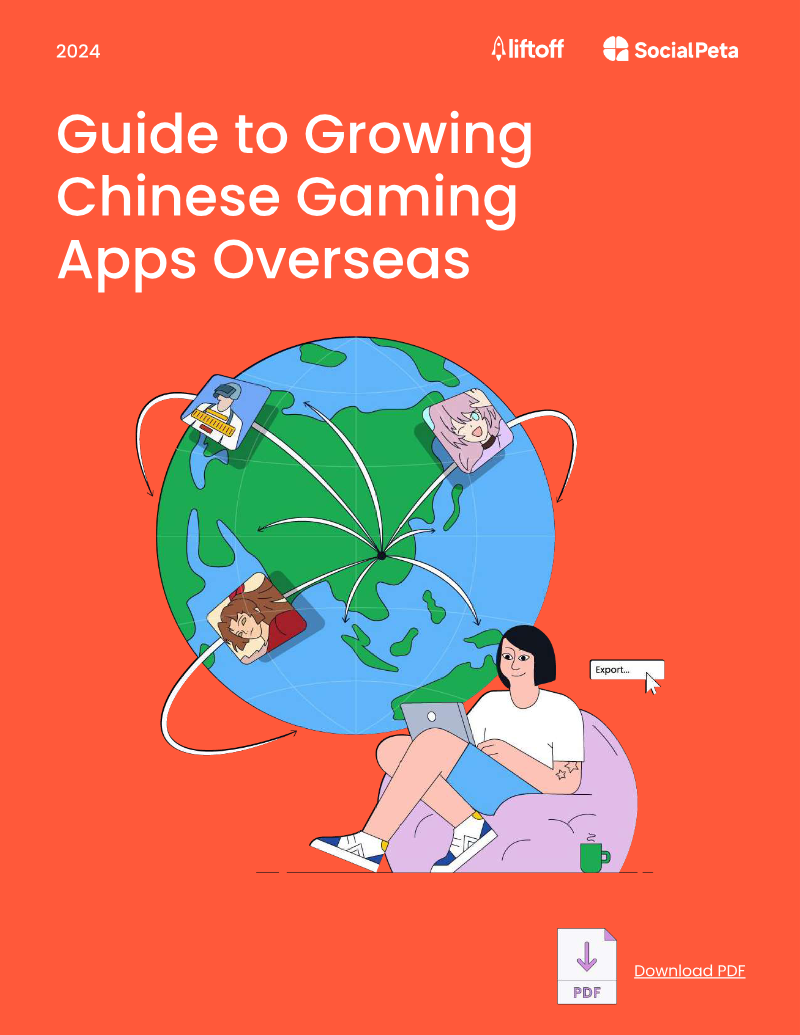
Regulatory volatility in the Chinese mobile gaming market has cooled following the withdrawal of restrictive draft rules and leadership changes within governing bodies.
Success for titles like Warcraft Rumble and My Perfect Hotel is increasingly driven by frequent gameplay iterations and portfolio diversification to mitigate genre-specific stagnation.
This analysis explores the evolving landscape of mobile user acquisition (UA) in early 2024, focusing on technical optimizations for a post-IDFA environment and shifting regulatory pressures in global markets. The primary objective is to provide actionable strategic advice for mobile game marketers, specifically regarding the implementation of Google’s hybrid return on ad spend (tROAS) campaigns. This campaign type is highlighted as a critical tool for developers managing games with mixed monetization models, such as those combining in-app purchases and ad revenue.
Key technical findings emphasize the necessity of using original Firebase ad impression events rather than custom events to ensure machine learning models accurately measure revenue. Strategic recommendations for these campaigns include maintaining a minimum daily budget of $500 to facilitate rapid learning, utilizing a seven-day conversion window, and avoiding geographic overlap with existing tCPA campaigns to prevent performance cannibalization. Furthermore, the data suggests that scaling requires a diverse creative strategy, specifically testing video lengths beyond the standard 30-second mark to capture high-value users in varied auction environments.
The scope of the analysis covers the global mobile gaming industry, with specific commentary on the Chinese market and the recent volatility surrounding proposed F2P regulations. Observations indicate a period of regulatory cooling in China following the withdrawal of restrictive draft rules and leadership changes within relevant governing bodies. Additionally, the performance of various mobile titles—including Warcraft Rumble and My Perfect Hotel—is assessed, noting that success in the current market is increasingly dependent on frequent gameplay iterations and the diversification of game portfolios to mitigate the risks of genre-specific stagnation.