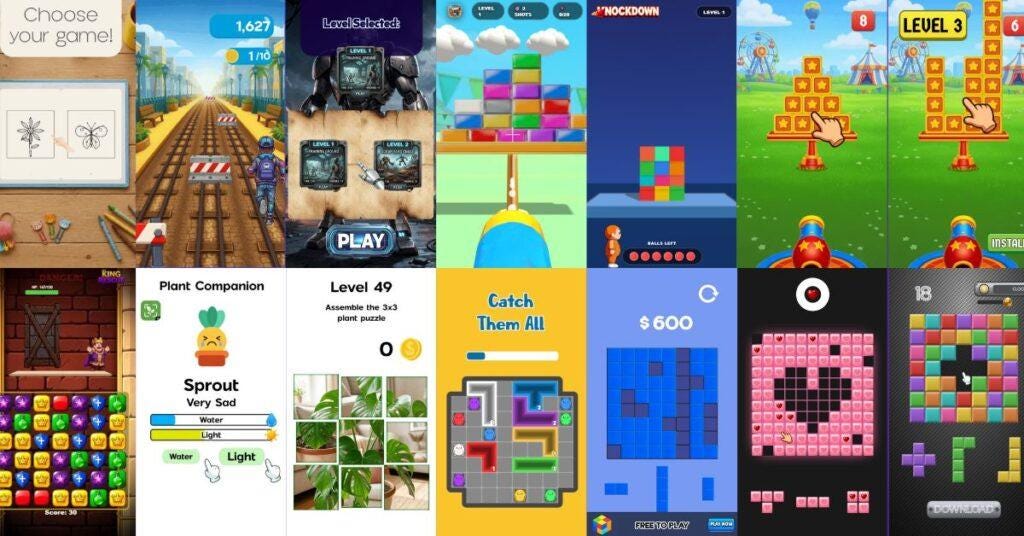
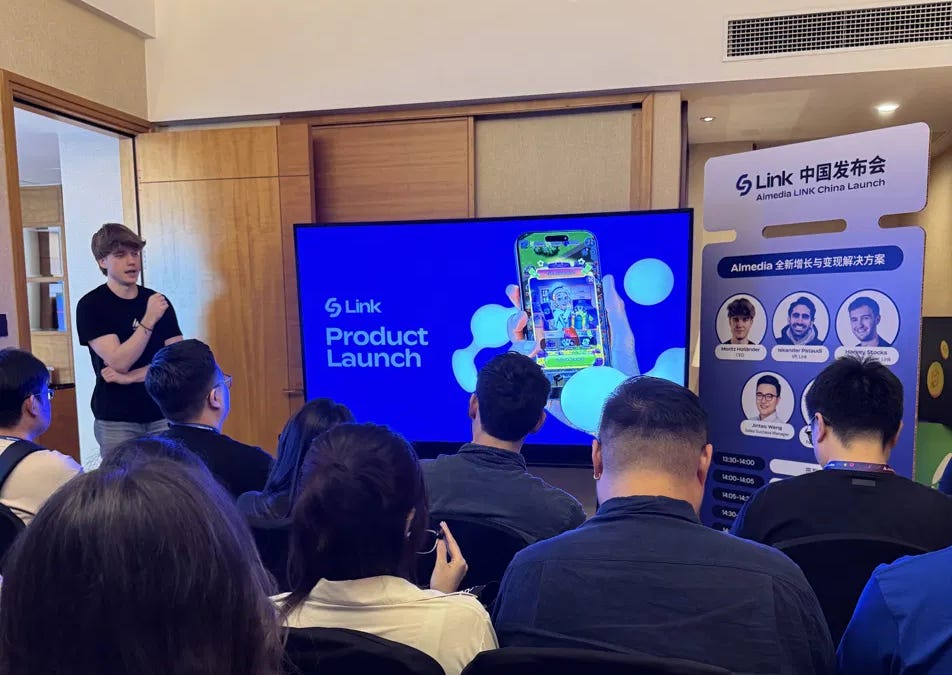
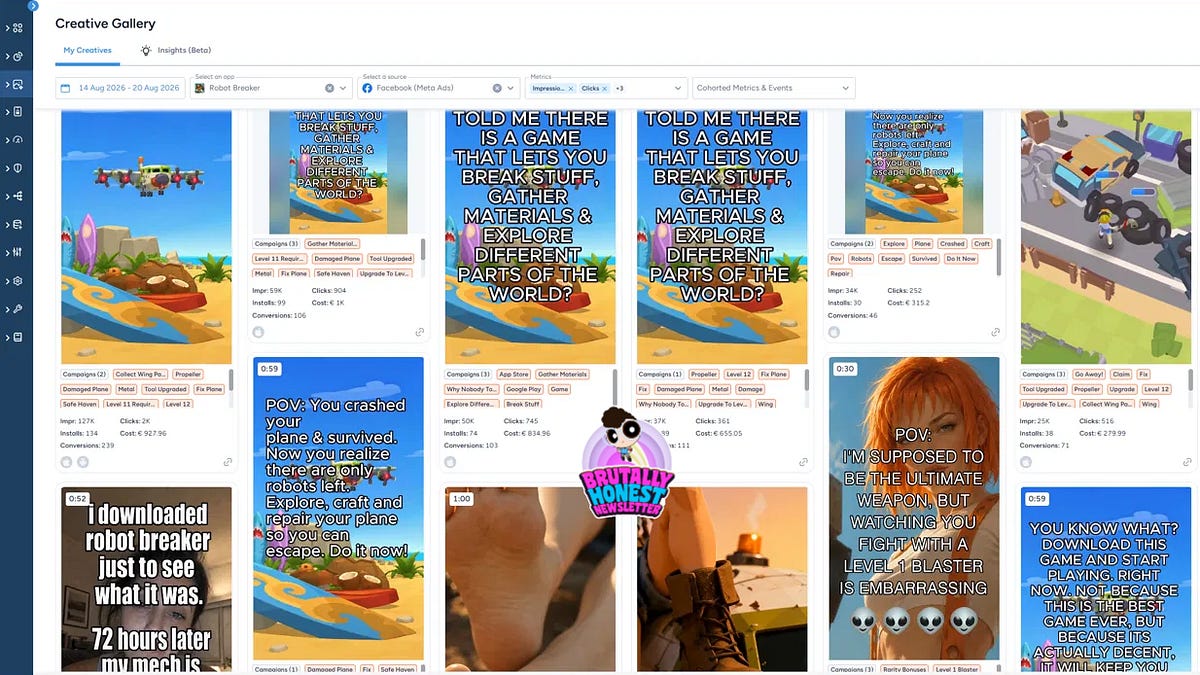
User acquisition strategies in the post-IDFA mobile gaming landscape require a pragmatic approach to localization and performance tracking. Analysis of current market trends suggests that while localization is essential for success in Asian markets, its impact on global user acquisition is often overstated. Developers can expect a modest 10% to 20% improvement in cost-per-install and conversion rates through localized creatives, but these efforts rarely salvage a game that is failing to meet its core performance goals. A data-driven approach to localization involves prioritizing the top ten revenue-generating countries and calculating the potential 10% revenue uplift against the cost of implementation to ensure profitability.
The current industry climate in 2023 also highlights significant technical and operational challenges for major developers and consultants alike. Technical debt in high-profile titles, such as performance issues related to inventory management in Diablo 4, illustrates how legacy programming choices can hinder modern live-service scalability. On the business side, the relationship between user acquisition consultants and studios remains volatile, emphasizing the need for proactive communication and aggressive spending strategies to maintain partnerships.
Methodologically, these insights are derived from qualitative industry observations, peer discussions, and performance data from the 2023 calendar year. The scope covers global mobile gaming trends with specific focus on the Western and Asian markets. Key findings suggest that Meta’s Aggregated Event Measurement remains a central but scrutinized tool for attribution in a privacy-first environment. Ultimately, the thesis posits that success in the current market depends on realistic expectations regarding incremental optimizations and the maintenance of high-touch professional relationships.