This analysis examines the strategic recommendations for mobile user acquisition and soft launch methodologies in the contemporary mobile gaming landscape. The primary thesis posits that developers should avoid using the United States as a primary soft launch territory. Instead, the findings suggest that developers should utilize Tier 2 or alternative Tier 1 geographies to test retention features and monetization strategies. This approach is grounded in the observation that while retention metrics vary by region, the shape of the retention curve remains consistent across different markets, allowing for reliable data collection at a significantly lower cost per install.
The scope of the discussion covers global mobile gaming trends with specific focus on the competitive dynamics of the United States and European markets, such as Poland and the Netherlands. It contrasts the strategies of independent developers against industry giants like Supercell and Blizzard, noting that smaller studios lack the brand equity and cash flow to replicate high-risk launch models like closed betas or immediate U.S. releases. A critical finding highlights that the initial user acquisition campaigns typically yield the highest quality users; therefore, exposing an unpolished product to a core audience prematurely can permanently exhaust a game's most valuable potential user base.
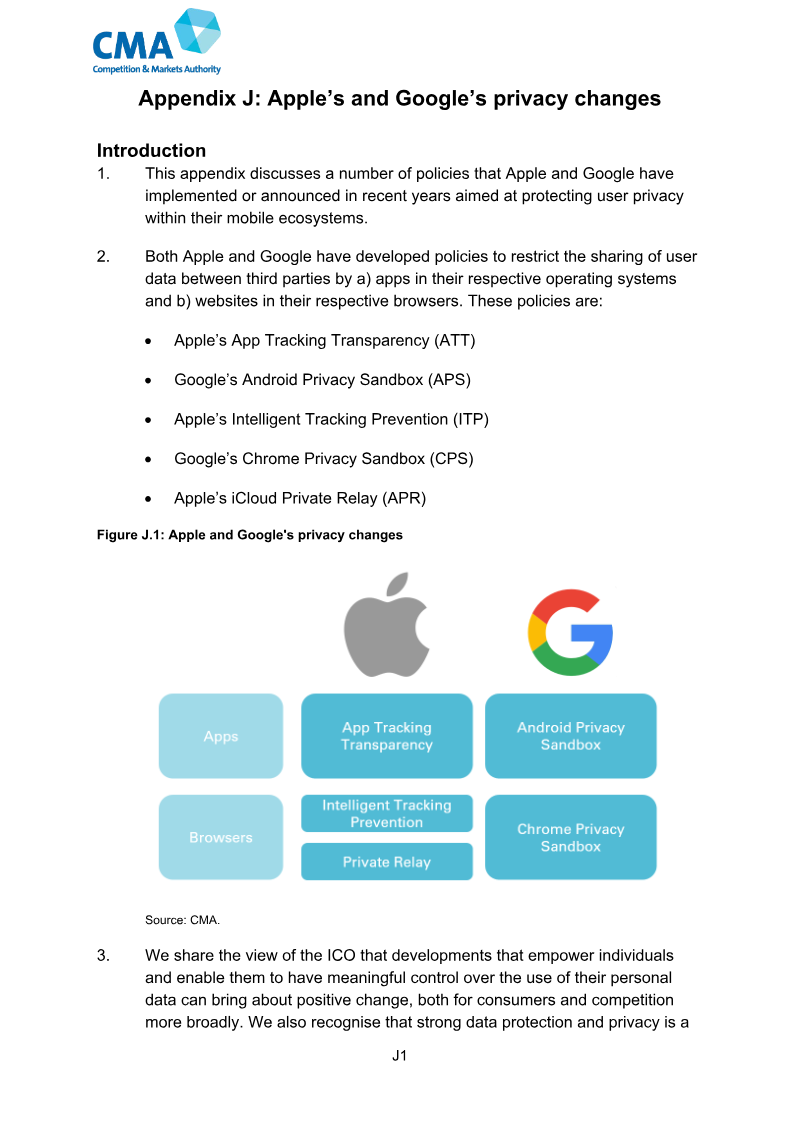
Methodologically, the insights are derived from professional industry experience and qualitative observations of market behavior. The analysis also touches upon the evolving role of loyalty-based acquisition platforms and the importance of cross-departmental cooperation in optimizing return on investment. Ultimately, the conclusion emphasizes that successful user acquisition in a post-IDFA environment requires a tailored approach that prioritizes sustainable cash flow and data-driven geographic expansion over the imitation of major corporate entities.