Hybridizing game mechanics, such as combining idle gameplay with 4X strategy, is a proven path to high revenue, with top titles like Whiteout Survival and Frozen City generating over $5 million in monthly revenue shortly after launch.
Creative strategy is the primary driver of performance in the post-IDFA landscape, requiring the integration of hypercasual mechanics, viral trends like ASMR, and AI-generated content.
Operational oversight is critical to avoid significant financial loss, as evidenced by a single budget configuration error that resulted in a $30,000 daily overspend.
Success in modern mobile marketing depends on aggressive creative testing and the adoption of hybrid monetization models to navigate privacy-centric constraints.
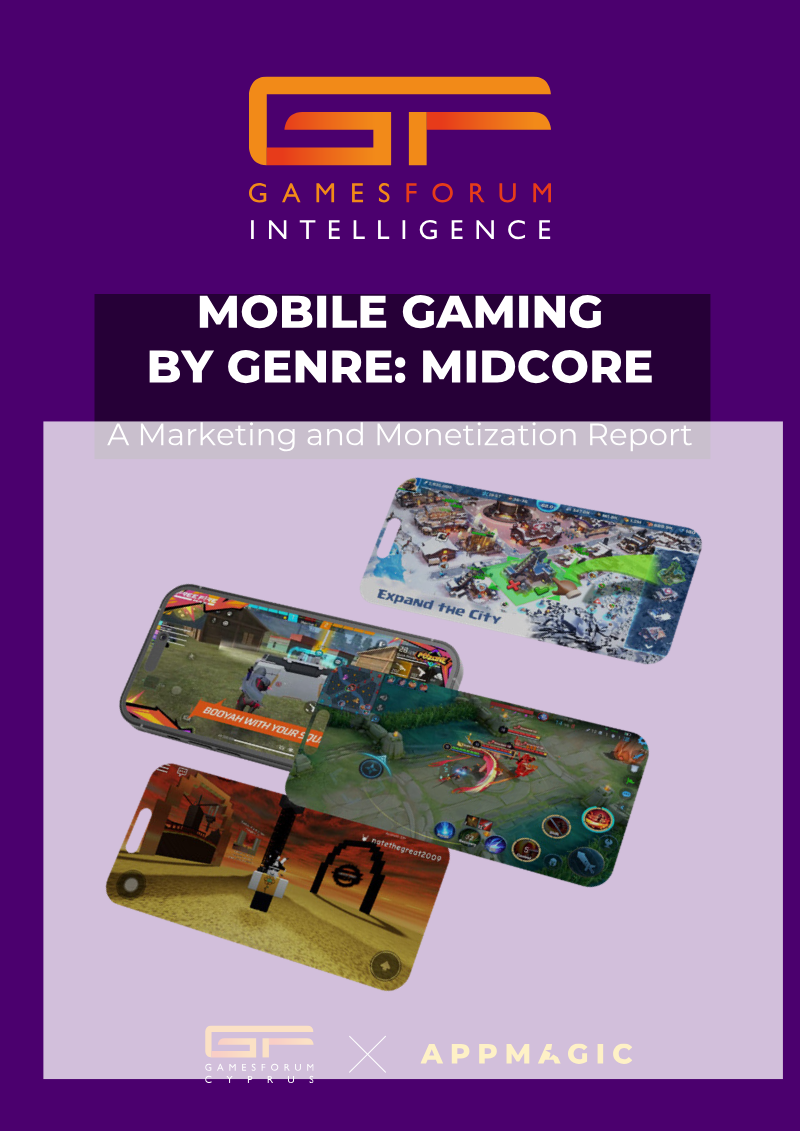
The current mobile gaming market requires cross-genre inspiration, specifically adapting successful mechanics from hypercasual games into mid-core titles to maintain user engagement.
The competitive landscape is increasingly defined by platform-specific strategies and subscription models, including the roles of Unity, iOS, and Netflix Games.
This industry analysis explores user acquisition (UA) strategies and market trends within the mobile gaming sector during the post-IDFA era. The primary thesis emphasizes that success in the current privacy-centric landscape requires a blend of creative innovation, cross-genre inspiration, and rigorous operational oversight. By examining recent market successes and common pitfalls, the analysis provides a framework for navigating the complexities of modern mobile marketing.
Key findings highlight the critical role of creative strategy in driving performance. Effective tactics include adapting hypercasual mechanics into mid-core titles, leveraging viral trends from platforms like TikTok and YouTube—such as ASMR or "save the dog" tropes—and utilizing AI-generated content and memes. The analysis also identifies a significant trend in game design where titles like Whiteout Survival and Frozen City successfully blend idle mechanics with 4X strategy elements. This hybrid approach has proven financially lucrative, with top-performing titles generating upwards of $5 million in monthly revenue shortly after global launch.
The scope of the analysis covers the global mobile gaming market, with specific focus on the United States and major platforms like Unity, iOS, and Netflix Games. It touches upon the competitive landscape of gaming subscriptions and the regulatory challenges surrounding major industry acquisitions. Methodologically, the insights are derived from direct campaign management experience, case studies of high-growth titles, and qualitative industry observations. A cautionary case study regarding a $30,000 daily overspend due to a budget configuration error underscores the high stakes of operational management in automated UA environments. Overall, the findings suggest that while the post-IDFA environment is challenging, significant growth is achievable through aggressive creative testing and hybrid monetization models.