This analysis explores the shifting landscape of mobile user acquisition (UA) in a post-IDFA environment, focusing on platform-specific budget allocations and emerging creative strategies. Data indicates that UA managers are diversifying their efforts across five to eleven channels on average. On Android, Google maintains a dominant position with 67.7% of total spend, followed by Applovin at 14.5% and Meta at 11.3%. The iOS landscape is more fragmented and competitive; Meta leads with 35.5% of spend, while Applovin has secured a significant 27.4% share, outpacing both Google and TikTok, which each hold 11.3%.
The findings highlight a resurgence in high-budget celebrity-driven marketing campaigns, exemplified by Dream Games’ strategy for Royal Kingdom. By utilizing a broad roster of A-list talent, the studio aims to mitigate rising costs per install (CPI), which are reportedly reaching the $40–$50 range for new titles. This move mirrors historical successes in the social casual segment but raises questions regarding long-term profitability given the high cost-to-lifetime-value ratio. Additionally, the analysis contrasts traditional UA-heavy models with organic growth success stories like Chess.com, which reached $500 million in annual revenue through community engagement, content virality, and subscription models rather than standard performance marketing.
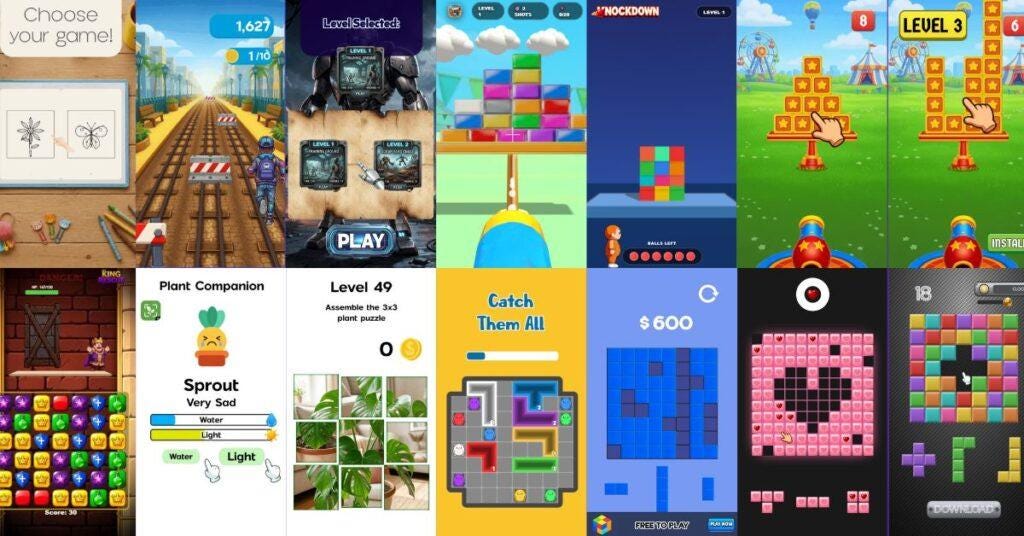
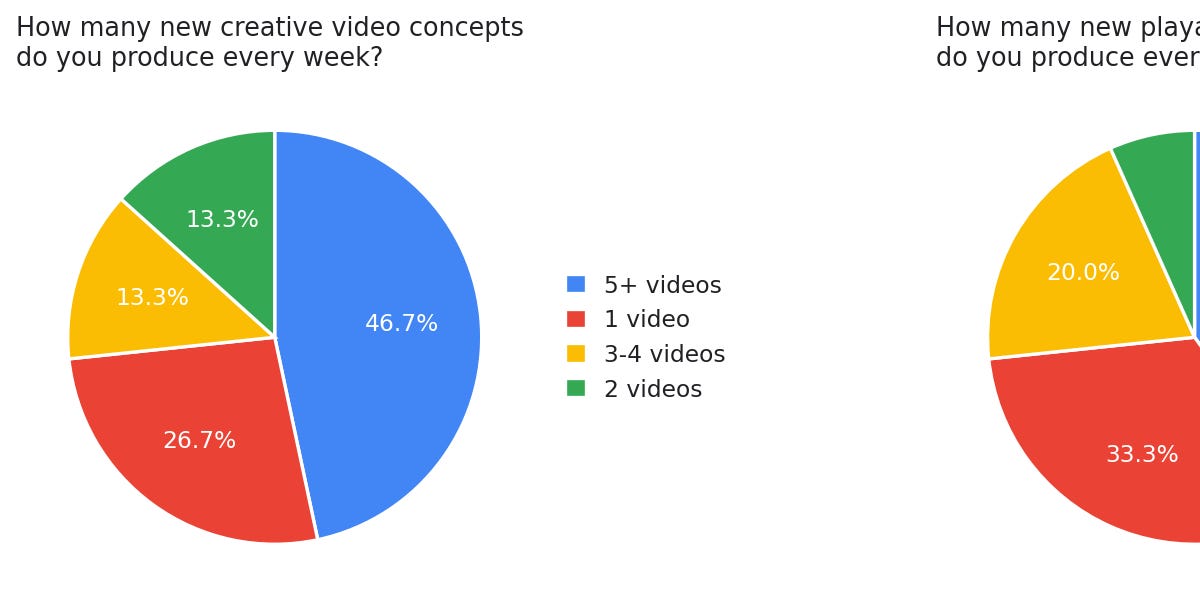
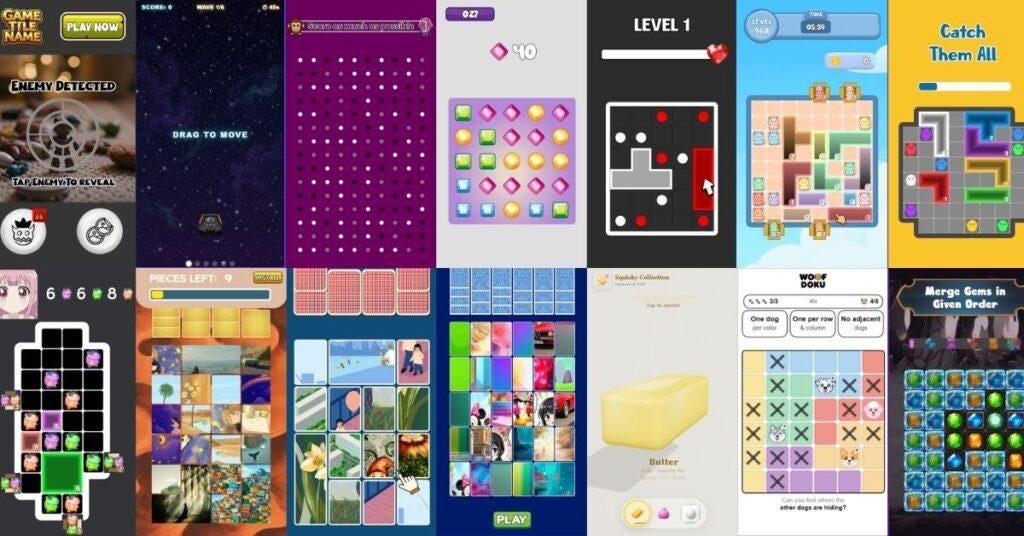
The scope of this assessment covers global mobile gaming trends as of early 2025, with specific emphasis on the competitive dynamics between major ad networks and the evolution of playable ads. The methodology relies on survey data from UA practitioners and market observations of top-grossing mobile titles. Ultimately, the findings suggest that while platform dominance is consolidating around a few key players like Applovin and Google, success increasingly depends on aggressive creative experimentation and the integration of AI-driven optimization tools to navigate the complexities of privacy-centric tracking.