This analysis outlines the critical requirements for scaling mobile games in a post-IDFA environment, focusing on the transition from soft launch to global expansion. The primary thesis suggests that scaling should only occur after a game demonstrates consistent cohort profitability, stable retention, and predictable monetization. Key performance indicators for successful scaling include a minimum Day 30 retention rate of 10-15% and the achievement of 100% net return on ad spend (ROAS), ensuring the game can sustainably recoup marketing costs.
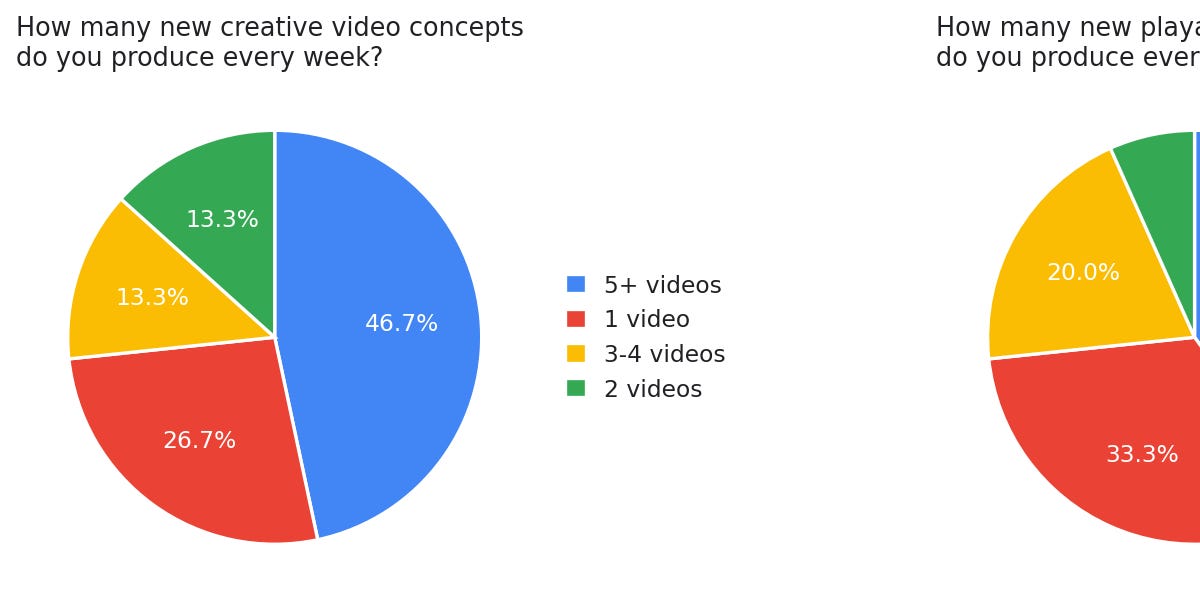
The scope of the findings covers global user acquisition (UA) strategies for 2024 and 2025, with specific emphasis on hybrid-casual games and emerging creative trends. Data highlights the importance of diversifying beyond traditional channels and maintaining a rigorous testing cycle for ad creatives to avoid reliance on a single concept. Financial readiness is also emphasized, noting that developers may need to explore venture capital or cohort-based financing to support the significant cash flow requirements of a scaling phase.
Case studies, such as the performance of Screwdom 3D, illustrate these principles in practice. The game achieved $3.6 million in monthly revenue through a 60/40 split between in-app purchases and rewarded video ads, primarily by targeting low cost-per-install (CPI) regions before tackling the US market. Methodologically, these insights are derived from industry expertise, historical cohort data, and predictive modeling used to forecast terminal ROAS. The analysis concludes that successful scaling requires a blend of disciplined financial metrics, AI-driven creative testing, and robust predictive forecasting.