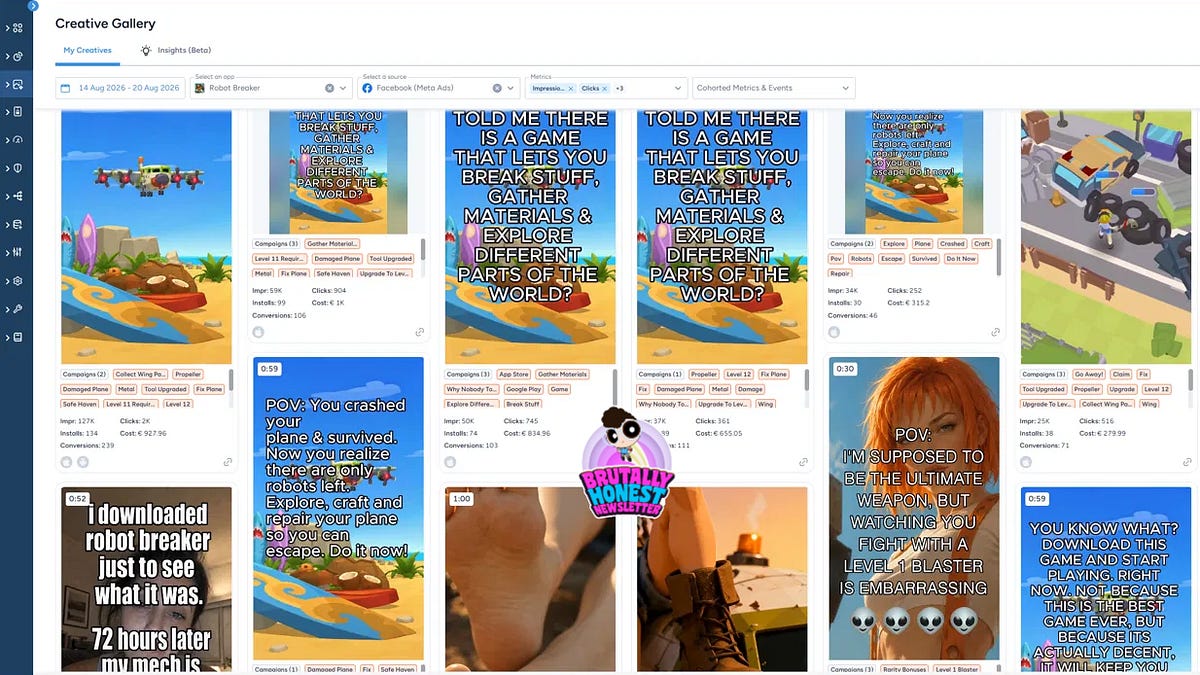
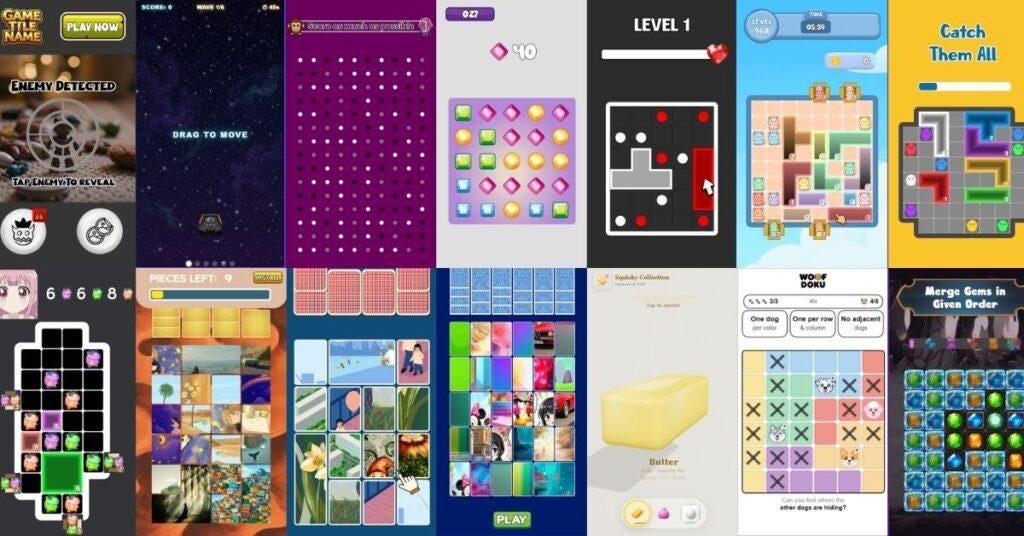
This analysis outlines strategic frameworks for mobile user acquisition and creative testing within the contemporary post-IDFA landscape. The primary objective is to provide actionable methodologies for scaling mobile games across major advertising platforms, including Facebook, Google, TikTok, Unity, and AppLovin. By focusing on high-velocity creative iteration and data-driven testing, the findings suggest that successful user acquisition now relies on identifying winning assets in low-cost regions before graduating them to business-as-usual campaigns in primary markets.
The geographic scope of these strategies emphasizes a tiered approach, utilizing Tier 3 and Tier 4 countries as testing grounds for Install Per Mille (IPM) and Cost Per Install (CPI) metrics. Once a creative is validated, it is moved to Tier 1 markets for App Event Optimization (AEO) or Value Optimization (VO). Specific platform tactics include using dedicated creative testing campaign types on Unity and AppLovin, while maintaining a constant influx of two to three new ad sets per week on TikTok to combat creative fatigue.
Industry insights from major publishers like Azur Games highlight a shift toward hybrid-casual models and long-term retention strategies. Data points from these market leaders, who manage portfolios exceeding 10 billion installs, underscore the importance of profitability and Return on Ad Spend (ROAS) targets over pure volume. The methodology relies on professional experience and qualitative interviews with industry veterans, concluding that the integration of AI in creative development and a flexible publishing approach are essential for navigating the current mobile gaming economy.