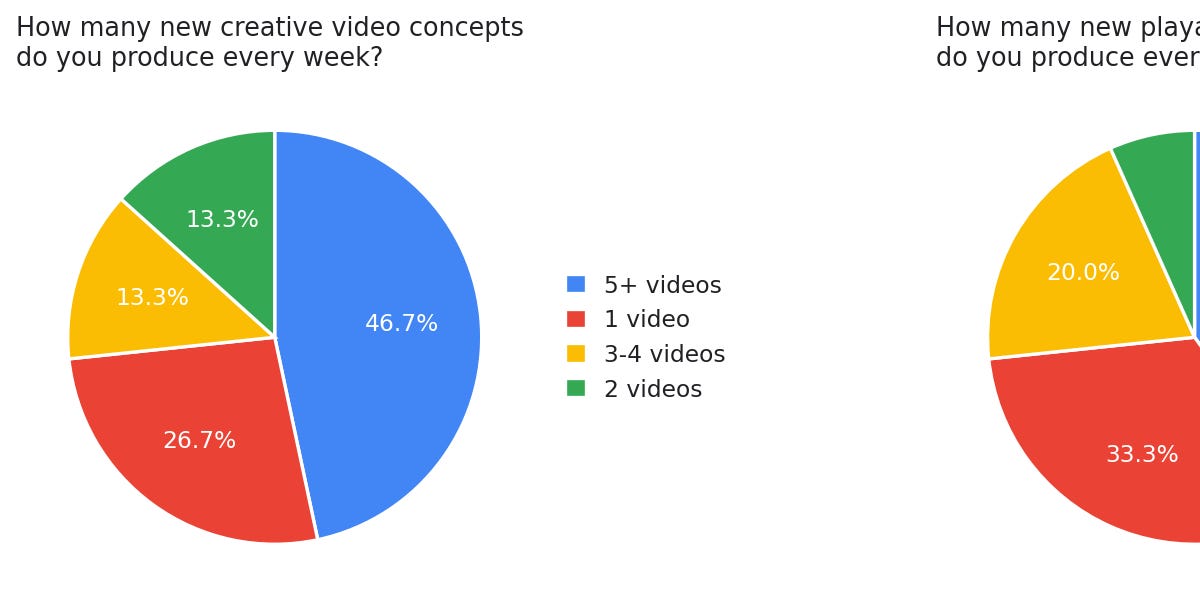
This industry analysis explores evolving user acquisition (UA) strategies in the mobile gaming sector, specifically addressing the challenges of the post-IDFA landscape. The primary thesis suggests that success in 2024 requires a shift from automated bidding toward more controlled manual bidding strategies and highly specialized creative frameworks. The scope focuses on global mobile gaming trends, with specific emphasis on the match-three genre and male-oriented gaming demographics.
Key findings highlight a significant shift in Facebook advertising tactics. While automated bidding was previously the standard, recent experimentation indicates that cost caps can yield superior results if implemented correctly. The recommended methodology involves starting with an autobid to establish a baseline and then setting a bid cap at five to eight times the observed cost per action (CPA) to filter for high-quality traffic while maintaining spend efficiency.
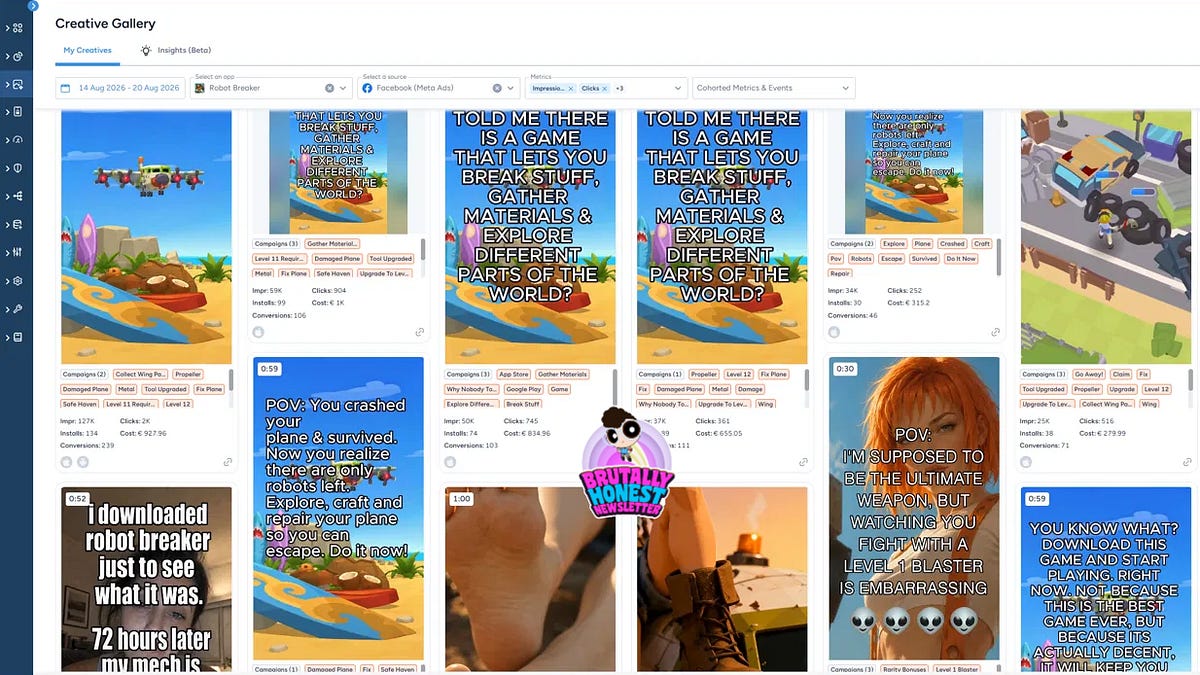
The analysis also examines the success of Chrome Valley Customs, a title that has stabilized at approximately $40,000 in daily in-app purchase revenue. This success is attributed to a unique marketing approach that targets male audiences through car restoration themes rather than traditional match-three aesthetics. By utilizing celebrity partnerships and rigorous marketability testing, the developers achieved a 30% reduction in cost per install (CPI). These results underscore the critical importance of creative iteration and competitive research in modern UA.
Additional insights cover the broader industry environment, noting that soft launch frameworks must adapt to 2024 benchmarks to remain viable. The findings suggest that the integration of UA, ad monetization, and data analysis is increasingly impenetrable to outsiders, requiring specialized playbooks for sub-genres like Match 3D. The tone remains analytical and practitioner-focused, emphasizing real-world data over theoretical marketing models.