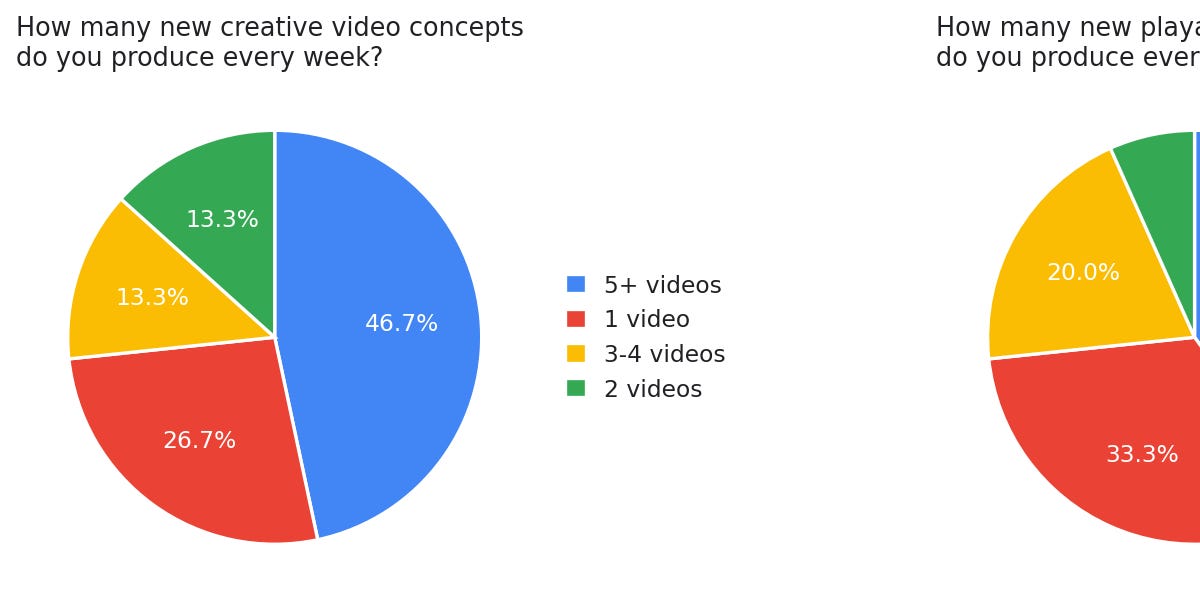
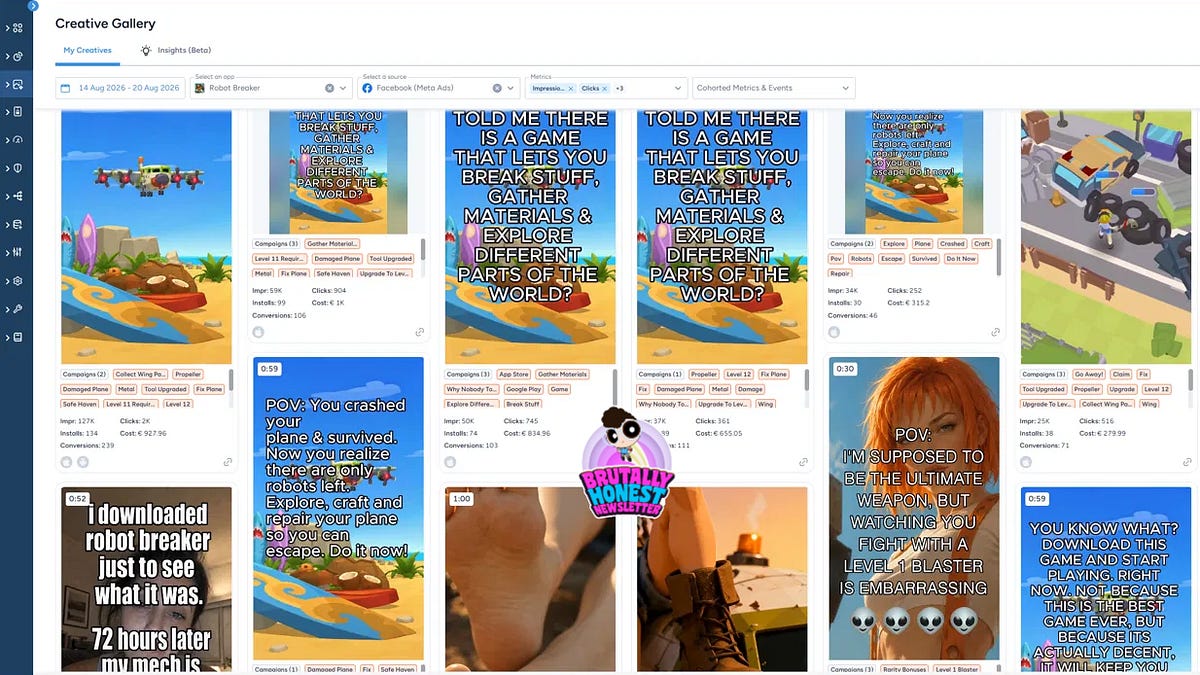
This industry analysis explores evolving user acquisition (UA) strategies within the mobile gaming sector, specifically addressing the challenges of the post-IDFA landscape in early 2024. The primary thesis emphasizes that success in modern UA relies on aggressive creative testing and a nuanced understanding of platform-specific audience shifts. The scope covers global mobile marketing trends with a particular focus on social platforms like TikTok and the technical implementation of playable ads.
A central finding highlights the maturation of TikTok’s user base, noting that the average age has risen to 32.1 years. This demographic shift has made the platform increasingly viable for games targeting female audiences over 30, moving away from its previous reputation as a teen-centric app. To capitalize on this, the analysis recommends utilizing the TikTok Creative Challenge with broad briefs to maximize reach and engagement.
Methodological advice for creative optimization focuses on the integration of playable ads. The recommended framework suggests producing at least two new playables monthly and testing them as end cards paired with top-performing video assets. A structured five-to-seven-day testing campaign is advised to measure performance based on spend, impressions per mille (IPM), and return on ad spend (ROAS) before moving assets into business-as-usual operations.
The analysis also touches on broader industry trends, including the financial volatility of major gaming conglomerates and the necessity of restructuring for profitability. It concludes that the current market demands a rigorous, data-driven approach to creative frameworks, utilizing AI-driven static testing and bid floor management to maintain a competitive edge in a high-cost environment.