1 free read left. Create a free account for unlimited reading + AI research.
Create free accountWhitepaper Press Start
1 free read left. Create a free account for unlimited reading + AI research.
Create free accountWhitepaperPress Start
This approach uses mechanical interruptions to force critical engagement with a game's themes and systems.
Brechtian alienation serves as a sophisticated analytical framework for game design, challenging the industry-wide preoccupation with seamless immersion. By intentionally disrupting the player’s absorption through mechanical interruptions, developers can foster a more profound, critical engagement with a game’s underlying themes and systemic structures. Rather than treating technical breaks like loading screens or interface prompts as mere flaws to be minimized, these elements should be recontextualized as deliberate distancing effects that compel players to reflect on the artificiality of the medium and their specific relationship with the avatar.
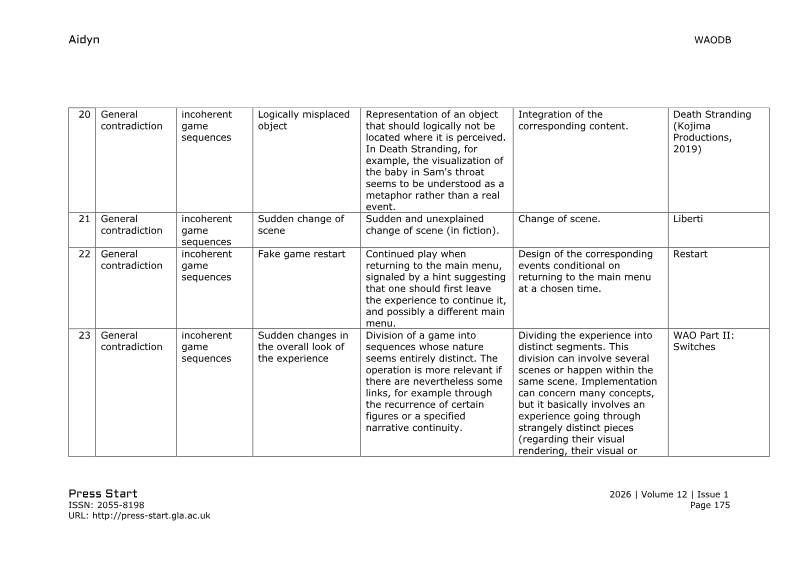
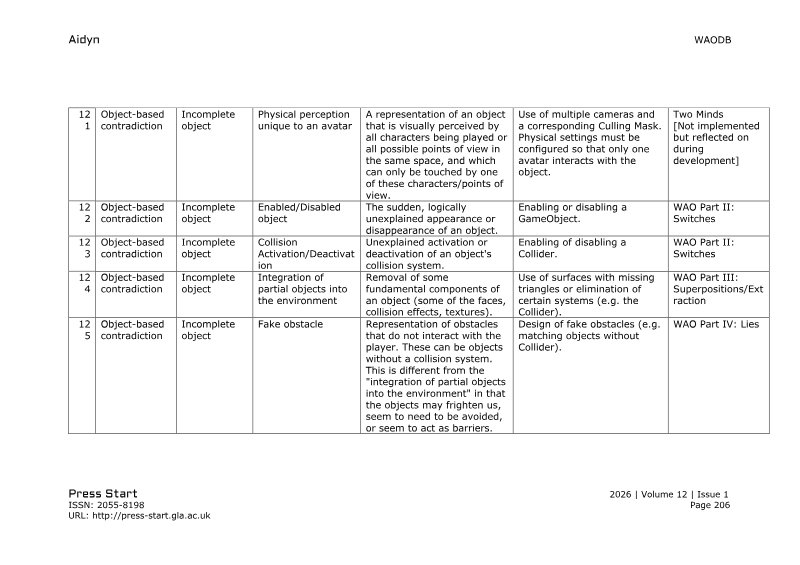
This design philosophy categorizes distancing techniques into two primary domains: aesthetic alienation and system alienation. Aesthetic alienation employs meta-narrative devices and simulated glitches to expose the constructed nature of the virtual world, while system alienation integrates hardware constraints, save file management, and configuration settings directly into the diegesis. By forcing players to confront the mechanics of the game as a manufactured system, these techniques shift the experience from passive consumption to active, analytical participation.
The scope of this inquiry encompasses the broader video game industry, spanning the evolution of interactive media from its inception to the present day. As computational power continues to advance, the traditional technical barriers that once necessitated these interruptions are rapidly disappearing. Consequently, the intentional application of Brechtian alienation becomes an increasingly vital tool for designers seeking to elevate the medium’s intellectual complexity. Future research must continue to explore how these distancing effects can be leveraged to ensure that games remain not just immersive experiences, but platforms for critical reflection and thematic depth.
Press Start · 2026
Press Start · 2026
Press Start · 2026
Press Start · 2026
Press Start · 2026
Press Start · 2026
Press Start · 2026
Press Start · 2026
Press Start · 2025
Press Start · 2025
Press Start · 2025
Press Start · 2024
DiGRA · 2026