1 free read left. Create a free account for unlimited reading + AI research.
Create free account
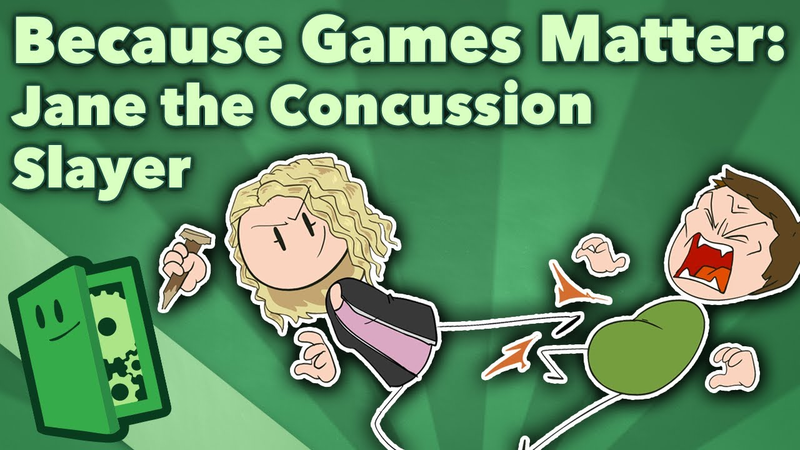
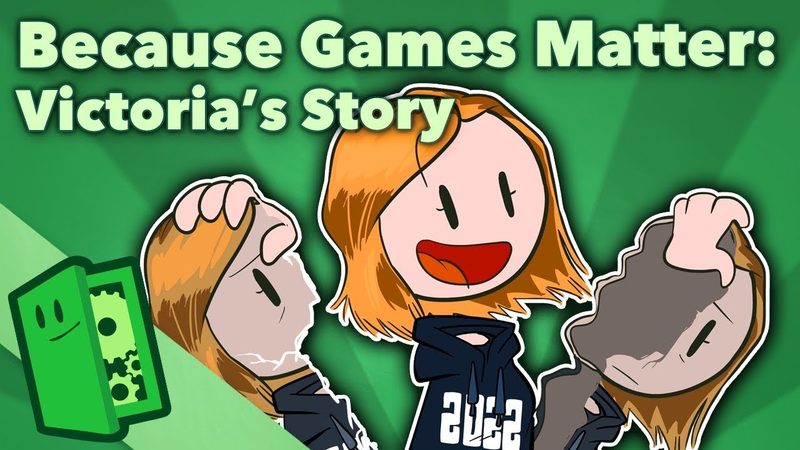
Because Games Matter - Jane the Concussion Slayer - Extra Credits
Key insights
5 takeaways- 01Game designer Jane McGonigal developed the 'Jane the Concussion Slayer' framework in 2009 to treat her own Post-Concussion Syndrome, utilizing role-playing elements like secret identities, allies, and power-ups to regain agency.
- 02The global gaming population is effectively building a reservoir of psychological resilience that can be applied to navigate significant real-world health challenges.
- 03Reframing recovery as a game shifts individuals from a state of passive suffering to active, heroic engagement, effectively leveraging psychological strengths like resilience and creative problem-solving.
- 04The SuperBetter methodology, which gamifies recovery to manage trauma and chronic illness, has been used by over 1 million people since its inception 11 years ago.
- 05Peer-reviewed research from institutions like the University of Pennsylvania and Ohio State University indicates that engaging with the SuperBetter method for just 10 minutes daily can accelerate concussion recovery and reduce symptoms of anxiety and depression.
Ask AI about this video
Transcript
By now, I'd wager that you, beloved viewer of Extra Credits, know the power and benefits games can have in all of our lives. However, I also think it's a fair assumption that many people outside of our circles don't necessarily believe that to be true. So, with this episode of our Because Games Matter series, we wanted to bring out the big guns and share the story of a friend and game designer. Someone who's turned a deeply personal experience into something that as of today has helped tons of people through games. And someone who you may be familiar with that wanted to expand a bit on a few of her more well-known points. So, I'm very pleased to bring you Jane's story. My name is Jane and I'm a game designer and games researcher with over 20 years in the industry. My goal is to make games that spark positive emotions and build real-life skills that change how players respond to stress and challenges in their everyday lives. I've advised companies like Xbox, Activision, Nintendo, Disney, and Riot Games on how to make experiences that bring the best out of players. And I've published two
best-selling books on the science and psychology of video games. But 8 years into my career, in the summer of 2009, I accidentally hit my head and got a concussion. To make matters worse, after 30 days, it hadn't healed properly. I had many symptoms of post-concussion syndrome, including constant headaches, nausea, and vertigo. I couldn't read or write for more than a few minutes at a time, had trouble remembering things, was in a total mental fog, and most days felt too sick to get out of bed. These symptoms left me more anxious and depressed than I'd ever been in my life. And adding on to all of this frustration, I had trouble communicating clearly to friends and family exactly what I was going through. Unfortunately, there's no real treatment for post-concussion syndrome. My doctor told me that in order to heal my brain, I had to rest it, meaning I had to avoid everything that triggered my symptoms, which for me meant no reading, no writing, no work, no email, no running, no alcohol, no caffeine, and no video games. I remember joking to my doctor at the time, "Oh, so in other words, no reason to live." But there was quite a
bit of truth in that joke. I didn't know it then, but suicidal ideation is quite common with traumatic brain injuries. It happens to one in three people, and it happened to me. My brain started telling me, "Jane, you want to die." It said, "You're never going to get better." It said, "The pain will never end." And these voices became so persistent and so persuasive that I started to legitimately fear for my life. And then something happened. I had one crystal clear thought that changed everything. 34 days after I hit my head, and I will never forget this moment. I said to myself, "I'm either going to kill myself, or I'm going to turn this into a game." Now, why a game? Well, by the time I hit my head in 2009, I'd been researching the psychology of games for nearly a decade. In fact, I was the first person in the world to earn a PhD studying the psychological strength of gamers and how those strengths can translate into real-world problem-solving. I knew from my years of research that when we play games, and this is in the scientific literature, we tackle tough challenges with more
creativity, more determination, more optimism, and we're more likely to reach out to others for help. And I wanted to bring these gamer traits to my real-life challenge. So, I created a simple role-playing recovery game called Jane the Concussion Slayer. Wait, hold on. Intentional Buffy reference? Heck, yeah. This became my new secret identity, a way to start feeling heroic and determined instead of hopeless. The first thing I did as a slayer was to call my twin sister Kelly and tell her, "I'm playing a game to heal my brain, and I want you to play with me." This was an easier way for me to ask for help, you see. So, Kelly became my first ally in the game. Then my husband Kiyash joined soon after, and together me and my own gang of Scoobies identified and battled the bad guys, meaning fighting against or avoiding anything that could trigger my symptoms and therefore slow down the healing process, such as bright lights and crowded spaces. We also collected and activated power-ups. I earned these by completing tasks I could do even on my worst day just to feel a little bit good, happy, or powerful. Things like cuddle my dog for 10
minutes, eating walnuts, good for my brain, or walking around the block twice with my husband. The game was that simple. Adopt a secret identity, recruit allies, battle the bad guys, and activate power-ups. But despite its simplicity, within just a couple of days of starting to play, that fog of depression and anxiety, it just vanished. It felt like a miracle. Now, it wasn't a miracle cure for the headaches or the cognitive symptoms. Those lasted for more than a year, and it was by far the hardest year of my life. But even when I still had the symptoms, even when I was still in pain, I had stopped suffering, and I felt more in control of my own destiny. My friends and family knew exactly how to help and support me, and I started to see myself as a much stronger person. Excited at my progress, I renamed my game to SuperBetter, because not everybody has a concussion or wants to be the Slayer. Then, I put up some blog posts and videos online explaining how to play. And what happened next surprised me. I started hearing from people all over the world who were adopting their own secret identity, recruiting their own allies,
and then getting super better, facing challenges like cancer and chronic pain, depression and Crohn's disease. And I could tell from their messages and their videos that the game was helping them in the same ways it helped me. They talked about feeling stronger, braver, and better understood by their friends and family. And even though they were still in pain and tackling the toughest challenges of their lives, it was clear that they felt happier. Honestly, if it hadn't worked for me, there's no way I would have believed it was possible. I had to learn more. I've now spent 11 years working on SuperBetter, and more than 1 million people have used the free online game and the app to get stronger for life. I've worked with data scientists to analyze and refine the game, and teamed up with doctors and psychology researchers to test the SuperBetter method in rigorous studies with randomized controlled trials with the University of Pennsylvania and with a clinical trial with the Ohio State University Wexler Medical Center and Cincinnati Children's Hospital. We've published peer-reviewed scientific studies showing that playing SuperBetter for as little as 10 minutes a day can
help people with concussions recover faster, not to mention reduce symptoms of anxiety and depression and increase hope and self-efficiency. What I'm most proud of though are all of the meta-analyses and independent studies in scientific journals that have ranked SuperBetter as having positive impact among dozens of mental health apps and the most efficient design in helping people with depression, anxiety, and chronic pain. Looking back, I'm grateful for all of those years I spent playing video games alongside my fellow gamers as that helped me rise to the occasion of helping others, which is why I'm more excited than ever that there are more than 2 billion gamers on the planet increasing their positive strengths every time they play because they're all preparing to do something amazing as well, whether they know it yet or not. They're playing now to get ready for the day they'll need to bring their own creativity, hope, and resilience that gaming has helped foster to whatever incredible challenges real life throws at them. Thanks so much, Jane, for sharing your story with us and also for taking your own trauma along with your love for games and using them to help so
many others. And if Jane's experience resonated with you at home and you feel the concepts we discussed here could improve your own well-being or happiness, we urge you to give SuperBetter a try at the link below absolutely free. Then if you found it helpful and you're comfortable, please share with us your experiences in the comments. Take care, everyone. Did you all know that Ahmed Ziad Turk, Alicia Bramble, Casey Muscha, Dominic Valenciana, Gunnar Clovis, Kyle Murgatroyd, and Orioles One were all legendary patrons? Thanks, everyone. Oh. Oh. Oh. Oh.
Summary
The primary thesis of this account is that the psychological strengths cultivated through video games—such as resilience, optimism, and creative problem-solving—can be effectively applied to manage real-world trauma and chronic health challenges. By reframing personal recovery as a game, individuals can transform their approach to adversity, shifting from a state of passive suffering to one of active, heroic engagement.
The narrative centers on the experience of game designer Jane McGonigal, who developed Post-Concussion Syndrome in 2009. Facing severe cognitive impairment and suicidal ideation, she created a role-playing recovery game titled "Jane the Concussion Slayer." The methodology involved adopting a secret identity, recruiting allies for support, battling "bad guys" (symptom triggers), and activating "power-ups" (small, achievable tasks). This framework allowed her to regain a sense of agency and improved her ability to communicate needs to her support network.
Following her personal recovery, the project evolved into a broader platform called SuperBetter. Over the past 11 years, the tool has been utilized by more than 1 million people to address conditions including cancer, chronic pain, and depression. The efficacy of this approach has been validated through rigorous scientific inquiry, including randomized controlled trials conducted with institutions such as the University of Pennsylvania and Ohio State University. Peer-reviewed research indicates that engaging with the SuperBetter method for as little as 10 minutes daily can accelerate recovery from concussions and significantly reduce symptoms of anxiety and depression. Ultimately, the findings suggest that the global gaming population is building a reservoir of psychological resilience that can be leveraged to navigate significant life challenges.













Comments