1 free read left. Create a free account for unlimited reading + AI research.
Create free accountWhitepaperUniversitas Dian Nuswantoro
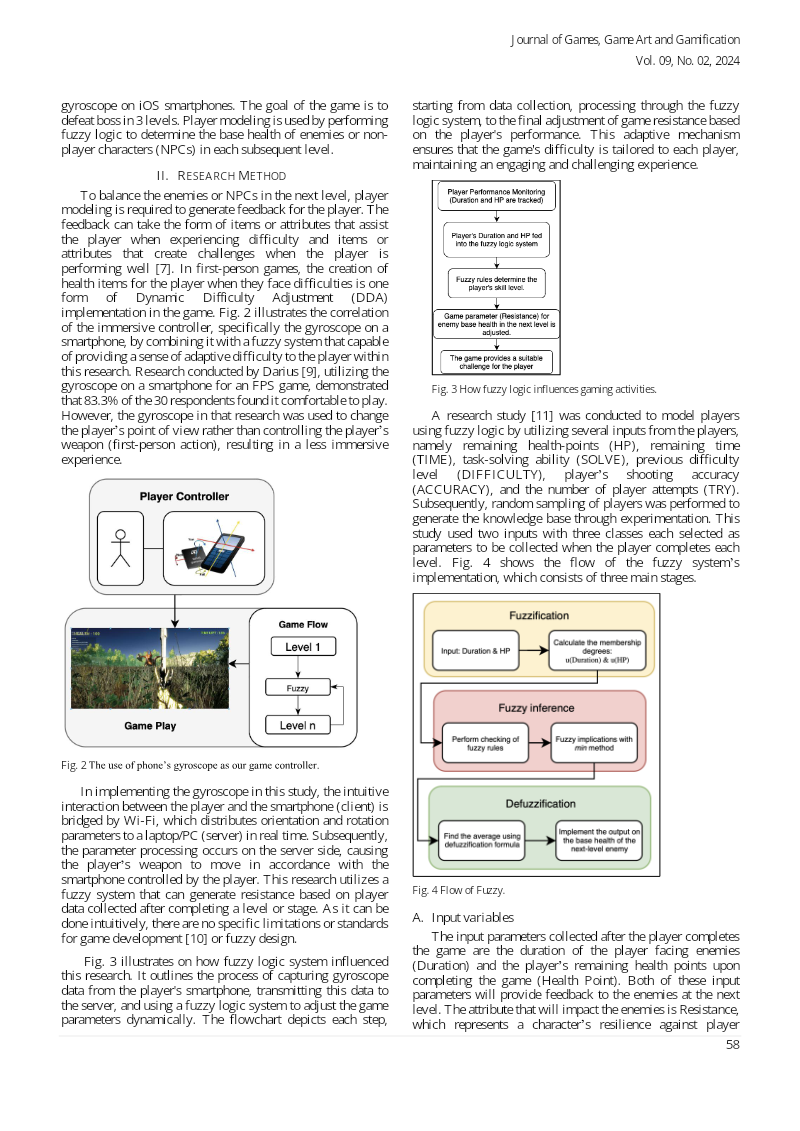
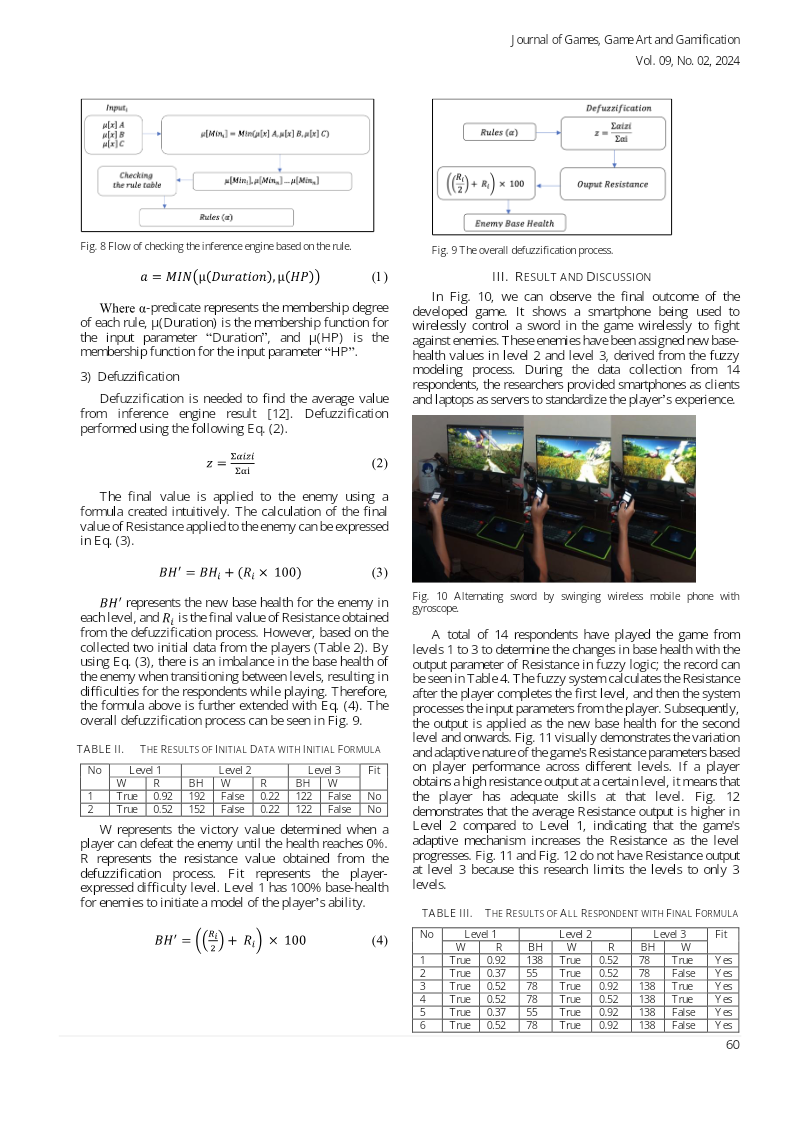
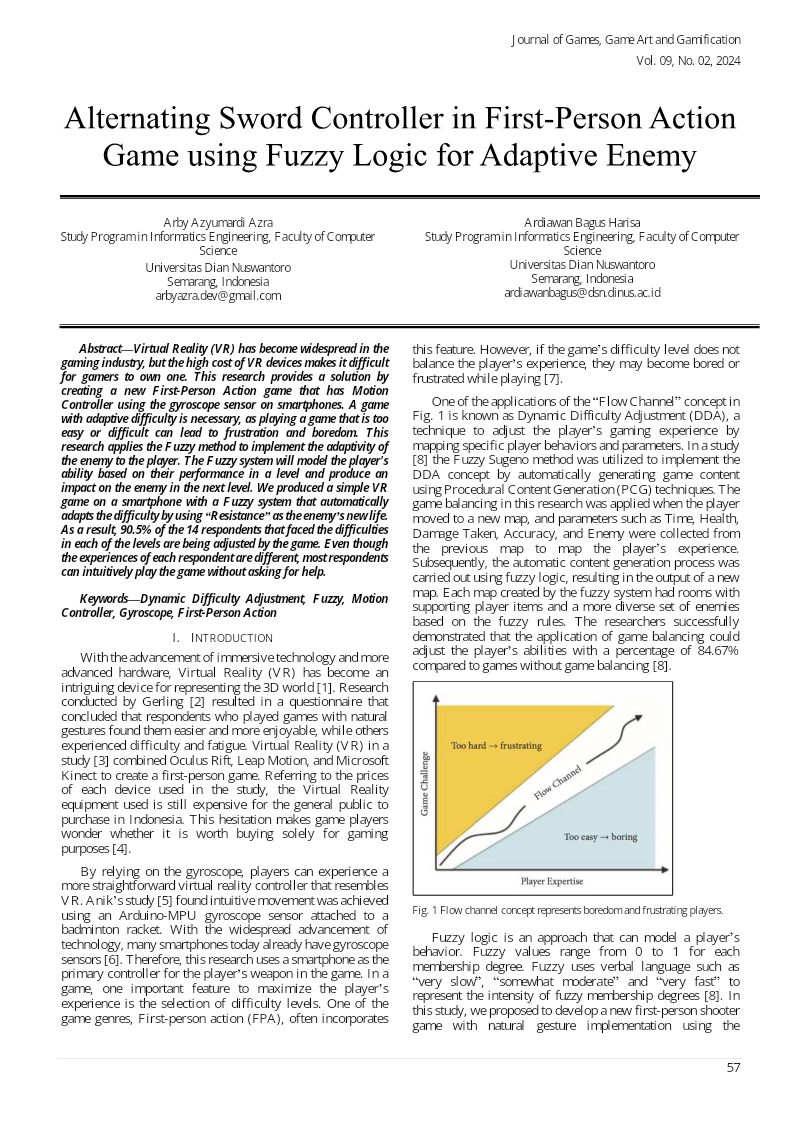
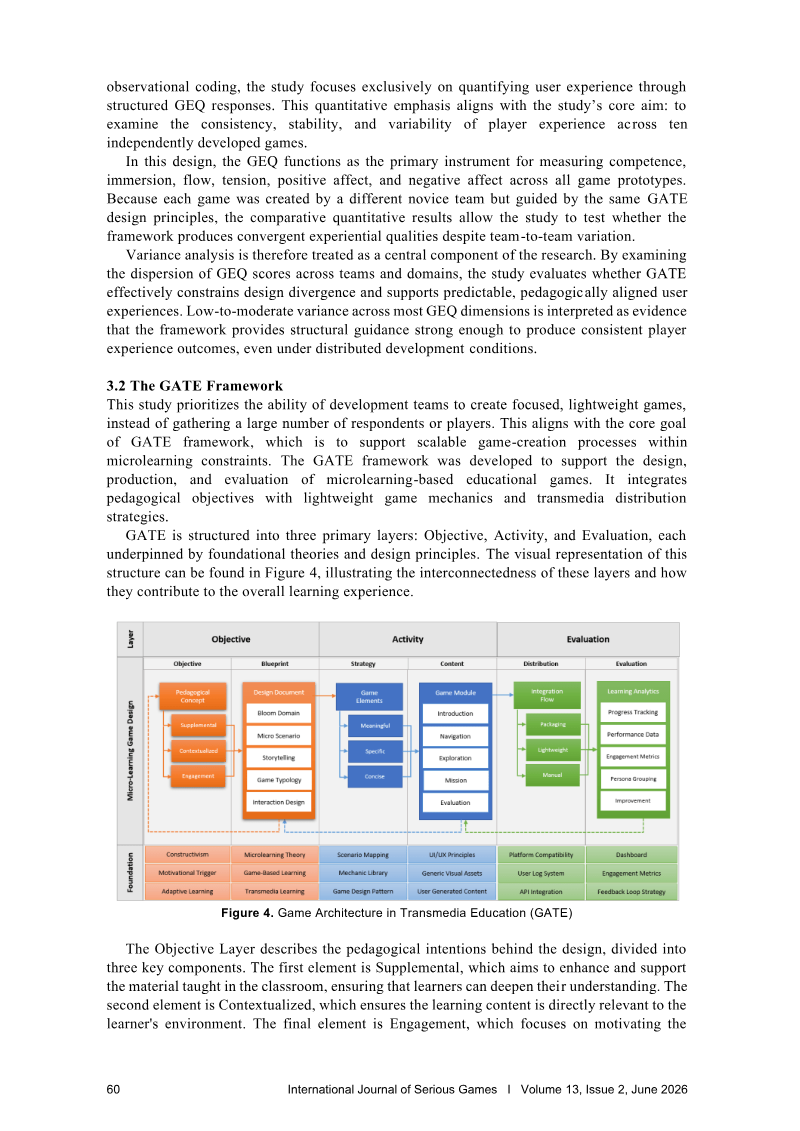
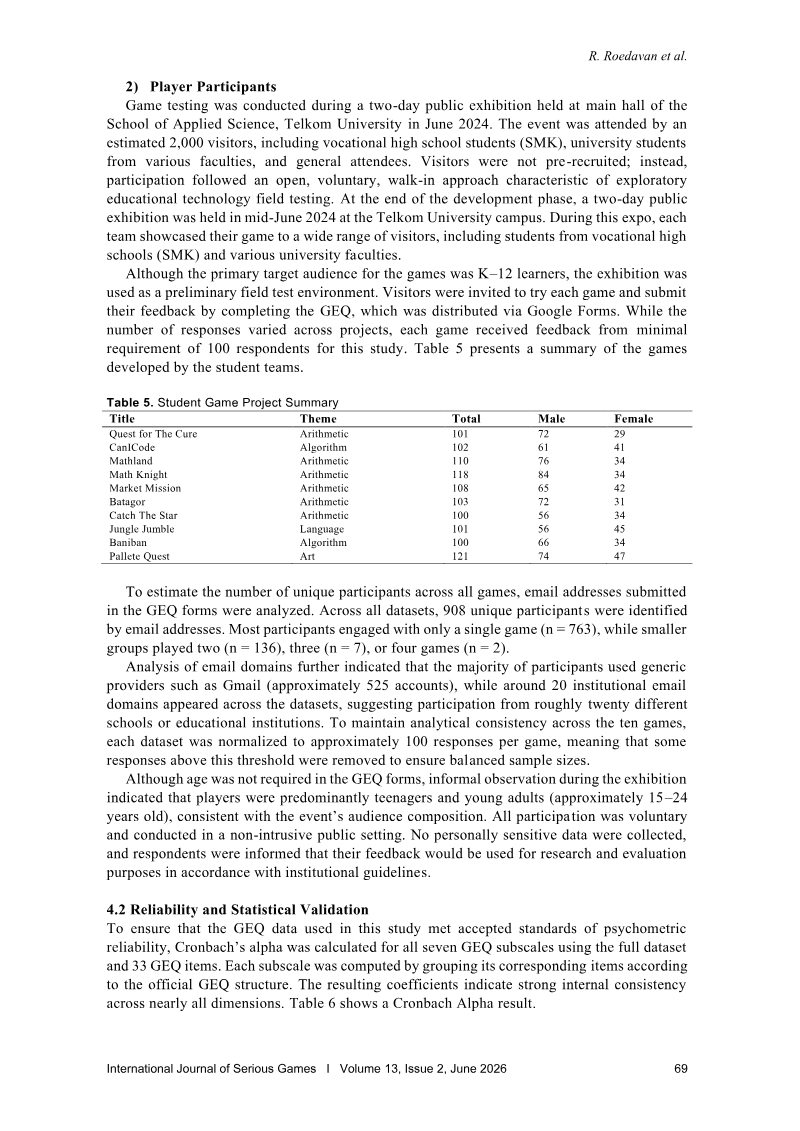
This study explores the integration of Appreciative Learning into the design of reward systems for educational games, aiming to enhance player immersion and learning outcomes. The research addresses the common issue of monotonous or predictable reward structures in serious games, which often fail to sustain engagement. By utilizing a framework based on four stages—Discovery, Dream, Design, and Destiny—the authors propose a model that leverages artificial intelligence, specifically a Finite State Machine, to provide dynamic, personalized feedback that aligns with sensory, imaginative, and challenge-based immersion.
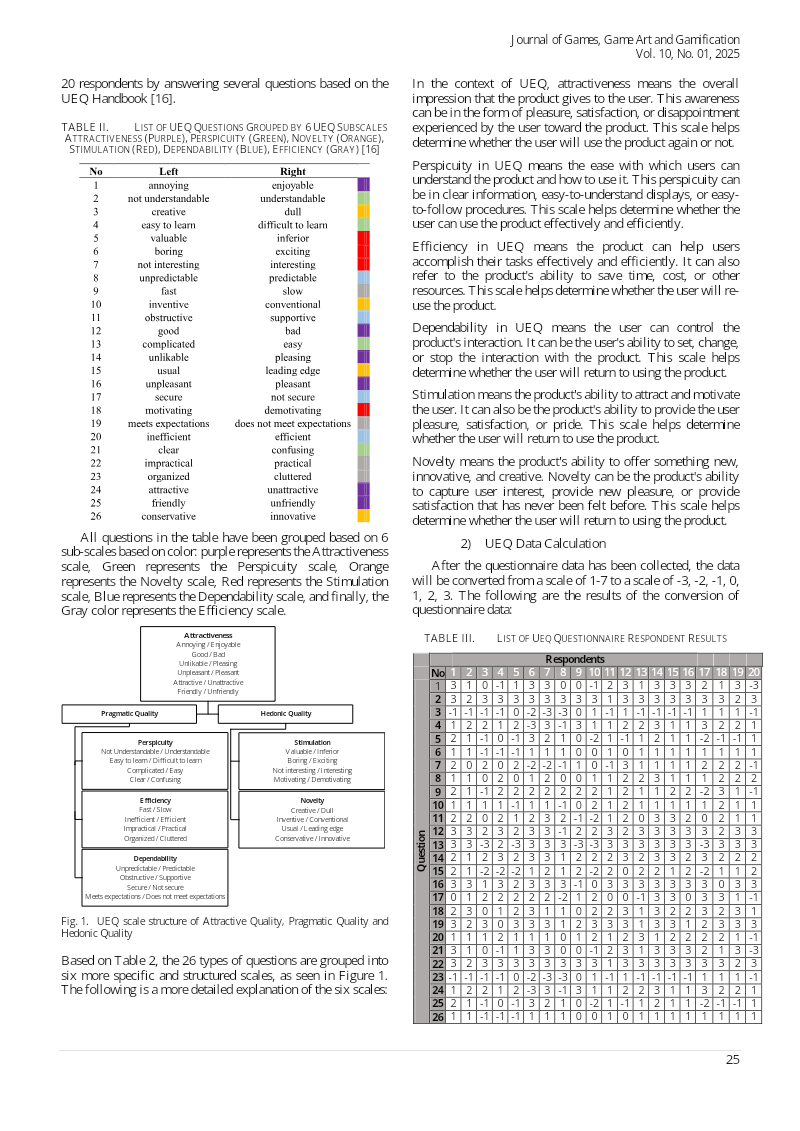
The methodology involved developing a prototype Role-Playing Game focused on entrepreneurship education. The reward system was designed to adapt to player actions, transitioning through the four Appreciative Learning stages to maintain interest and reinforce cognitive content. To evaluate the effectiveness of this model, the researchers conducted qualitative interviews with a sample group consisting of experienced gamers, non-gamers, and teachers. The assessment utilized a modified Game Experience Questionnaire to measure user engagement and emotional response to the game’s mechanics.
Findings indicate that the model successfully fosters immersion across different user demographics. Non-gamers reported high levels of engagement and motivation, though they encountered a steeper learning curve. Experienced gamers appreciated the immersive elements but occasionally found certain mechanics predictable, while educators noted the potential for engagement while highlighting the need for tighter alignment between game activities and specific learning objectives. Ultimately, the study concludes that applying Appreciative Learning to reward design provides a robust, adaptable framework for creating serious games that effectively balance educational content with an immersive, rewarding gameplay experience.
Journal of Games, Game Art, and Gamification · 2024