Modern Times Group recorded a landmark fiscal year in 2008, delivering a 16 percent increase in net sales to SEK 13.2 billion and a 28 percent rise in underlying operating profit to SEK 2.6 billion, lifting the operating margin to 20 percent. Diluted earnings per share more than doubled to SEK 43.25, supporting a proposed cash dividend of SEK 5 per share, although the Class B share price fell sharply during the same period. The Group’s four core segments—Viasat Broadcasting, Radio, Online and Modern Studios—generated the bulk of the revenue and operating income, with external sales of SEK 13.2 billion and operating income of SEK 3.7 billion, both markedly higher than the prior year.
Governance structures were reinforced through the re‑election of most non‑executive directors and the addition of two new members, while the board’s remuneration and audit committees oversaw investment approvals, acquisitions and major programming spend. A noted breach of the corporate‑governance code involved the appointment of a committee chair, prompting heightened oversight. The report also highlighted a suite of operational risks, including the continual need for attractive programming, limited control over associated companies, reliance on satellite and third‑party cable networks, and challenges in attracting and retaining skilled personnel.
Financial reporting adhered to IFRS, employing the purchase method for consolidation and rigorous impairment testing of tangible and intangible assets. Financial assets were classified as available‑for‑sale, with foreign‑exchange exposure hedged via forward contracts under IAS 39. Cash‑flow analysis revealed a substantial non‑operating adjustment of –SEK 1,009 million, offset by a one‑off divestment gain of SEK 1,905 million and a corresponding cash influx of SEK 1,948
Modern Times Group · 2026
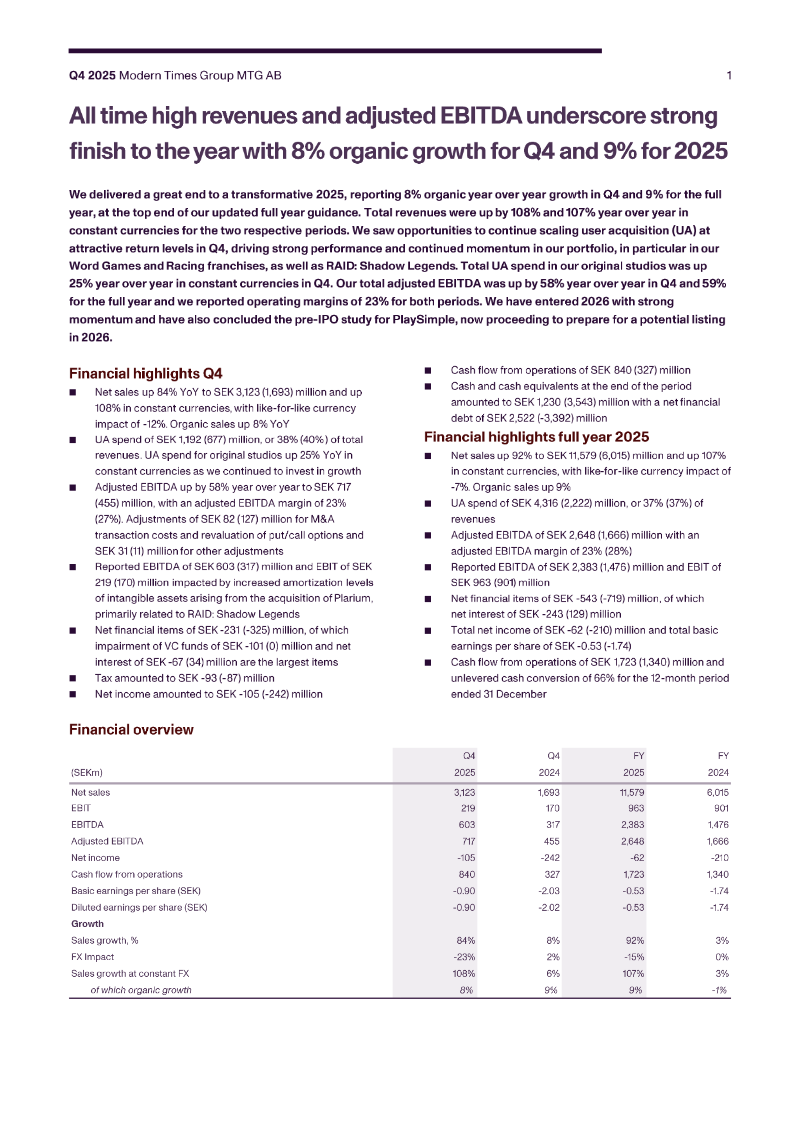
Modern Times Group · 2026
Bandai Namco · 2026
Modern Times Group · 2025
Modern Times Group · 2025

Modern Times Group · 2025
Bandai Namco · 2025
Bandai Namco · 2024
Bandai Namco · 2024
Bandai Namco · 2023
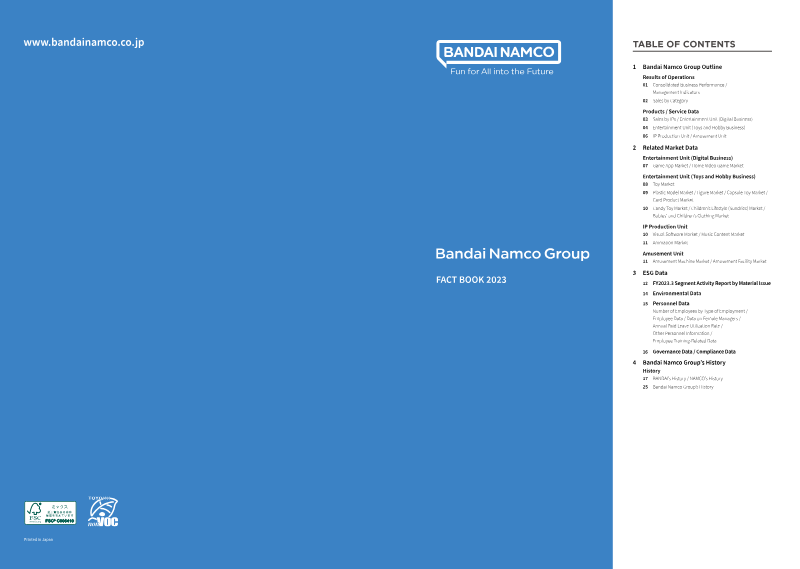
Bandai Namco · 2023
Modern Times Group · 2023
Thunderful · 2025
Stillfront · 2022
Modern Times Group · 2014
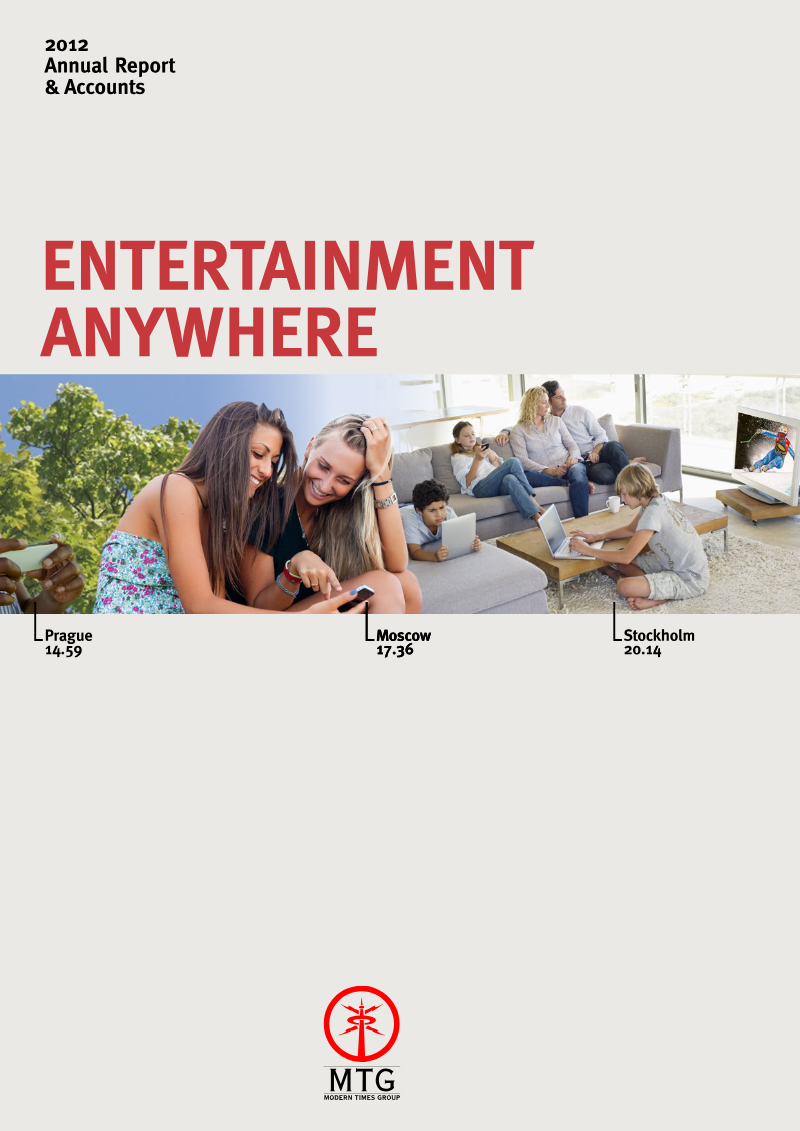
Modern Times Group · 2012
Modern Times Group · 2011
Aream & Co · 2026
Drake Star Partners · 2026
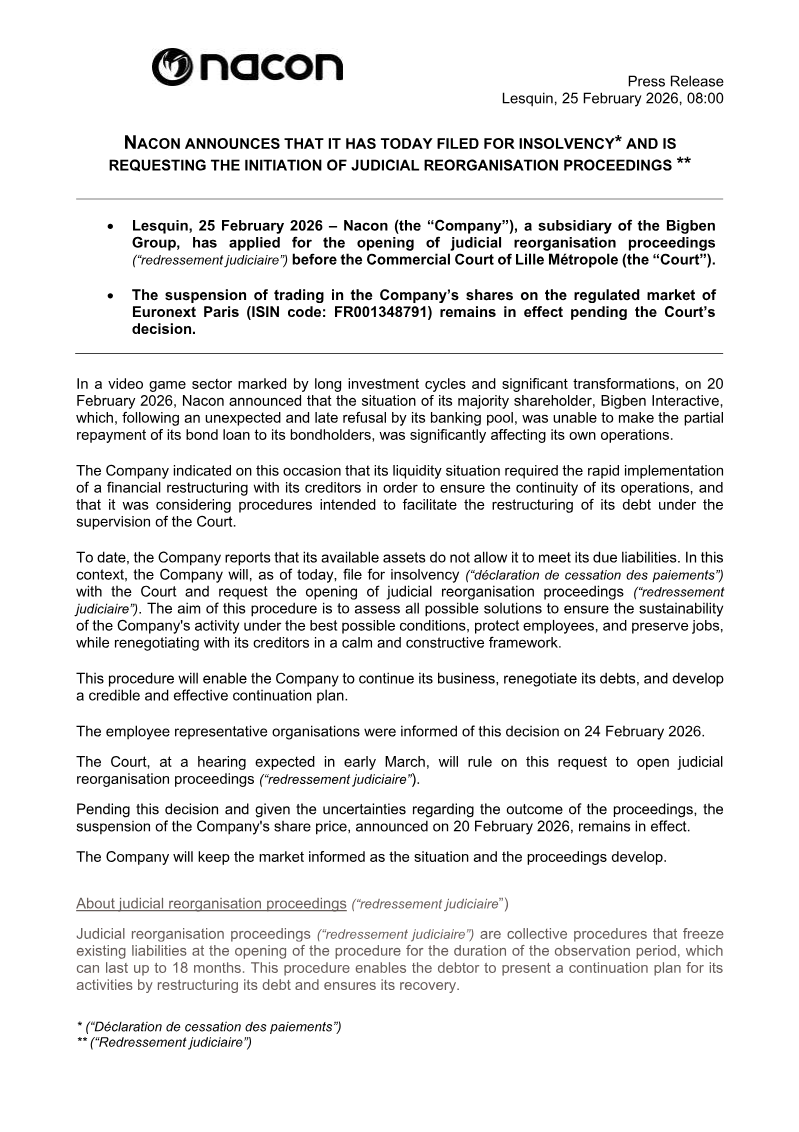
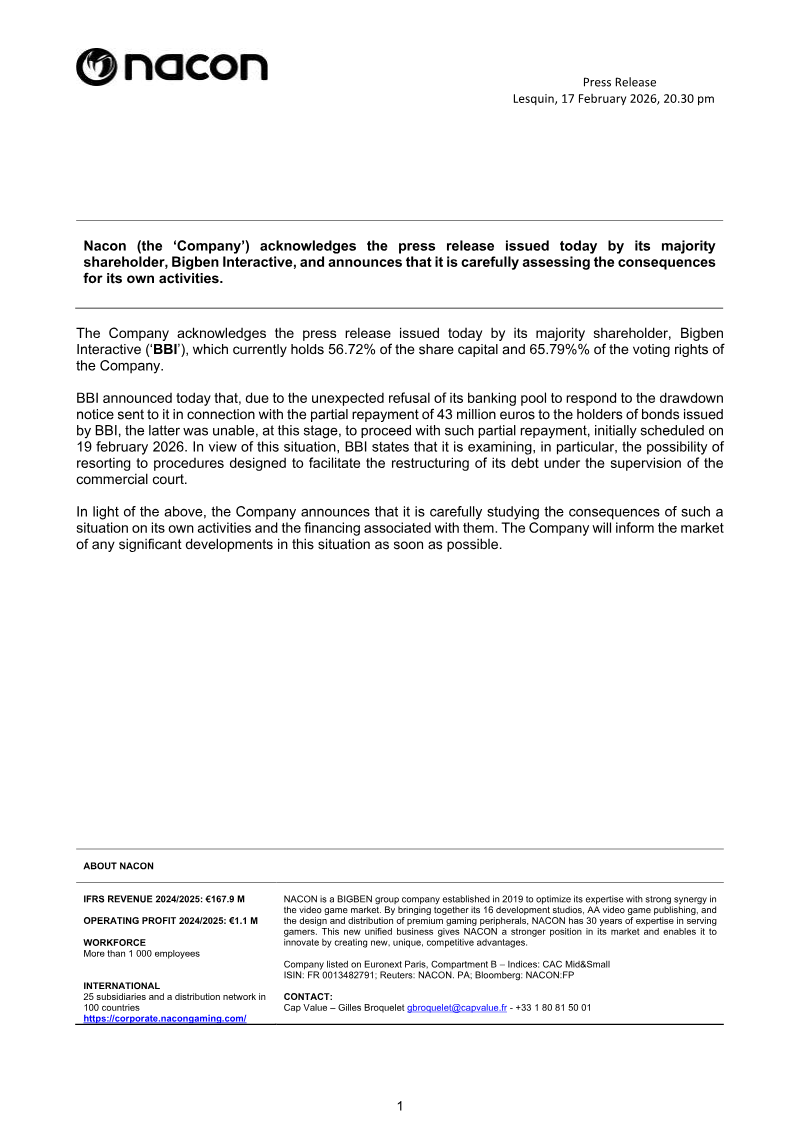
Nacon · 2026
Nacon · 2026
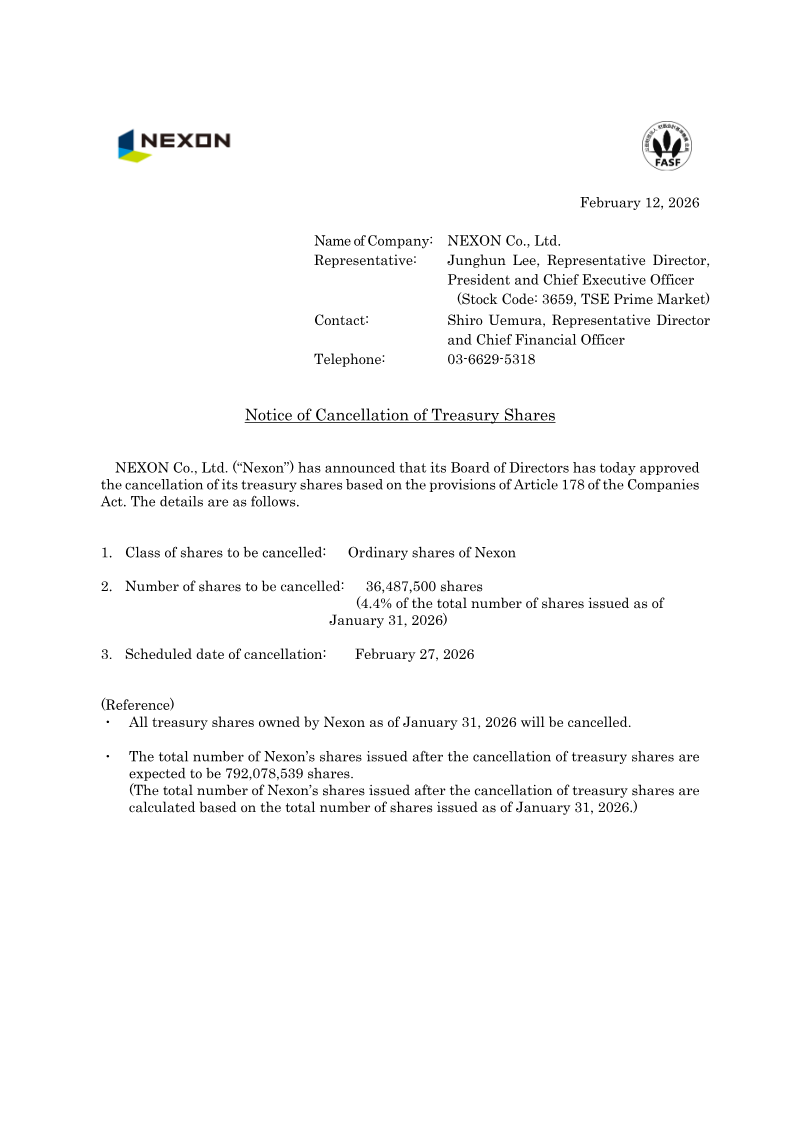
NEXON Co. · 2026
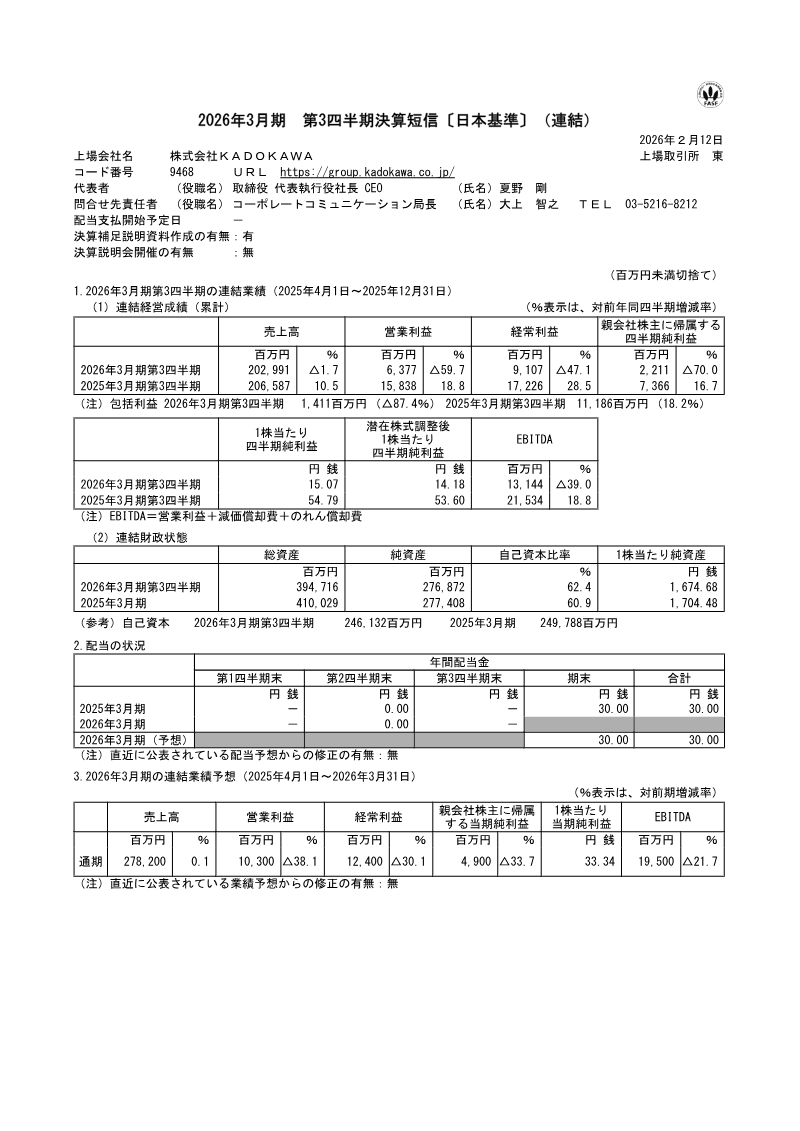
Kadokawa Corporation · 2026
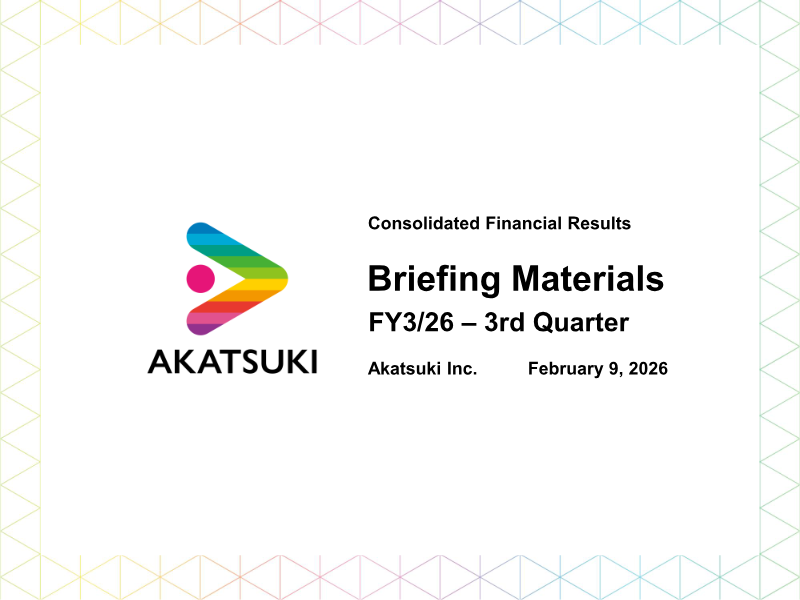
Akatsuki · 2026