More on Player Behavior
View all
Whitepaper
Evaluating the Onboarding Phase of Free-to-Play Mobile Games: A Mixed-Method Approach
Association for Computing Machinery · 2017
Whitepaper
Dragon Slayer Becomes the Dragon: How Players Perceive and Respond to Inequality in Whiteout Survival
City University of Hong Kong · 2026

PocketGamer.biz
June’s Journey and the UX secrets behind a $1bn hidden object hit
PocketGamer.biz · 2026
Whitepaper
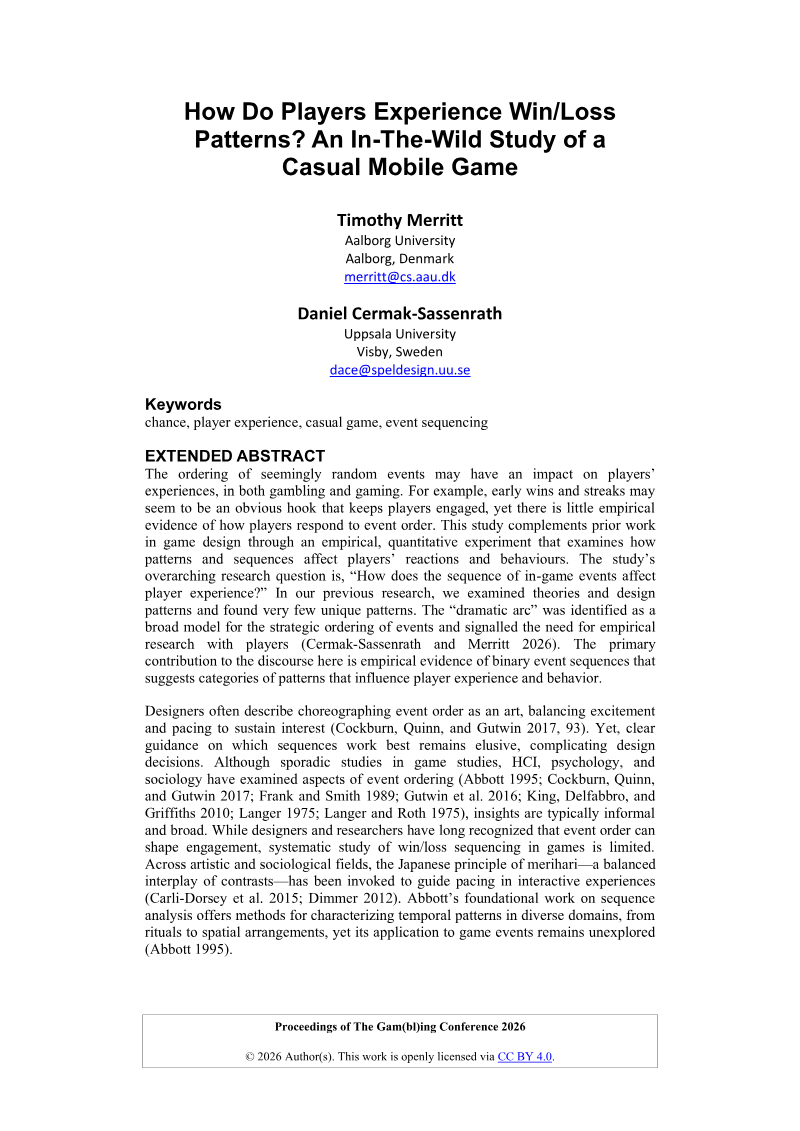
How Do Players Experience Win/Loss Patterns? An In-The-Wild Study of a Casual Mobile Game
DiGRA · 2026
Report
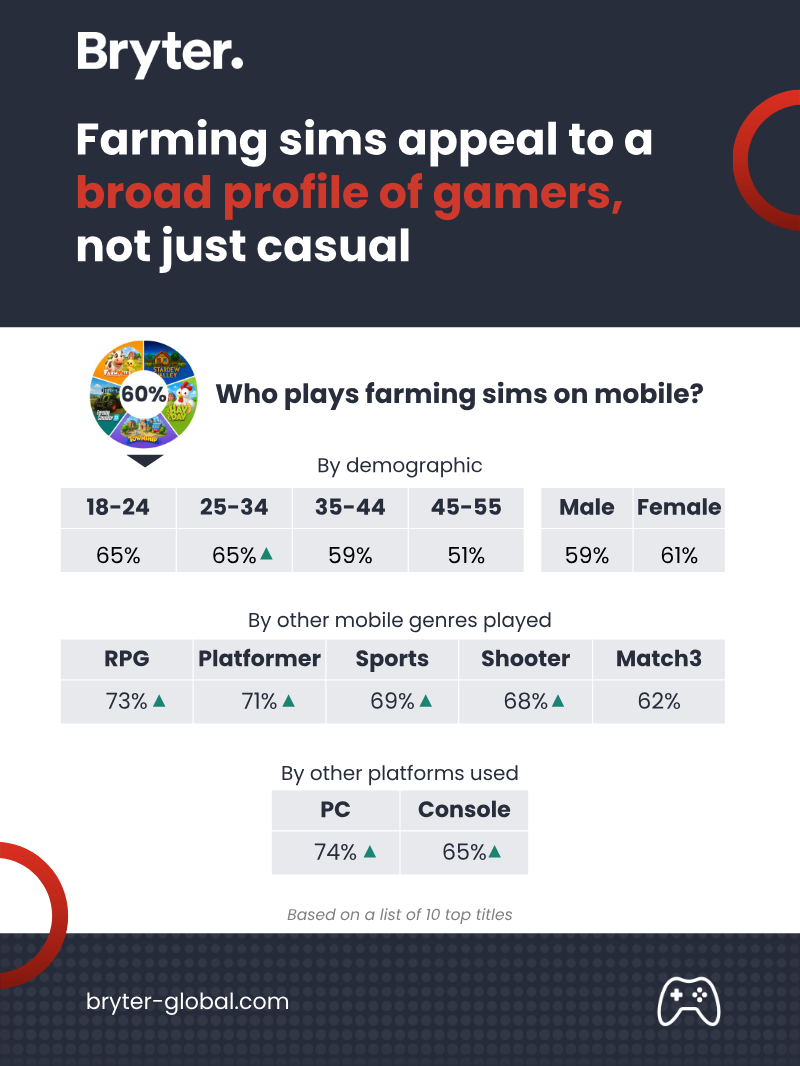
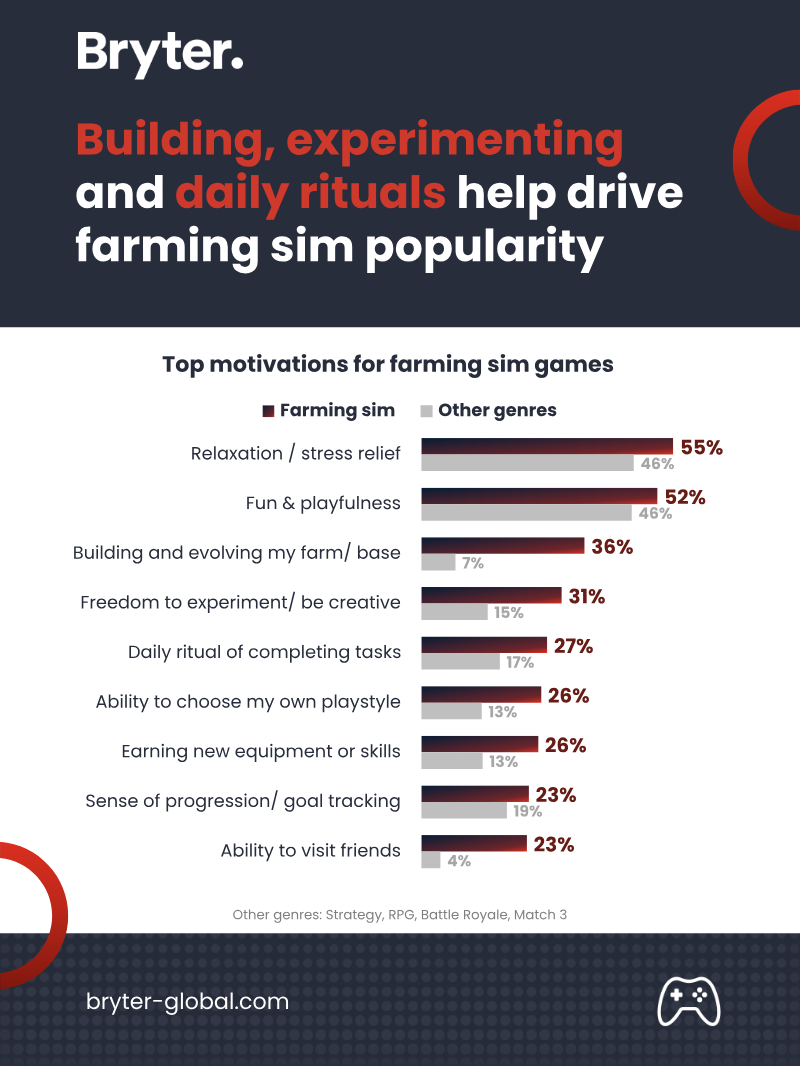
Farming Sims: Cultivating Long-term Engagement
Bryter · 2026
Report
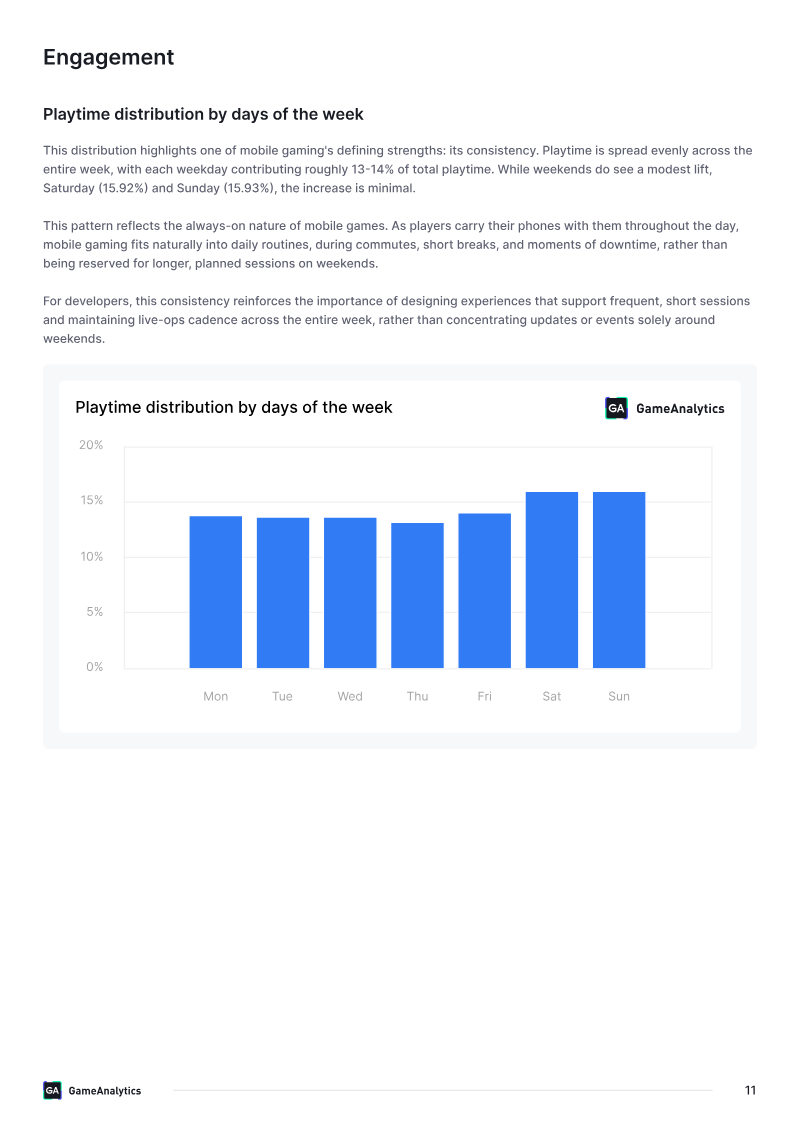
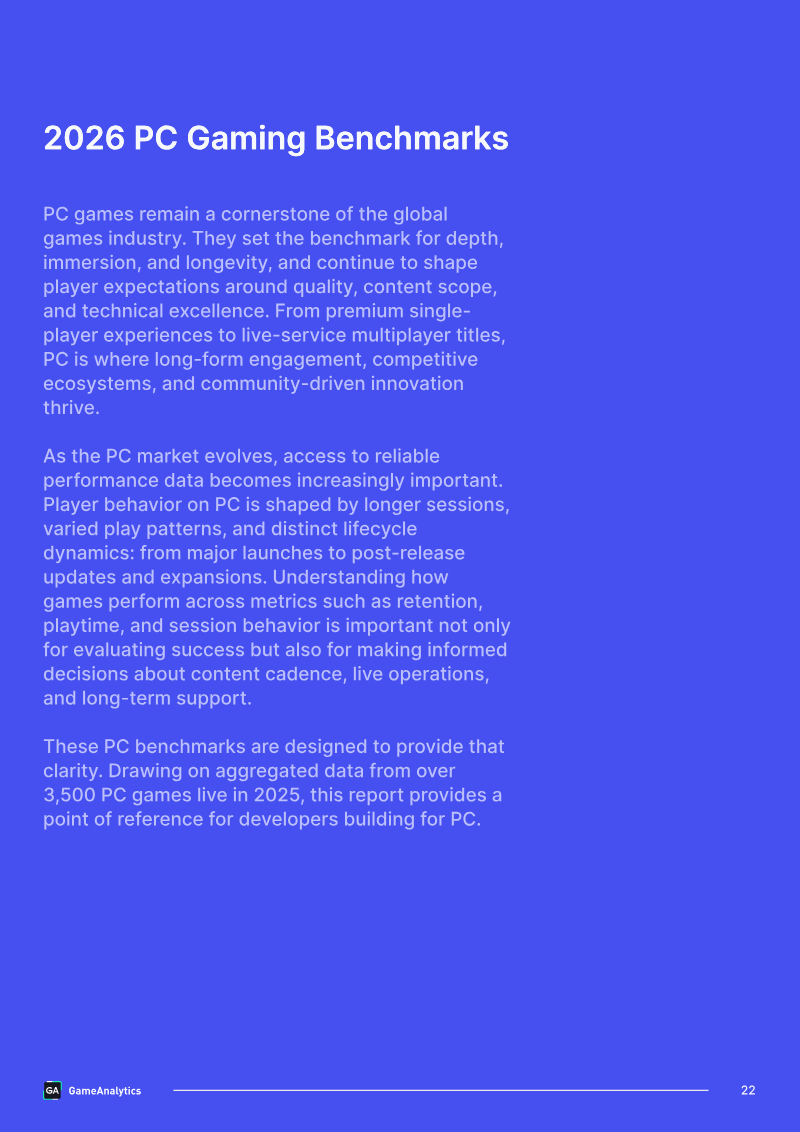
2026 Mobile & PC Gaming Benchmarks
GameAnalytics · 2026
Whitepaper
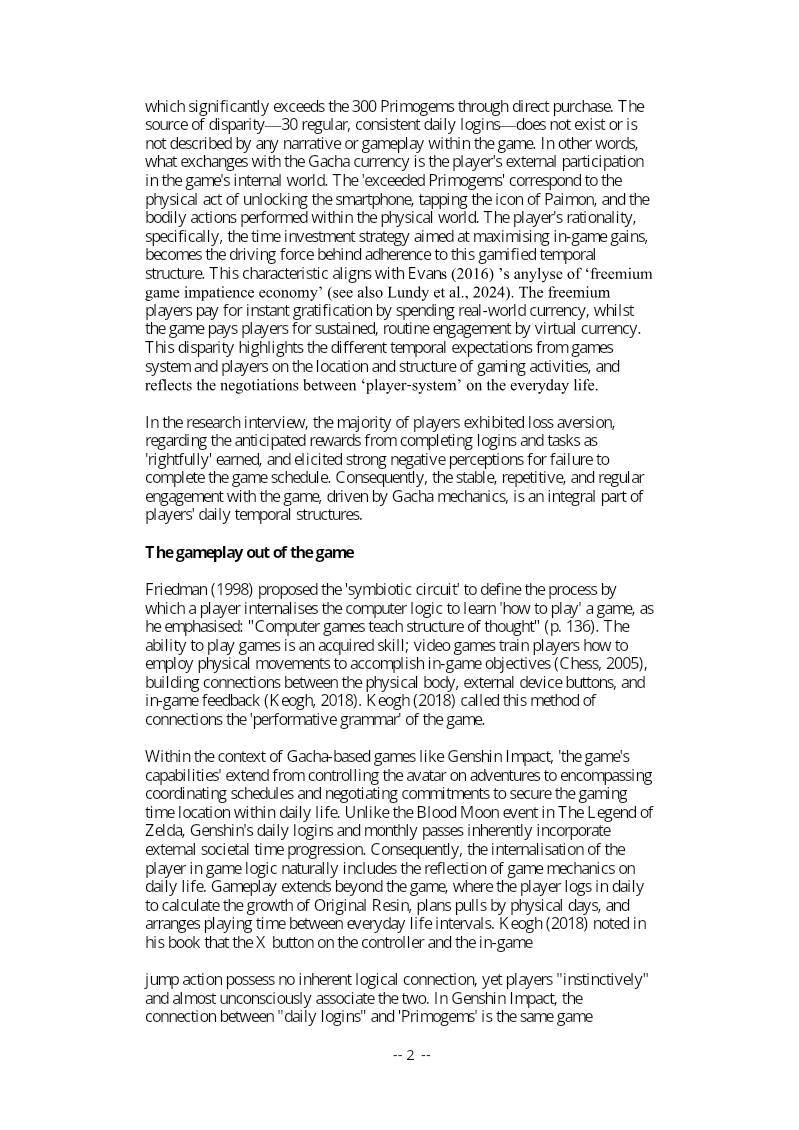
Gameplay Beyond the Game: The Temporal Structures in Gacha Game Participation
DiGRA · 2026

Whitepaper
Leaving Teyvat: Gendered Expectations and Exit Discourses
National Coalition of Independent Scholars · 2026
Whitepaper
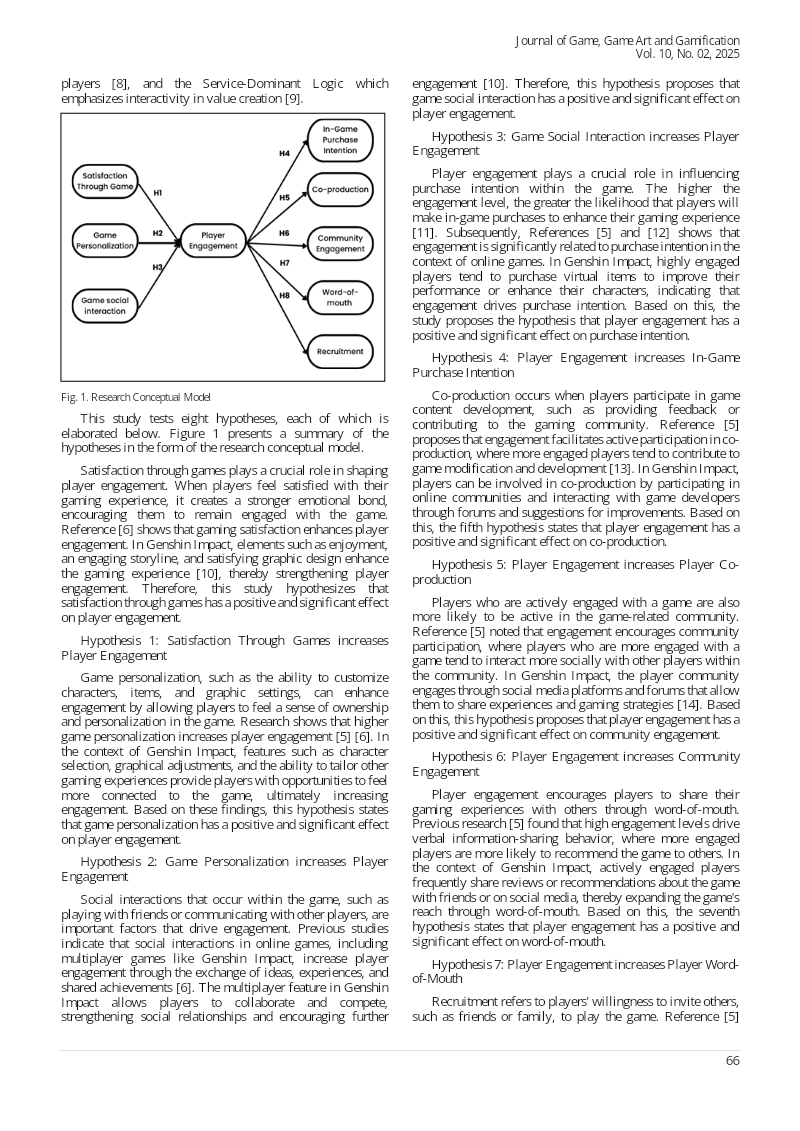
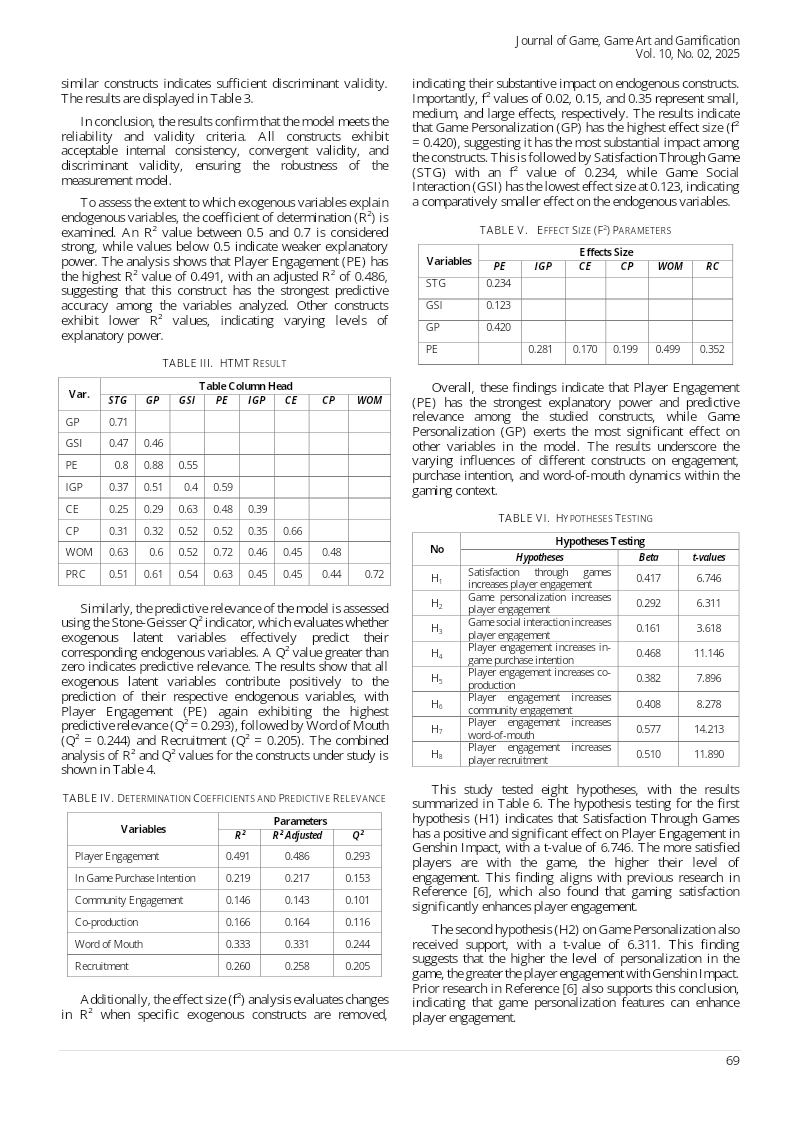
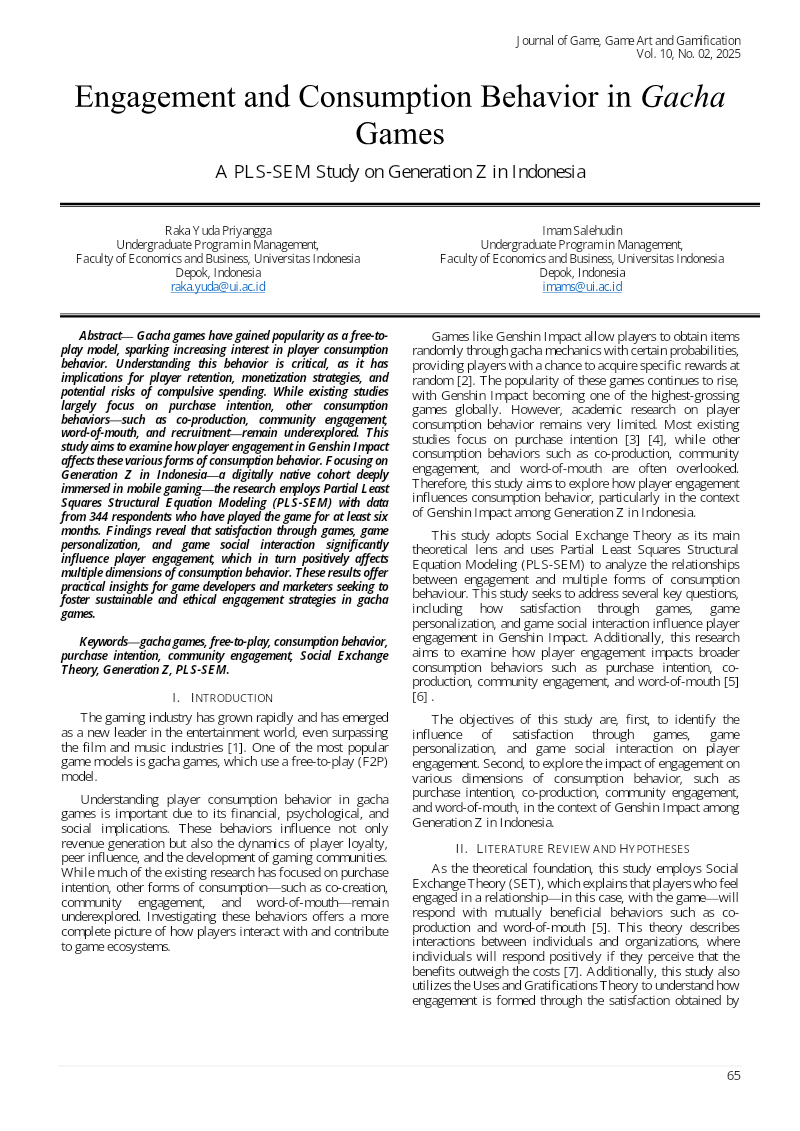
Engagement and Consumption Behavior in Gacha Games: A PLS-SEM Study on Generation Z in Indonesia
Universitas Indonesia · 2025
Deconstructor of Fun
Duolingo, Tinder, DraftKings: How Top Apps Got Gamified
Deconstructor of Fun · 2025
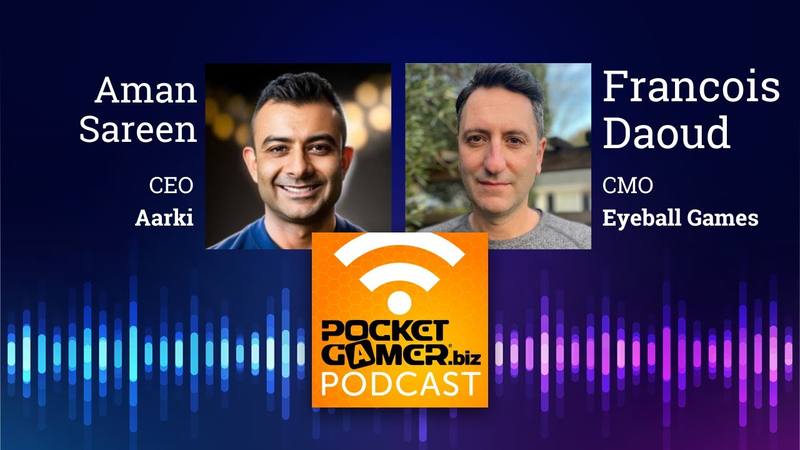
PocketGamer.biz
What Players Do Outside Your Game Will Grow Your ROAS
PocketGamer.biz · 2025
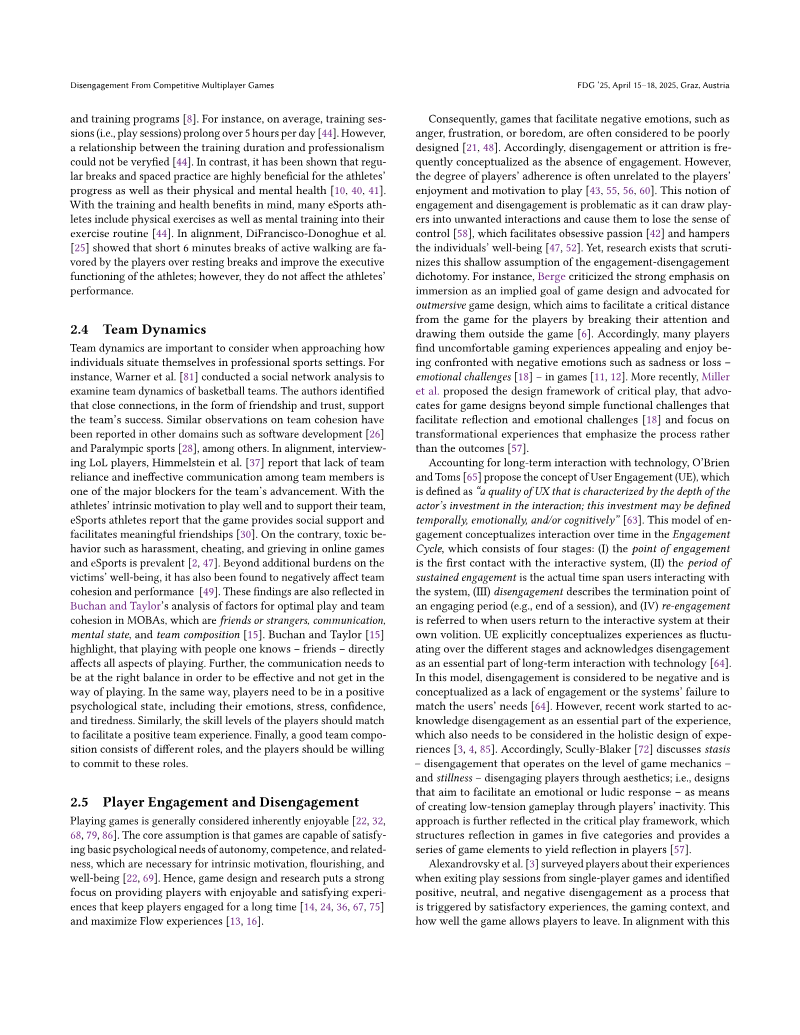
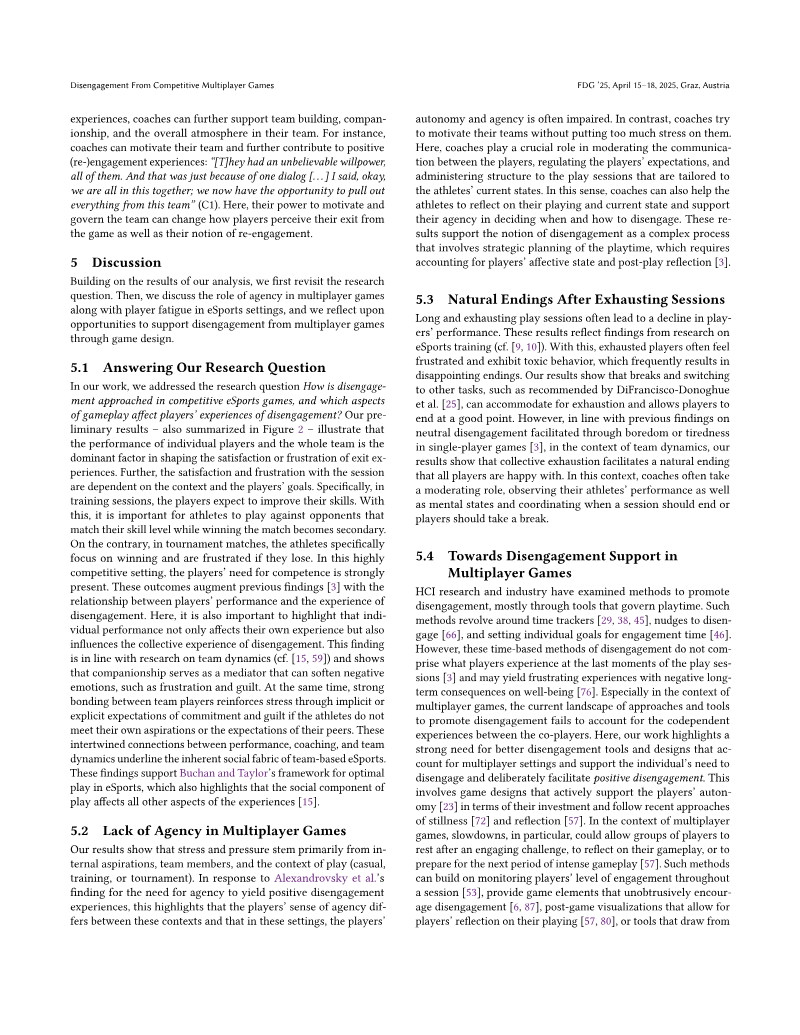
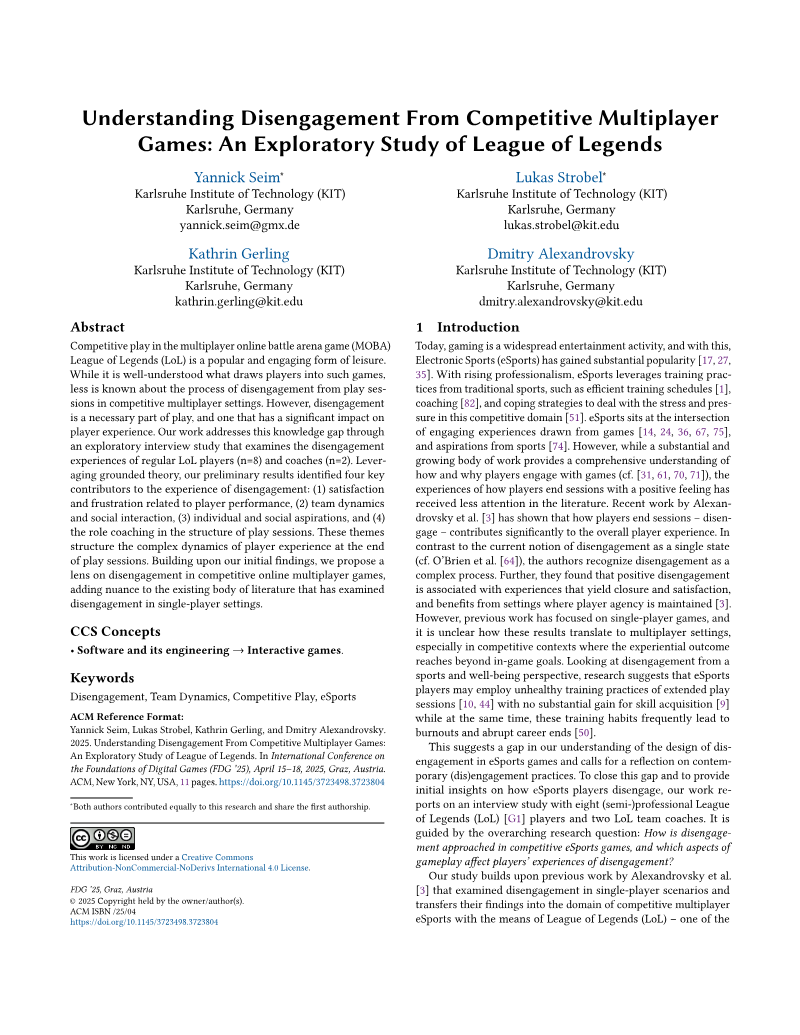
Whitepaper
Understanding Disengagement From Competitive Multiplayer Games: An Exploratory Study of League of Legends
Karlsruhe Institute of Technology · 2025