Key insights
4 slides
New perspective
Game design programs transform adolescents from passive consumers into active producers.
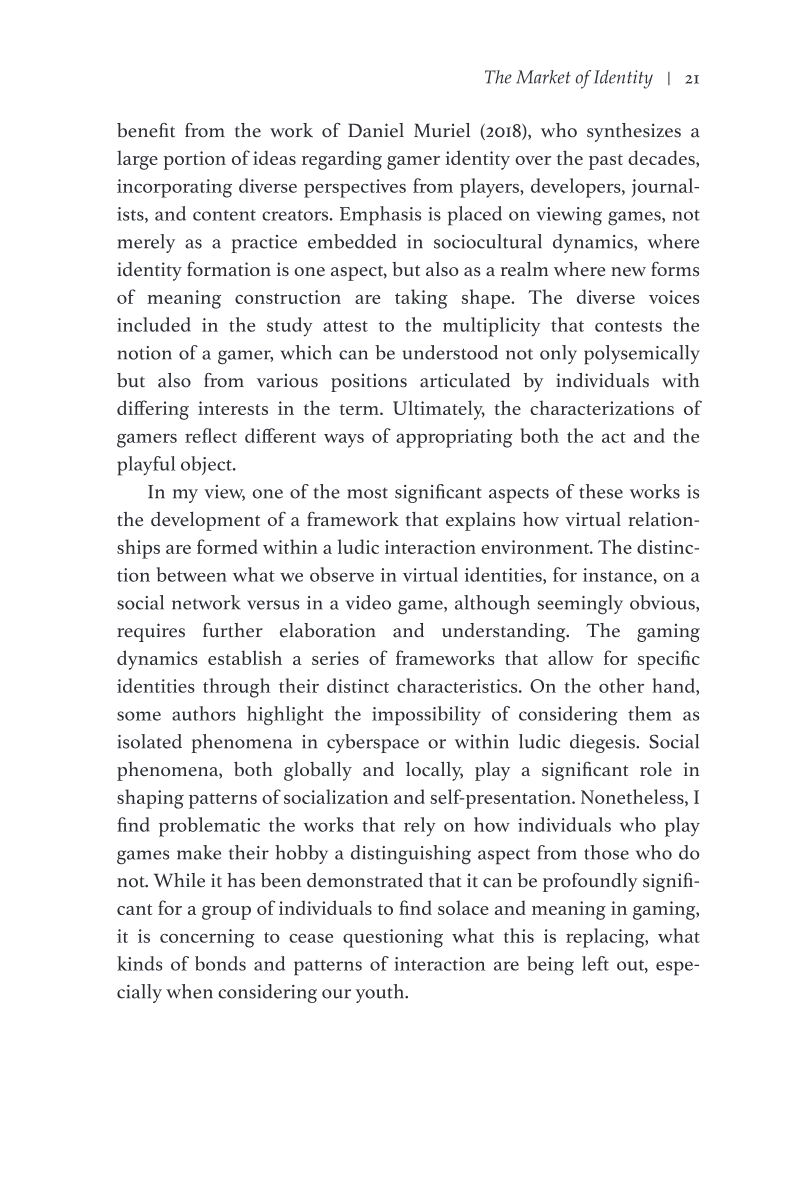
This shift fosters critical digital literacy by revealing games as complex, systemic objects. Students learn to perceive games as interconnected rules, narratives, and technologies.
1 / 4
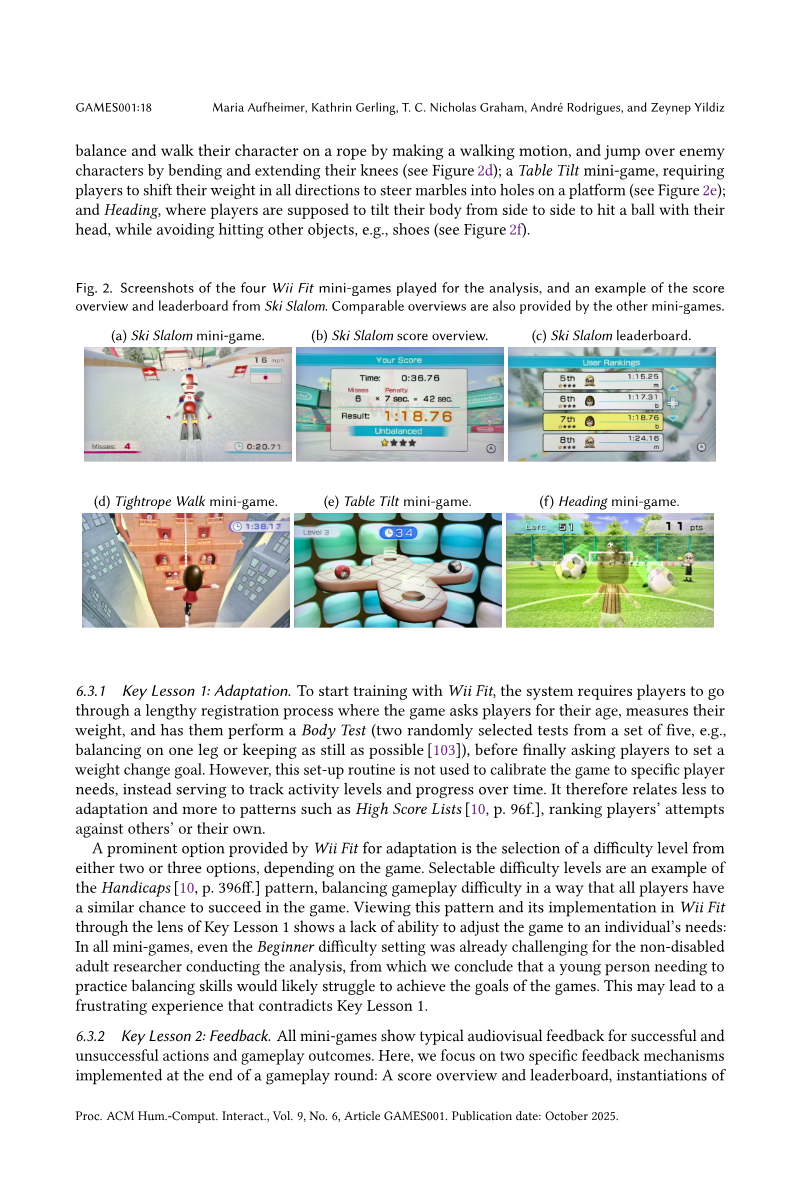
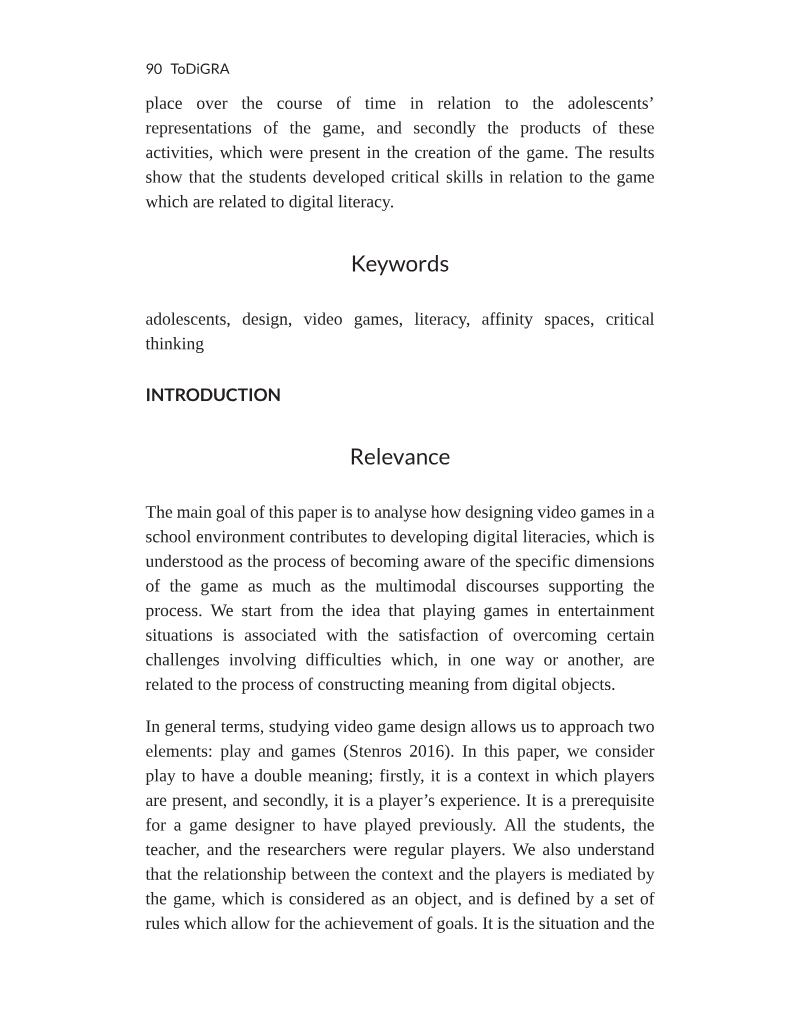
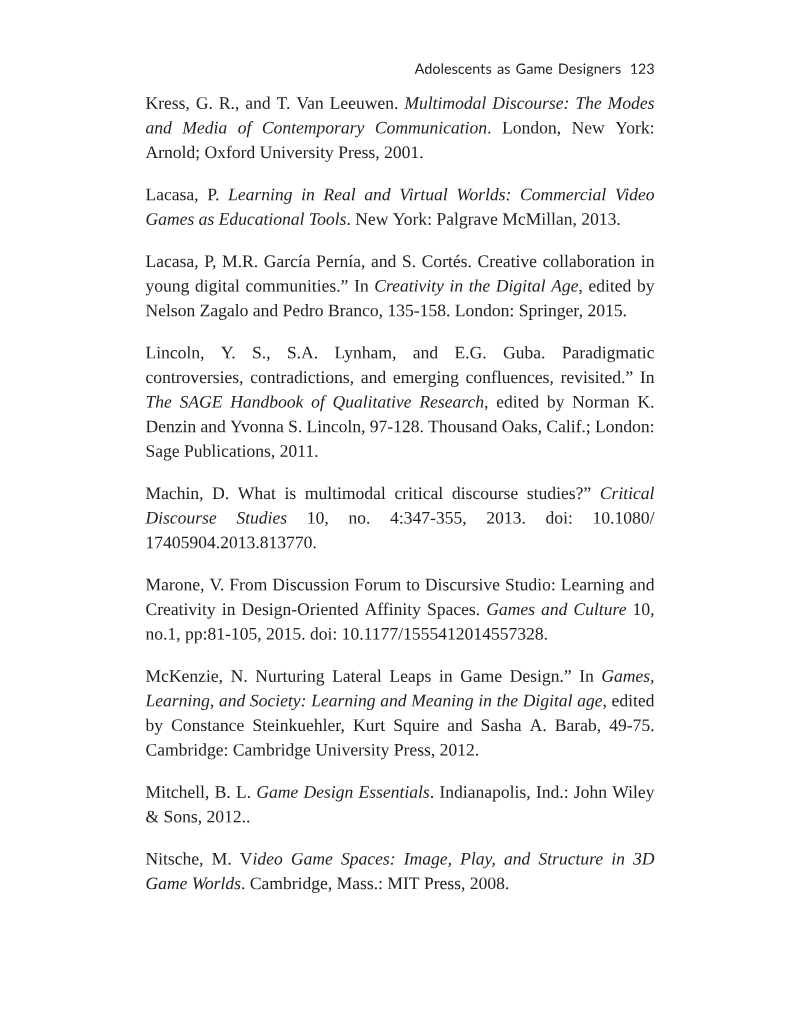
- 01Structured game design programs transform adolescents from passive consumers into active producers, fostering critical digital literacy by revealing games as complex, systemic objects.See it on page 2
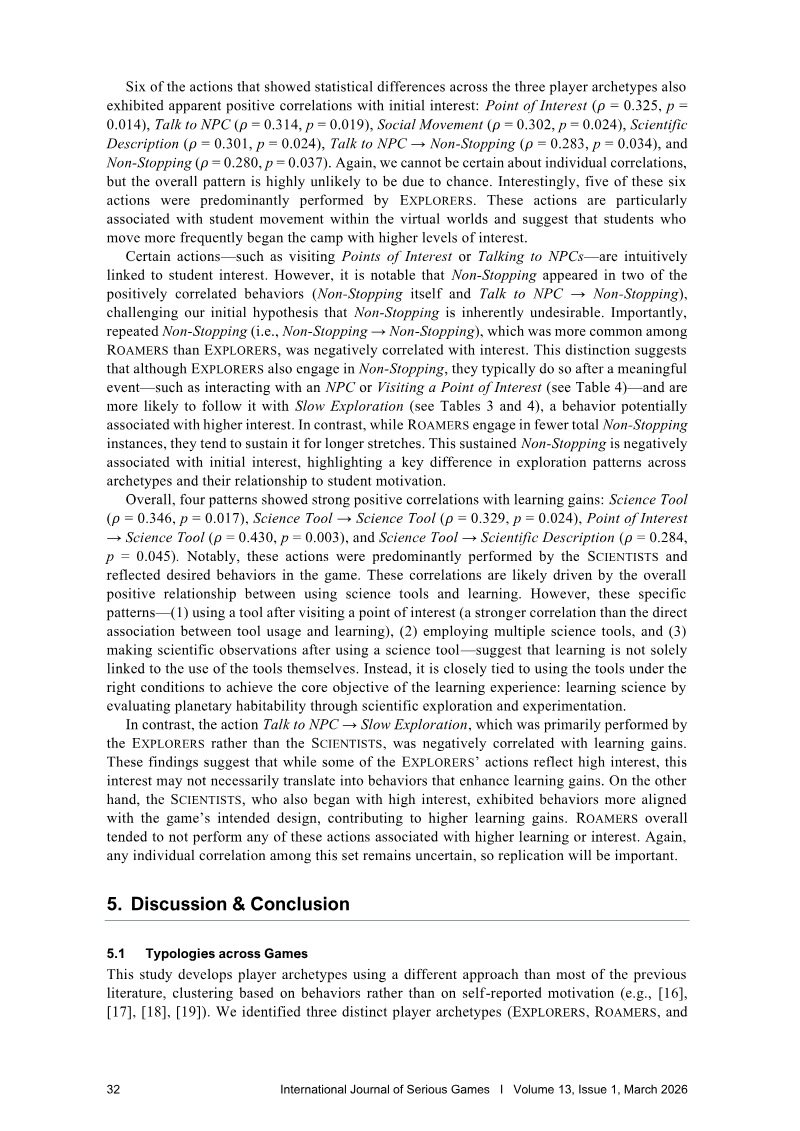
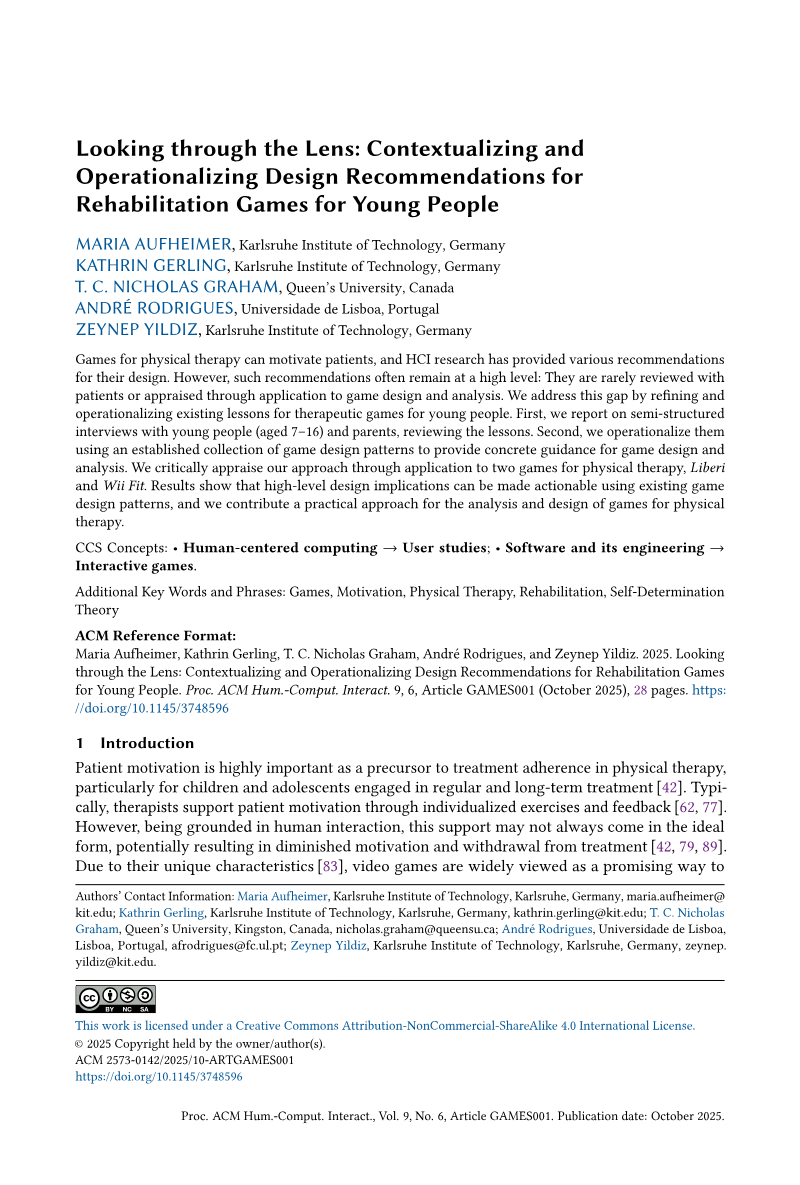
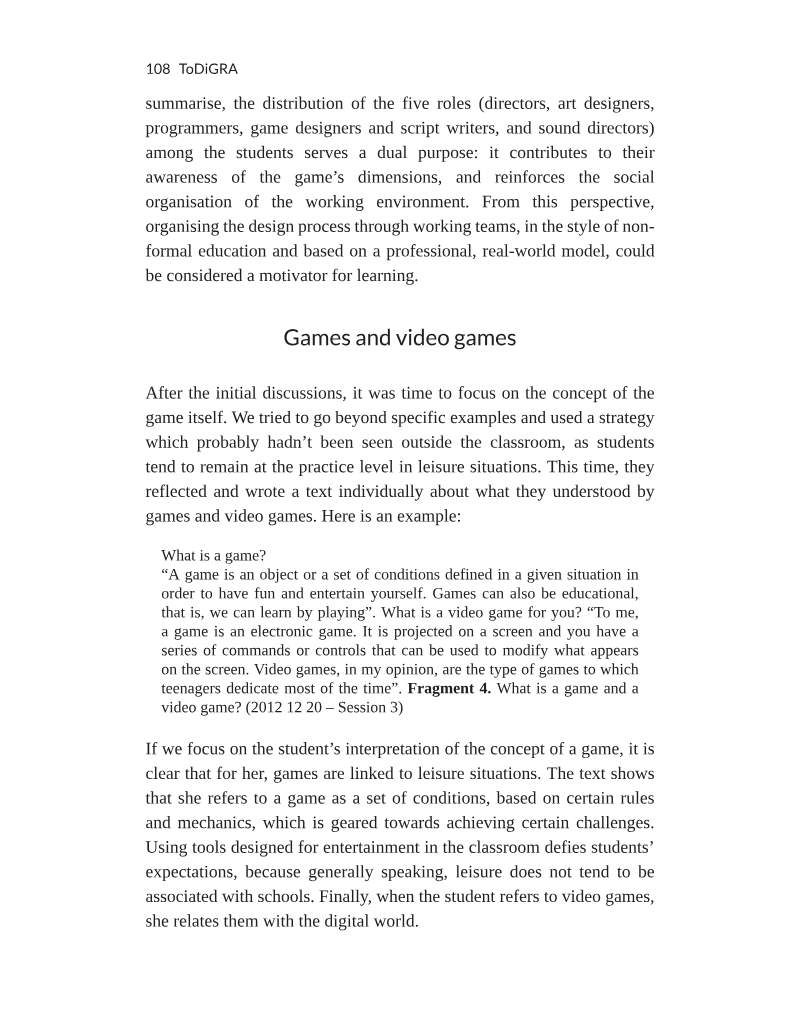
- 02Collaborative, role-based learning environments—where students adopt professional titles like director, programmer, or artist—effectively bridge the gap between technical skill acquisition and social design dynamics.See it on page 20
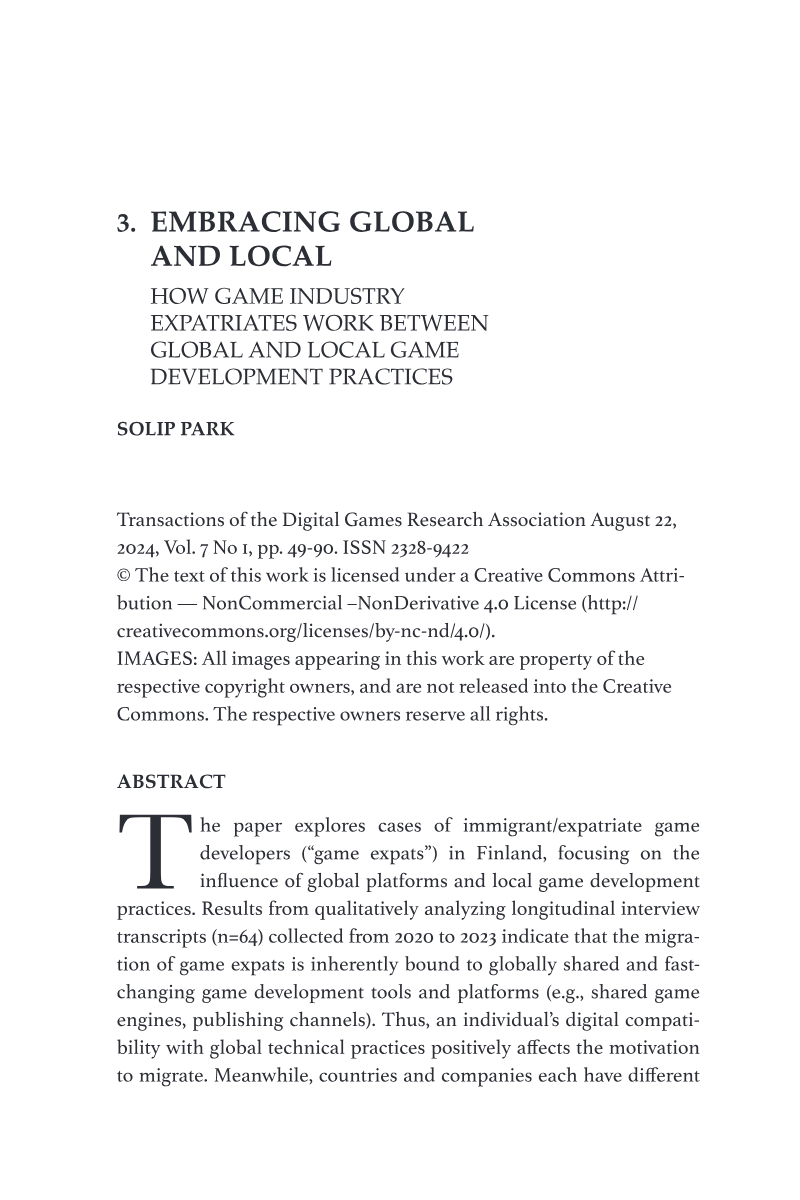
- 03The research, conducted via ethnographic and action-based methodologies with a cohort of twenty adolescents, demonstrates that a full development lifecycle approach—from conceptualization to technical implementation—is essential for mastery.See it on page 1
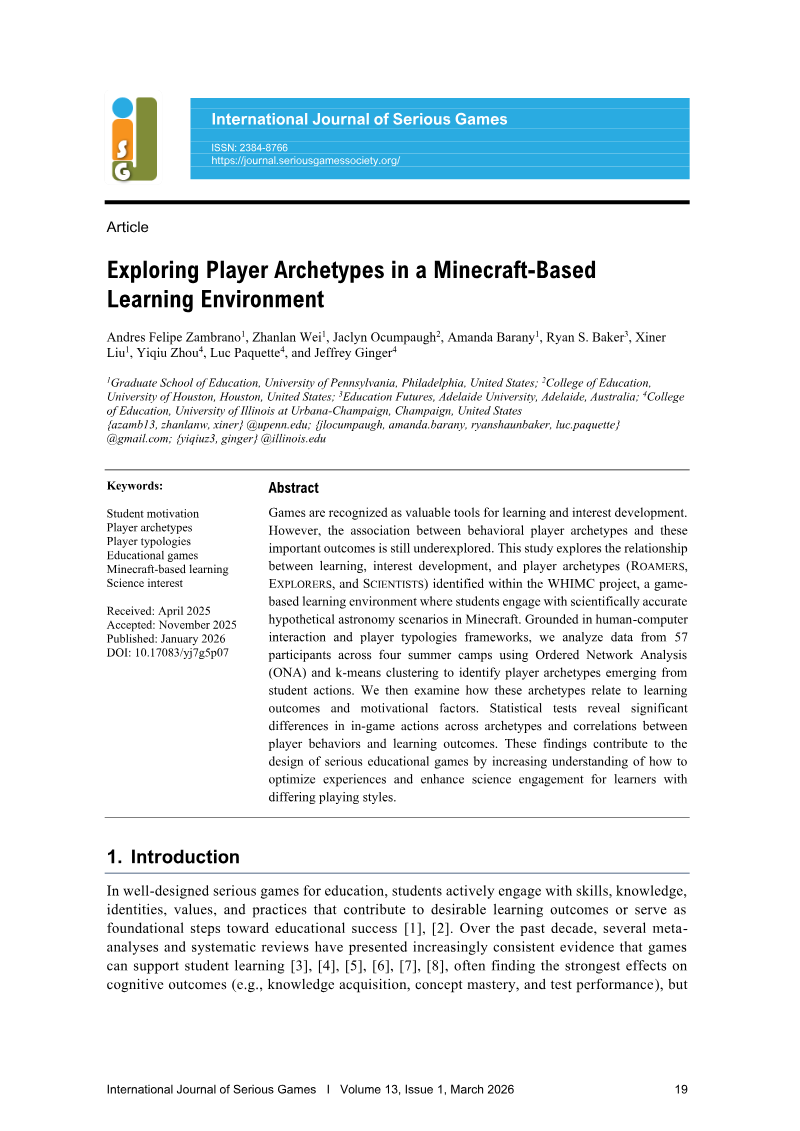
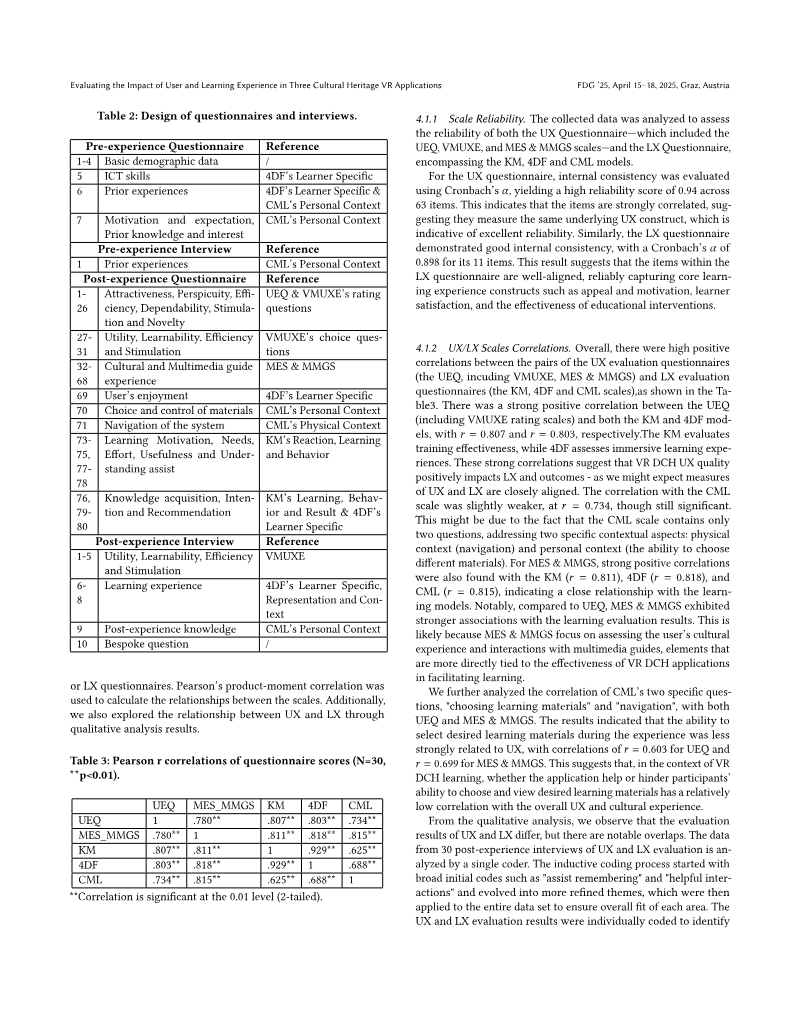
- 04Integrating game design into formal education encourages students to analyze and reconstruct digital environments, providing them with the multimodal discourse skills needed to navigate modern media.See it on page 35
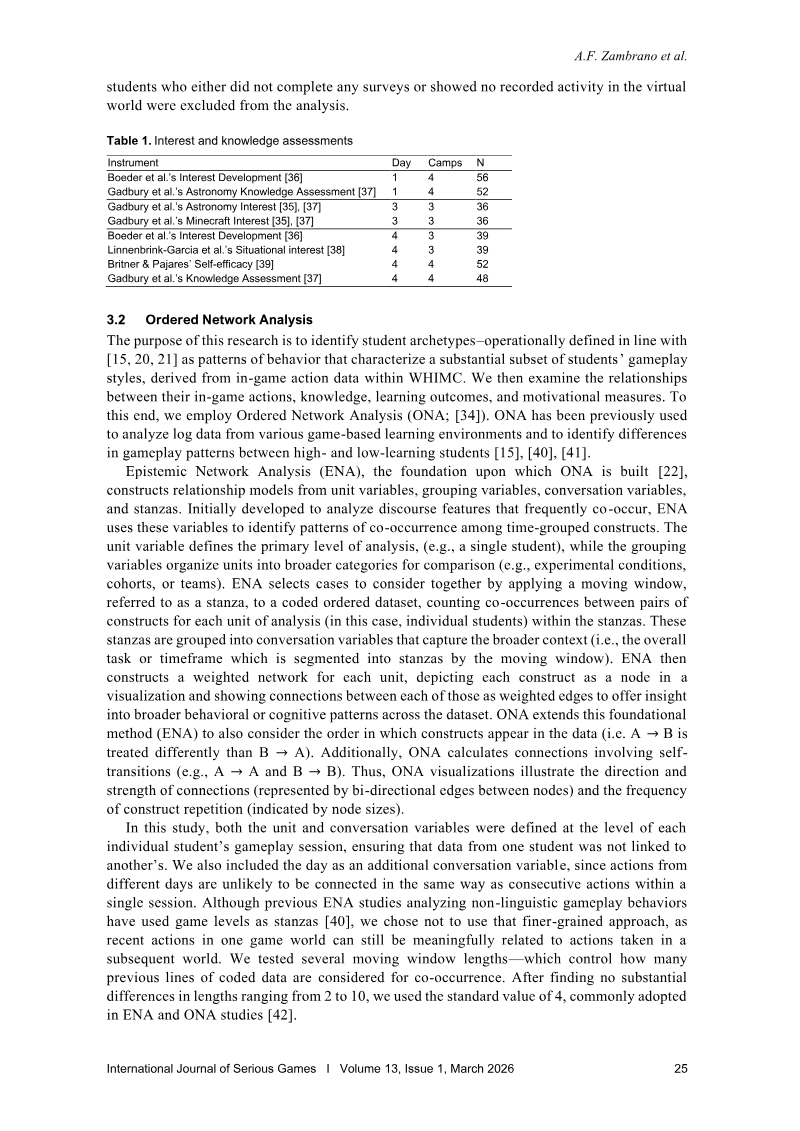
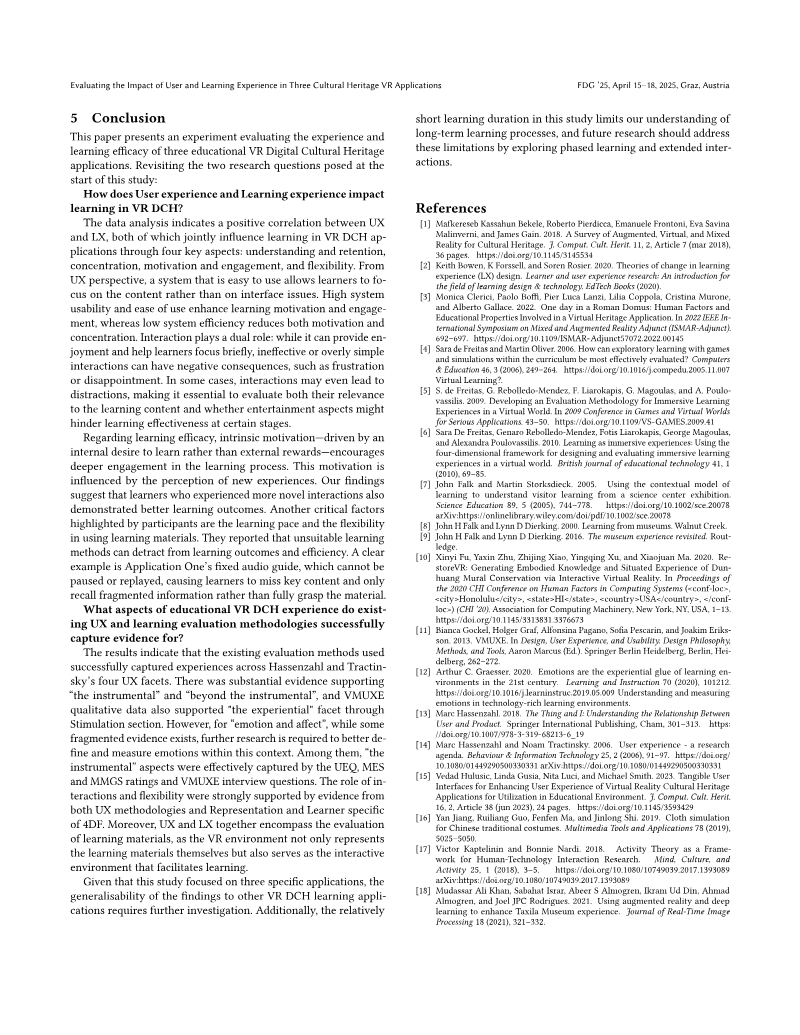
- 05Using professional-grade software like Game Maker within a team-based framework allows students to synthesize creative practice with academic inquiry.See it on page 13
- 06Grounding creative tasks in professional development frameworks prepares adolescents to function as informed, capable creators within technology-mediated social and technical architectures.See it on page 1
Ask AI about this report
Summary
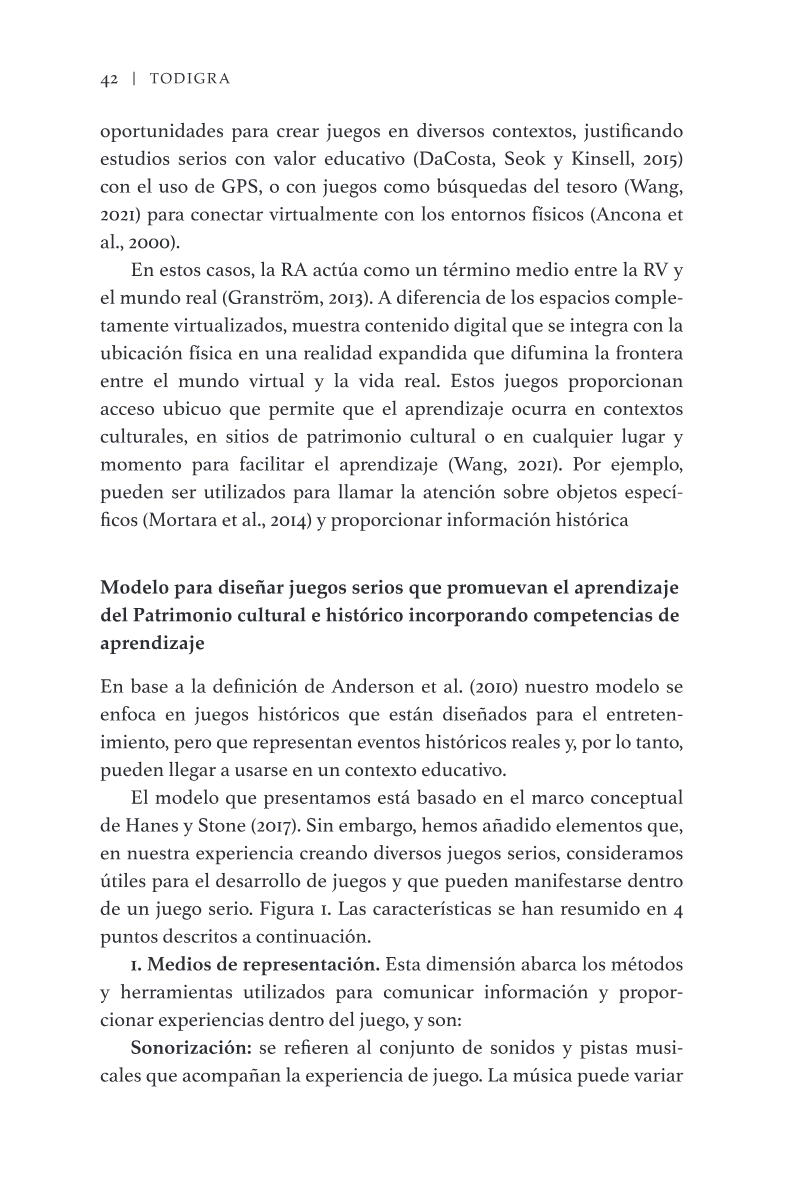
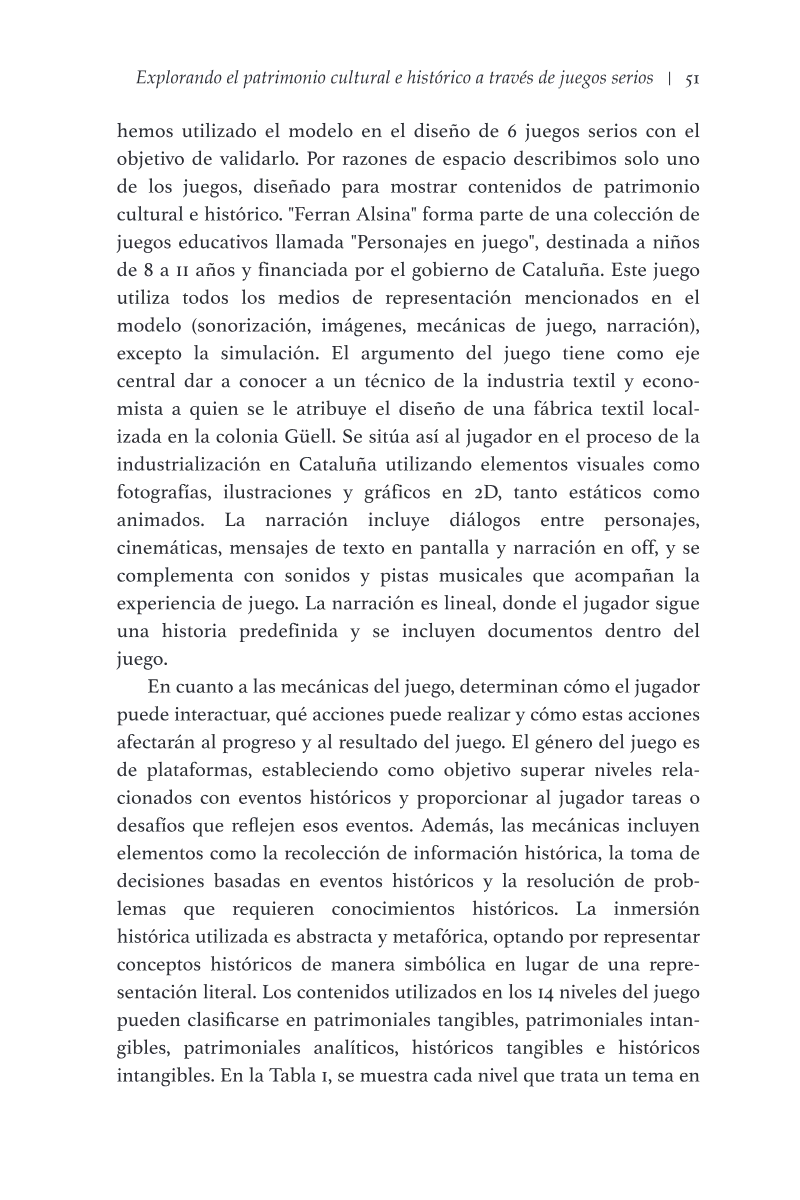
Engaging adolescents in structured game design programs serves as a powerful pedagogical tool for fostering critical digital literacy. By transitioning from passive consumers to active producers, students learn to perceive video games not merely as entertainment, but as complex, systemic objects composed of interconnected rules, narratives, and technologies. This shift in perspective enables participants to master multimodal discourses, allowing them to critically analyze and reconstruct the digital environments they inhabit.
The research, conducted through ethnographic and action-based methodologies with a cohort of twenty adolescents, highlights the efficacy of collaborative, role-based learning environments. By adopting professional designations such as directors, programmers, and artists, students engage in a structured development lifecycle that spans from initial conceptualization and pitching to technical implementation using software like Game Maker. This team-based approach facilitates the synthesis of creative practice with academic inquiry, bridging the gap between technical skill acquisition and the social dimensions of collaborative design.
Ultimately, the findings suggest that formal learning environments can significantly benefit from integrating game design as a core literacy practice. The process of collective work and shared discourse encourages students to develop the critical thinking skills necessary to navigate and manipulate complex digital systems. By grounding these creative tasks in professional frameworks, educators can effectively cultivate a deeper understanding of the technical and social architectures that define modern digital media, preparing adolescents to function as informed and capable creators in an increasingly technology-mediated world.