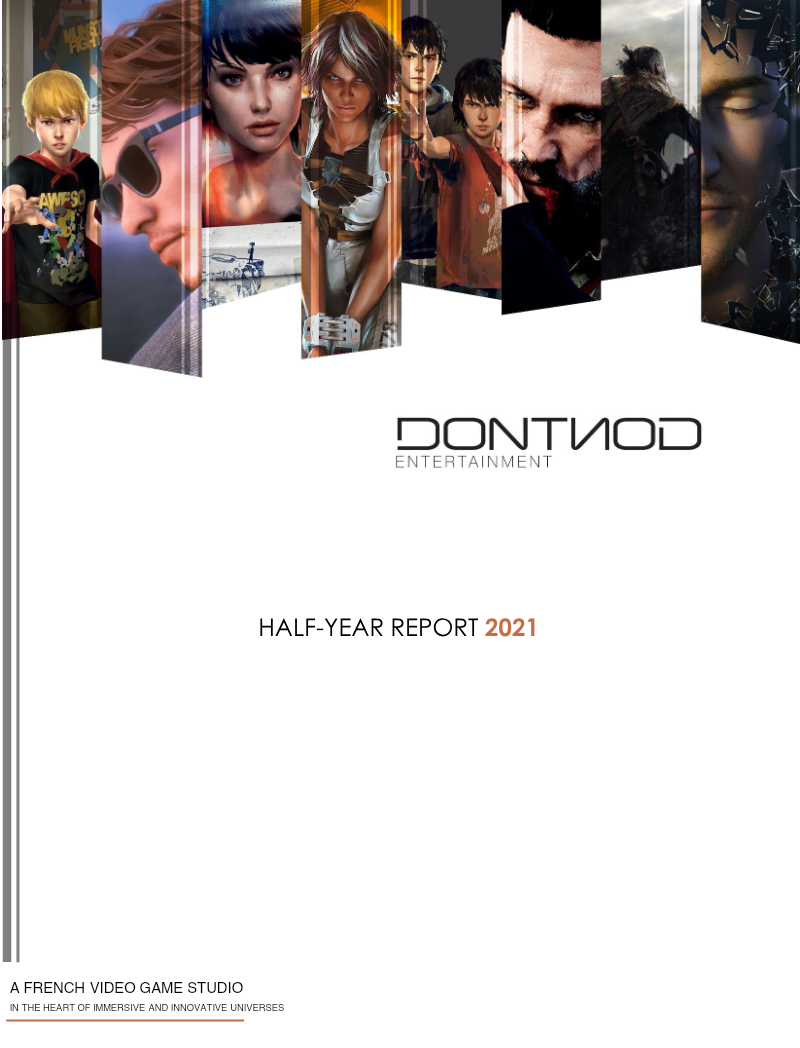
The first half of 2021 marked a pivotal strategic transition for DON’T NOD as the studio shifted toward a self-publishing and co-production model. This evolution was underpinned by a significant strengthening of the company’s financial position, highlighted by a €50 million capital increase. A cornerstone of this funding was a €30 million investment from Tencent, intended to facilitate expansion into mobile gaming and the Asian market. By the end of June 2021, these maneuvers resulted in a robust cash position of €62.9 million and total shareholders' equity of €89.1 million, providing the necessary liquidity to support a pipeline of seven projects slated for release through 2025.
Operating revenues rose 19% to €12.8 million, fueled by a tripling of royalty revenues to €2.7 million and a doubling of capitalized production to €7.8 million. While Operating EBITDA nearly doubled to €3.35 million, net income remained modest at €355,000 due to increased depreciation and amortization of capitalized assets. The studio’s economic performance was further bolstered by €2.3 million in video game tax credits, which helped offset a book operating loss and resulted in a positive economic operating EBIT of €623,000. This financial stability allowed the Group to manage its debt effectively, including the structured repayment of a €3.6 million state-guaranteed loan.
Operationally, the company expanded its footprint by opening a Montreal subsidiary and launching a third-party publishing wing, beginning with a collaboration with PortaPlay. Despite the ongoing challenges of the global pandemic, the studio successfully transitioned to a permanent flexible teleworking model for its 245 employees across its Paris and Montreal locations. To align internal interests with this new growth phase, the Group implemented several new employee incentive programs and bonus share plans. These structural and financial developments collectively signal a move away from work-for-hire arrangements toward a strategy focused on owning intellectual property and diversifying global distribution channels.
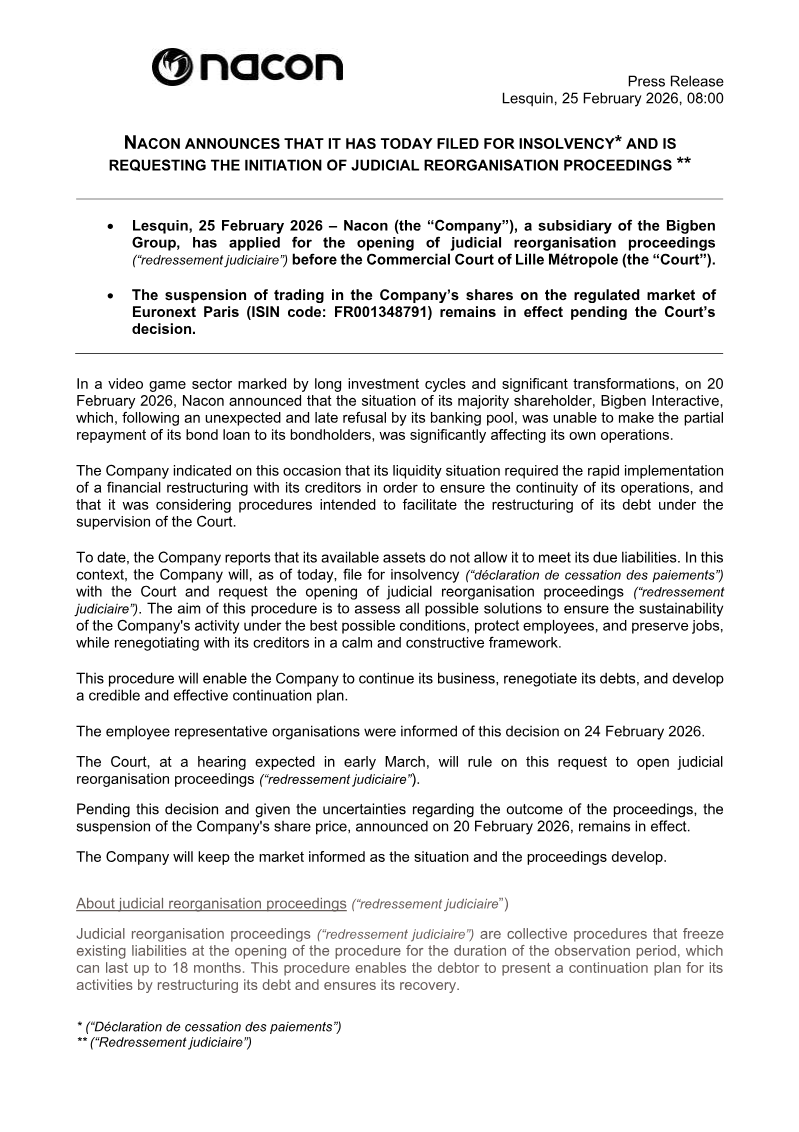
Nacon · 2026
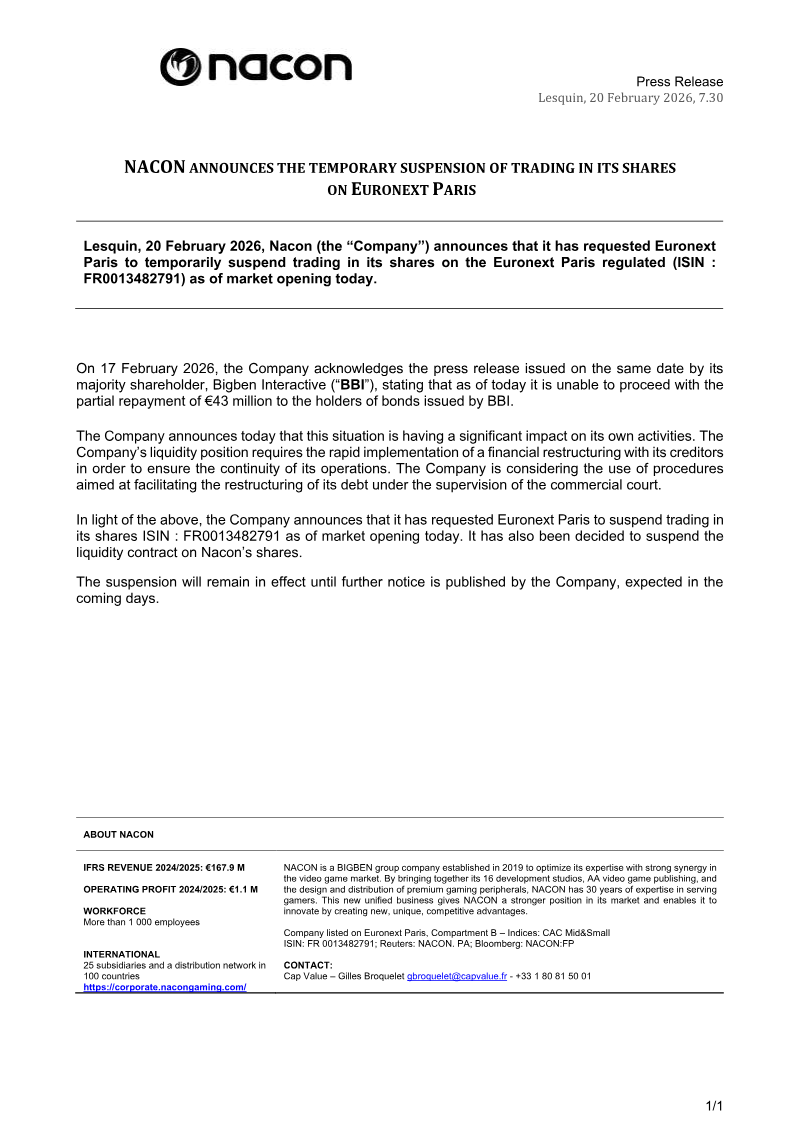
Nacon · 2026
Ubisoft · 2026
Pullup Entertainment · 2025
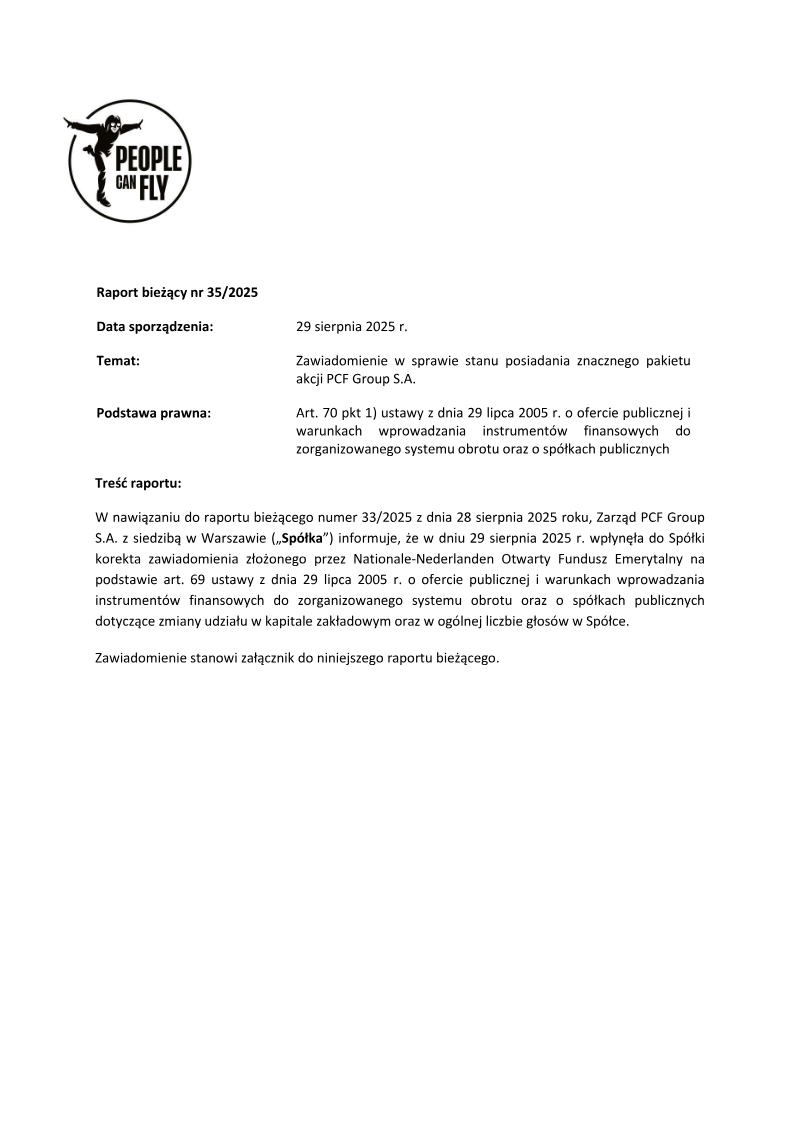
PCF Group · 2025

Nacon · 2025
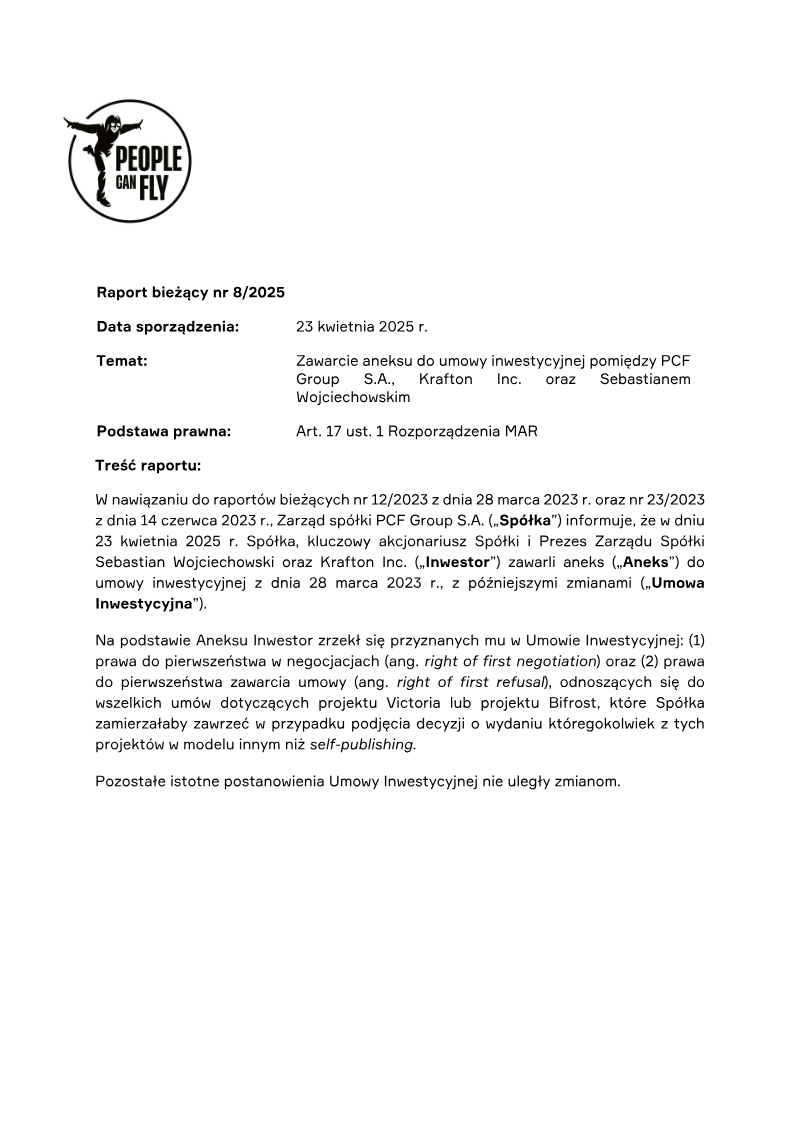
PCF Group · 2025
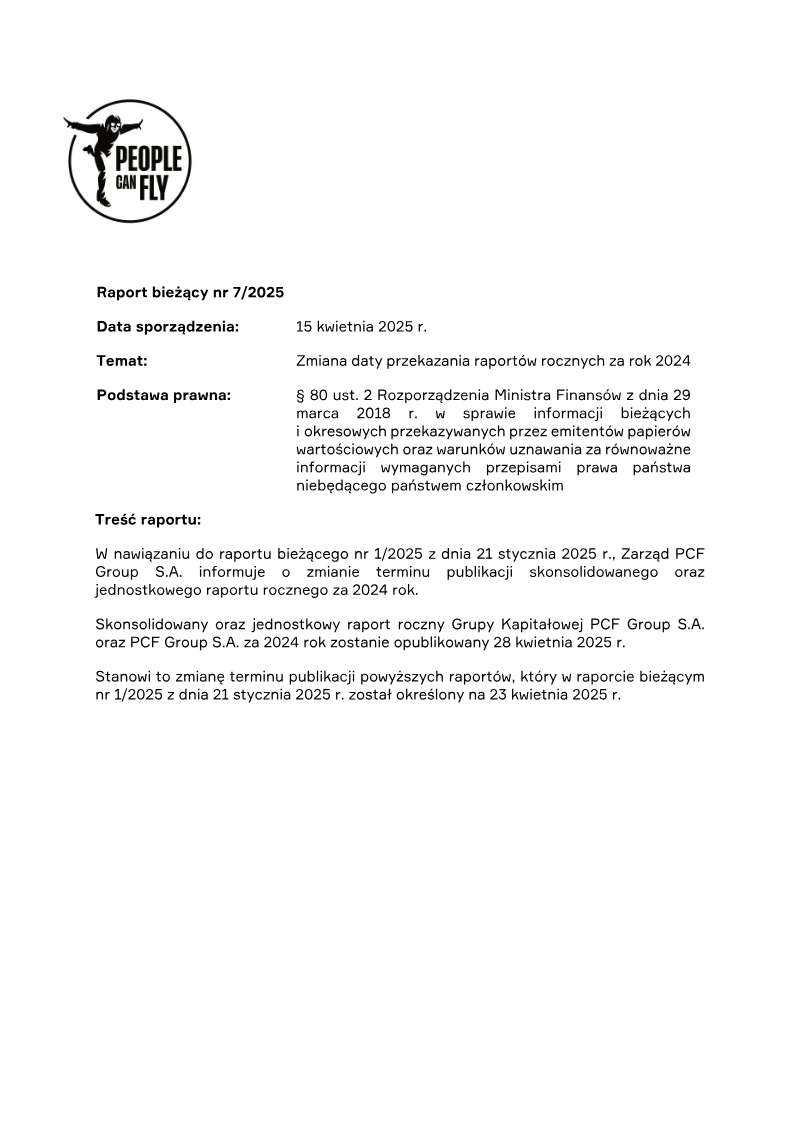
PCF Group · 2025
Drake Star · 2025
Pullup Entertainment · 2025
Pullup Entertainment · 2024

Nacon · 2024