Mobile Games
The mobile market by genre, from hypercasual and puzzle to midcore and idle.
456 documents
AppMagic · 2025
ReportMobile Monetization Report 2025
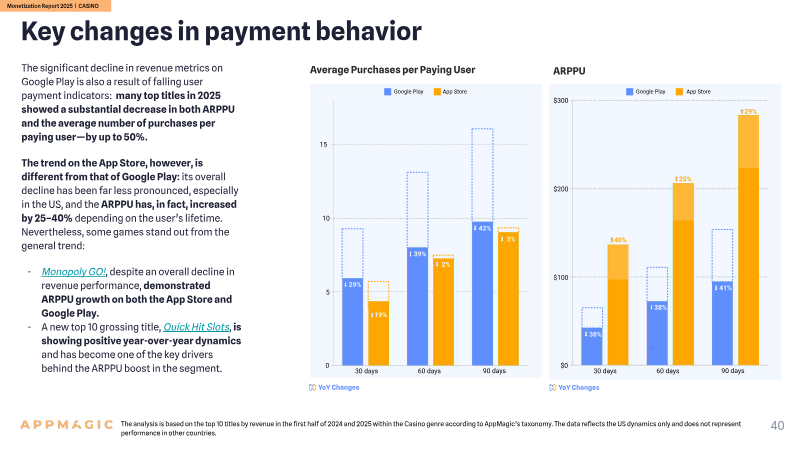
The global mobile gaming market reached $57.1 billion between 2023 and 2025, representing a 3.4% increase driven primarily by the App Store and emerging regions such as LATAM and MENA. While established markets like China and Japan experienced revenue contractions of up to 15%, the Strategy genre surged by over 25%, bolstered by a massive 213% increase in Card Battlers. A pivotal shift in the industry is the rise of direct-to-consumer revenue, which grew by 46% among the top 100 US titles as developers increasingly adopt webshops and alternative payment systems to bypass traditional platform fees. Monetization trends indicate a widening performance gap between platforms, with the App Store consistently outperforming Google Play in both revenue growth and average revenue per paying user. In the United States, the share of high-value players spending over $100 rose from 22% to 32%, while the App Store’s 90-day ARPPU climbed by 71%. This growth is largely attributed to rising transaction values, including the introduction of $159.99 price caps in top-tier titles. Conversely, Google Play’s growth remains dependent on a higher frequency of smaller, low-priced purchases, particularly as the RPG sector faces a 15% decline and a significant drop in Android spending. Genre-specific performance reveals a move toward diversification and sophisticated LiveOps. The Puzzle genre grew by 15%, led by a 911% revenue explosion in Block Puzzles, while the Hybridcasual segment saw in-app purchase revenue surge by 84% through the standardization of Season Passes and failure-triggered offers. Despite a 7.5% decline in the Casino market, the Simulation genre successfully increased average purchase values by 52%. Across all segments, developers are prioritizing customizable bundles and high-value special offers to maintain engagement and offset declining purchase frequencies among long-term players.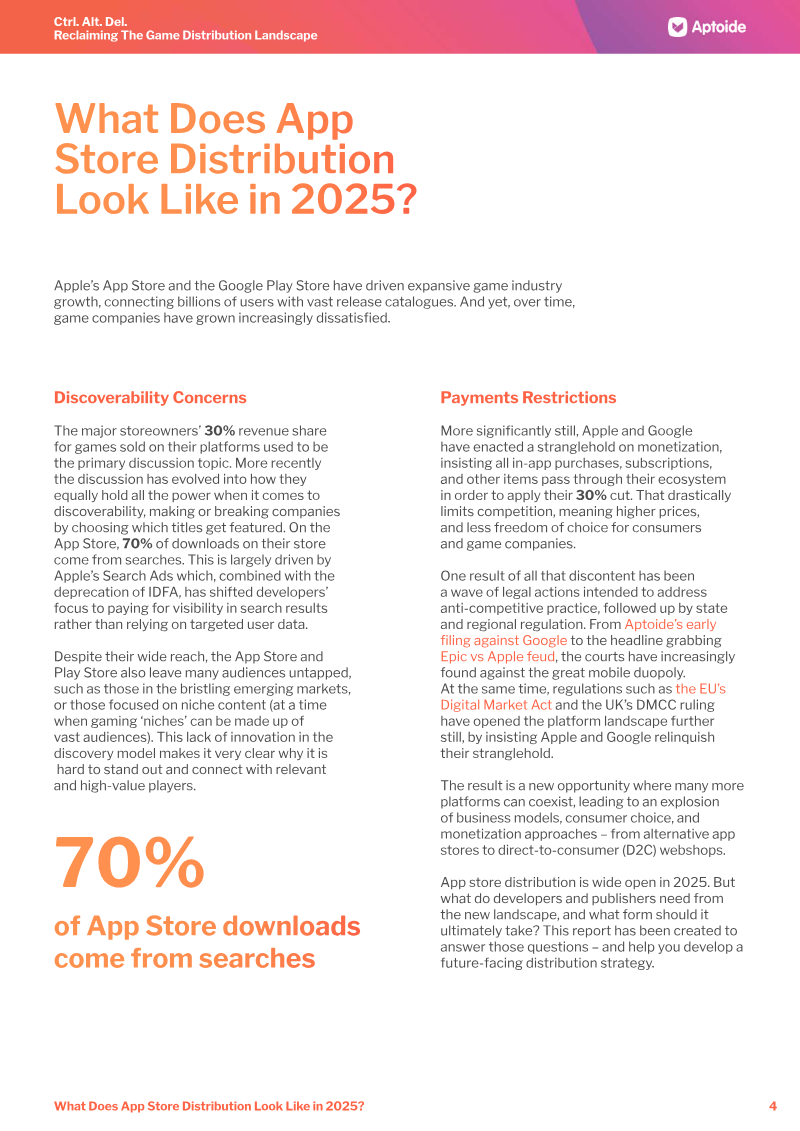
Aptoide · 2025
ReportReclaiming the Game Distribution Landscape
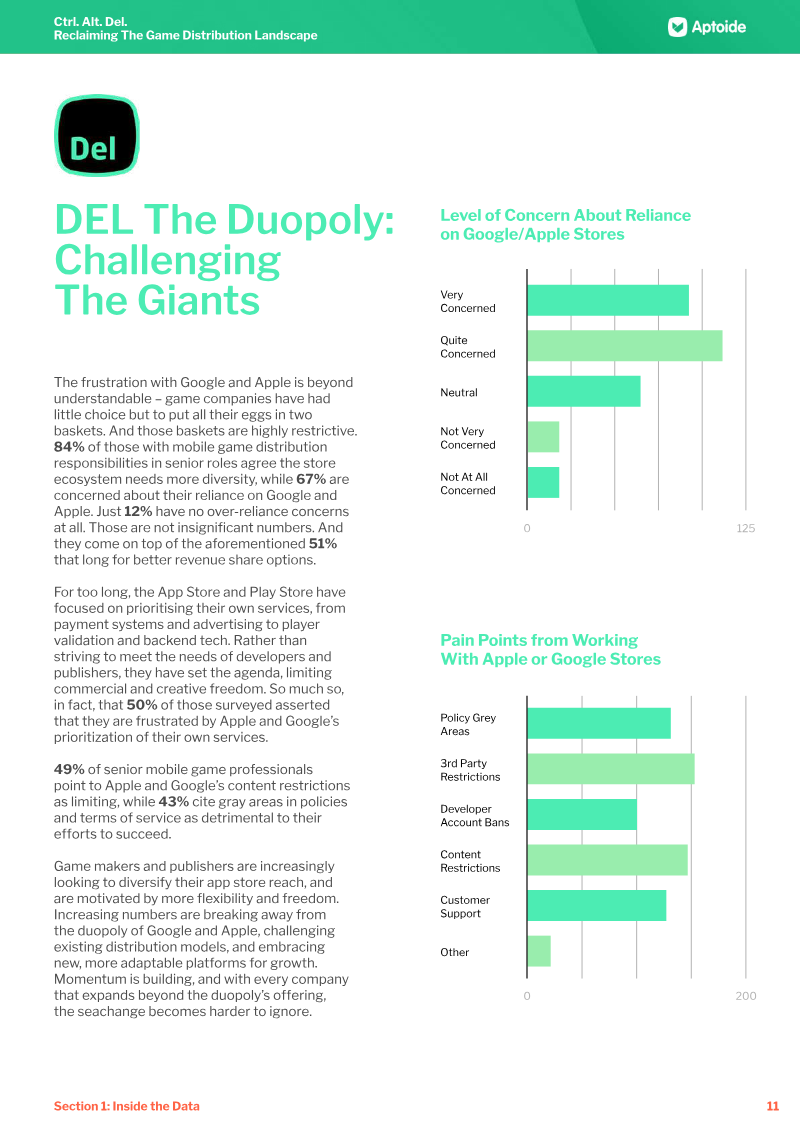
This analysis examines the shifting dynamics of the mobile game distribution market as of Summer 2025, focusing on the transition from a duopoly dominated by Apple and Google toward a more diverse ecosystem of alternative app stores. The central thesis posits that the industry is at a critical "reset" point where developers are increasingly seeking to reclaim control over their revenue, discoverability, and platform policies. By diversifying distribution strategies, game makers aim to bypass high fees and restrictive environments that have historically stifled commercial and creative potential. The findings are based on a survey of 304 senior-level mobile game development professionals from the United States and United Kingdom, all of whom work at companies with 250 or more employees. The research was conducted in April 2025 by Atomik Research on behalf of Aptoide. The data reveals significant industry dissatisfaction: 67% of developers are concerned about over-reliance on the two major stores, 51% cite high fees as a primary pain point, and 50% believe the dominant platforms unfairly prioritize their own services. Despite the current dominance of the major stores—which still account for roughly 87% of revenue for the majority of respondents—there is a clear trend toward adoption of alternative platforms. Approximately 74% of developers expect alternative stores to be a standard part of their distribution mix within five years. Furthermore, 73% of respondents anticipate double-digit revenue growth from these alternative channels. Key perceived benefits include access to new user bases (42.8%), greater policy freedom (42.4%), and improved discoverability through curated content and better marketing support. The scope of the analysis covers the global mobile gaming industry with specific emphasis on the US and UK markets. It concludes that while the Apple and Google stores remain essential for reach, the rise of alternative stores and direct-to-consumer webshops offers a necessary path for growth, risk reduction, and improved profit margins in an increasingly competitive landscape.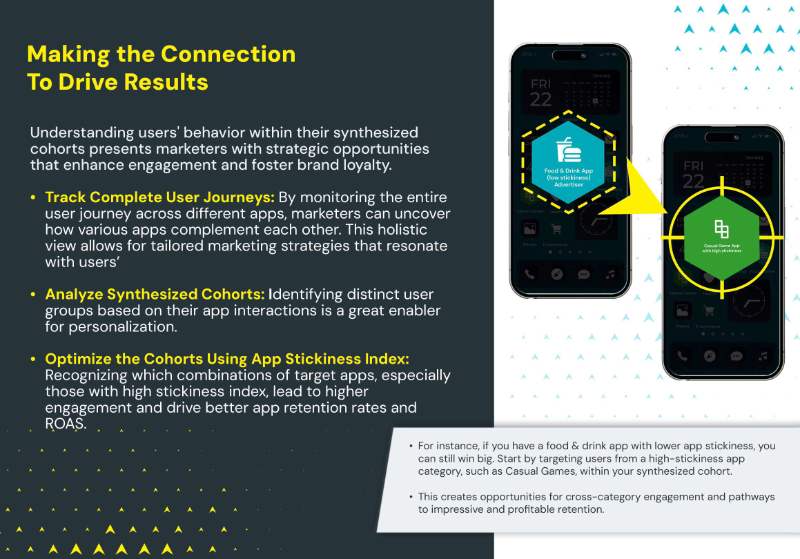

Aarki · 2025
ReportRetention Radar
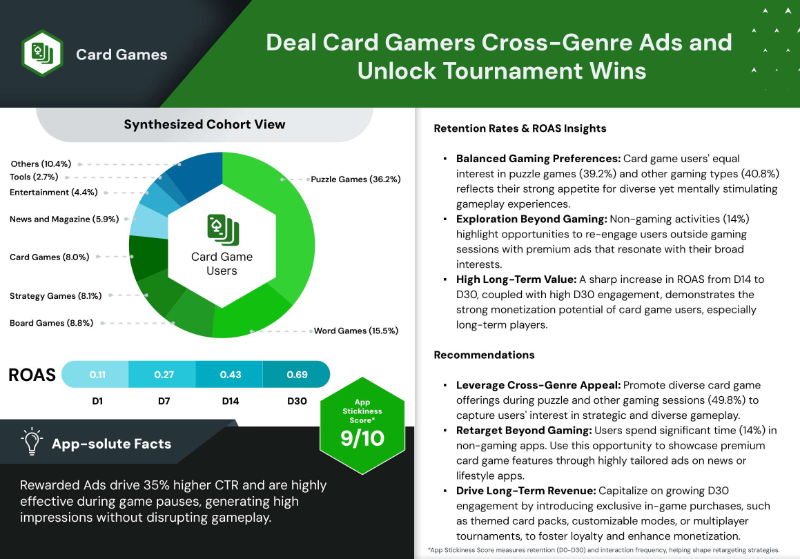
The global mobile ecosystem is entering a period of maturation characterized by a 2.3% decline in installs, necessitating a strategic pivot from aggressive user acquisition toward sophisticated retention models. Because a 10% improvement in retention can yield profit increases of up to 90%, the industry is increasingly prioritizing the lifetime value of existing users. This shift is supported by the identification of distinct behavioral patterns between functional apps, which command high initial stickiness, and emotional categories like gaming, which foster long-term loyalty. By analyzing these "app-hopping" behaviors, marketers can identify high-value users who move fluidly between different app categories. Data across various gaming genres indicates that while retention naturally declines over time, Return on Ad Spend often grows significantly as players deepen their investment in narrative and premium features. For instance, simulation games frequently see a threefold increase in ROAS by the thirtieth day of engagement. Furthermore, significant cross-genre affinities exist, such as RPG players demonstrating a 40.2% engagement rate with non-gaming applications. These insights suggest that targeting "synthesized cohorts"—clusters of interconnected apps based on shared user habits—is more effective than traditional siloed marketing. To maximize engagement through 2025, the industry must adopt advanced technological frameworks, including deep neural networks and supervised AI, to facilitate surgical ad precision. Utilizing a "Stickiness Index" allows for the quantification of engagement patterns, enabling the deployment of dynamic product ads and automated event-based retargeting. By leveraging real-time post-install data and deep linking, advertisers can create frictionless, hyper-personalized journeys that capture users during high-intent moments. This methodology transforms brief digital interactions into sustained loyalty, ensuring that advertising spend is optimized across both gaming and non-gaming verticals globally.
AppFigures · 2025
ReportMobile Games in 2025: Trends & Strategies Supercharging Revenue Growth
The global mobile gaming market entered a phase of intensified monetization and efficiency in 2024, characterized by a 3.8% increase in consumer spending to $65.7 billion despite a 6.6% decline in total downloads. This shift indicates a maturing landscape where revenue is driven by an 11.2% rise in spending per download rather than sheer user acquisition volume. Although the number of new game releases plummeted by over 43%, the highest-quality titles are achieving financial success at an accelerated pace, reaching the $1 million revenue milestone nearly twice as fast as they did in 2022. Geographically, the United States maintains its position as the primary revenue engine with $20.8 billion in spending, while India continues to dominate global download volume. Mid-core titles, particularly Role-Playing Games, represent the most significant segment of the market, accounting for half of the top 1,000 earning games. While established giants like Tencent and Scopely maintain their dominance, new entries from China and Japan are capturing substantial global market share. Growth is also accelerating in emerging markets, with Brazil and Mexico both experiencing a 47% surge in spending. To maintain engagement and drive revenue spikes, developers are increasingly relying on high-impact intellectual property crossovers and collaborations, such as integrating popular media franchises into existing gameplay loops. Monetization strategies have become highly standardized among top-performing titles, with 100% of the top 500 earning games utilizing consumables and limited-time offers. In-game advertising serves as a vital secondary revenue stream, with Unity Ads emerging as the most adopted platform among developers. Looking toward 2025, the industry is expected to be defined by the continued dominance of mid-core genres, the strategic expansion of IP-based events, and the rising economic influence of Latin American markets. Success in this environment requires a focus on high-value user retention and sophisticated monetization frameworks to offset the broader decline in new release volume.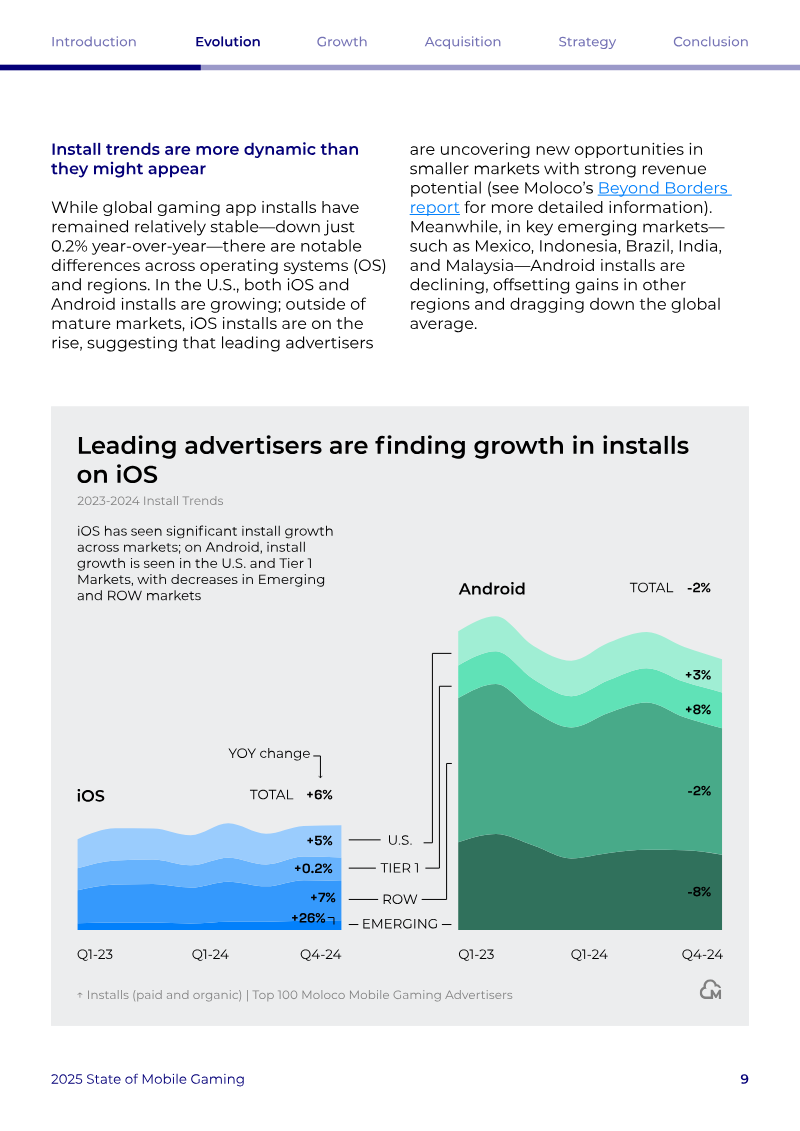
Moloco · 2025
Report2025 State of Mobile Gaming: In-App Purchase Trends of Leading Apps
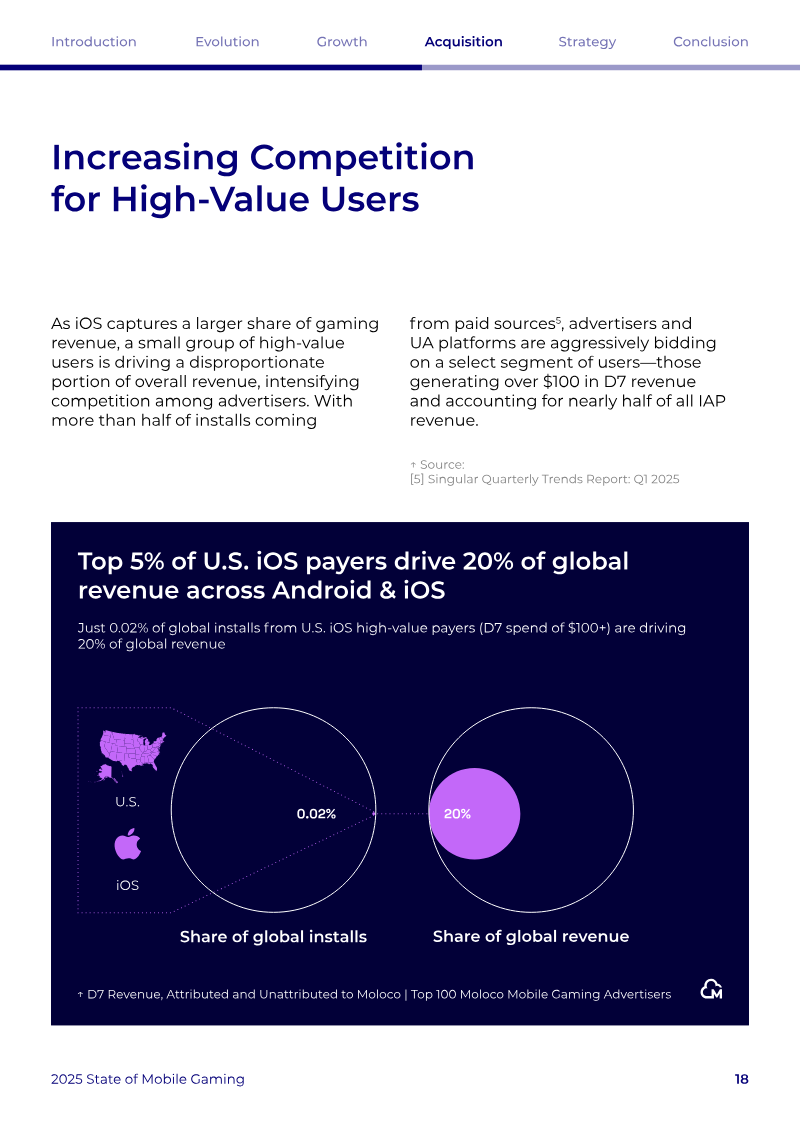
The 2025 State of Mobile Gaming report analyzes the transition of the mobile gaming industry into a new growth phase characterized by refined monetization and sophisticated user acquisition. Based on an anonymized dataset of 100 leading global gaming advertisers and Sensor Tower estimates spanning 24 months, the analysis tracks the evolution of In-App Purchase (IAP) trends across 2.3 billion projected players. The findings indicate that while global install volume remained flat in 2024, IAP revenue grew by 4%. This growth is driven by a 6% increase in install-to-payer conversion rates and improved long-term monetization, with Day 90 Average Revenue Per Paying User (ARPPU) rising by 6%. A significant shift in platform dominance has occurred, with iOS now generating 55% of global IAP revenue. High-value users represent a critical concentration of wealth; specifically, the top 5% of payers generate 48% of total revenue. In the United States, a mere 0.02% of global installs—representing high-spending iOS users—account for 20% of total global gaming revenue. Market dynamics show fierce competition for these spenders, with the top 1% of iOS winning bid prices increasing by 140% year-over-year. To counter rising costs in mature markets like the U.S. and Tier 1 regions, leading advertisers are diversifying into the Rest of World (ROW) and emerging markets, where iOS revenue grew by 19% and 31% respectively. Successful strategies among the top five advertisers include a heavy reliance on Return on Ad Spend (ROAS) optimization, a 5x higher investment in interactive playable creatives, and a 3x greater focus on re-engagement campaigns compared to the broader industry. The report concludes that the industry is moving toward a hybrid model where casual gameplay mechanics are blended with deep IAP structures to maximize lifetime value across a global audience.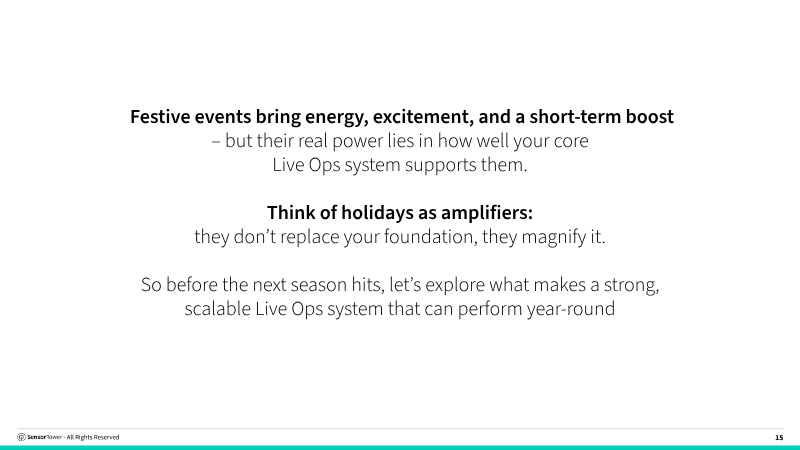

Sensor Tower · 2025
ReportHow to Prepare Your Live Ops for the Holiday Season
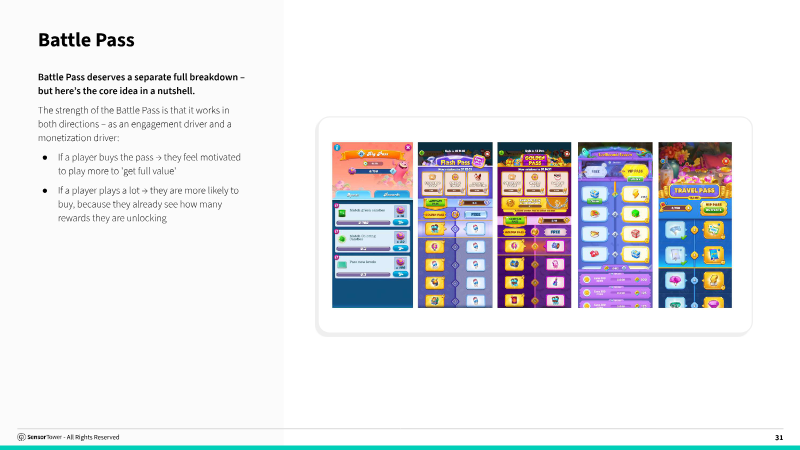
A well‑designed Live Ops strategy is essential for capitalising on the heightened player activity that occurs during the holiday period. Analysis of hundreds of mobile games worldwide demonstrates that a coherent Live Ops framework can produce a substantial uplift in sessions, revenue and player retention throughout the season. The core argument is that developers should treat the holidays as a series of tightly integrated, short‑term experiences that reinforce the game’s everyday loop while delivering clear, time‑bound incentives. Short‑term events that run for one to three days are most effective for generating quick spikes in engagement. These events focus on immediate objectives—such as a burst of sessions, a specific resource collection, or a limited‑time reward—while employing a “soft‑sawtooth” difficulty curve that eases players in, ramps up challenge, offers a brief respite, and then escalates again. By keeping the event mechanics a natural extension of the main gameplay loop, developers avoid disrupting player expectations and maintain momentum. For the broader holiday window, the most successful structures combine a single, clearly defined Battle‑Pass progression path with social‑cooperation events that reward group performance through prestige items like avatars, badges and leaderboard positions. Layering weekly quests, long‑term collection albums, and brief “bonus amplifier” events creates cumulative engagement loops. Linking these components through shared currencies and diversified motivations systematically drives both retention and monetisation, particularly for mature titles that benefit from community‑driven competition. Overall, the guidance applies to the global mobile gaming sector during the Q4 holiday season and emphasizes that incremental, interconnected events—anchored by transparent progression and social incentives—are the key levers for maximising holiday‑season performance.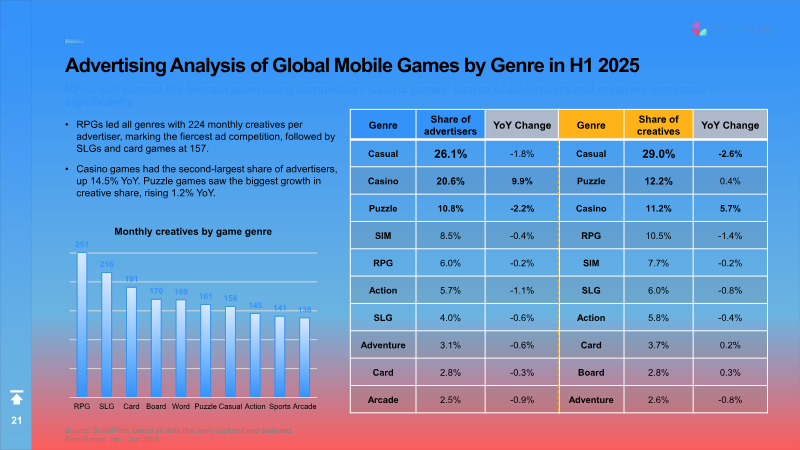

SocialPeta · 2024
ReportInsights into Global Mobile Game Marketing Trends for H1 2025
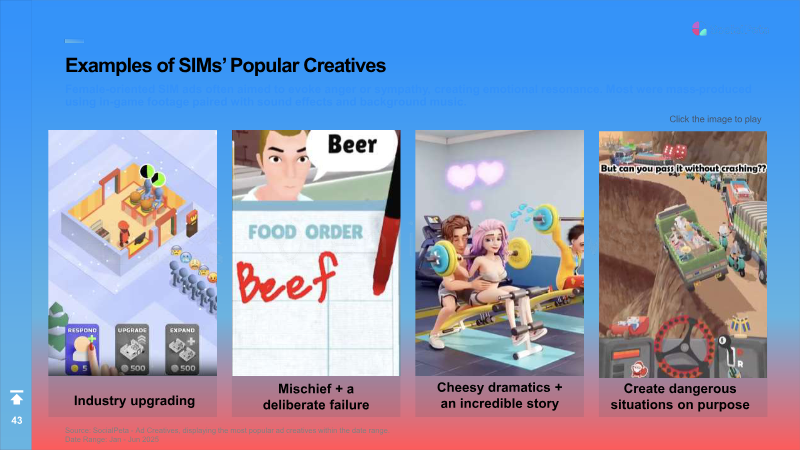
The first half of 2025 reveals a rapid shift in mobile‑game user‑acquisition toward AI‑driven creative production, with short‑form video, live‑action clips and in‑game audio ads now accounting for the majority of impressions. Generative‑AI tools and AI‑enhanced playable ads compress development cycles to under a week, allowing marketers to test multiple concepts at low cost while retaining retargeting as a core pillar of acquisition strategy. Genre competition intensifies, especially for role‑playing games, which generate an average of 224 new creatives per advertiser each month. Casino titles expand their share by 14.5 % year‑over‑year, becoming the second‑largest spend category. Europe hosts the largest pool of advertisers—over 43 000 monthly, a rise of 10 000 from the previous year—while North America exhibits the highest creative density, with roughly 119 assets per advertiser. In casual games, AI‑generated vertical video now consumes about 40 % of media spend, underscoring the dominance of automated formats across regions. Key operational challenges include limited reach to high‑value users, protracted creative rollout times, and declining engagement as mature audiences become ad‑fatigued. Lengthy or fragmented landing‑page experiences further erode trust, suppressing download conversion and long‑term retention. To counter these pressures, firms are advised to institute rapid‑iteration pipelines that move concepts to live within seven days, maintain a refresh cadence of two to three creative updates per month, and prioritize concise, transparent messaging that streamlines the post‑click flow. Embracing these practices is projected to improve acquisition efficiency and sustain user interest amid an increasingly saturated global mobile‑gaming market.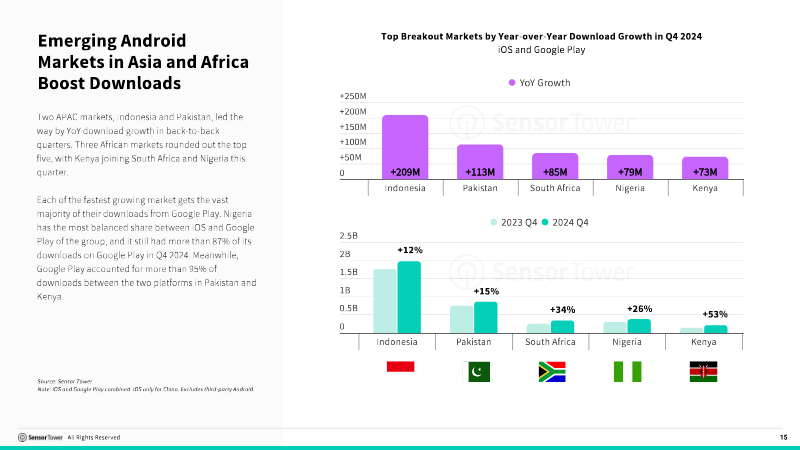
Sensor Tower · 2024
ReportDigital Market Index: Q4 2024
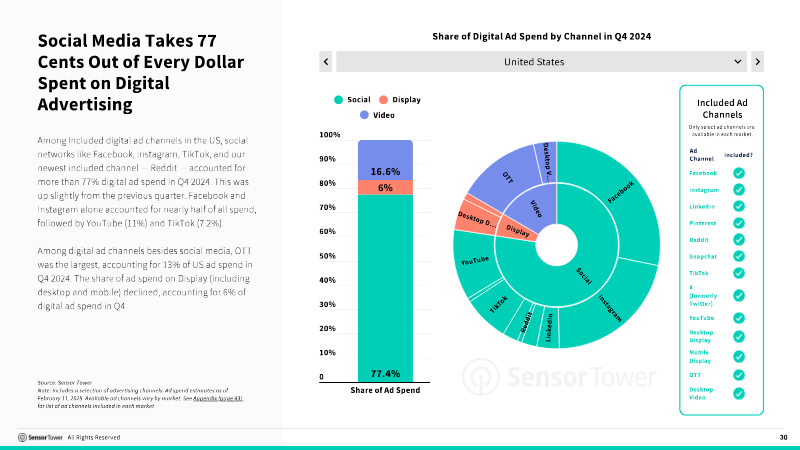
Global digital markets reached a significant milestone in the final quarter of 2024, with in-app purchase revenue hitting a record $39.4 billion. This growth was primarily fueled by a 28.2% year-over-year surge in non-game applications, exemplified by TikTok becoming the first app to surpass $6 billion in annual revenue. While the iOS ecosystem remains the primary driver of monetization by capturing 70% of total revenue, Google Play maintains its dominance in scale, facilitating nearly three-quarters of the 34.1 billion global downloads recorded during the period. The mobile gaming landscape underwent a notable structural shift as consumer preferences migrated from traditional RPGs toward Strategy and Puzzle titles. Strategy games experienced a 26% year-over-year increase in downloads, helping to offset regional revenue declines in major markets like Japan and South Korea. Despite these shifts, Japan’s mobile sector showed signs of overall recovery, while emerging Android markets in Indonesia and Pakistan continued to expand rapidly. The successful launch of high-profile titles like Pokémon TCG Pocket further stabilized the gaming sector during this transition. Advertising and retail media also reached unprecedented levels, with U.S. digital ad spend hitting $34 billion. Social media channels dominated this space, accounting for 77% of total expenditures as major retailers like Amazon and Walmart increased holiday investments. Retail media specifically generated a record 75.4 billion impressions, driven by high demand in consumer electronics and personal care. Strategic co-branded partnerships, such as the collaboration between Best Buy and Samsung, emerged as critical drivers of visibility, cementing the role of retail platforms as essential components of the broader digital advertising ecosystem.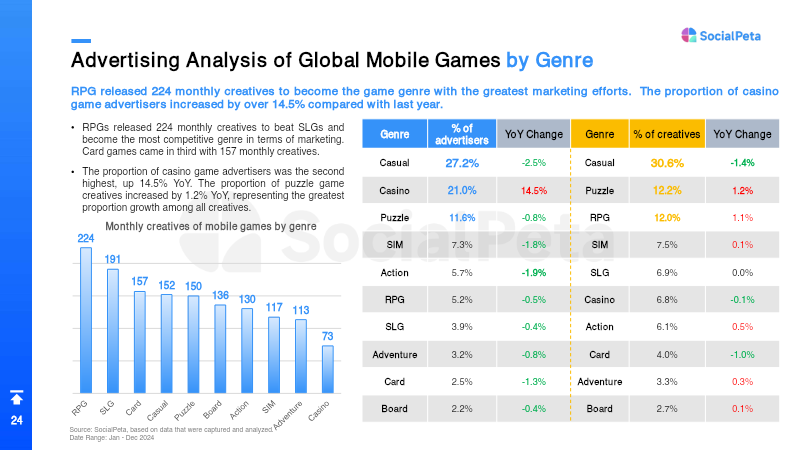

SocialPeta · 2024
Report2024 Global Mobile Games Marketing Trends & Insights
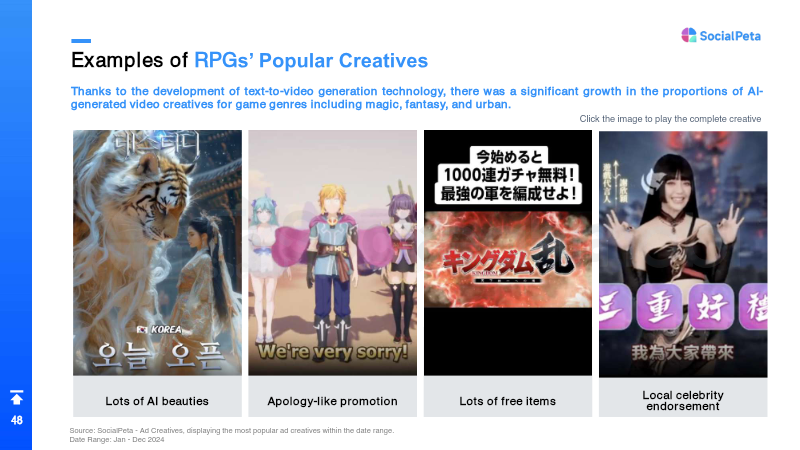
The global mobile gaming industry is currently defined by extreme market concentration and a fundamental shift in monetization and marketing strategies. With the top 50 publishers generating 70% of total revenue, the sector is moving toward hybrid-casual models that blend ad-based revenue with in-app purchases to offset rising user acquisition costs. Strategic priorities for 2025 include the expansion of Direct-to-Consumer platforms to preserve margins and a resurgence in HTML5 web games. This evolution is occurring alongside a surge in marketing volume; in 2024, the industry saw over 250,000 advertisers and 46.2 million creative assets, representing a 60% year-over-year increase in advertising activity despite a declining rate of new market entrants. Geographically, the landscape is marked by rapid growth in Southeast Asia and Latin America, while the United States remains a dominant but maturing market. High-production, cross-platform free-to-play titles, particularly from Chinese developers, are raising consumer expectations and challenging traditional premium pricing models. To navigate privacy-related data limitations, marketers are increasingly adopting creative-level attribution and generative AI for both content production and data analysis. Short-form video has become the primary driver of engagement, accounting for up to 81% of impressions in genres like Puzzle and Simulation, often utilizing AI-generated imagery and demographic-specific hooks to capture niche audiences. Tactical trends reveal a widespread reliance on intellectual property and the integration of casual mini-game mechanics to market hardcore RPG and Strategy titles. Successful campaigns frequently leverage localized content and specialized creative formats, such as "stomp" transitions for social media or long-form puzzles to attract RPG players. This data, synthesized from over 1.6 billion ad records across 80 countries, underscores a transition toward high-volume, AI-enhanced marketing where deep user segmentation and creative variety are essential for maintaining player lifetime value in an increasingly competitive global environment.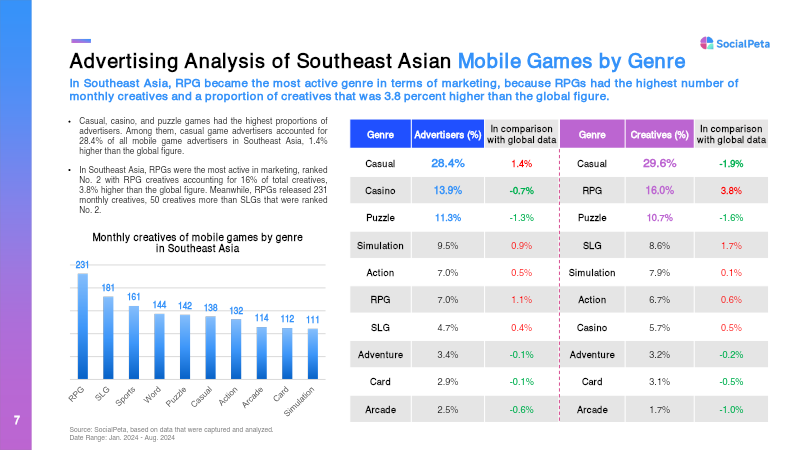

SocialPeta · 2024
ReportInsights into Marketing Trends in Southeast Asian Mobile Games in 2024
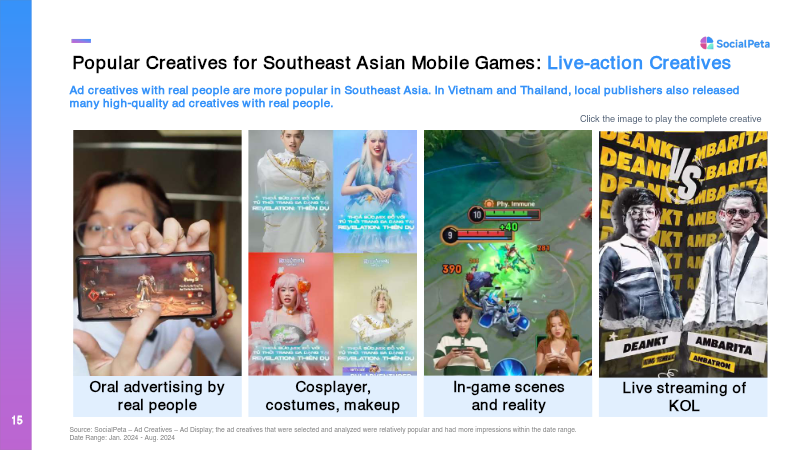
The Southeast Asian mobile gaming market in 2024 is characterized by high advertiser activity and a strategic shift toward video-centric marketing. Data collected between January and August 2024 reveals a monthly average of over 20,000 active advertisers in the region, representing a 9.5% year-over-year increase. While the proportion of new advertisers remained stable at approximately 3.7%, a significant surge occurred in June, where new game advertisers reached 8.5% of the total market. Geographically, Indonesia leads the region in the volume of monthly advertisers with 12.3K, surpassing major markets like Japan and South Korea. However, Thailand remains the most intensive in terms of content volume, serving as the only country in the region to exceed 100 monthly creatives per advertiser. From a platform perspective, Android dominates the landscape, accounting for over 70% of advertisers in markets like Indonesia, though iOS users see a higher proportion of image-based creatives. Genre analysis indicates that while casual games maintain the largest share of advertisers at 28.4%, Role-Playing Games (RPGs) are the most aggressive marketers. RPGs account for 16% of total creatives, a figure significantly higher than the global average. Strategy games (SLGs) lead in format innovation, with 76.5% of their ads utilizing video. Across all genres, video is the dominant medium, making up nearly 70% of all creatives, with a growing trend toward using local influencers, live-action footage, and "mini-game" playables to drive engagement. The findings are based on sampling from SocialPeta’s database of 1.6 billion ad creatives across 70 global channels. The methodology combines statistical forecasting with desk research to track advertising intelligence across Indonesia, Thailand, Singapore, Malaysia, Vietnam, the Philippines, and Cambodia. Findings suggest that successful regional campaigns increasingly rely on localized content, such as Thai celebrity endorsements and TikTok-inspired audio synchronization, to navigate the fierce competition in the Southeast Asian media-buying landscape.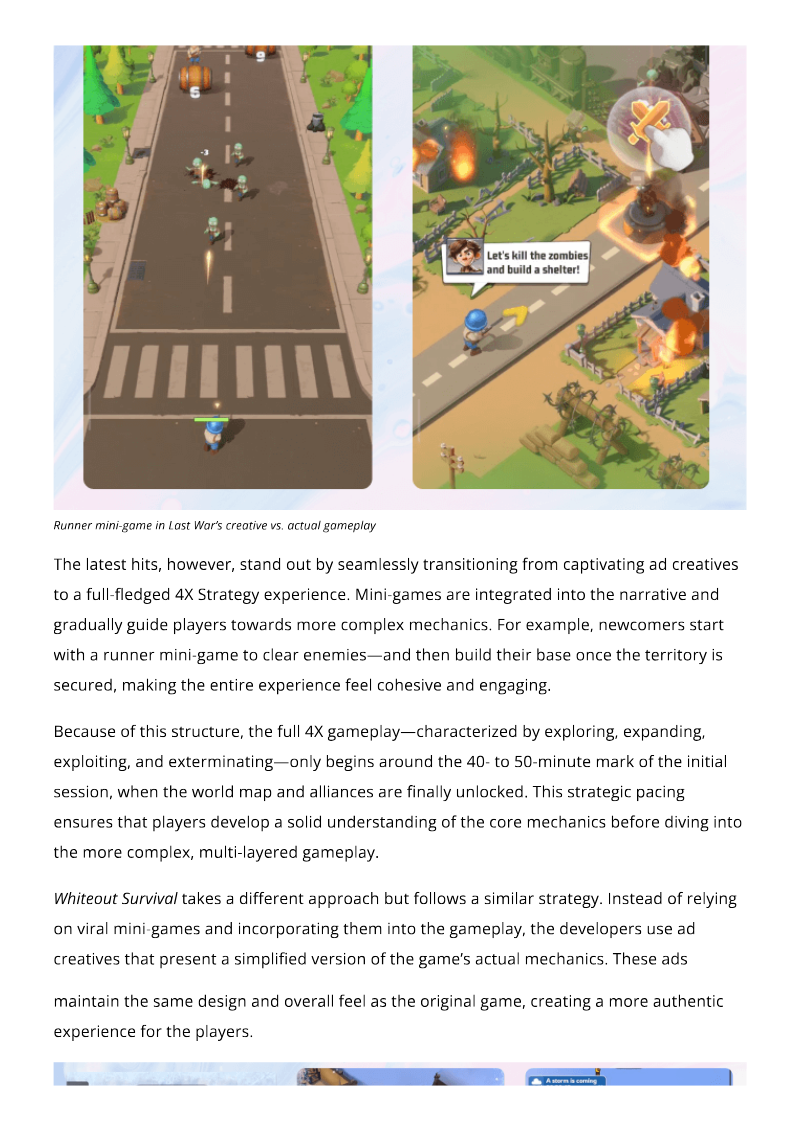

AppMagic · 2024
ReportExpanding the 4X Audience: Lessons from Last War and Whiteout Survival
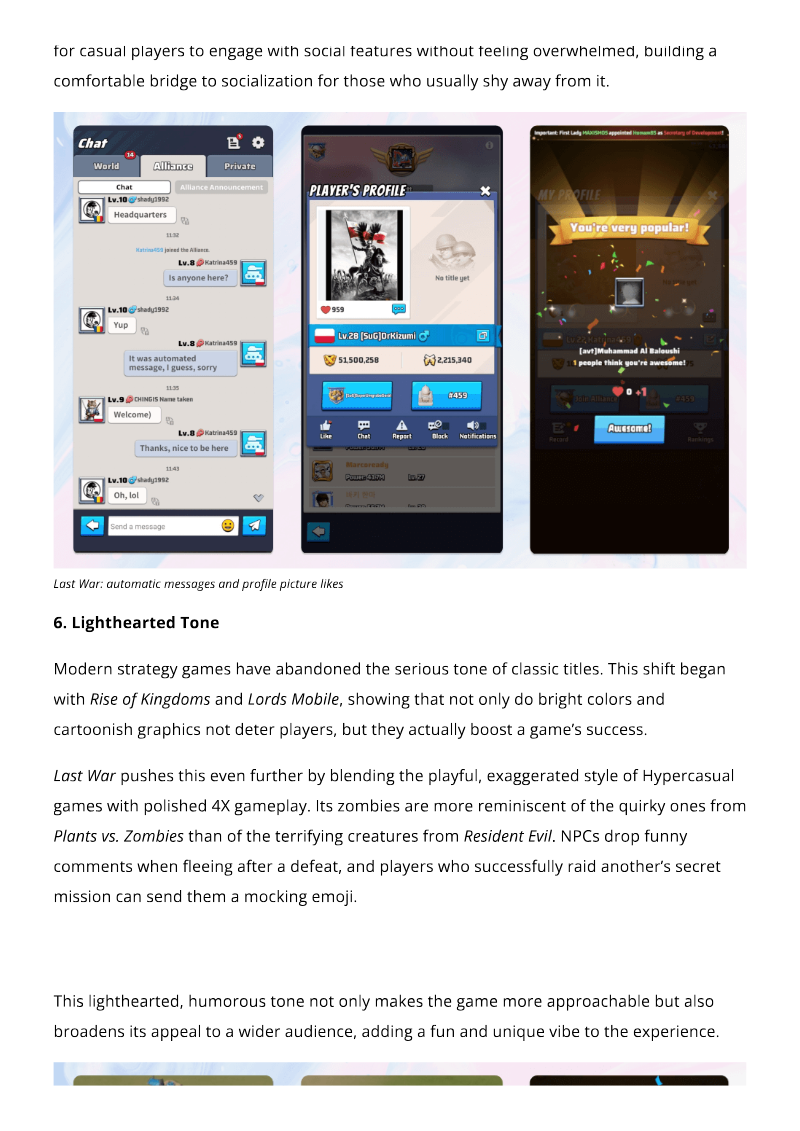
The 4X strategy genre has undergone a significant evolution, transitioning from a niche, hardcore-focused market to a broader, more accessible landscape. Generating $5.8 billion in 2023, the sector demonstrates that high profitability is no longer contingent on complex, intimidating mechanics. By prioritizing simplified onboarding, intuitive progression systems, and the integration of cohesive mini-games, modern titles like Last War and Whiteout Survival have successfully lowered the barrier to entry for casual players. This shift in design philosophy effectively redefines engagement strategies, moving away from traditional, high-friction gameplay toward experiences that are both welcoming and sustainable for a diverse user base. Strategic adjustments in game design and monetization have been central to this growth. Developers have mitigated the traditionally aggressive nature of player-versus-player combat by implementing structured goal-setting and adopting a more lighthearted, approachable tone. Monetization has similarly pivoted, moving away from reliance on pure gacha mechanics toward a model centered on guaranteed, low-cost in-app purchases and premium passes. This approach encourages consistent, smaller transactions from a wider audience while maintaining deep, tiered progression systems that continue to cater to high-spending players. Success in the modern 4X market is increasingly defined by the ability to balance accessibility with long-term retention. By utilizing structured onboarding events and alliance-wide rewards, games can normalize spending habits and foster community engagement without alienating free-to-play users. Ultimately, the industry’s trajectory indicates that the most effective path forward involves streamlining core mechanics and fostering inclusive, gradual progression. This synthesis of simplified gameplay and diversified monetization ensures that 4X titles remain competitive and profitable in an increasingly crowded global mobile gaming market.
Konvoy · 2024
Report