Lancaster University
3 reports, presentations and talks by Lancaster University in the Game Industry Library, the newest “Enhancing Deep Reinforcement Learning for Scale Flexibility in Real-Time Strategy Games” (2024).
Documents
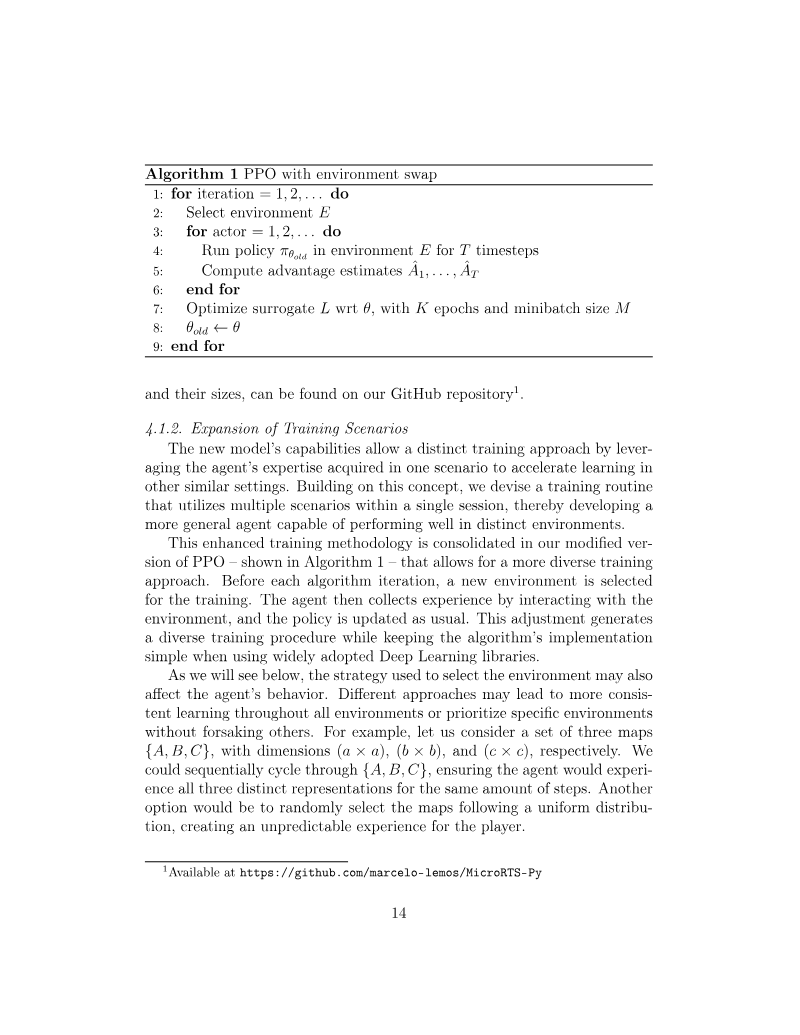
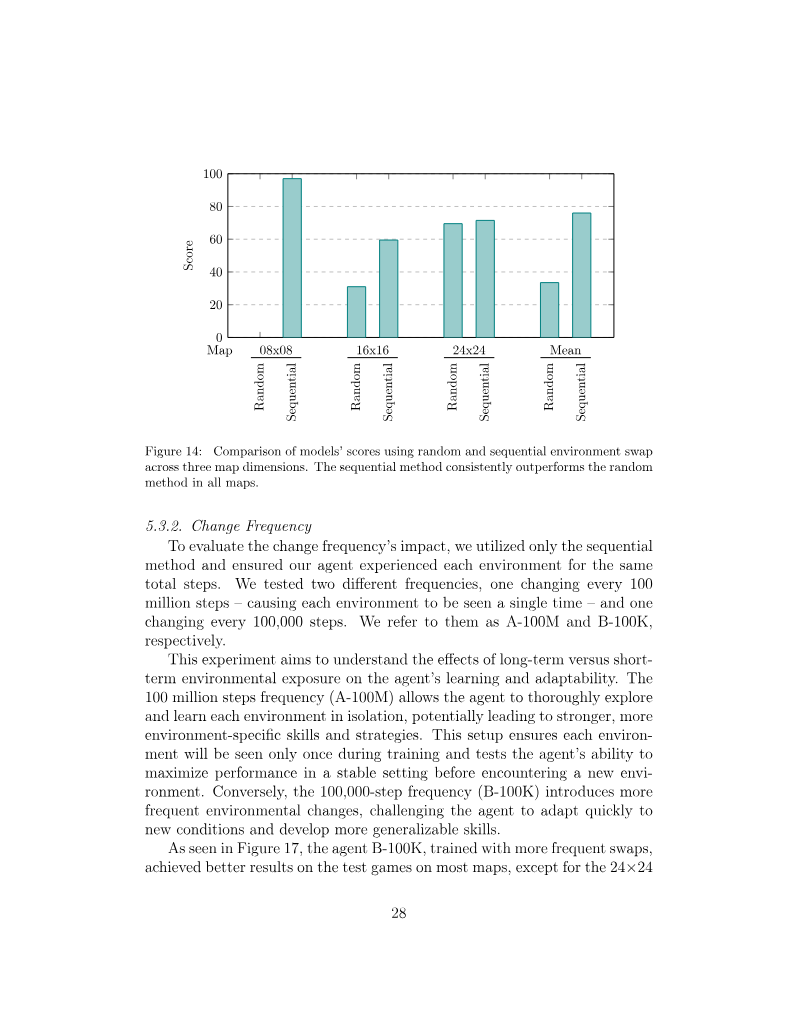
Enhancing Deep Reinforcement Learning for Scale Flexibility in Real-Time Strategy Games
Real-time strategy games present a significant challenge for artificial intelligence due to the need for agents to navigate varying map dimensions and dynamic unit counts.
- Integrating Spatial Pyramid Pooling (SPP) into reinforcement learning architectures enables AI agents to adapt to varying map sizes and unit counts without requiring neural network structural modifications.
- This scale-invariant framework achieves superior performance compared to traditional baselines while reducing the required training budget by approximately 66%.
- A training regimen utilizing sequential, high-frequency environment-swapping is essential for ensuring that agents develop robust, generalizable policies.
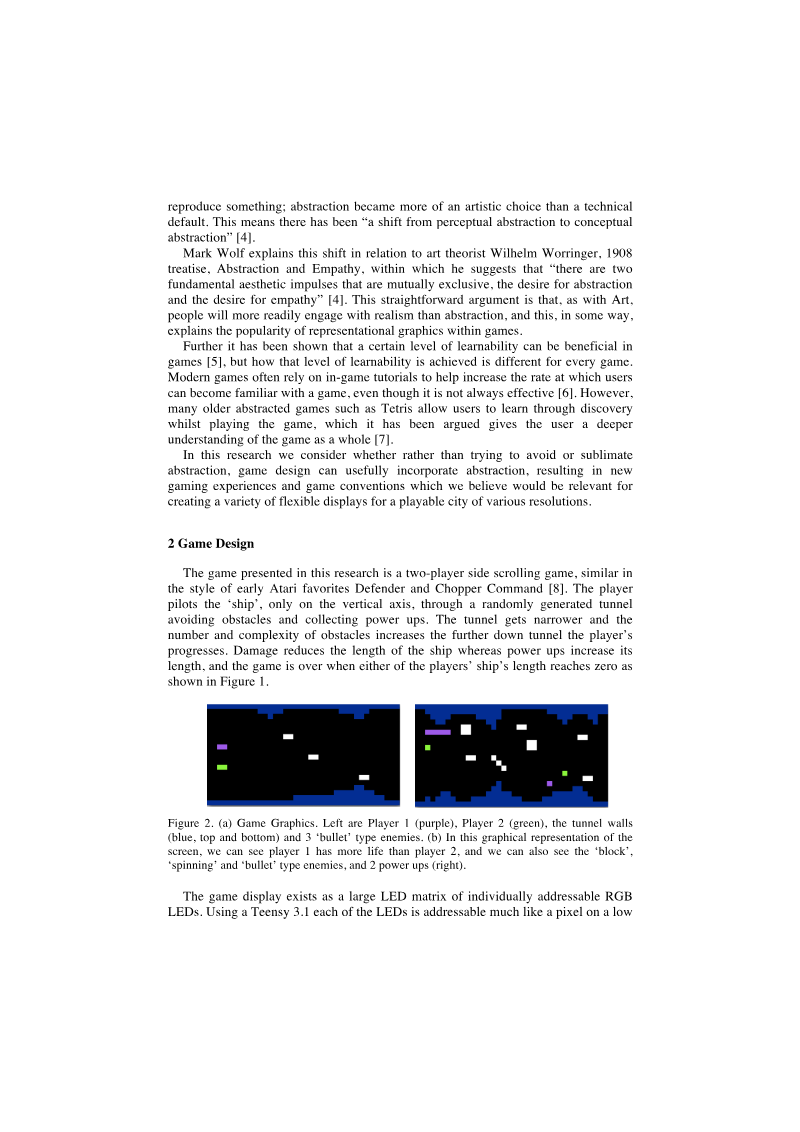
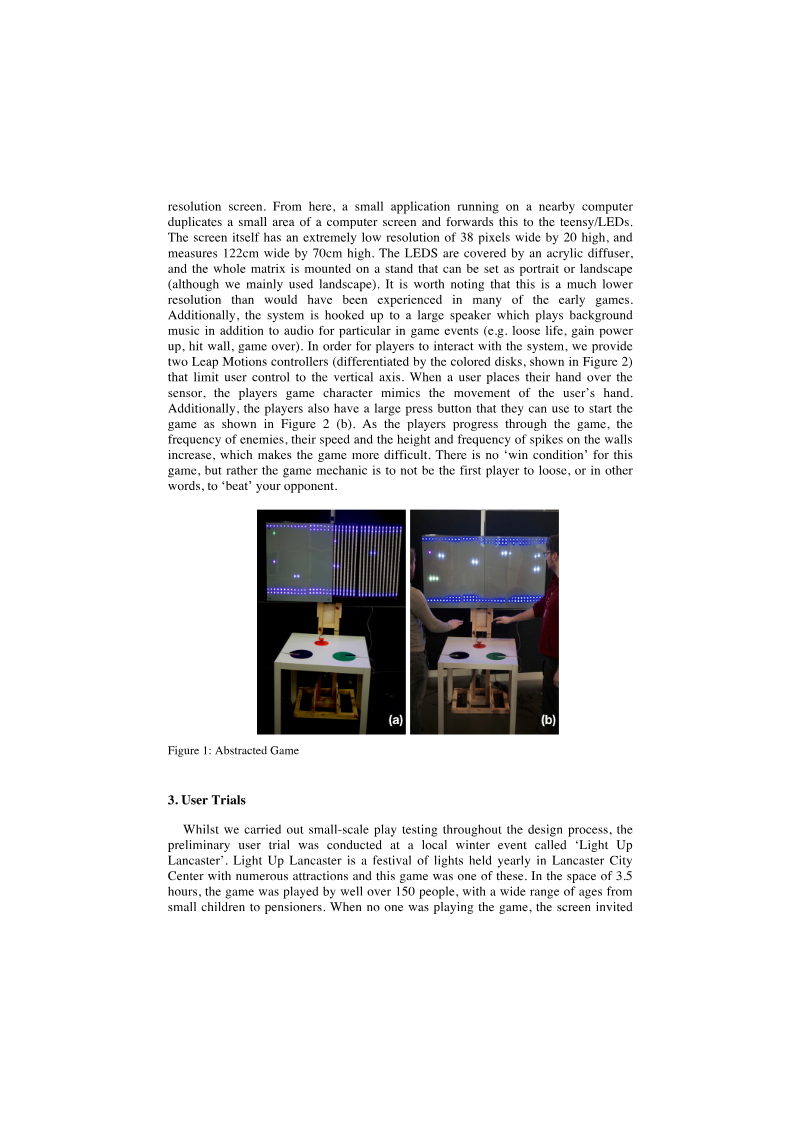
Visual Abstraction for Games on Large Public Displays
This research explores the viability of visual abstraction as a deliberate design choice for modern video games, challenging the industry’s long-standing trend toward increasing graphical realism.
- Extreme visual abstraction is a viable design strategy for public-facing interactive displays, proving that high graphical fidelity is not a prerequisite for player engagement.
- A field test involving over 150 participants demonstrated that users can successfully navigate and engage with a game using only a 38-by-20 pixel LED matrix.
- The absence of traditional text-based tutorials in abstract designs encourages discovery-based learning and fosters social collaboration among players and spectators.
Developing Customised Serious Games for Parkinson's Disease Rehabilitation: Design Guidelines
The development of bespoke serious games for Parkinson’s disease motor rehabilitation addresses the critical limitations of commercial off-the-shelf software, which frequently lacks the clinical adaptability required for patients with fluctuating motor impairments.
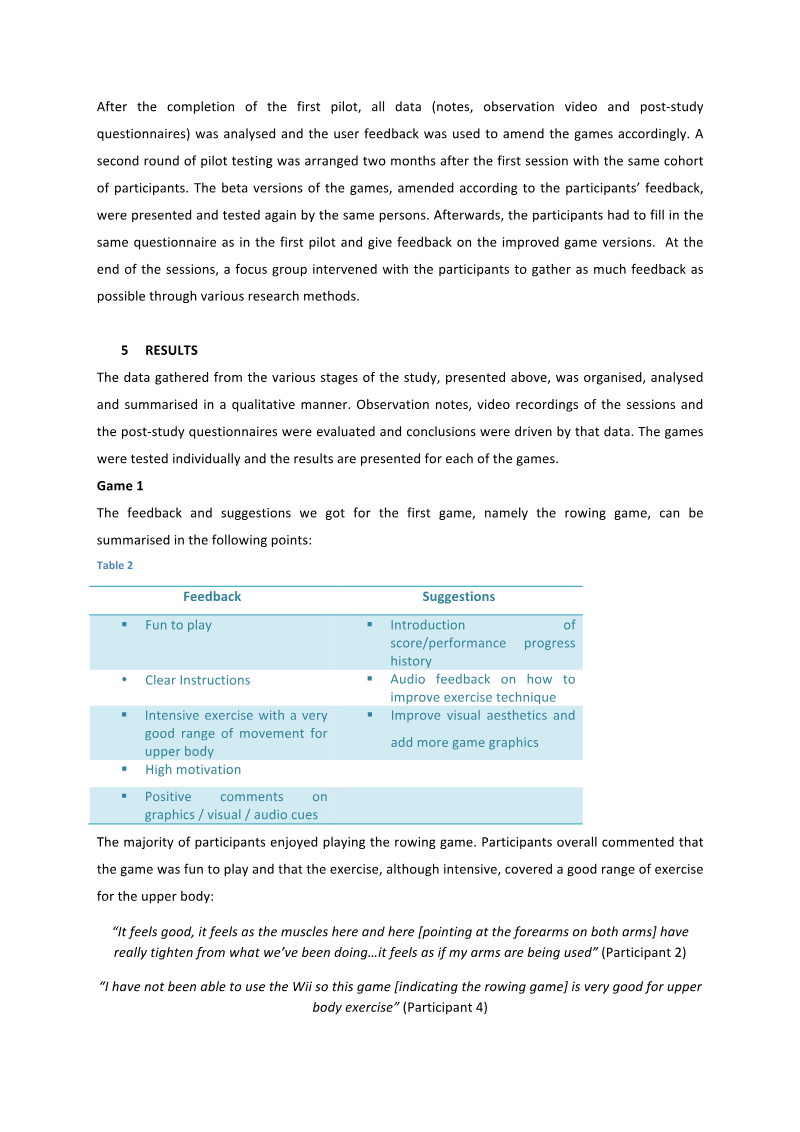
- Bespoke serious games for Parkinson’s rehabilitation outperform commercial off-the-shelf software by allowing for the clinical adaptability required to address fluctuating motor impairments.
- Effective rehabilitation design requires a three-layer architecture consisting of motion capture, dynamic gameplay, and remote clinical monitoring.
- Games modeled after familiar, real-world activities—such as rowing—generate significantly higher patient motivation compared to abstract gameplay concepts.
Do you work at Lancaster University? Get a free report of how these documents are read and cited here.