Article
How Cloverpit Added 100k Steam Wishlists in a Week
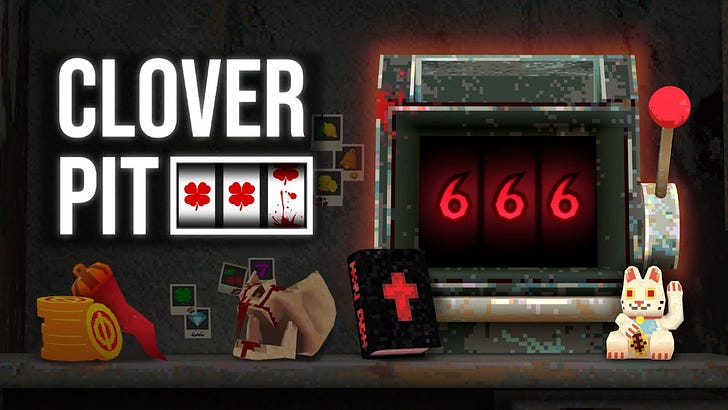
The rapid acquisition of 100,000 Steam wishlists for the unreleased title Cloverpit serves as a case study in effective game marketing through strategic demo releases and influencer engagement. Developed by Panik Arcade and published by Future Friends, the game achieved this milestone within seven days of its official reveal. The success is attributed to a well-timed demo launch that coincided with the Triple I Initiative showcase, allowing the game to bypass the competitive noise of traditional Steam Next Fest events.
Data indicates that the game’s demo has seen significant traction, with over 200,000 total activations and peak concurrent players reaching 3,200. Engagement metrics are notably strong, with a median playtime of over one hour and 7% of players exceeding five hours of gameplay. Geographically, the player base is diverse; while the United States leads in wishlists at 31%, China accounts for 35% of total demo activations, highlighting a recurring trend where Chinese player interest in demos does not always translate directly into immediate wishlist conversion.
The game’s design is credited as a primary driver of its social virality. By blending a recognizable PS1-inspired aesthetic with a roguelite structure that balances luck and strategy, the title is optimized for influencer performance. This design allows content creators to easily showcase the game’s high-stakes, "rollercoaster" emotional moments. The analysis concludes that the combination of a clear, meme-friendly core loop and intelligent storefront placement provides a replicable model for indie developers seeking to maximize visibility in a crowded market.
- Cloverpit secured 100,000 Steam wishlists in seven days by launching a demo during the Triple I Initiative showcase to avoid the saturation of Steam Next Fest.
- The game’s demo achieved 200,000 total activations and reached a peak of 3,200 concurrent players.
- Player engagement metrics were strong, with a median playtime exceeding one hour and 7% of users playing for more than five hours.
- Geographic data reveals a disparity in conversion: while the United States accounts for 31% of wishlists, China represents 35% of demo activations but shows lower relative wishlist conversion.
- The game’s design, which combines a PS1-inspired aesthetic with a high-stakes roguelite loop, was specifically optimized to generate viral, meme-friendly content for influencers.
+3
GameDiscoverCoApr 2025