Gamecity Hamburg
Association402 documents
Documents
Article
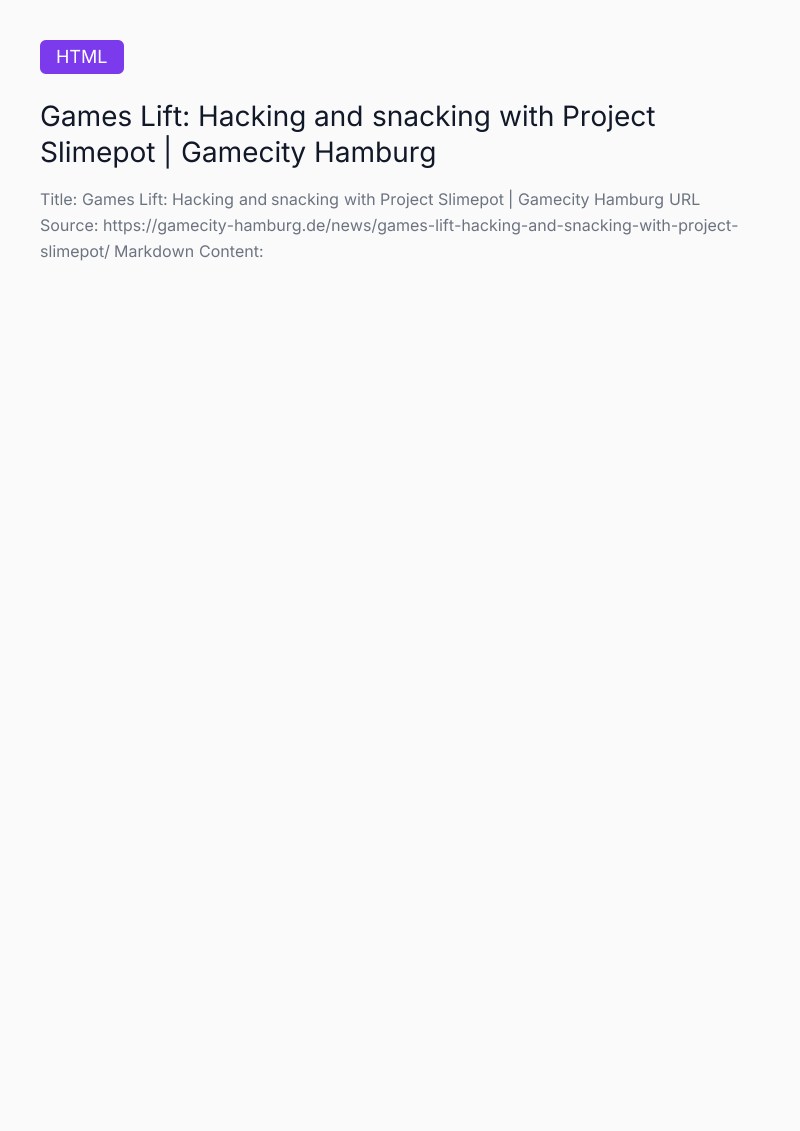
Games Lift: Hacking and Snacking with Project Slimepot
The Games Lift Incubator in Hamburg serves as a critical support structure for emerging game development teams, providing professional mentorship, workshop programs, and financial resources. The program aims to foster sustainable growth for independent studios by refining their creative visions and business strategies. A primary example of this process is the development of Project Slimepot, a title currently undergoing incubation to transition from a conceptual idea to a market-ready product.
Project Slimepot is developed by Calluna Games, a four-person team leveraging two years of prior professional collaboration. The game utilizes a core loop described as "Slay, Cook, Serve," blending elements of action-adventure, crafting, and strategy. Inspired by the concept of consuming monsters for survival, the team has refined the project’s scope through incubator workshops, shifting from a tavern-management focus to a more streamlined experience centered on character progression and team-building within a dark fairy tale universe.
The incubator process emphasizes market viability and realistic project management. Through specialized workshops covering product development, competition analysis, and modern marketing, the team has successfully sharpened its creative focus and operational strategy. Currently, the developers are preparing to formalize their company structure, develop proof-of-concept demos, and secure further financing. With a projected development timeline of one to two years, the project exemplifies the incubator’s role in helping small, agile teams navigate the complexities of the games industry while maintaining the flexibility required to adapt to evolving market demands.
- The Games Lift Incubator in Hamburg provides a structured support system for independent studios, offering mentorship, workshops, and financial resources to transition concepts into market-ready products.
- Calluna Games, a four-person team with two years of prior collaboration, is currently incubating their project, 'Project Slimepot,' through this program.
- Project Slimepot features a 'Slay, Cook, Serve' core loop that has been refined from a tavern-management focus to a streamlined experience centered on character progression and team-building.
- The incubator’s workshops on competition analysis and product development have guided Calluna Games to pivot their creative scope toward a dark fairy tale universe.
- Calluna Games is currently focused on formalizing their company structure, creating proof-of-concept demos, and securing additional financing.
Gamecity Hamburg

Article
Recap: Game Playtest Night #4 at XPERION Hamburg
The Game Playtest Night #4, held at XPERION Hamburg on November 14, 2025, served as a collaborative platform designed to bridge the gap between game developers and the gaming community. The primary objective of the event was to provide local studios with a professional environment to showcase early-stage titles, gather direct user feedback, and foster networking opportunities within the industry. By facilitating a casual, after-work atmosphere, the event allowed developers to observe player behavior and iterate on game mechanics in real-time.
The showcase featured a diverse range of 15 playable titles, spanning various genres including cozy exploration, 2D puzzle horror, roguelike survival, and action-adventure. Notable projects included Map Map - A Game about Maps, a nominee for the 2025 Deutscher Computerspielpreis, and REPLICORE, a co-op shooter that previously earned recognition as a runner-up for the same award. Other featured games, such as Buggy, Cosmodrill, Deep Fog Signals, and F.R.O.G.S, highlighted the breadth of creative output currently emerging from the Hamburg development scene.
The event successfully demonstrated the value of iterative design and community engagement in the game development lifecycle. Participants, ranging from developers to enthusiasts, utilized the session to exchange technical insights and creative ideas. The positive reception and the volume of actionable feedback collected confirmed the event's utility as a recurring initiative for the local games sector. Following the success of this installment, organizers have committed to continuing the series, with plans to host future iterations throughout 2026.
- The Game Playtest Night #4, held on November 14, 2025, at XPERION Hamburg, featured 15 playable titles across genres including cozy exploration, 2D puzzle horror, roguelike survival, and action-adventure.
- Organizers have committed to continuing the playtest series throughout 2026 following the successful collection of actionable user feedback and industry networking.
- The showcase highlighted award-recognized projects from the Hamburg scene, including the Deutscher Computerspielpreis nominee 'Map Map - A Game about Maps' and runner-up 'REPLICORE'.
- Other notable titles presented during the event included 'Buggy', 'Cosmodrill', 'Deep Fog Signals', and 'F.R.O.G.S'.
- The event functioned as a professional platform for developers to observe real-time player behavior and iterate on game mechanics in a casual, after-work environment.
+2
Gamecity Hamburg
Article
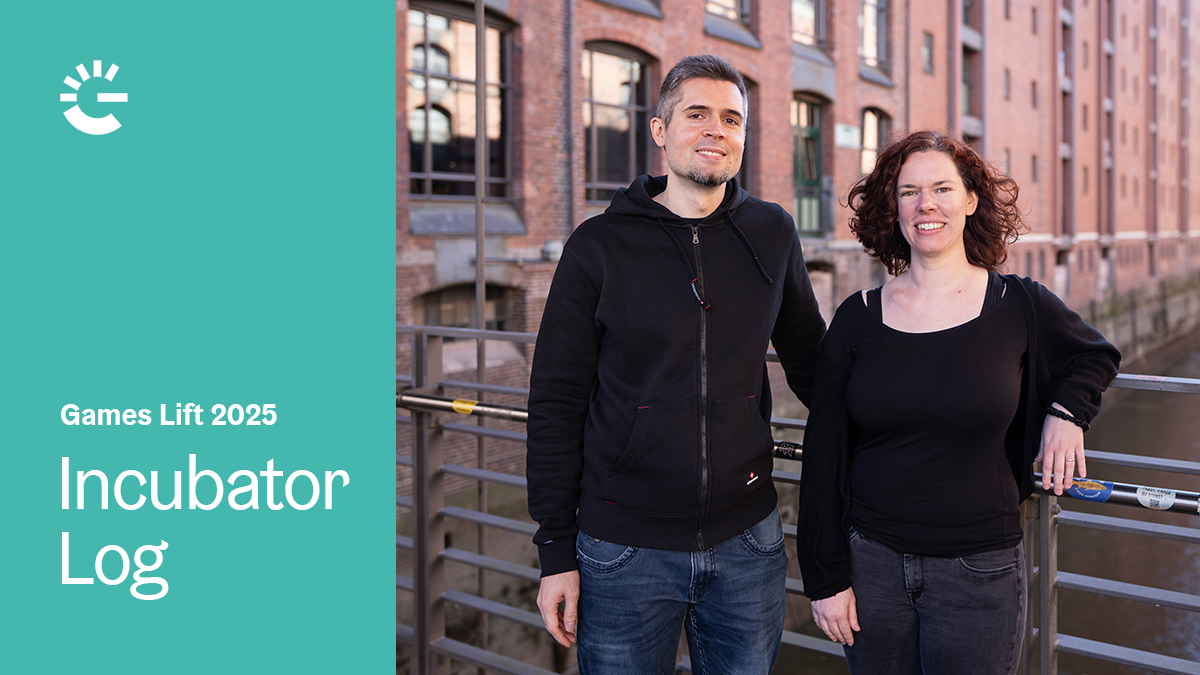
Games Lift: Fading Skies Is a Grand Adventure for a Small Team
The development of Fading Skies, a genre-blending title combining 3D platforming with action RPG elements, serves as a case study for the challenges and creative autonomy inherent in small-team game development. Led by Ronja and Marc Fleps, the project originated from the duo’s professional background in the Hamburg games industry and gained significant momentum after winning the Newcomer category at the 2018 German Computer Game Awards. The project emphasizes core mechanics and player exploration over complex UI or guided progression, aiming for a design philosophy that encourages experimentation and growth through challenge.
The development process highlights the trade-offs between limited resources and creative control. Operating as a two-person team has allowed the developers to prioritize high quality standards over rigid release deadlines, though this approach has extended the development timeline significantly. While the project has utilized external contractors, it has largely remained a self-funded passion project, supplemented by a successful Kickstarter campaign that validated their vertical slice.
Currently, the team is leveraging the Games Lift incubator in Hamburg to refine their production and reconnect with the broader industry. By utilizing modern development tools like Unreal Engine, the creators have successfully scaled an ambitious vision into a manageable scope. The project remains in active development, demonstrating how seasoned professionals can navigate the complexities of independent production by balancing technical expertise with a focused, iterative design process.
- Fading Skies is a 3D platformer and action RPG developed by a two-person team, Ronja and Marc Fleps, who previously worked in the Hamburg games industry.
- The project gained industry recognition by winning the Newcomer category at the 2018 German Computer Game Awards.
- The developers prioritized creative autonomy and high quality standards over rigid deadlines, resulting in an extended development timeline for the self-funded project.
- A successful Kickstarter campaign served as a critical validation point for the game's vertical slice, supplementing the team's self-funding model.
- The team is currently utilizing the Games Lift incubator in Hamburg to refine production processes and reconnect with industry networks.
+1
Gamecity Hamburg

Article
Games Lift: Leif Gutowski Plays with Cursed Trading Cards
The Games Lift Incubator, a program managed by Gamecity Hamburg, serves as a platform for fostering local game development talent through financial support, workshops, and mentorship. A primary example of this initiative is the development of Encaged & Ungraded, a project by solo developer Leif Gutowski. The game functions as a hybrid of anomaly horror and job simulation, tasking players with inspecting trading cards for authenticity while identifying supernatural threats.
The project draws inspiration from the broader indie horror landscape, specifically referencing titles like Inscryption and Dollmare. By leveraging his background in software development and his personal history with physical trading cards, Gutowski has created a concept that emphasizes intimate, desk-based gameplay. The development process highlights the importance of collaborative creative input, as evidenced by the integration of professional illustration and art direction to refine the game’s visual identity.
The incubator provides a structured environment for developers to transition from technical execution to broader industry concerns, such as marketing and professional networking. By facilitating connections within the Hamburg game development ecosystem, the program enables creators to build sustainable projects while benefiting from the expertise of established peers. This approach underscores the incubator's broader goal of strengthening the regional industry by supporting individual developers through both the creative and business phases of production.
- The Games Lift Incubator, managed by Gamecity Hamburg, supports local game development through a combination of financial backing, professional workshops, and mentorship.
- Solo developer Leif Gutowski is utilizing the incubator to produce 'Encaged & Ungraded,' a hybrid anomaly horror and job simulation game centered on inspecting trading cards for supernatural threats.
- The project's design draws direct inspiration from indie horror titles such as 'Inscryption' and 'Dollmare' while incorporating Gutowski’s personal experience with physical trading cards.
- The development process for 'Encaged & Ungraded' emphasizes a collaborative approach, integrating professional illustration and art direction to establish the game's visual identity.
- The incubator program focuses on transitioning developers from technical execution to business-critical areas, including marketing, professional networking, and long-term project sustainability.
+1
Gamecity Hamburg
Article
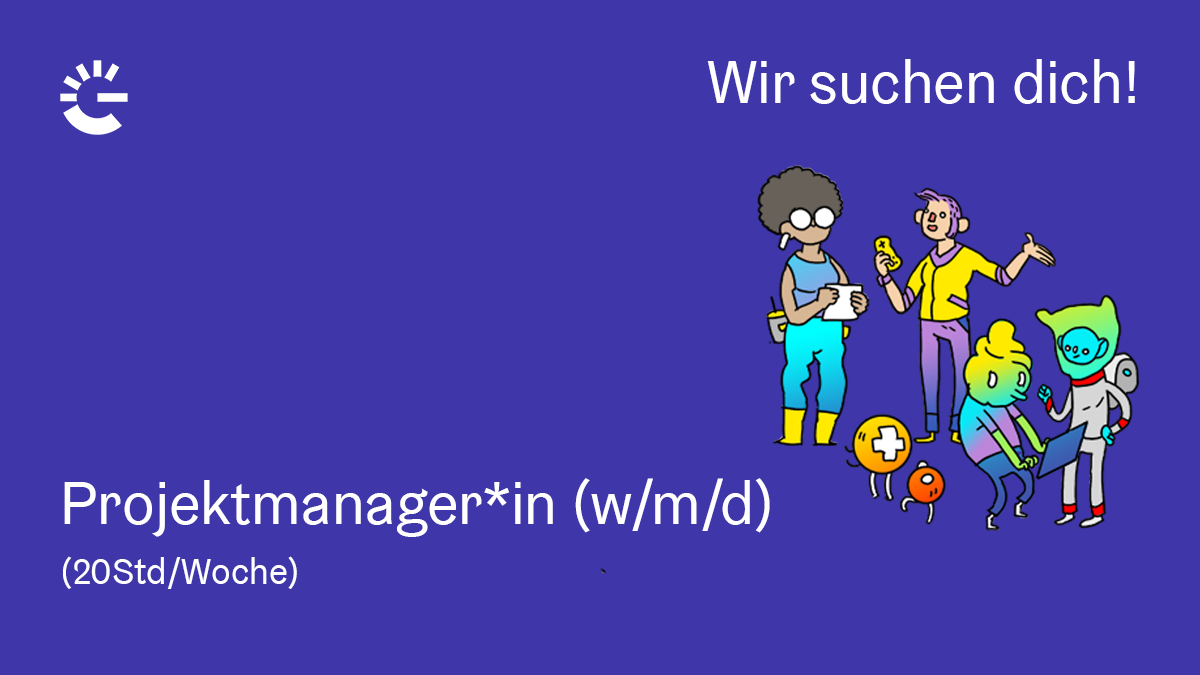
Stellenausschreibung: ProjektmanagerIn in Teilzeit
Gamecity Hamburg, the dedicated initiative for the games industry within the Hamburg Kreativ Gesellschaft, is seeking a part-time project manager to support its ongoing operations. The position requires a commitment of 20 hours per week and is initially limited to a 12-month term. The role is based in Hamburg’s HafenCity, though the organization supports flexible and mobile working arrangements.
The primary objective of this role is to assist in the development and execution of initiatives that foster the local games ecosystem. Key responsibilities include managing projects related to event organization, networking, and industry support programs. The successful candidate will collaborate with a team of six within Gamecity Hamburg and interact with a broader network of approximately 60 colleagues across the Hamburg Kreativ Gesellschaft, as well as external stakeholders including startups, universities, and industry representatives.
Candidates are expected to possess professional experience in project and event management, including the ability to define and meet strategic milestones. Proficiency in project planning tools, Microsoft Office, and content management systems is required, alongside strong communication skills in both German and English. The role demands an analytical, structured approach and a willingness to participate in evening events.
The Hamburg Kreativ Gesellschaft, a wholly-owned subsidiary of the Free and Hanseatic City of Hamburg, serves as the municipal economic development agency for the creative industries. By facilitating this recruitment, the organization aims to continue its work in improving industry framework conditions, managing funding programs like the Games Lift Incubator, and organizing major industry events such as the Portside Game Assembly. Applications for the position are accepted exclusively through the organization's online portal until January 11, 2026.
- Gamecity Hamburg is hiring a part-time project manager for a 20-hour-per-week role, initially limited to a 12-month term.
- The application deadline for the position is January 11, 2026, with submissions accepted exclusively through the organization's online portal.
- The role focuses on managing events, networking, and industry support programs to foster the local games ecosystem within the Hamburg Kreativ Gesellschaft.
- Candidates must possess professional experience in project and event management, proficiency in Microsoft Office and CMS tools, and bilingual fluency in German and English.
- The successful candidate will work within a core team of six at Gamecity Hamburg while coordinating with 60 colleagues across the broader Hamburg Kreativ Gesellschaft.
Gamecity Hamburg

Article
Recap 2025: Gamecity Hamburg
The 2025 recap for Gamecity Hamburg highlights a year of significant growth and community engagement within the Hamburg games industry. The primary objective of the organization remains the support and promotion of local developers through a combination of networking events, educational programming, and financial assistance. By fostering connections between local talent and international industry experts, the initiative aims to solidify Hamburg’s position as a key hub for game development.
Key activities in 2025 included the inaugural Portside Game Assembly, which brought together indie studio leaders from over 15 countries, and the continuation of established formats like the Pitch Level Up, Game Playtest Nights, and various FLINTA networking meetups. The organization also maintained its commitment to professional development through online series such as XP Boost and Game Starter, which covered topics ranging from self-publishing to marketing and software development.
Financial and structural support remained a cornerstone of the year’s efforts. Through the Prototype Funding program, five projects received grants of up to 80,000 euros each, while the Games Lift Incubator provided five teams with comprehensive mentoring, workshops, and networking opportunities. Furthermore, the organization facilitated international exposure for 16 local teams by coordinating their presence at major industry conventions, including Nordic, gamescom, and the Polaris Convention.
The local industry saw a steady stream of releases throughout the year, including titles from studios such as Tiny Roar, Impawsible Games, and InnoGames. Several Hamburg-based projects also garnered industry recognition, with awards and nominations at events like the Deutscher Computerspielpreis, the Devcom Awards, and the Indie Awards at Reboot Develop Blue. These achievements underscore the effectiveness of the support ecosystem provided to the Hamburg games community.
- Gamecity Hamburg awarded 80,000 euros each to five projects through its Prototype Funding program to support local development.
- The Games Lift Incubator provided five teams with a structured support ecosystem consisting of mentoring, workshops, and networking.
- Gamecity Hamburg facilitated international industry exposure for 16 local teams by coordinating their presence at major events including gamescom, Nordic, and the Polaris Convention.
- The inaugural Portside Game Assembly successfully convened indie studio leaders from over 15 countries to foster international connections.
- Hamburg-based studios, including Tiny Roar, Impawsible Games, and InnoGames, released titles throughout 2025 and secured recognition at events like the Deutscher Computerspielpreis and Devcom Awards.
+1
Gamecity Hamburg
Article
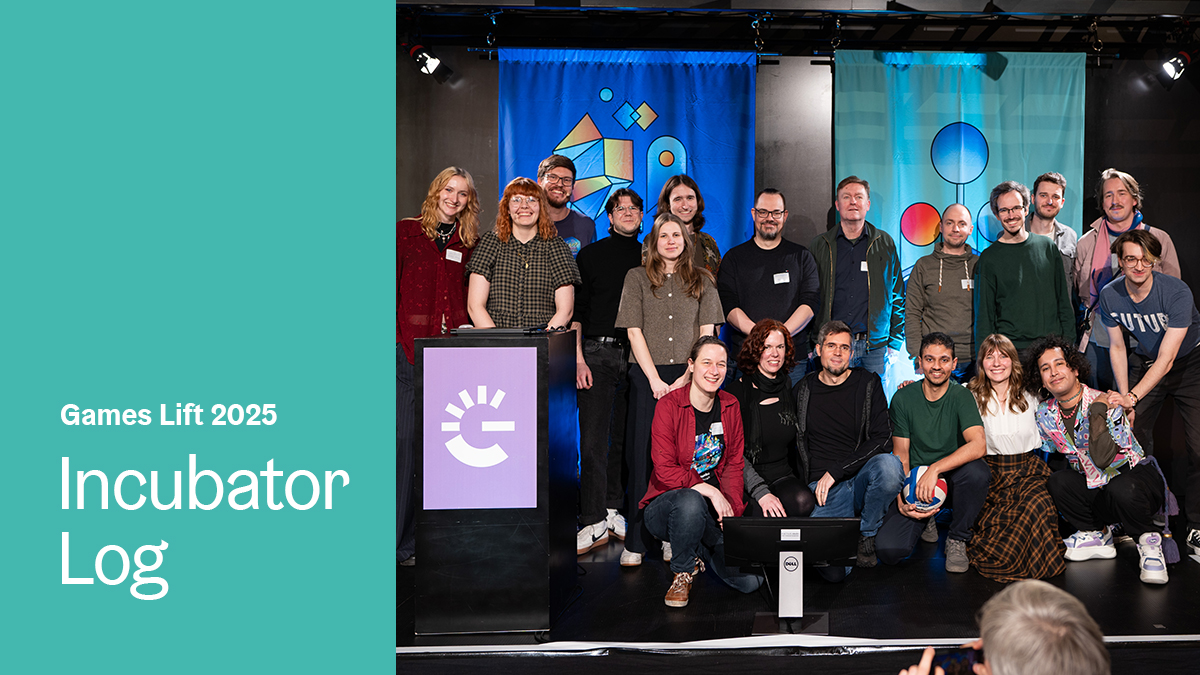
Games Lift: Graduation 2025: Hamburg
The Games Lift Graduation 2025 event marked the conclusion of the annual incubator program hosted by Gamecity Hamburg. The primary purpose of the event was to showcase the progress of five selected development teams, highlighting their evolution in project scope, narrative design, and professional confidence over the course of the program. The presentations served as a final milestone for these independent developers, demonstrating their readiness for future market entry and commercial viability.
The cohort featured a diverse range of projects, each demonstrating significant development shifts during the incubation period. Notable projects included "The Wrong Horse," a crime adventure integrating minigames with a planned 2027 release; "Ungradable," a horror-themed job simulation centered on card inspection; and "Project Slimepot," an action RPG inspired by German folklore. Other participants included "Fading Skies," a Metroidvania-style adventure that has already validated its market potential through a successful Kickstarter campaign, and "AfterLive," a roguelite that successfully pivoted from a sports-based concept to a reality-show-themed narrative.
The incubator program focuses on providing mentorship and structural support to independent game developers based in Hamburg. By facilitating workshops and professional guidance, the initiative aims to refine game concepts, improve marketing strategies, and foster industry connections. The graduation event underscores the program's success in helping teams sharpen their focus, adapt to audience feedback, and transition from early-stage concepts to more polished, market-ready products. The event highlights the ongoing commitment of the Hamburg creative sector to nurturing local talent and sustaining the regional game development ecosystem.
- Gamecity Hamburg’s 2025 Games Lift incubator program concluded with five independent development teams demonstrating their transition from early-stage concepts to market-ready products.
- The cohort included 'The Wrong Horse' (crime adventure, 2027 release), 'Ungradable' (horror job simulation), 'Project Slimepot' (folklore-inspired action RPG), 'Fading Skies' (Metroidvania), and 'AfterLive' (reality-show-themed roguelite).
- The Metroidvania title 'Fading Skies' has already achieved external market validation through a successful Kickstarter campaign.
- The 'AfterLive' project successfully executed a major strategic pivot during the program, transitioning from a sports-based concept to a reality-show narrative.
- The incubator program provides structured mentorship, workshops, and professional guidance specifically designed to refine marketing strategies and improve the commercial viability of Hamburg-based developers.
Gamecity Hamburg

Article
Gamecity Hamburg Preview: 2026
Gamecity Hamburg provides a strategic roadmap for the 2026 calendar year, outlining key funding opportunities, professional development programs, and industry events designed to support the local games ecosystem. The primary objective is to foster growth for Hamburg-based developers through financial assistance, networking, and international exposure.
The organization manages two major funding initiatives: Prototype Funding and the Games Lift Incubator. Prototype Funding offers up to 400,000 euros in total non-repayable grants, with individual awards covering up to 80 percent of eligible costs, capped at 80,000 euros per project. The application window for this program is scheduled for February 23 to March 30, 2026. Simultaneously, the Games Lift Incubator provides five selected teams with 15,000 euros in funding, a comprehensive one-year workshop curriculum, and professional mentoring, with applications open from April 27 to June 1, 2026.
Beyond direct funding, the organization facilitates market access through its "Road to" programs, which assist local studios in showcasing their work at major trade fairs such as gamescom and Polaris. The 2026 event calendar includes a series of B2B and educational gatherings, such as the "Game Starter" programming sessions, "Pitch Level Up" for investor readiness, and the "Portside Game Assembly," a two-day conference focused on international indie studio collaboration. These initiatives collectively aim to strengthen the regional industry by connecting local talent with global publishers, investors, and media professionals.
- Prototype Funding offers non-repayable grants covering up to 80 percent of project costs, capped at 80,000 euros per project, with a total pool of 400,000 euros available.
- The application window for Prototype Funding is open from February 23 to March 30, 2026.
- The Games Lift Incubator selects five teams to receive 15,000 euros each, plus a one-year curriculum of workshops and professional mentoring.
- Applications for the Games Lift Incubator are accepted between April 27 and June 1, 2026.
- Gamecity Hamburg provides 'Road to' programs to facilitate studio presence at major trade fairs, specifically naming gamescom and Polaris.
+1
Gamecity Hamburg
Article
SalsaShark Studios Release: Super Chipflake Ü - Quest for the Uncooked Schnitzel
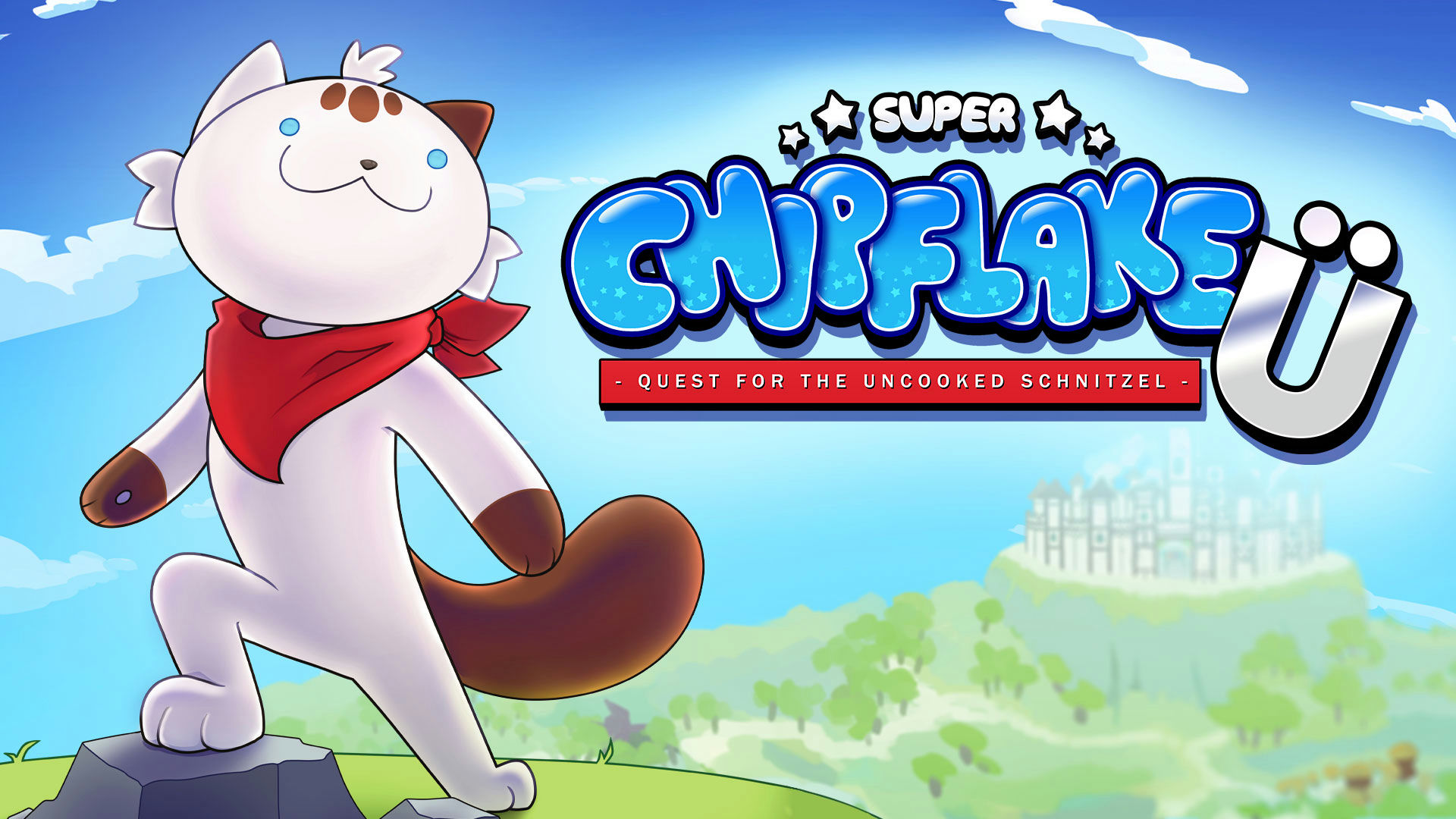
SalsaShark Studios, a Hamburg-based developer founded by Christian Wasser, officially released its debut title, Super Chipflake Ü: Quest for the Uncooked Schnitzel, on January 19, 2026. The game is a colorful 3D platformer available for both Nintendo Switch and PC platforms.
The gameplay centers on a cat-like protagonist navigating a semi-open world known as the Schländ. Players engage with various mini-games, puzzles, and non-player characters to progress through the narrative. A core feature of the experience is a unique merging mechanic, which allows players to combine disparate items—such as sticks and mushrooms—to create tools, platforms, or medicinal solutions for characters within the game world.
This release highlights the ongoing creative output of the Hamburg game development scene. The studio, led by the developer and YouTuber known as Samb, utilized a small team to bring the project to market. The launch is part of a broader regional ecosystem supported by initiatives like Gamecity Hamburg, which provides infrastructure, funding, and networking opportunities for local studios to showcase their work and reach international audiences.
- SalsaShark Studios, a Hamburg-based developer led by Christian Wasser (Samb), released its debut 3D platformer, Super Chipflake Ü: Quest for the Uncooked Schnitzel, on January 19, 2026.
- The game is currently available for both Nintendo Switch and PC platforms.
- Core gameplay features a semi-open world environment called the Schländ, centered on a unique item-merging mechanic used to create tools, platforms, and medicinal solutions.
- The project was developed by a small team as part of the broader Hamburg game development ecosystem.
- The studio’s development and market entry were supported by Gamecity Hamburg, an initiative providing infrastructure, funding, and networking resources for local developers.
+3
Gamecity Hamburg
Article
Games Lift: Curio Compass Points to New Ideas
The Games Lift Incubator, a program managed by Gamecity Hamburg, serves as a catalyst for emerging game developers to refine their projects through mentorship, workshops, and financial support. The program focuses on fostering innovation within the Hamburg games industry by providing selected teams with 15,000 euros in funding, a dedicated coaching budget, and access to international industry events. This initiative highlights the importance of iterative design and professional guidance in transforming early-stage concepts into viable market products.
A primary example of this development process is the studio Curio Compass, which utilized the incubator to pivot its debut project, Limbo City AfterLIVE. Originally conceived as a volleyball-themed game titled Phasmopass, the team shifted the project toward a narrative-driven, turn-based combat roguelite. This strategic change, influenced by incubator discussions, was designed to broaden the game's appeal and deepen its narrative impact. The game draws thematic inspiration from the real-world experiences of its creators, specifically the pressures of constant surveillance and performance, which are translated into a surreal reality television setting.
The incubator emphasizes the use of open-source tools, such as the Godot engine, reflecting a broader trend among independent developers to prioritize accessible and flexible technology. By supporting teams like Curio Compass, the program facilitates the transition from academic or experimental projects to professional prototypes. The ongoing success of such initiatives underscores the regional commitment to sustaining a vibrant, collaborative ecosystem for game development in Hamburg, providing a structured pathway for studios to navigate the complexities of the modern gaming market.
- The Games Lift Incubator in Hamburg supports emerging developers with 15,000 euros in funding, a dedicated coaching budget, and access to international industry events.
- Studio Curio Compass successfully pivoted its debut project, Limbo City AfterLIVE, from a volleyball-themed game titled Phasmopass into a narrative-driven, turn-based combat roguelite based on incubator feedback.
- The incubator program prioritizes iterative design and professional mentorship to help teams transition experimental concepts into viable, market-ready prototypes.
- Curio Compass utilized the incubator to refine its game's thematic focus, centering the narrative on surveillance and performance pressures within a surreal reality television setting.
- The program encourages the use of open-source technology, specifically the Godot engine, reflecting a broader industry trend toward accessible and flexible development tools.
+1
Gamecity Hamburg
Article
Hamburg-based Overhype Studios Release MENACE in Early Access
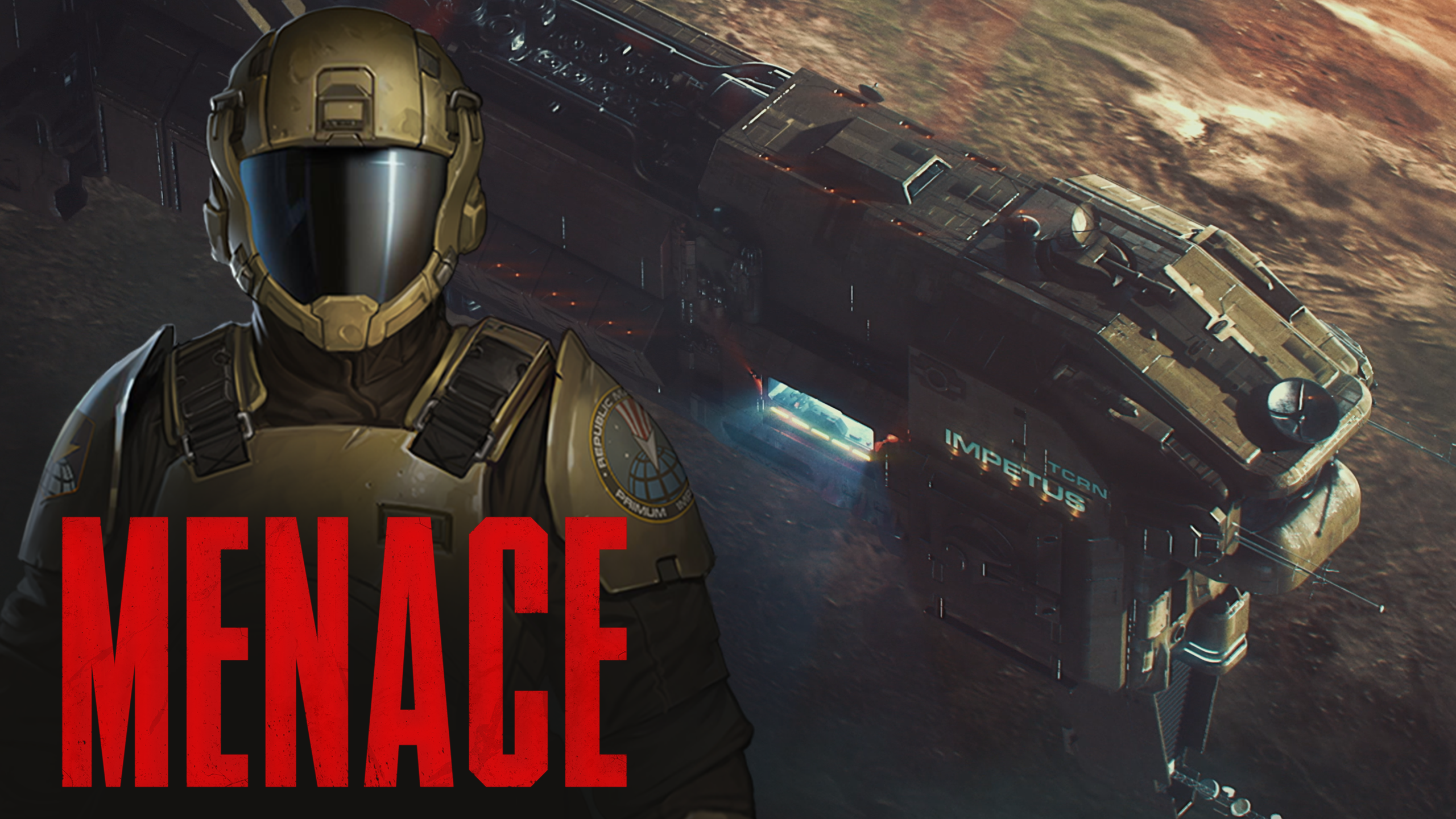
Overhype Studios, an independent game developer based in Hamburg, Germany, officially launched its latest title, MENACE, into Early Access on February 5, 2026. Published by Hooded Horse, the game represents a strategic expansion of the studio’s portfolio, moving from the low-fantasy setting of their previous success, BATTLE BROTHERS, into a sci-fi environment. The studio, which has been active since 2015, continues to focus on its core competency of developing turn-based tactical role-playing games.
MENACE challenges players to command a diverse force of marines, mercenaries, and criminals within a lawless, isolated star system. The gameplay emphasizes tactical decision-making, requiring users to manage infantry squads, tanks, and walking robots while navigating complex political dynamics involving pirate factions, corporations, and fragmented planetary governments. The title is currently available for PC via Steam and the Epic Games Store.
This release highlights the ongoing activity within the Hamburg game development ecosystem, which frequently supports local studios through initiatives like funding programs, networking events, and industry showcases. The launch of MENACE serves as a notable example of a Hamburg-based developer leveraging international publishing partnerships to bring specialized tactical RPG content to a global market.
- Overhype Studios launched its new turn-based tactical RPG, MENACE, into Early Access on February 5, 2026.
- The title is published by Hooded Horse and is currently available for PC via Steam and the Epic Games Store.
- MENACE marks a strategic shift for the Hamburg-based developer, moving from the low-fantasy setting of their previous title, BATTLE BROTHERS, into a sci-fi environment.
- Gameplay in MENACE focuses on managing infantry, tanks, and robots while navigating political conflicts between pirates, corporations, and planetary governments.
- Overhype Studios has been active in the independent game development sector since 2015.
+2
Gamecity Hamburg
Article
Senator's Roundtable: Hamburg
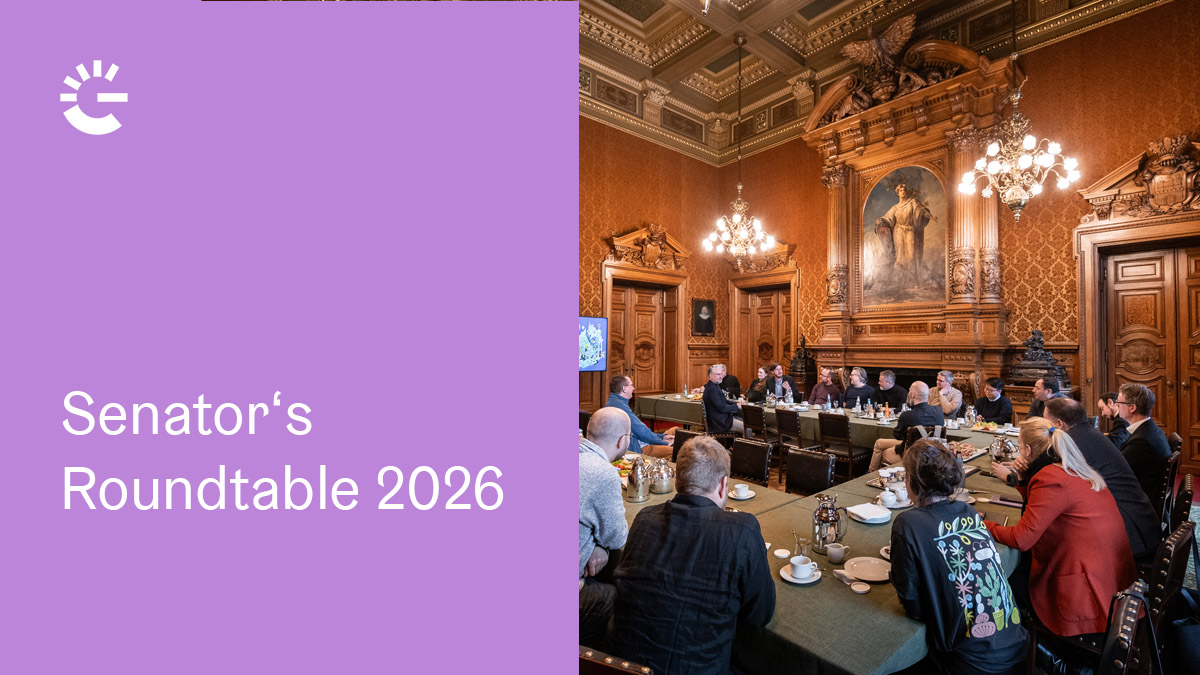
The Senator’s Roundtable, held on February 5, 2026, at Hamburg City Hall, served as a strategic forum for aligning local government policy with the needs of the regional games industry. Hosted by Dr. Carsten Brosda, Senator for Culture and Media, and Gamecity Hamburg, the event facilitated a direct exchange between political leadership and representatives from numerous Hamburg-based game companies and organizations. The primary objective was to evaluate the current state of the industry, address operational challenges, and review the ongoing initiatives managed by Gamecity Hamburg.
Key discussions centered on maintaining the region's competitive edge, with participants emphasizing the necessity of reliable, level playing fields regarding tax credits and the implementation of the EU’s Digital Fairness Act. The meeting also highlighted the success of recent industry events—such as the Portside Game Assembly, Polaris Convention, and Gamesforum Hamburg—as vital drivers for increasing Hamburg’s international visibility. To further support the local ecosystem, Gamecity Hamburg announced plans to expand networking opportunities throughout 2026, including the introduction of a new CEO Meetup format.
The roundtable underscored a collaborative approach to regional development, integrating the games sector with broader creative industries through initiatives like the German Creative Economy Summit. By fostering consistent dialogue between policymakers and industry leaders, the event aimed to ensure that Hamburg remains a robust hub for game development, supported by both public sector engagement and private sector innovation.
- Hamburg’s government and industry leaders met on February 5, 2026, to align regional policy with the operational needs of local game companies.
- Industry stakeholders identified the implementation of the EU’s Digital Fairness Act and the establishment of competitive tax credits as critical priorities for maintaining the region's market position.
- Gamecity Hamburg will launch a new CEO Meetup format in 2026 to expand networking and strengthen the local development ecosystem.
- Events including the Portside Game Assembly, Polaris Convention, and Gamesforum Hamburg were identified as the primary drivers for increasing Hamburg’s international industry visibility.
- Regional development strategy is shifting toward integrating the games sector with broader creative industries, exemplified by the German Creative Economy Summit.
Gamecity Hamburg