Computers and Games
4 reports, presentations and talks by Computers and Games in the Game Industry Library, the newest “Automated Discovery of Search-Extension Features” (2010).
Documents
Automated Discovery of Search-Extension Features
The design of effective search-extension schemes in game-playing programs traditionally relies on manual, intuition-based selection of move categories, a process that is both time-consuming and prone to human error.
- The Gradual Focus algorithm automates the discovery of search-extension features, replacing manual, intuition-based selection with a systematic, iterative process.
- Empirical testing in the game Breakthrough shows that Gradual Focus explores a search space two orders of magnitude smaller than brute-force methods while maintaining high precision and recall.
- The algorithm constructs complex features from atomic properties like piece type and placement, effectively mitigating the combinatorial explosion typically seen in feature generation.
An Evaluation Function for the Game of Amazons
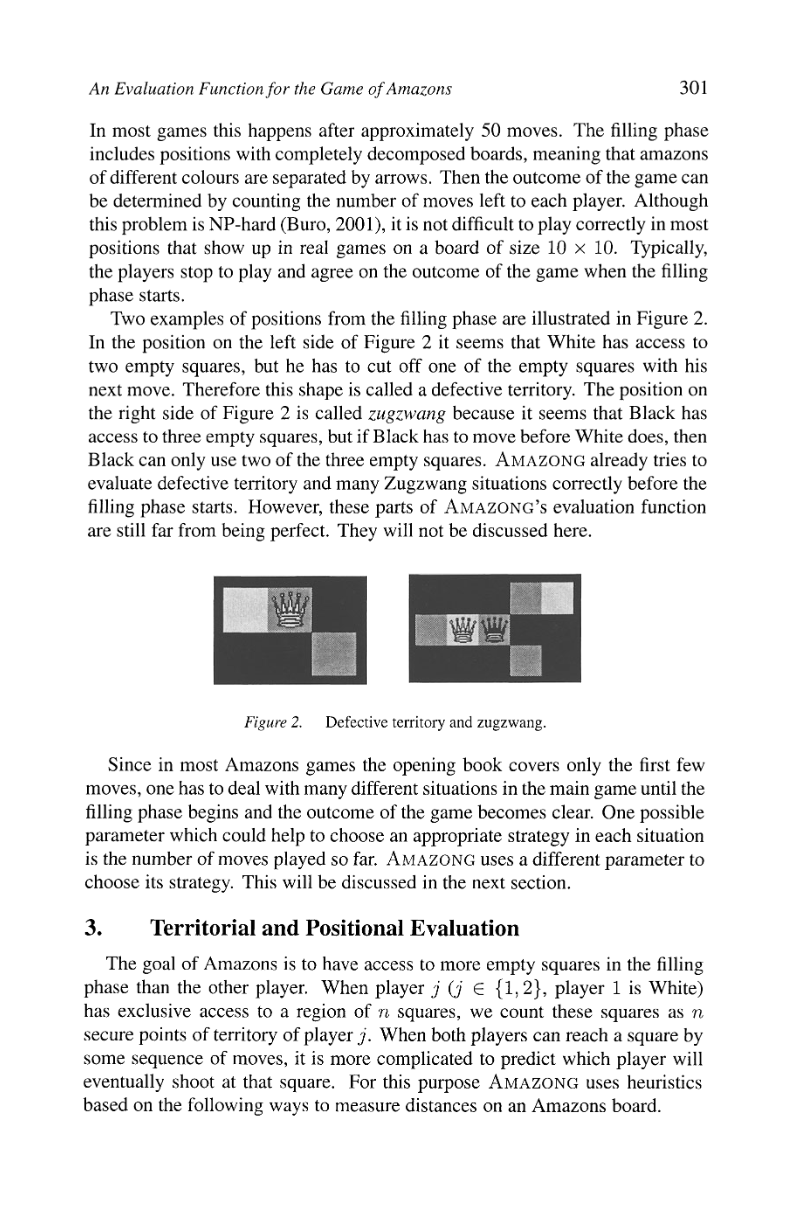
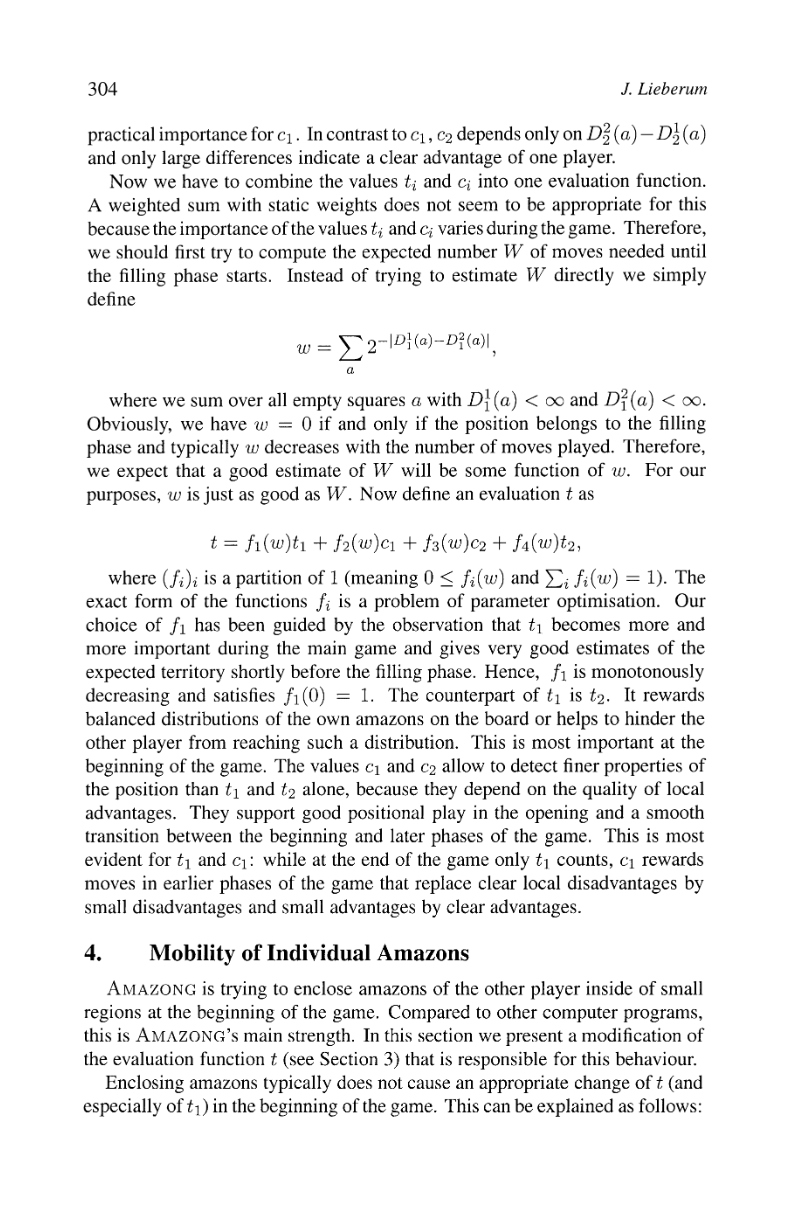
This analysis details the development and implementation of an evaluation function for the computer program AMAZONG, designed to play the game of Amazons.
Model Endgame Analysis
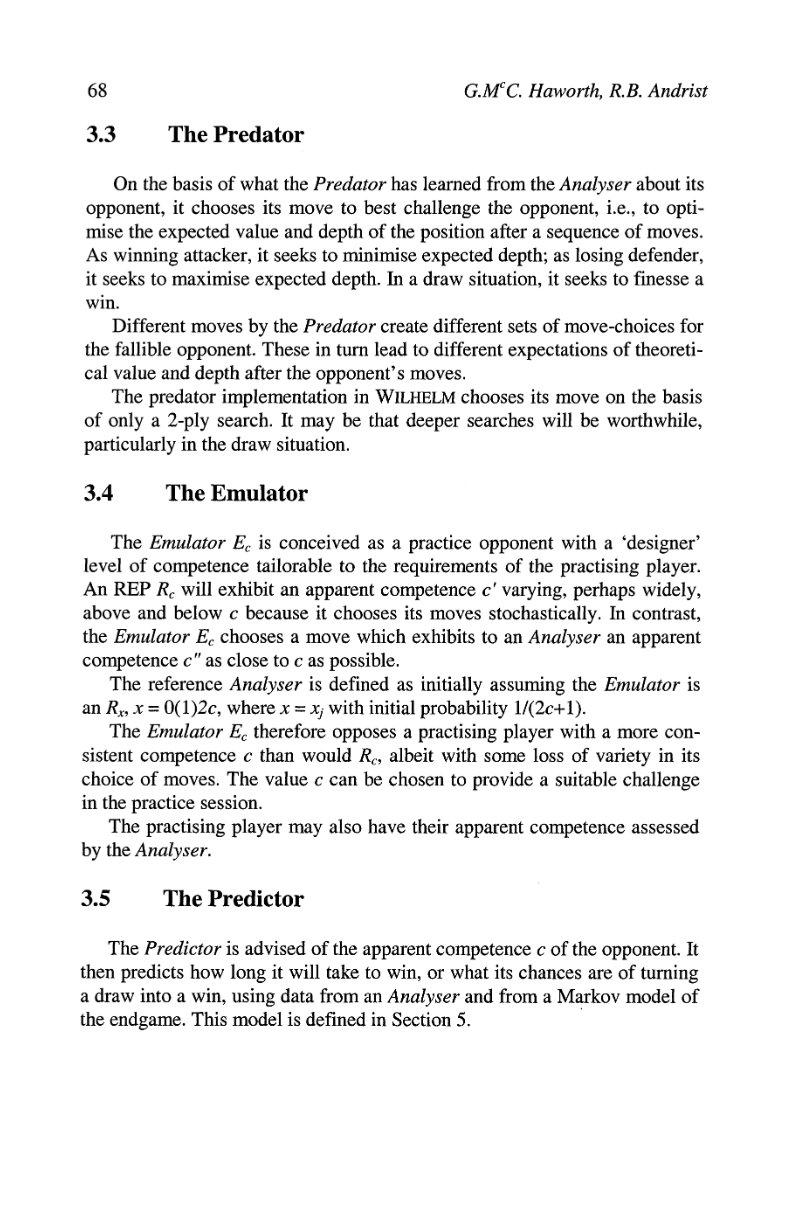
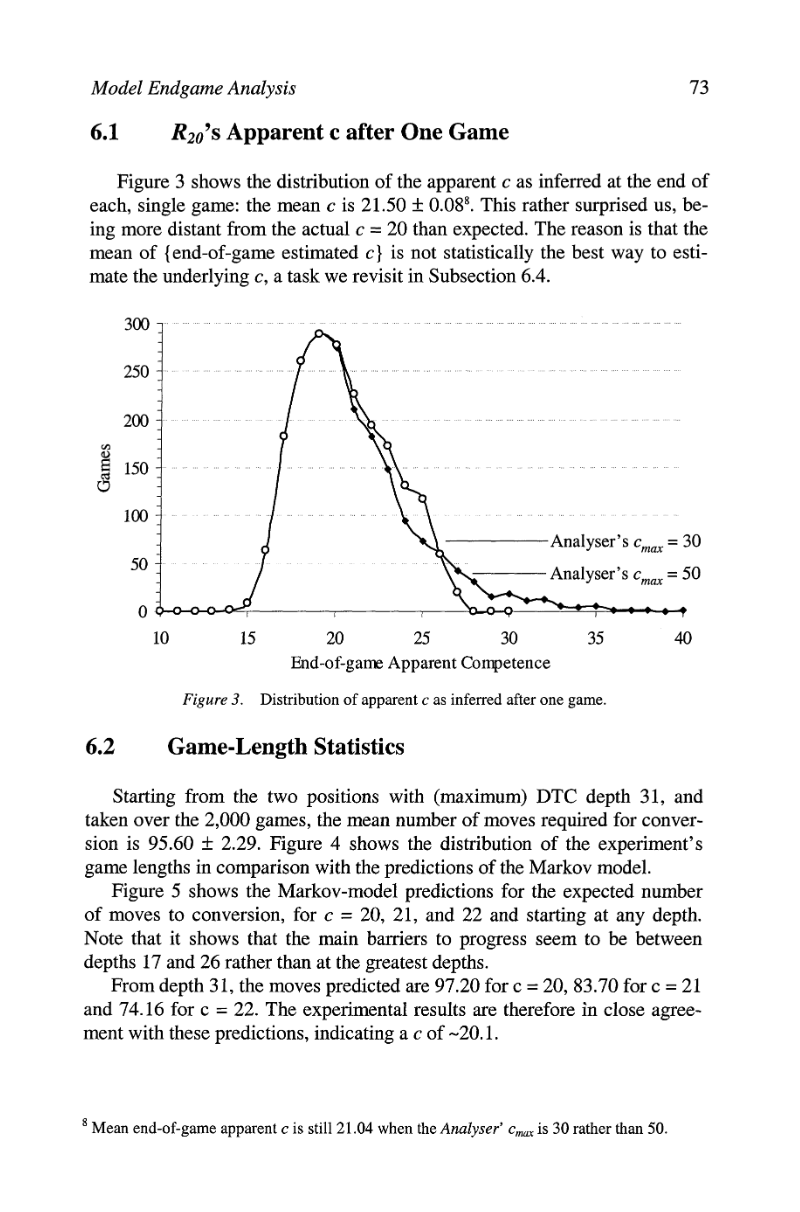
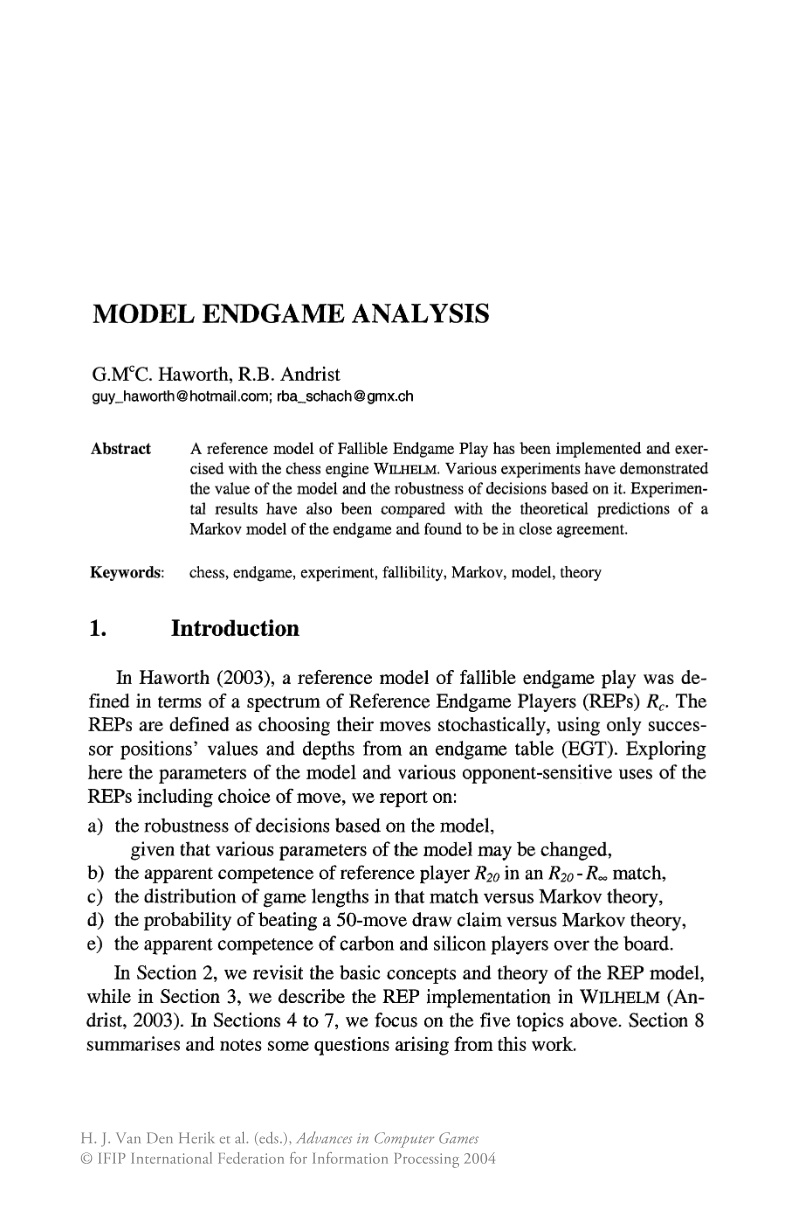
This analysis evaluates a reference model of fallible endgame play in chess, utilizing a spectrum of Reference Endgame Players (REPs) to simulate and analyze human and machine performance.
Search and Knowledge in Lines of Action
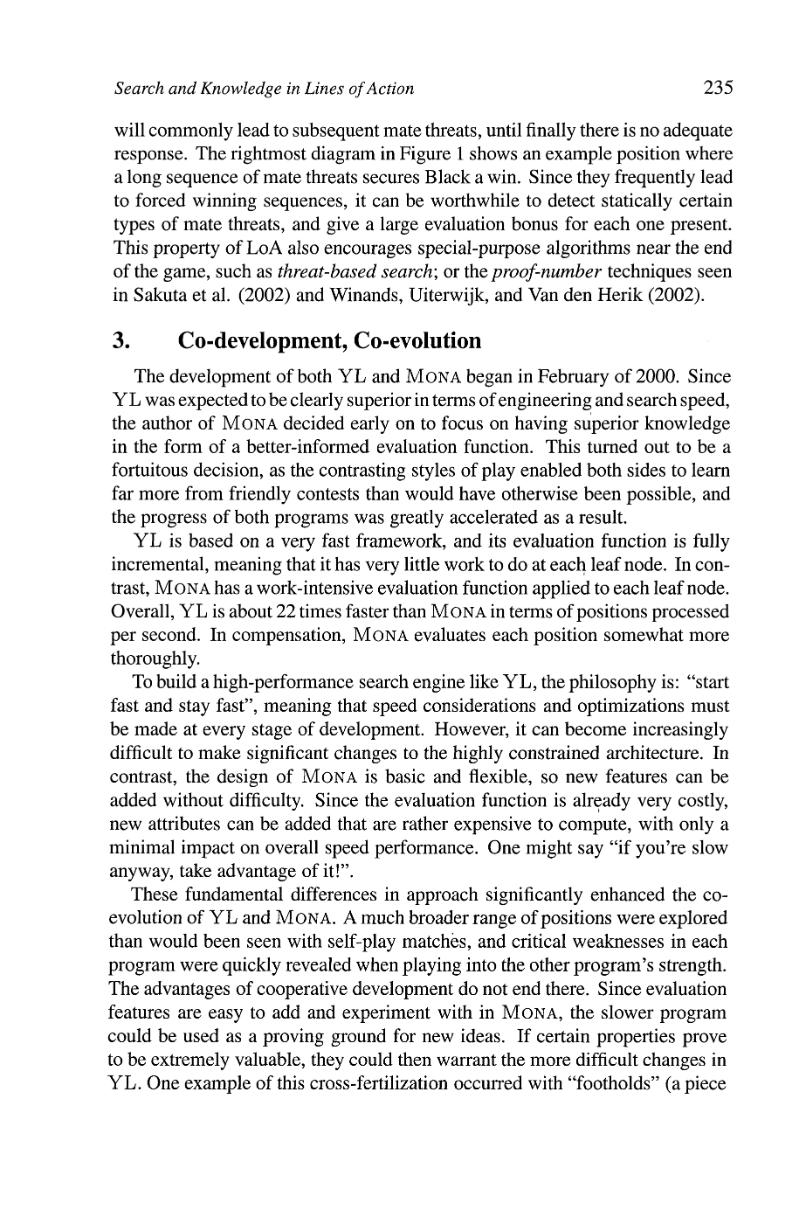
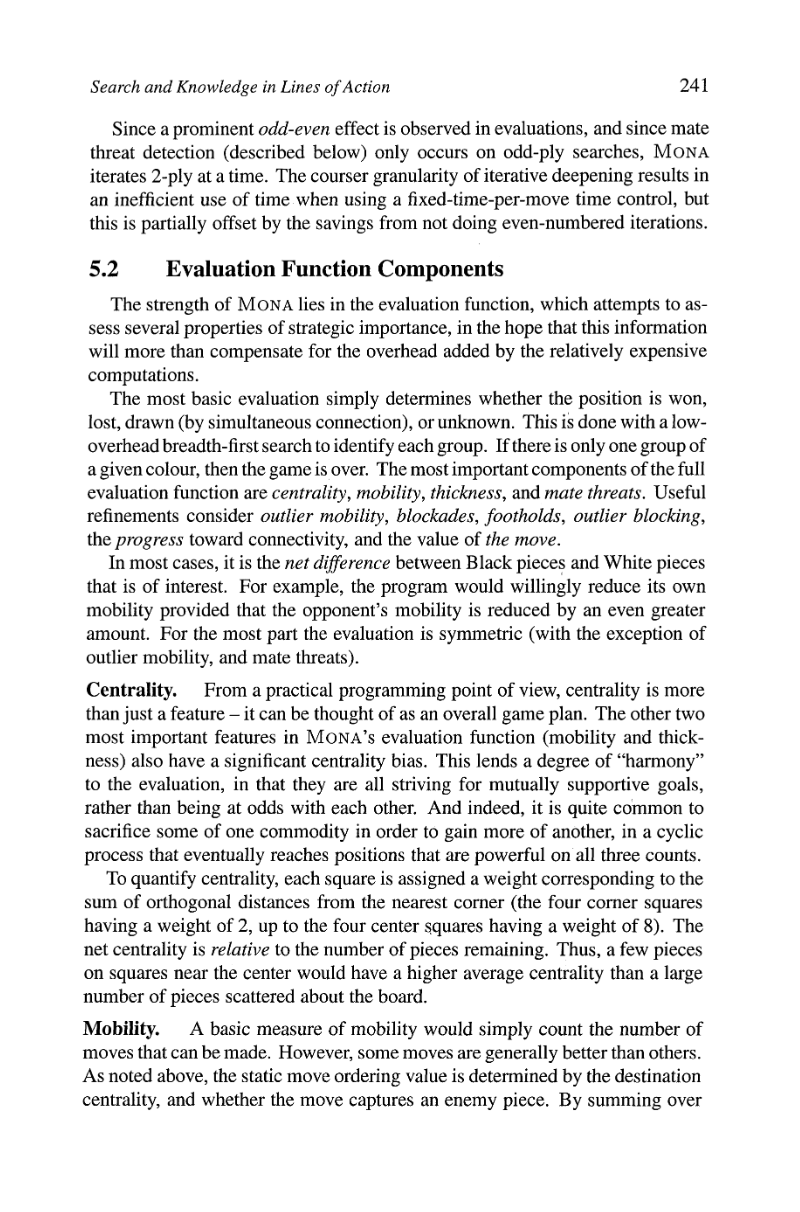
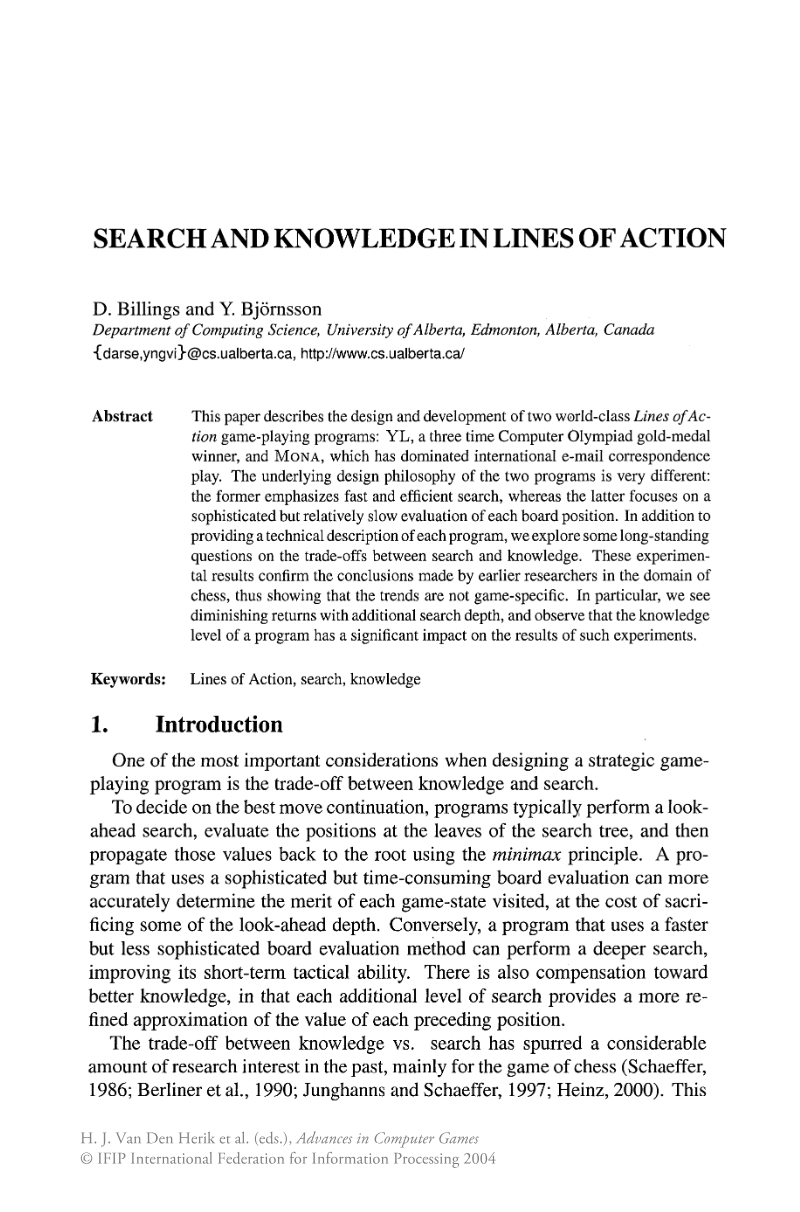
The development of the Lines of Action programs YL and MoNA illustrates the fundamental tension between computational search depth and the sophistication of positional evaluation.
Do you work at Computers and Games? Get a free report of how these documents are read and cited here.