1 free read left. Create a free account for unlimited reading + AI research.
Create free accountWhitepaperFoundations of Digital Games (FDG)
Distilling the key insights…
Game design can be significantly enhanced by integrating principles derived from stage magic, specifically those centered on perceived causality and the psychological management of player expectations. By treating game mechanics as a series of consistent causal laws, designers can construct more immersive environments that maintain a coherent user illusion. This framework allows for the creation of meaningful surprises and structured onboarding processes that deepen player engagement without breaking the suspension of disbelief.
Central to this approach is the concept of forcing, a technique that guides player behavior while preserving a sense of genuine autonomy. Through the strategic use of identical choices, stereotypical patterns, and visual saliency, developers can subtly steer players toward intended outcomes. These methods allow for the maintenance of narrative flow and the creation of satisfying puzzles that foster a sense of mastery. By establishing clear expectations and then introducing calculated deviations, designers can craft experiences that feel responsive and interactive, even when the underlying mechanics are pre-scripted.
This analytical framework provides a rigorous, albeit currently underutilized, methodology for future game development. By applying the psychological principles of magic, designers can better balance the tension between constrained design and the player's desire for agency. These techniques offer a promising path for creating more compelling, coherent, and interactive experiences across the broader gaming industry, suggesting that the intersection of performance art and software engineering holds significant potential for advancing the craft of game design.

Association for Computing Machinery · 2025

Association for Computing Machinery · 2025
Association for Computing Machinery · 2025
Foundations of Digital Games (FDG) · 2024
Foundations of Digital Games (FDG) · 2024
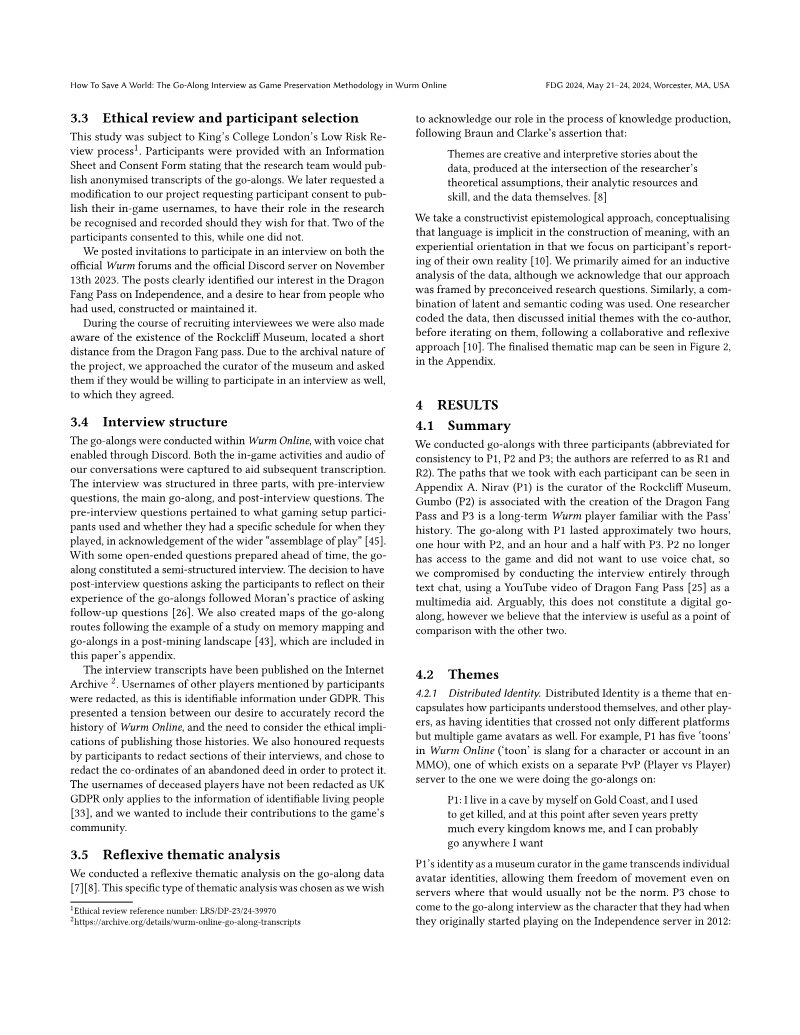
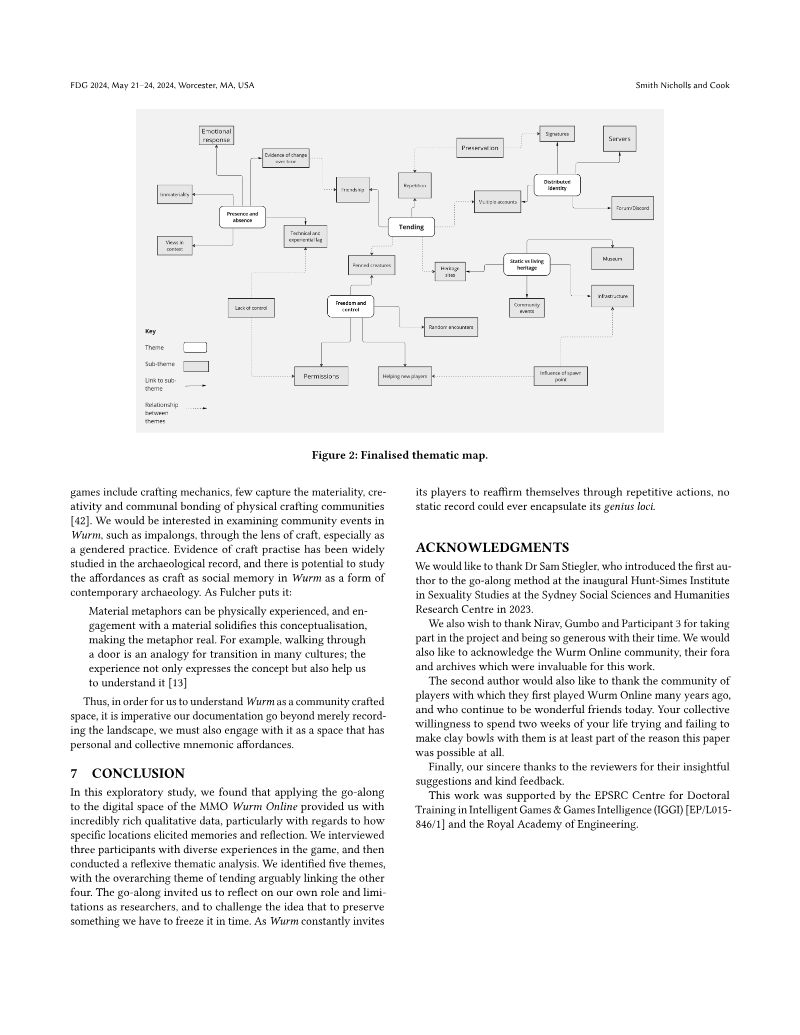
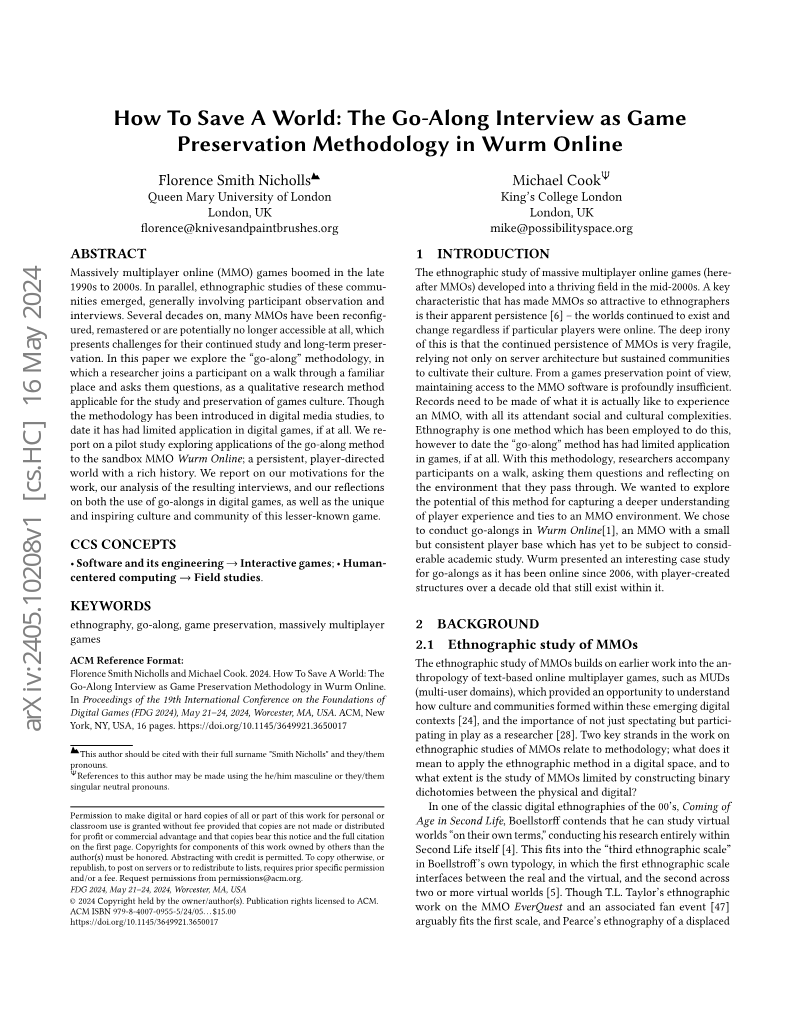
Foundations of Digital Games (FDG) · 2024
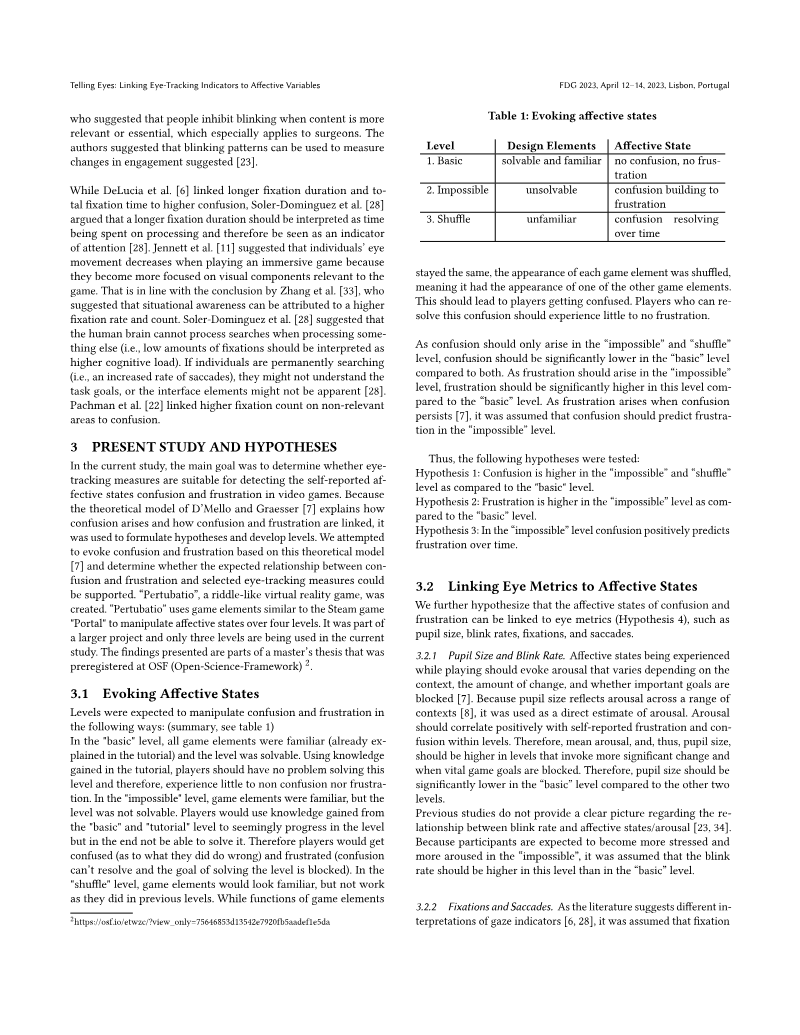
Foundations of Digital Games (FDG) · 2023
Foundations of Digital Games (FDG) · 2023
Foundations of Digital Games (FDG) · 2023
Foundations of Digital Games (FDG) · 2023
Foundations of Digital Games (FDG) · 2023
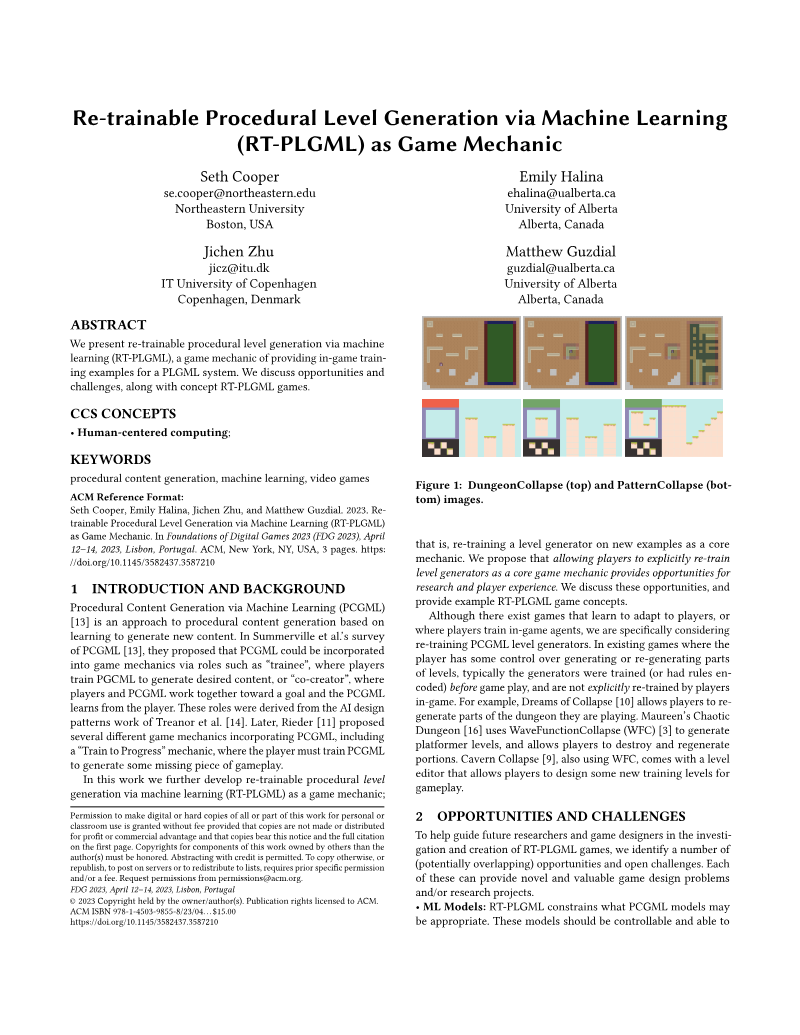
Foundations of Digital Games (FDG) · 2023
Ludic Language Pedagogy · 2026





















Comments