
FinancialWarner Bros. Discovery
Warner Bros. Discovery Form 10-Q: Q3 2022
4 Nov 20221 pages~216 min full read
Warner Bros. Discovery’s financial performance for the third quarter of 2022 is defined by the massive structural and operational integration following the April 2022 merger between Discovery, Inc. and WarnerMedia. The company, now operating through Studios, Networks, and Direct-to-Consumer (DTC) segments, reported total revenues of $9.82 billion against a net loss of $2.29 billion. This deficit is largely attributed to $1.52 billion in restructuring charges and significant content impairments totaling $1.39 billion, as the firm realigns its strategic assets and organizational framework.
The merger necessitated a complex consolidation of balance sheets, resulting in $34.45 billion in goodwill and $46.74 billion in finite-lived intangible assets. While the Studios segment demonstrated resilience with a 43% increase in quarterly Adjusted EBITDA, the Networks and DTC divisions faced headwinds, including declining linear subscriber counts and an Adjusted EBITDA loss of $634 million for the DTC segment. Despite these pressures, the company reached 94.9 million core DTC subscribers and continues to prioritize the development of its streaming platforms, HBO Max and discovery+.
Financial risk management remains a central focus, with the company utilizing extensive derivative instruments, including cross-currency and interest rate swaps, to mitigate exposure on its $50.14 billion debt load. Liquidity is supported by a $6 billion revolving credit facility and strategic dispositions, such as the partial sale of The CW Network. Management expects total pre-tax restructuring charges to reach between $3.2 billion and $4.3 billion by the end of 2024. While the company faces ongoing litigation and complex tax position reserves related to the merger, it maintains that its current liquidity and operational controls are sufficient to meet its long-term obligations, which exceed $122 billion across content, debt, and employee benefits.
Warner Bros. Discovery · 2026

Warner Bros. Discovery · 2026

Warner Bros. Discovery · 2026

Warner Bros. Discovery · 2025

Warner Bros. Discovery · 2025

Warner Bros. Discovery · 2025

Warner Bros. Discovery · 2025

Warner Bros. Discovery · 2024

Warner Bros. Discovery · 2024

Warner Bros. Discovery · 2024

Warner Bros. Discovery · 2024

Warner Bros. Discovery · 2023

Drake Star Partners · 2026

Aream & Co · 2026

Modern Times Group · 2026
Take-Two Interactive · 2025

Drake Star Partners · 2025

Drake Star Partners · 2025
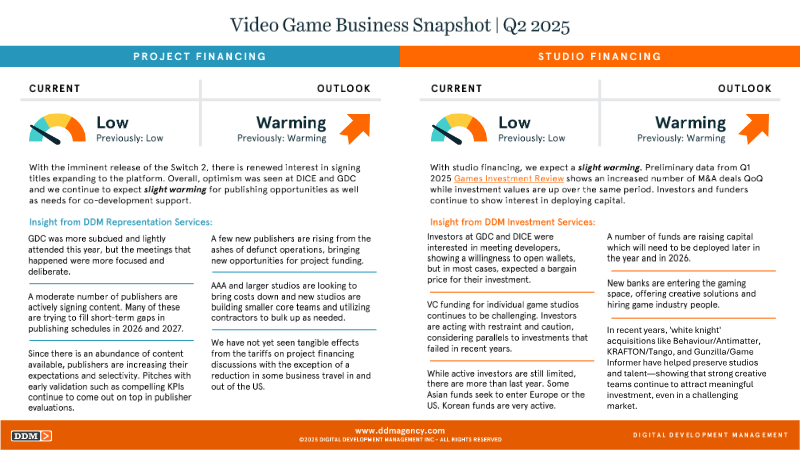
DDM · 2025
tinyBuild · 2025

Drake Star Partners · 2025

Thunderful · 2025
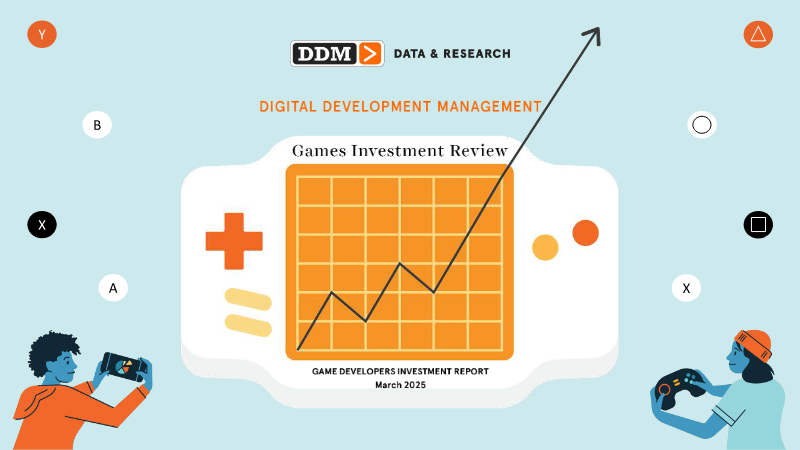
DDM · 2025
DDM · 2025