This analysis of the video games industry through the first half of 2024 examines how specific releases reflect broader market trends, including the volatility of the "games as a service" (GaaS) model, the rise of cross-platform strategies, and the growing influence of transmedia adaptations. The primary thesis suggests that while the industry faces significant challenges—marked by high-profile flops and widespread layoffs—success is still achievable through correct pricing, community engagement, and platform diversification.
Key findings highlight a stark contrast in the GaaS sector. Warner Bros.’ Suicide Squad: Kill the Justice League is identified as a failure resulting from development bloat and a misalignment between studio expertise and player expectations. Conversely, Helldivers 2 is cited as a major success, selling 12 million copies by leveraging a mid-tier $40 price point and a simultaneous PC launch, signaling a shift in Sony’s traditional console-exclusive strategy. Furthermore, Fortnite is analyzed not merely as a game but as a dominant digital platform, capturing 8.4% of total global playtime and pioneering new creator economies through partnerships with brands like LEGO.
The scope of the analysis covers major global publishers and independent developers across North America, Europe, and Asia during the first six months of 2024. It notes the "canonization" of older intellectual property, exemplified by Fallout 4 returning to the top of sales charts following a successful television adaptation. In the mobile and indie segments, the report highlights the viral success of the poker-themed roguelike Balatro, which reached one million sales in a month, and the rapid growth of Supercell’s Squad Busters.
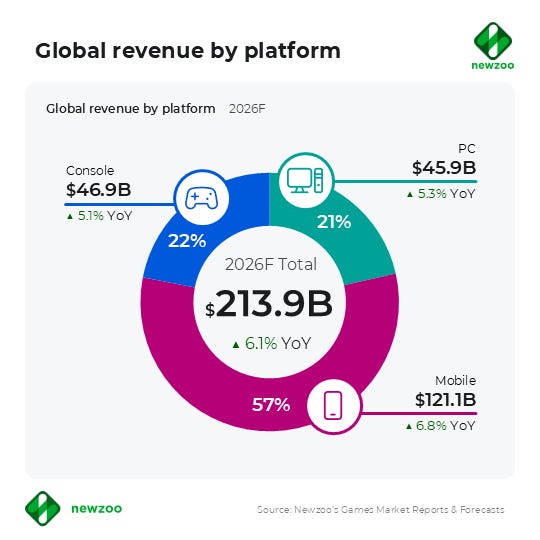
Methodologically, the findings draw on financial reports, market data from firms like Newzoo, and industry reporting on corporate restructuring at firms such as Take-Two and Avalanche Studios. The conclusion emphasizes that the current landscape is defined by a transition toward the next console generation and an increasing reliance on established cultural "classics" to maintain engagement during a period of industrial correction.