1 free read left. Create a free account for unlimited reading + AI research.
Create free accountArticle Press Start
1 free read left. Create a free account for unlimited reading + AI research.
Create free accountArticlePress Start
Distilling the key insights…
The walking simulator functions as a fluid, culturally constructed genre defined by its emphasis on slow, solitary exploration rather than rigid structural mechanics. By prioritizing perceptive-cognitive challenges over reflex-based gameplay, these titles utilize codified spaces and environmental storytelling to facilitate meditative experiences. The genre operates through five core generic resources—peaceful exploration, fatalism, voyeuristic everydayness, social realism, and self-reflexive distanciation—which collectively shift the player’s focus from traditional ludic mastery to the reconstruction of narrative fragments.
These games frequently employ memory palaces and indexical storytelling to explore profound human themes, including trauma, guilt, and existential mortality. By positioning the player as a powerless observer, the design fosters a dance of subjectivity that encourages individuals to interpret tragic narratives through their own moral and social consciousness. This approach effectively distances the player from a fixed avatar, allowing for a more intimate engagement with the everyday belongings and histories of vanished characters.
Spanning the period between 2012 and 2018, this analysis synthesizes Steam user data, academic research, and industry discourse to map the evolution of the genre. The findings suggest that walking simulators are inherently transgeneric, often hybridizing with other artistic forms to defy traditional categorization. Ultimately, the genre is characterized not by specific interactive constraints, but by its capacity to cultivate mindfulness and self-interrogation. By prioritizing the player’s internal cognitive process, these games transform the act of movement into a vehicle for deep existential reflection and subjective interpretation.



Press Start · 2026
Press Start · 2026
Press Start · 2026
Press Start · 2026
Press Start · 2026
Press Start · 2026
Press Start · 2026
Press Start · 2026
Press Start · 2025
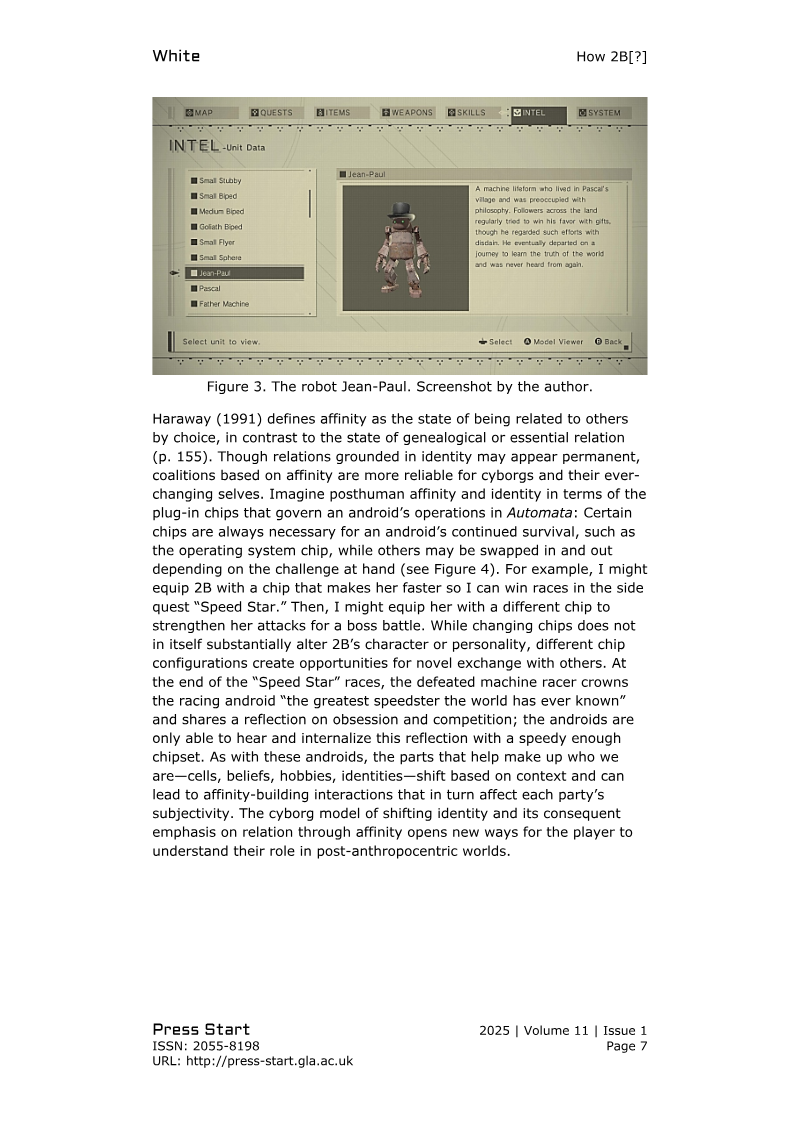
Press Start · 2025
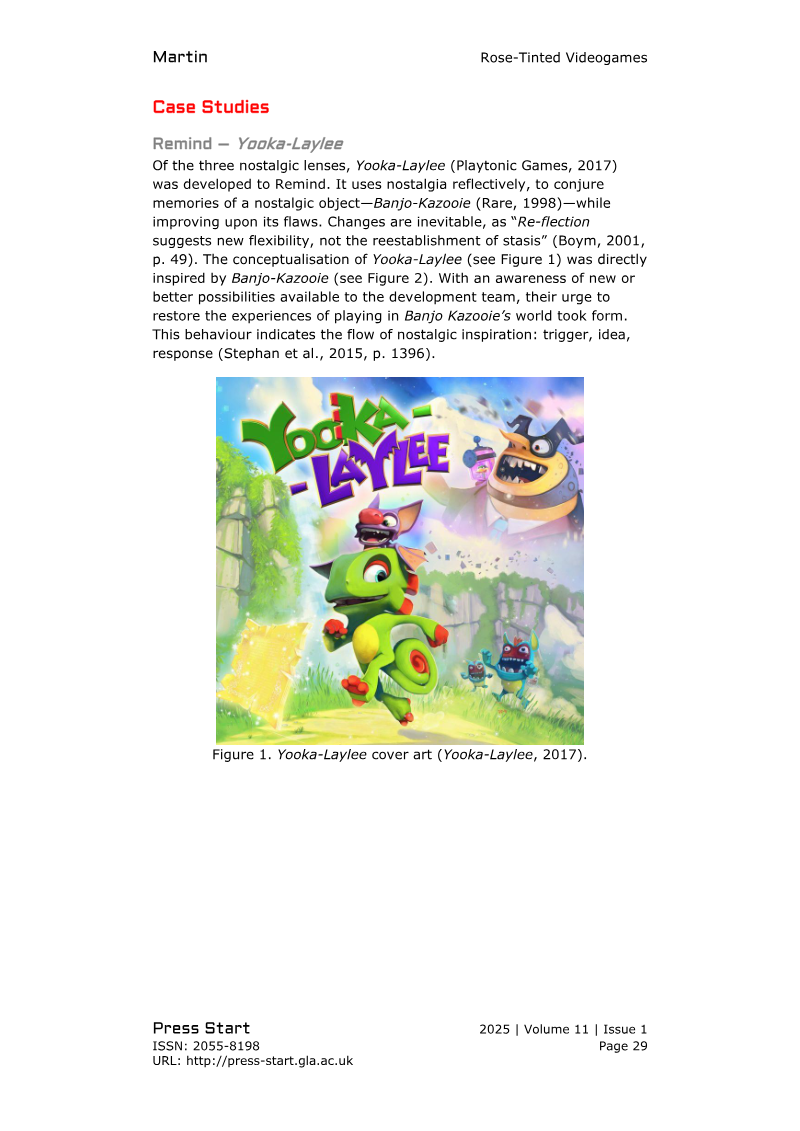
Press Start · 2025
Press Start · 2024
gamevironments · 2026



































