1 free read left. Create a free account for unlimited reading + AI research.
Create free accountWhitepaper Press Start
1 free read left. Create a free account for unlimited reading + AI research.
Create free accountWhitepaperPress Start
The multifaceted nature of video games makes their legal classification challenging under current copyright law. Treating them as a collection of individual works is more effective.
The legal classification of video games remains a complex challenge within copyright law due to their multifaceted, multimedia nature. The central thesis argues that while some jurisdictions have proposed defining video games as a single sui generis multimedia work, the current system—which treats games as an amalgamation of various original and derivative works—is both more feasible and more effective. By analyzing individual components such as computer code, literary storylines, dramatic actions, artistic character designs, and musical scores, the analysis demonstrates that existing copyright frameworks are sufficient to protect these distinct, commercially exploitable elements.
The research focuses primarily on the United Kingdom’s Copyright, Designs and Patents Act (CDPA) while incorporating comparative perspectives from European and American jurisprudence. Key findings indicate that video games do not fit neatly into a single category; rather, they comprise multiple protected works. For instance, source and object code are protected as literary works, while visual displays and animations may qualify as films or graphic works. The analysis concludes that attempts to categorize games as databases are legally flawed because game components are neither independent nor independently accessible.
Methodologically, the study relies on a review of established case law and statutory definitions to evaluate the necessity of a new multimedia legal category. It finds that such a category is unnecessary and potentially detrimental, as it could complicate the protection of individual, separately exploitable assets like soundtracks or character designs. Ultimately, the analysis suggests that minor adaptations to existing film copyright laws would better address gaps in protection, such as the close imitation of games, without abandoning the systematic, component-based approach that currently governs intellectual property in the gaming industry.
Press Start · 2026
Press Start · 2026
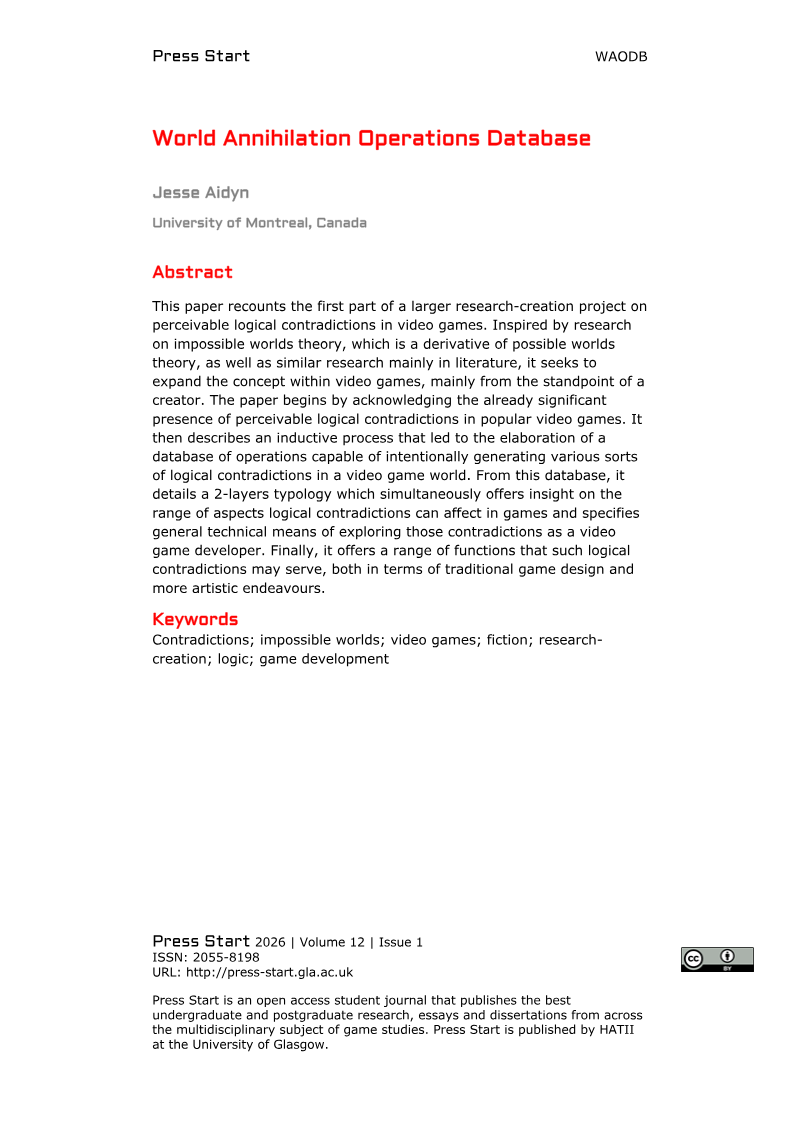
Press Start · 2026
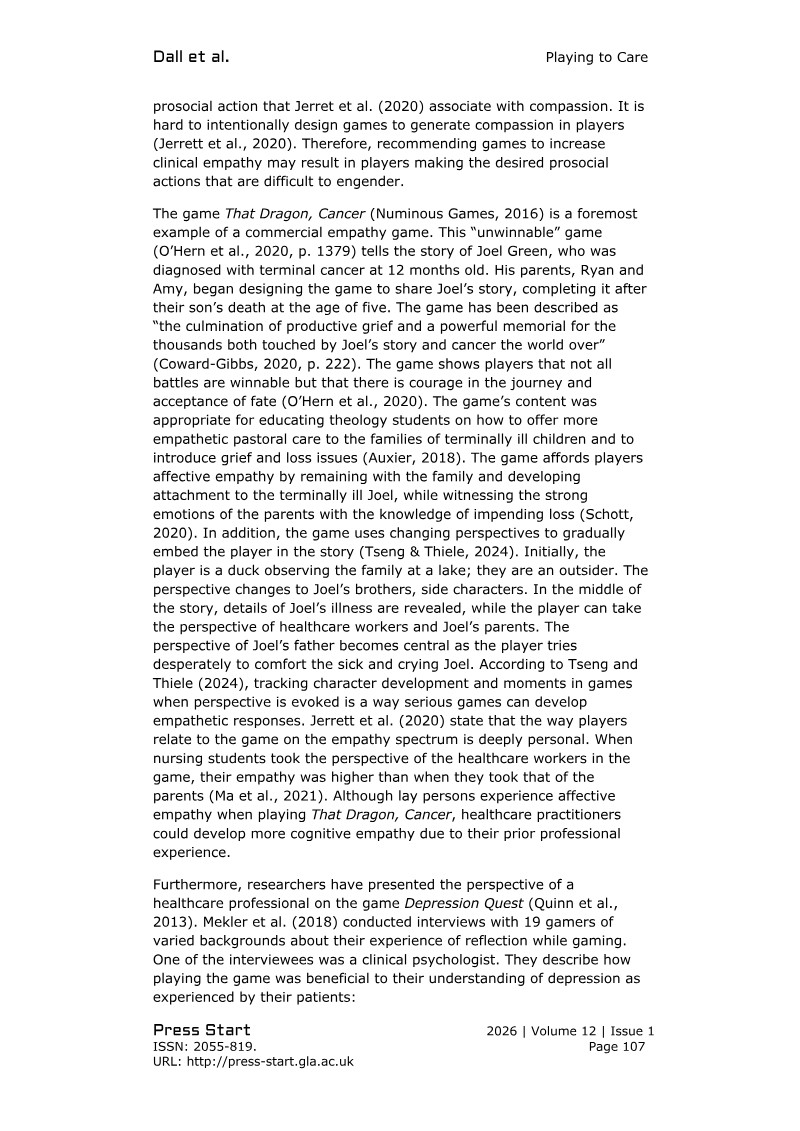
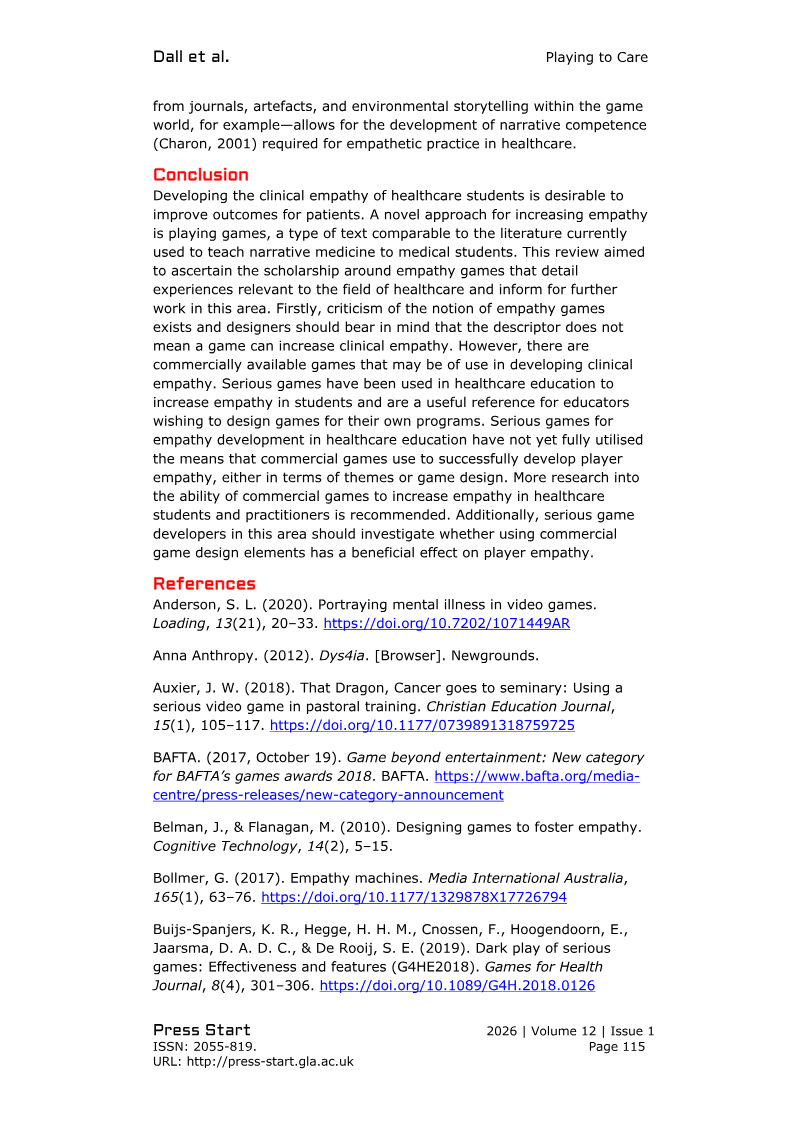
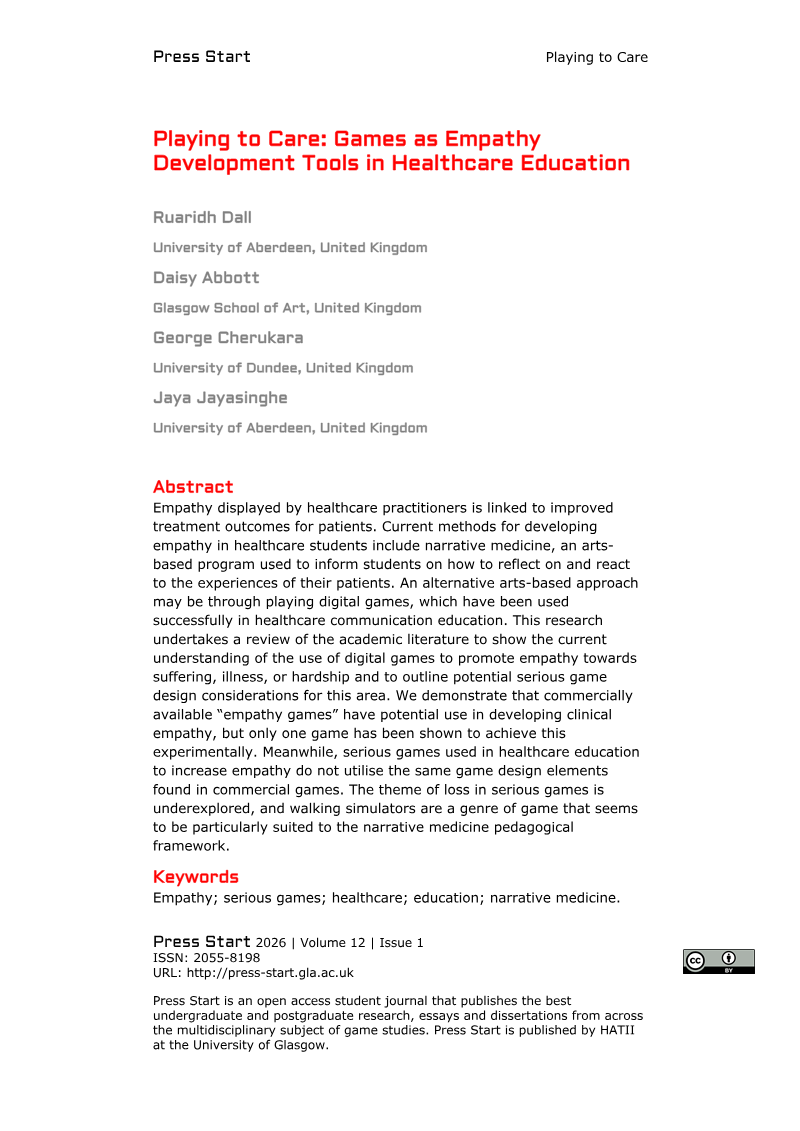
Press Start · 2026
Press Start · 2026
Press Start · 2026
Press Start · 2026
Press Start · 2026
Press Start · 2025
Press Start · 2025
Press Start · 2025
Press Start · 2024
gamevironments · 2026