1 free read left. Create a free account for unlimited reading + AI research.
Create free accountFinancial report Take-Two Interactive
1 free read left. Create a free account for unlimited reading + AI research.
Create free accountFinancial reportTake-Two Interactive
Take-Two Interactive experienced a period of significant financial contraction during the nine months ending July 31, 2009, reporting a net loss of $115.9 million compared to a net income of $112.1 million in the prior year. This downturn was primarily attributed to the absence of the record-breaking Grand Theft Auto IV launch, which had driven exceptional performance in 2008. The company’s publishing segment, encompassing Rockstar Games and 2K, remains highly sensitive to the timing of major product releases and the ongoing transition between hardware generations. Furthermore, increased costs associated with Major League Baseball licensing and various price concessions exerted additional pressure on margins.
To navigate these challenges, the company implemented strategic measures to preserve liquidity, including the issuance of $138 million in convertible senior notes and a focus on higher-margin software titles. While the company faced substantial legal hurdles, including a $20.1 million settlement related to historical stock option backdating, management successfully resolved several major litigations. Financial stability is currently supported by a robust product pipeline featuring titles such as BioShock 2, Max Payne 3, and Red Dead Redemption, alongside a lack of outstanding borrowings under its $140 million credit facility.
Operational risks remain a central concern, with management highlighting the negative impact of the used game market on new software sales, the concentration of retail customers, and potential earnings volatility from goodwill impairment. Despite these headwinds, the company maintains that its existing cash reserves and projected operating cash flows are sufficient to meet all financial commitments for the foreseeable future. Accounting practices have been updated to comply with new FASB standards, specifically regarding the bifurcation of convertible debt instruments, ensuring transparency in the company’s evolving capital structure.
Take-Two Interactive · 2026
Take-Two Interactive · 2026

Take-Two Interactive · 2026

Take-Two Interactive · 2026
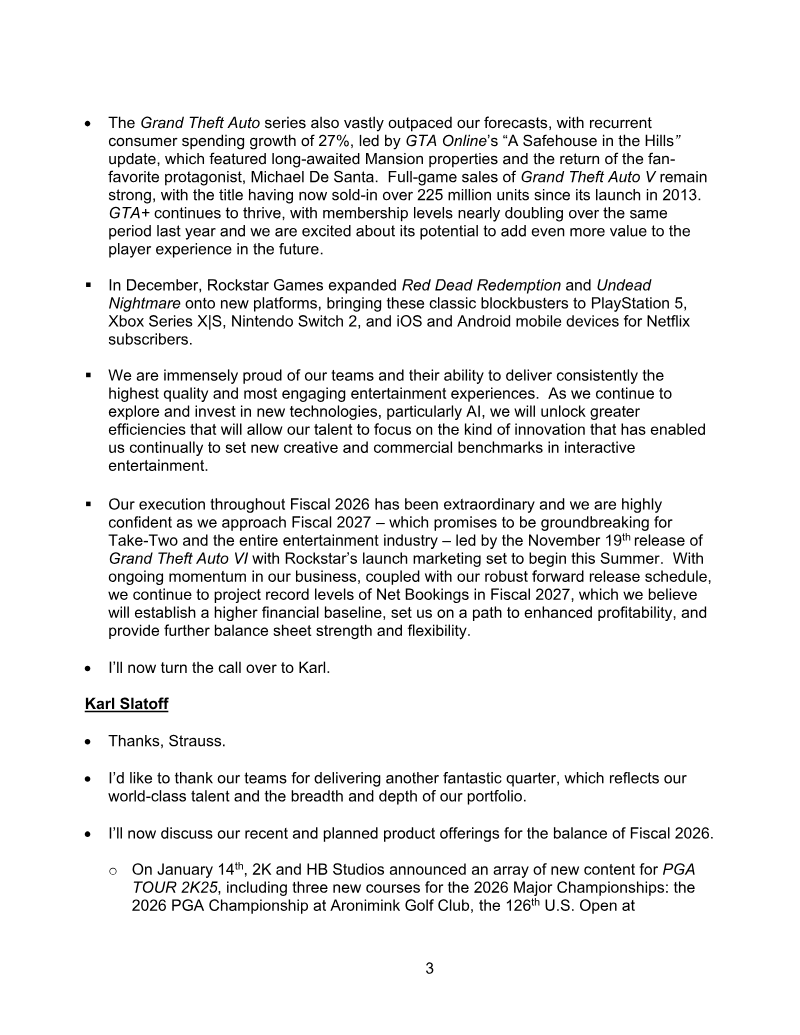
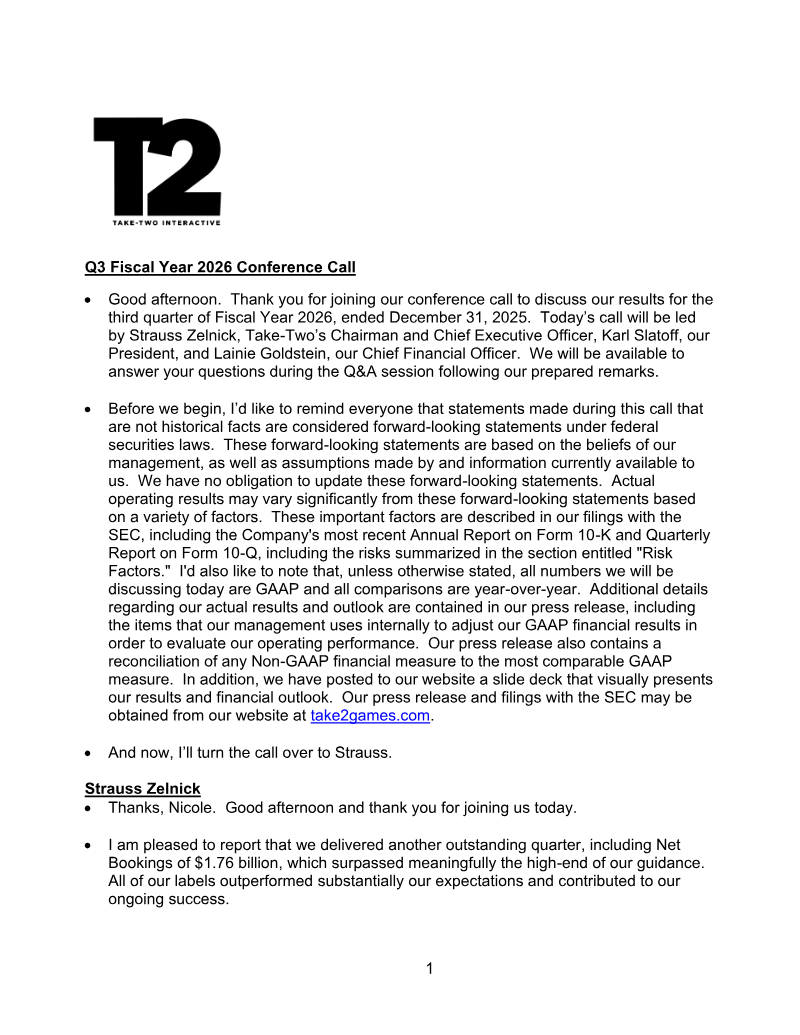
Take-Two Interactive · 2026
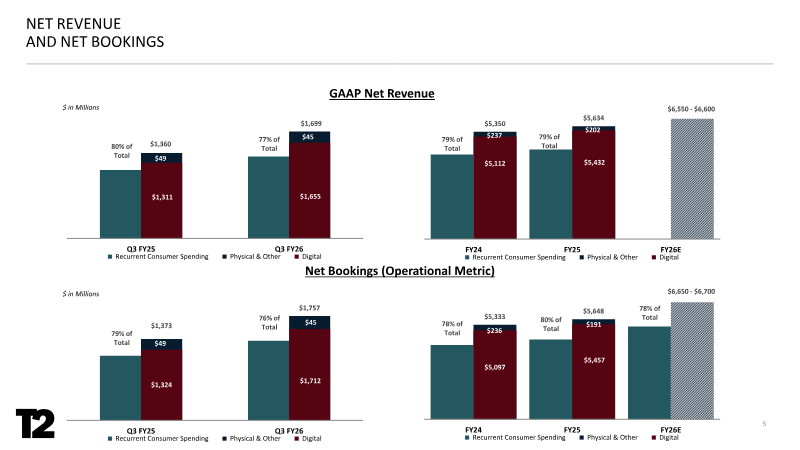
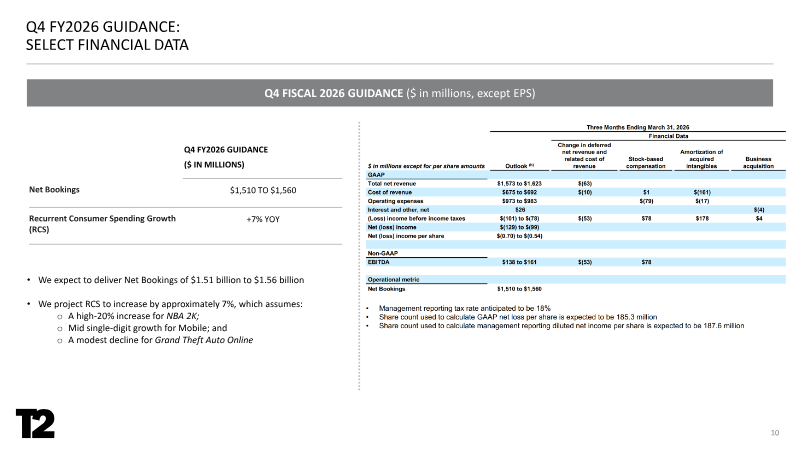
Take-Two Interactive · 2026
Take-Two Interactive · 2026

Take-Two Interactive · 2026
Take-Two Interactive · 2025

Take-Two Interactive · 2025
Take-Two Interactive · 2025
Take-Two Interactive · 2025
Jason Schreier · 2026