
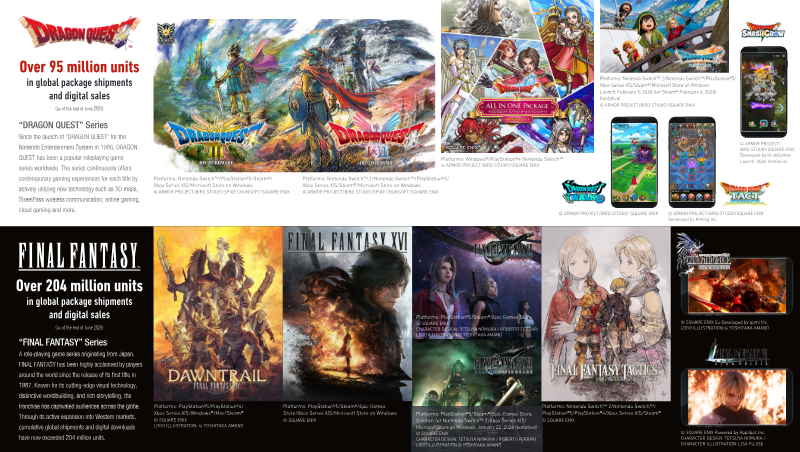
Square Enix functions as a multifaceted Japanese entertainment conglomerate with a market valuation of approximately $5 billion. While the company is primarily recognized for its video game development, its broader portfolio encompasses a diverse array of intellectual property, including manga publishing and amusement facility operations. The core thesis posits that the company’s non-gaming segments are currently undervalued by the market, representing a significant opportunity for growth if new leadership successfully optimizes operational efficiency and capital allocation strategies.
Financial performance within the company’s secondary business segments has been particularly robust, with operating profits in these areas quadrupling since 2019. These divisions have maintained a revenue compound annual growth rate of nearly 10%, bolstered by high-end merchandising and royalty streams. Notably, the merchandising segment has achieved anomalous operating margins reaching 35%, underscoring the profitability of leveraging established intellectual property across multiple consumer touchpoints. Collectively, these ancillary segments contribute an estimated 300 billion yen to the company’s total valuation.
The scope of this analysis focuses on the internal business structure and financial health of Square Enix within the Japanese market over the past five years. By diversifying beyond interactive software, the company has established a resilient ecosystem that mitigates the volatility often associated with the gaming industry. Future success remains contingent upon the organization’s ability to capitalize on its extensive IP library while refining its internal management processes to better reflect the high margins currently generated by its publishing and amusement divisions.
Dungeon Investing · 2025
Dungeon Investing · 2025
Dungeon Investing · 2025

Dungeon Investing · 2025
Dungeon Investing · 2025
Dungeon Investing · 2025

Dungeon Investing · 2025
Dungeon Investing · 2025
Dungeon Investing · 2025
Dungeon Investing · 2024
Dungeon Investing · 2024

Dungeon Investing · 2024
Capcom · 2026
Square Enix · 2025
CD Projekt · 2025
Koei Tecmo · 2025
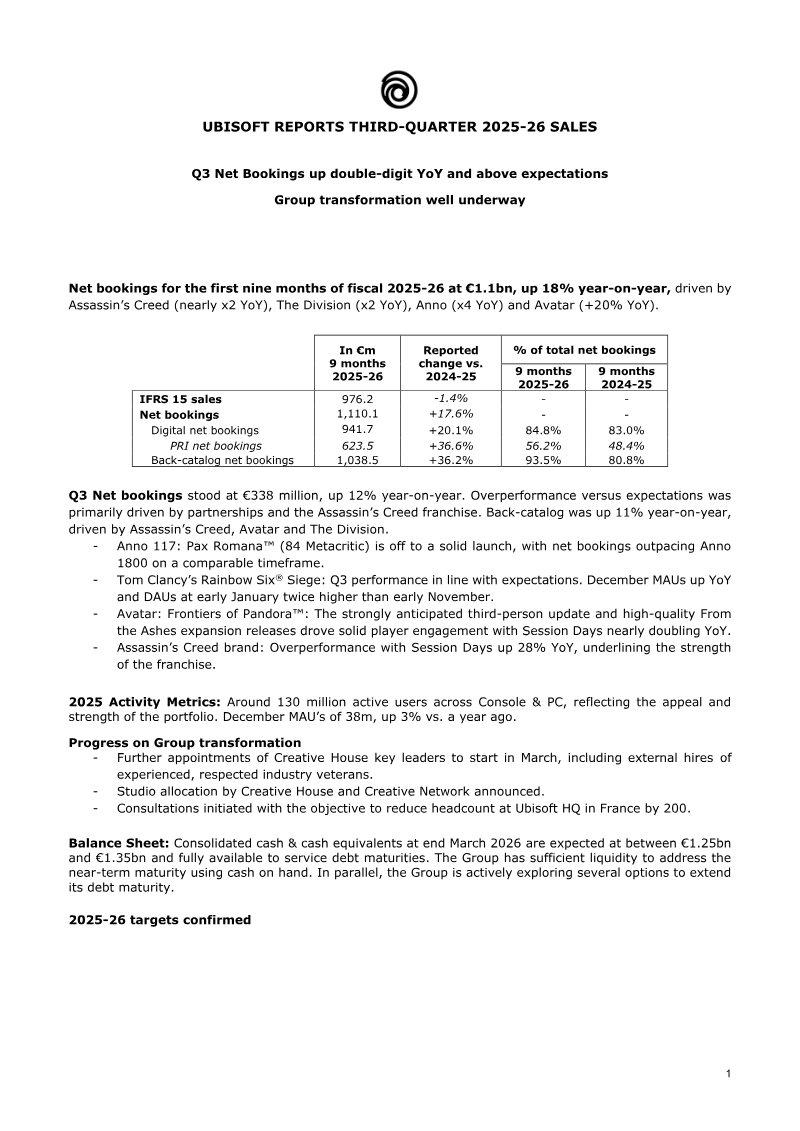
Ubisoft · 2025
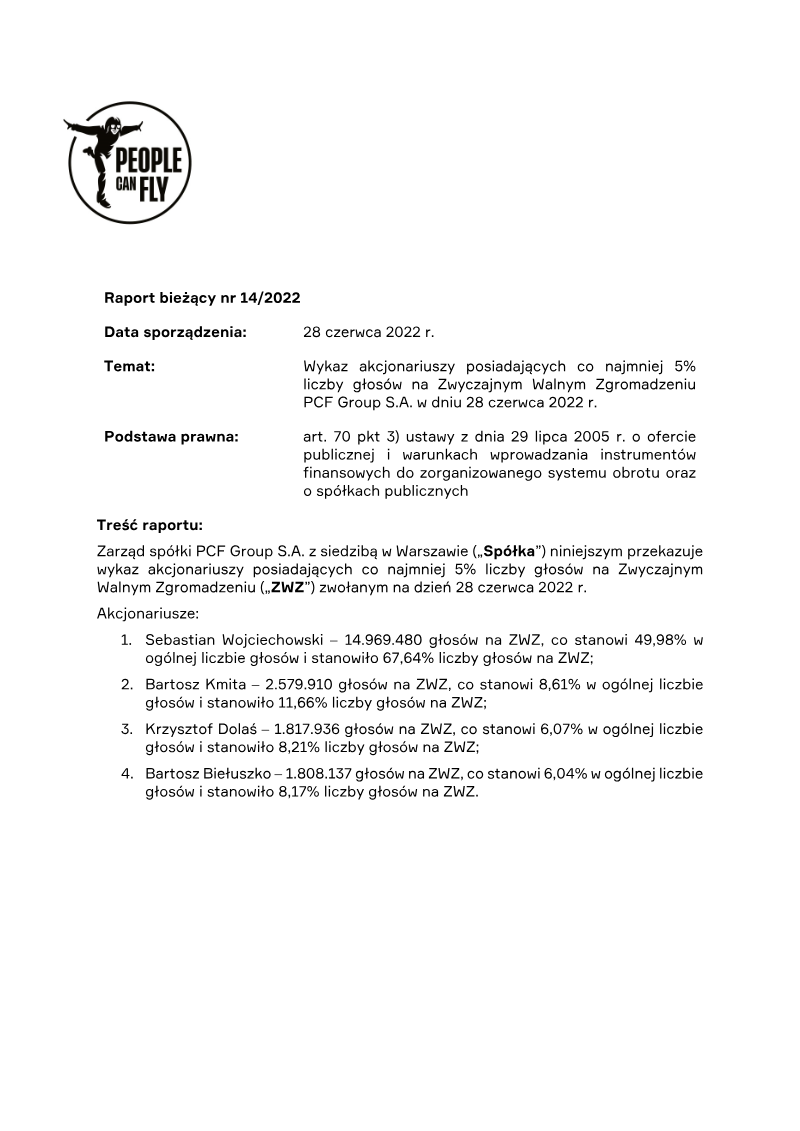
PCF Group · 2022
Bandai Namco · 2021
Bandai Namco · 2017
IGG · 2014
GREE · 2012

Koei Tecmo
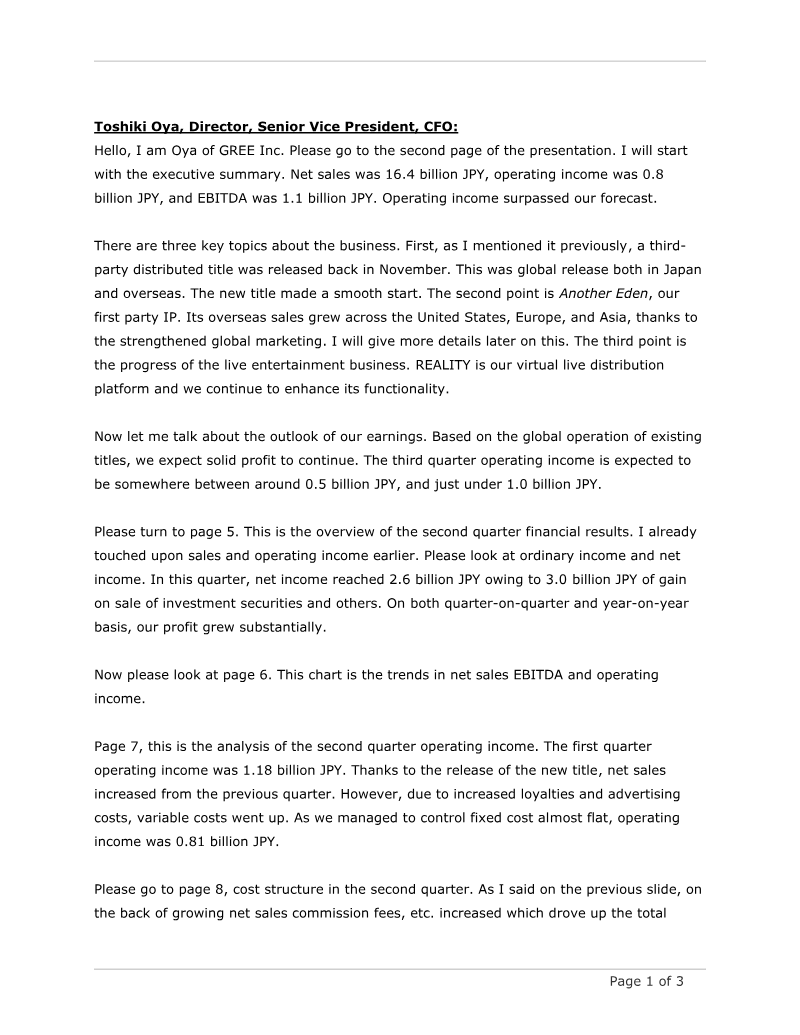
GREE