ReportSensor Tower
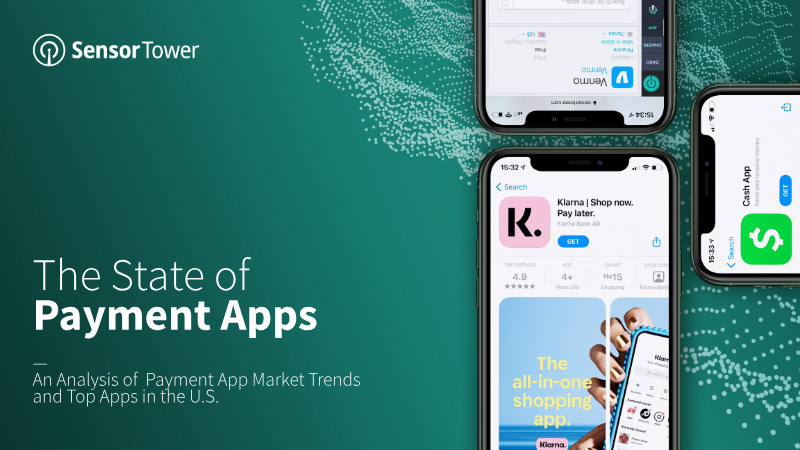
The State of Payment Apps: An Analysis of Payment App Market Trends and Top Apps in the U.S.
202340 pages~29 min full read
The United States payment application market underwent a period of unprecedented expansion between 2020 and early 2021, catalyzed by the COVID-19 pandemic and the distribution of federal stimulus payments. Total downloads reached a record 35 million in the second quarter of 2020 as consumers transitioned toward digital-first financial tools and safer, contactless payment methods. While established platforms like Cash App maintained overall market leadership, the landscape became increasingly competitive due to aggressive promotional strategies and significant app relaunches. Google Pay, for instance, achieved a 347% year-over-year surge in early 2021 by leveraging referral incentives and expanded feature sets including cryptocurrency integration and cashback rewards.
The "Buy Now, Pay Later" (BNPL) segment emerged as a primary driver of industry growth, particularly during the 2020 holiday season. Services such as Klarna and Afterpay saw exceptional adoption rates, with Klarna surpassing one million monthly installs by optimizing its App Store presence and pivoting toward influencer-led video advertising and gaming-related messaging. This growth was further bolstered by deep integrations with major retail applications, positioning BNPL as a mainstream alternative to traditional credit. Simultaneously, money transfer services like Western Union and Remitly experienced a peak in adoption in April 2020, growing 85% over the previous year as users sought reliable digital channels for domestic and international remittances.
As the market continues to diversify, leading payment applications are evolving into comprehensive financial ecosystems. The integration of advanced financial management tools and cryptocurrency support reflects a broader shift in consumer expectations. To maintain dominance, top-tier apps are increasingly relying on strategic keyword bidding and multi-channel marketing to capture a user base that now prioritizes versatility and digital integration in their financial transactions. This evolution signifies a permanent shift in the American financial landscape toward decentralized and flexible payment solutions.
Sensor Tower · 2026

Adjust · 2026

Sensor Tower · 2026
Sensor Tower · 2026

Sensor Tower · 2026
Sensor Tower · 2026
Sensor Tower · 2026

Sensor Tower · 2026

Sensor Tower · 2026

Sensor Tower · 2026

Sensor Tower · 2026

Sensor Tower · 2026
Vorhaus Advisors · 2025

EA · 2025

Mintegral · 2024
Apptica · 2023

Skillprint · 2023

GameRefinery · 2022

GameRefinery · 2022

GameRefinery · 2022

GameRefinery · 2021

GameRefinery · 2021
GameRefinery · 2021

Sensor Tower · 2021