FinancialSea Limited
Sea Limited Form 20‑F: Annual Report for Fiscal Year Ended December 31, 2017
11 Apr 20181 pages~719 min full read
Sea Limited’s FY 2017 Form 20‑F presents a company in aggressive growth mode, driven by its three core platforms—digital entertainment (Garena), e‑commerce (Shopee), and digital financial services (AirPay). Revenue rose 19.8 % to US$414 million, largely from a 177 % jump in non‑gaming sales and an 11.3 % increase in gaming revenue, yet gross profit contracted as cost of revenue climbed 40.5 %. Net loss widened to US$561 million, with sales‑and‑marketing expenses exceeding 100 % of revenue and operating loss reaching US$502 million. The company’s capital structure reflects a Cayman Islands incorporation, dual‑class voting shares, and significant control by founder Forrest Li and Tencent affiliates (≈73 % of voting power). A 10‑to‑1 stock split and the issuance of ADSs in October 2017 expanded the share base, while convertible promissory notes and preference shares were converted to ordinary equity, improving shareholders’ equity from a deficit to a US$475 million surplus.
Operational risk is concentrated in Southeast Asia, where Sea relies on variable‑interest entity (VIE) structures to navigate local ownership restrictions. Regulatory uncertainty, currency fluctuations, and dependence on third‑party logistics, payment, and data‑center providers are highlighted as material risks that could disrupt service delivery or erode margins. Internal control weaknesses, particularly in financial reporting and share‑based compensation accounting, were identified by the PCAOB and are being addressed. The company’s governance framework includes a seven‑member board with audit, compensation, and nominating committees meeting NYSE independence standards, yet minority shareholders face limited influence due to the dual‑class structure. Overall, the report underscores a high‑investment trajectory aimed at capturing network effects across gaming, e‑commerce, and digital finance, while acknowledging significant financial, regulatory, and operational uncertainties that could impact future profitability.
Sea Limited · 2026
Sea Limited · 2025
Sea Limited · 2024
Sea Limited · 2024
Sea Limited · 2023
Sea Limited · 2022
Sea Limited · 2021
Sea Limited · 2020
Sea Limited · 2019
Sea Limited
Sea Limited
Sea Limited
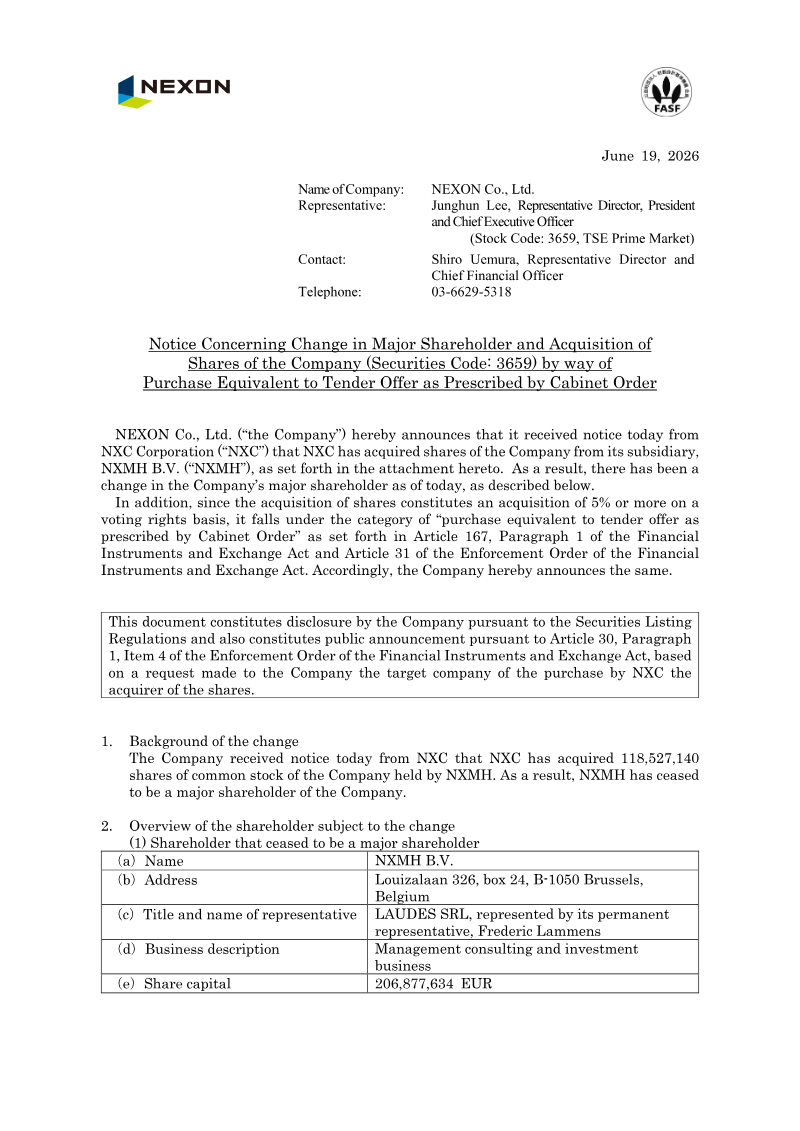
NEXON Co.
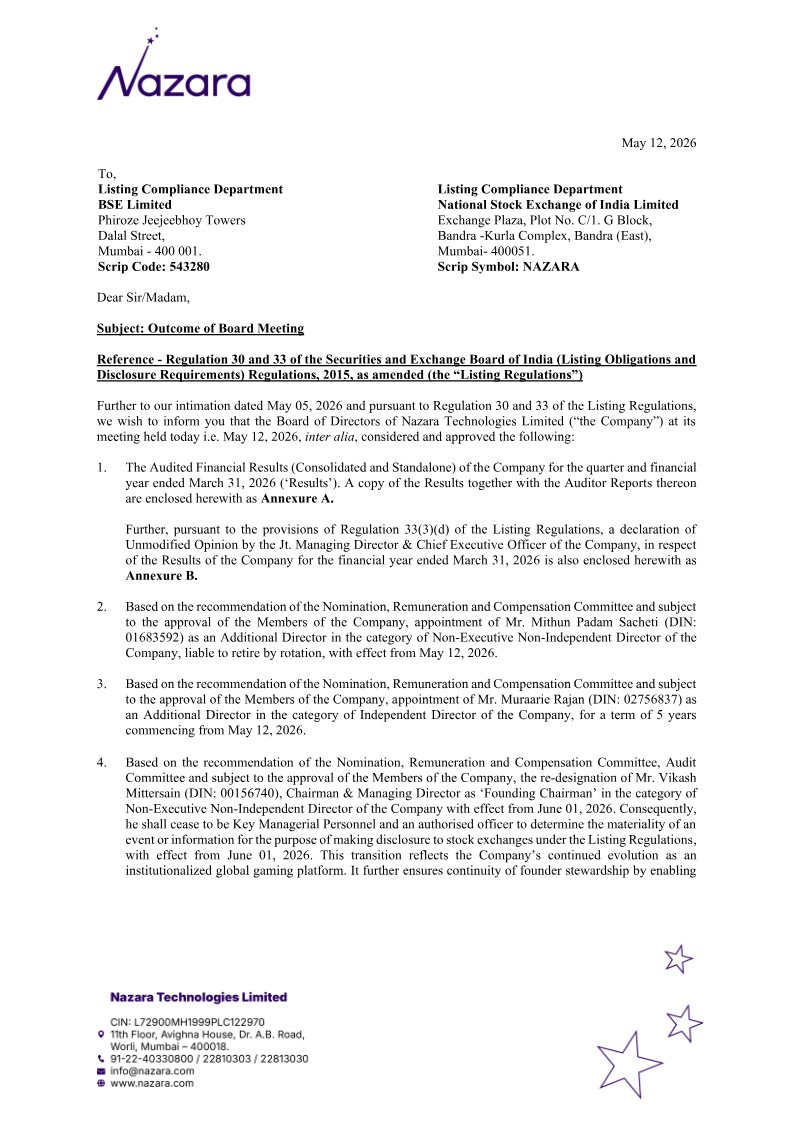
Nazara Technologies · 2026
Drake Star Partners · 2026

Aream & Co · 2026
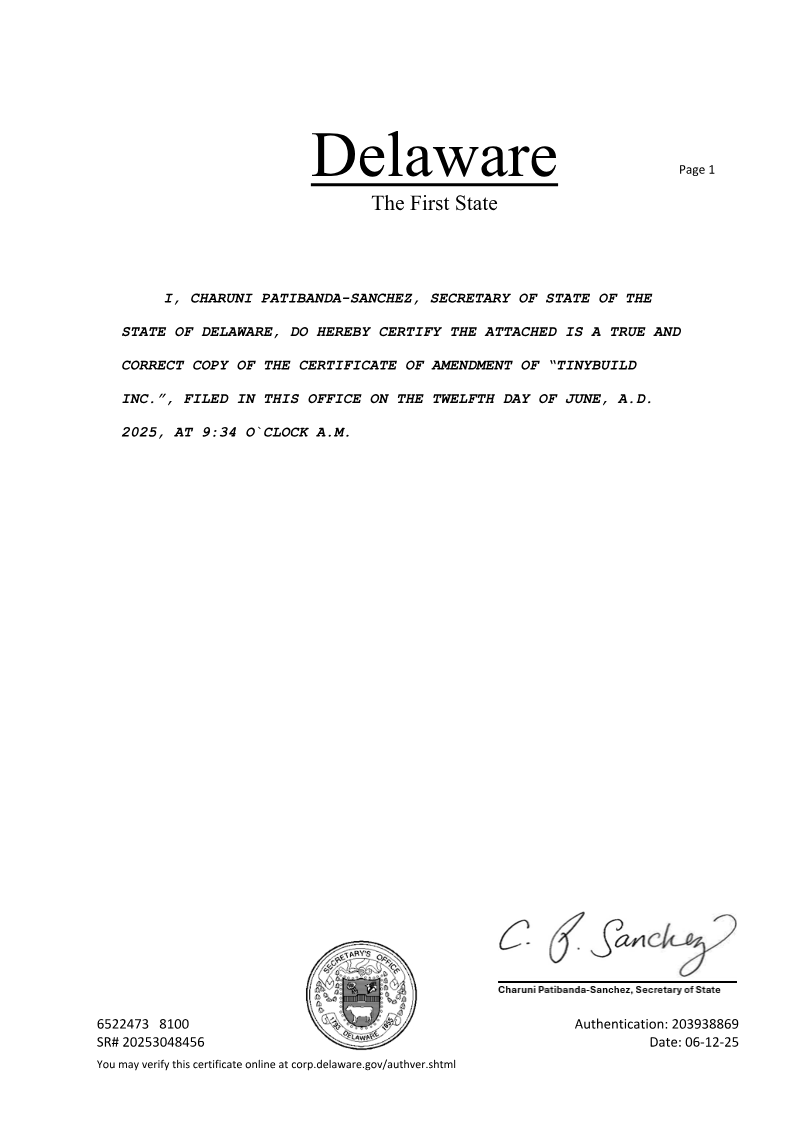
State of Delaware · 2026
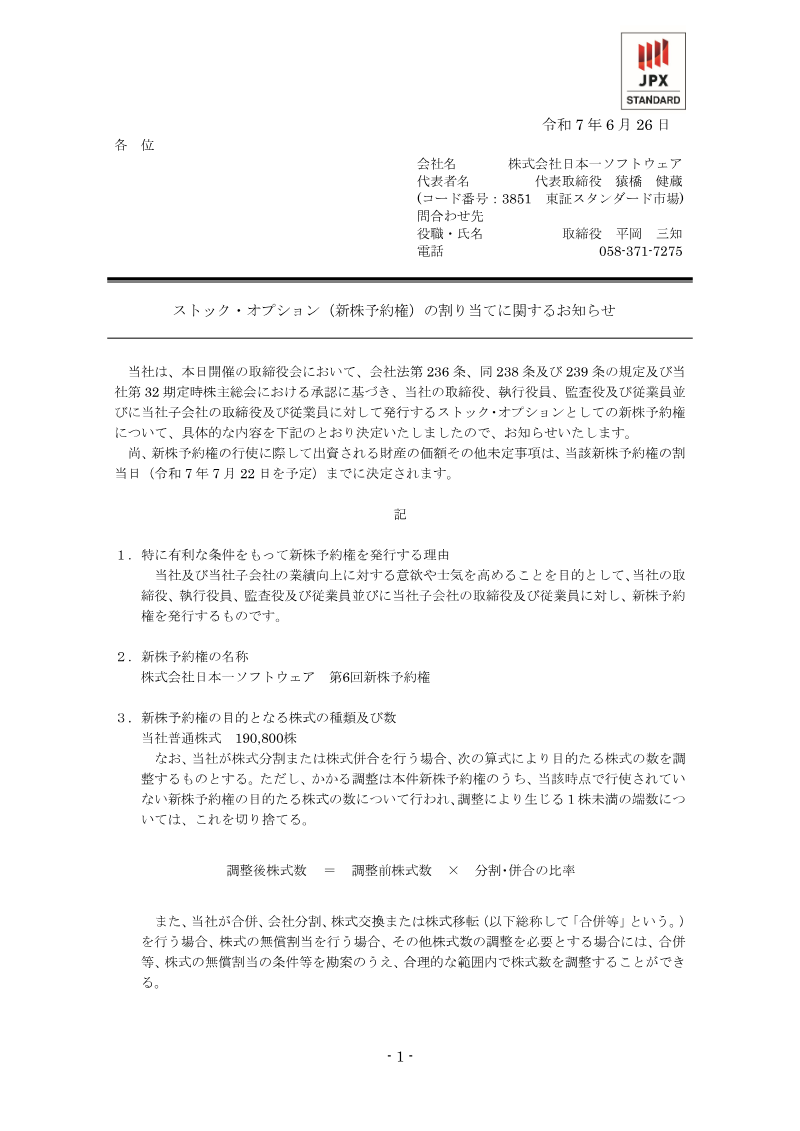
Nippon Ichi Software · 2026
Modern Times Group · 2026
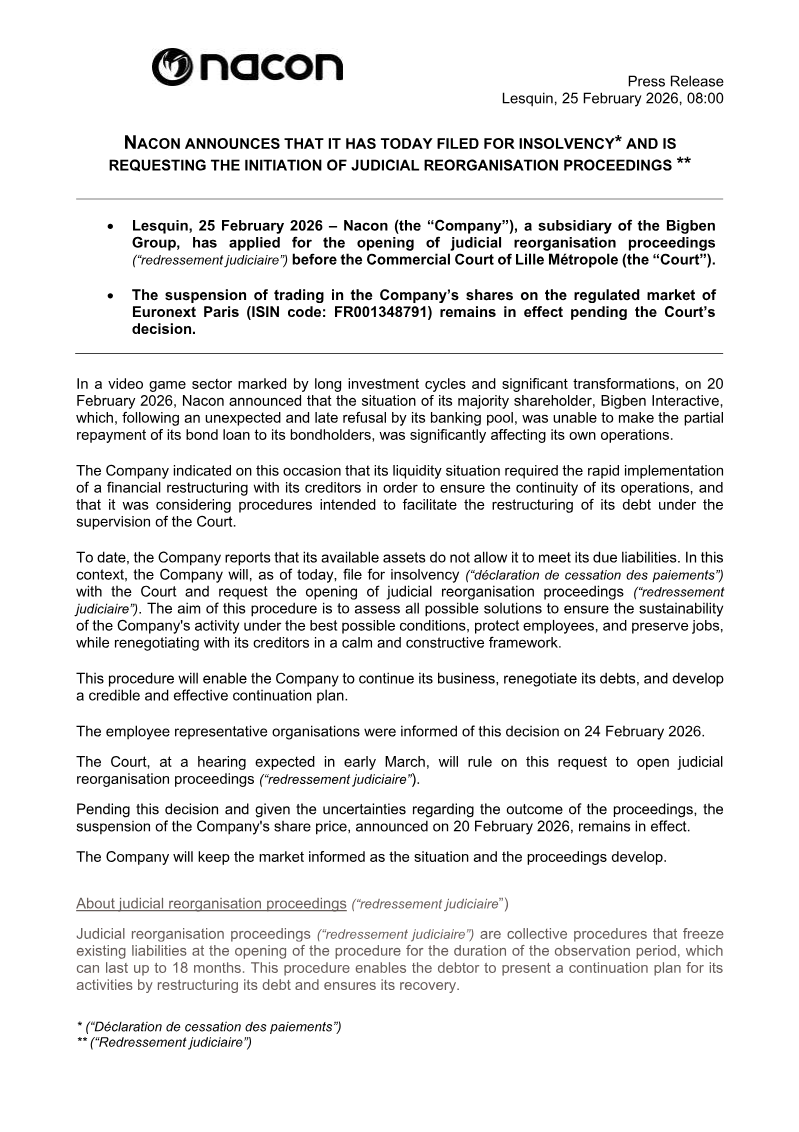
Nacon · 2026
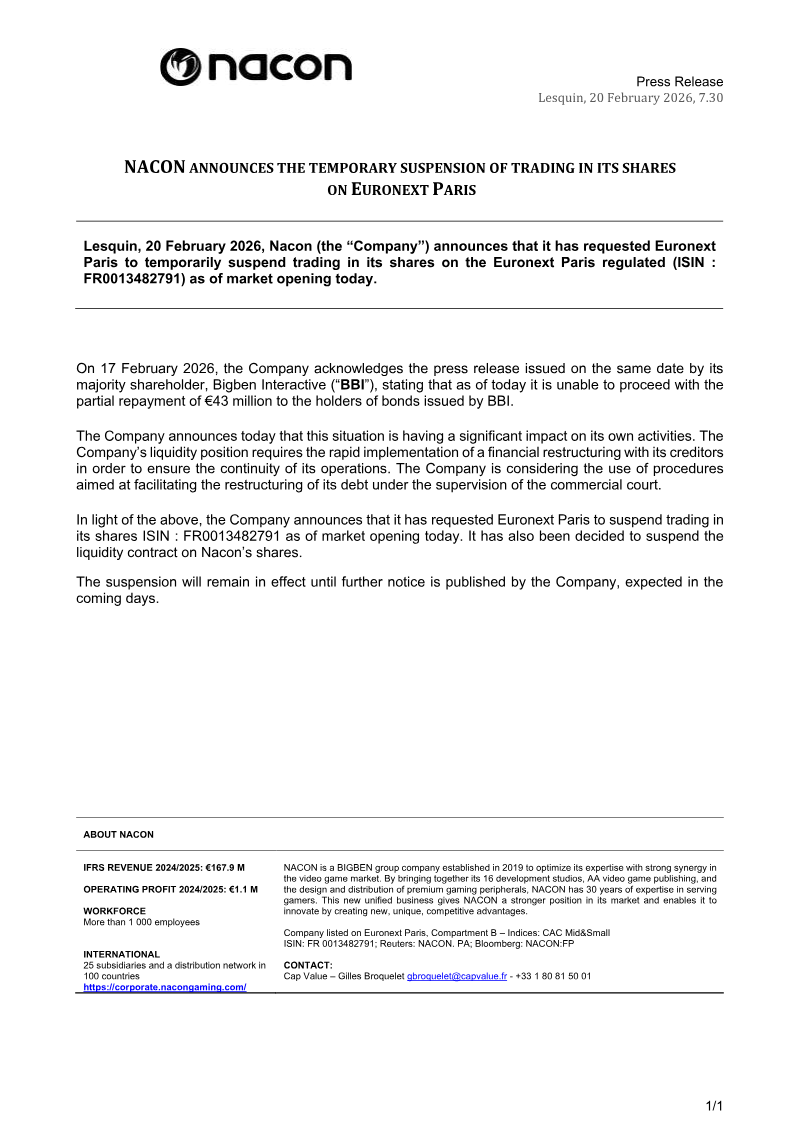
Nacon · 2026
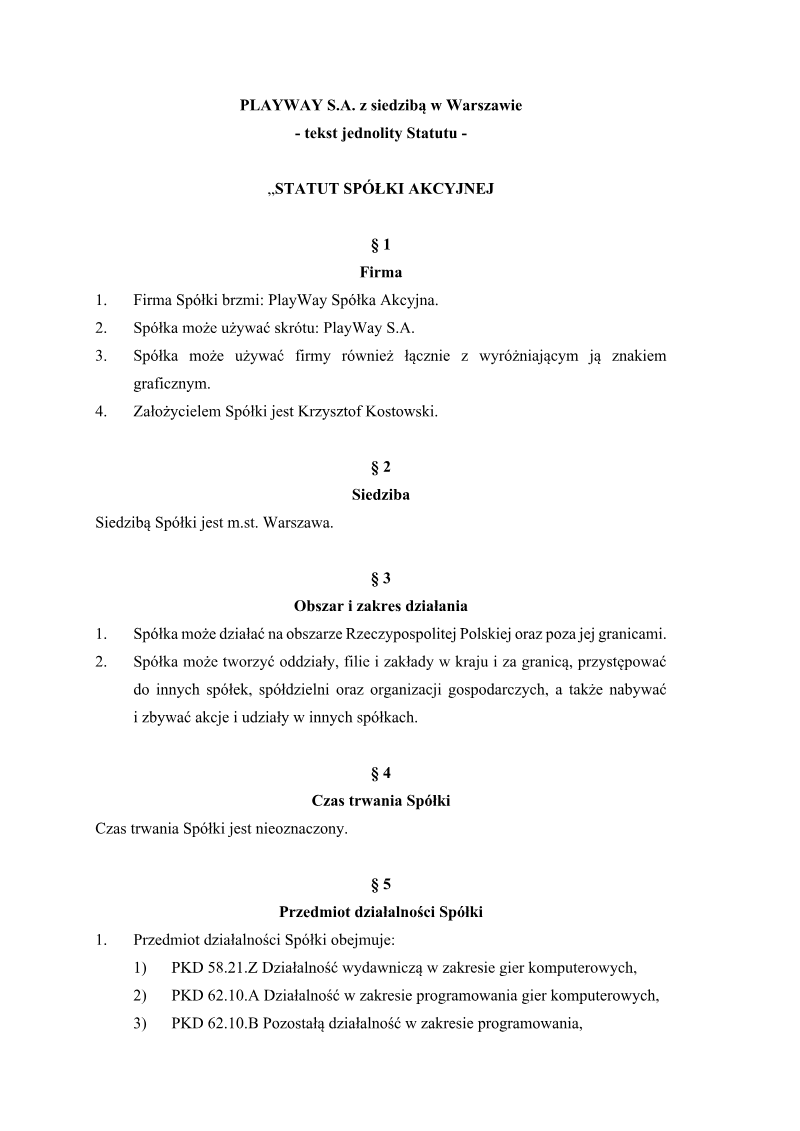
PlayWay · 2026
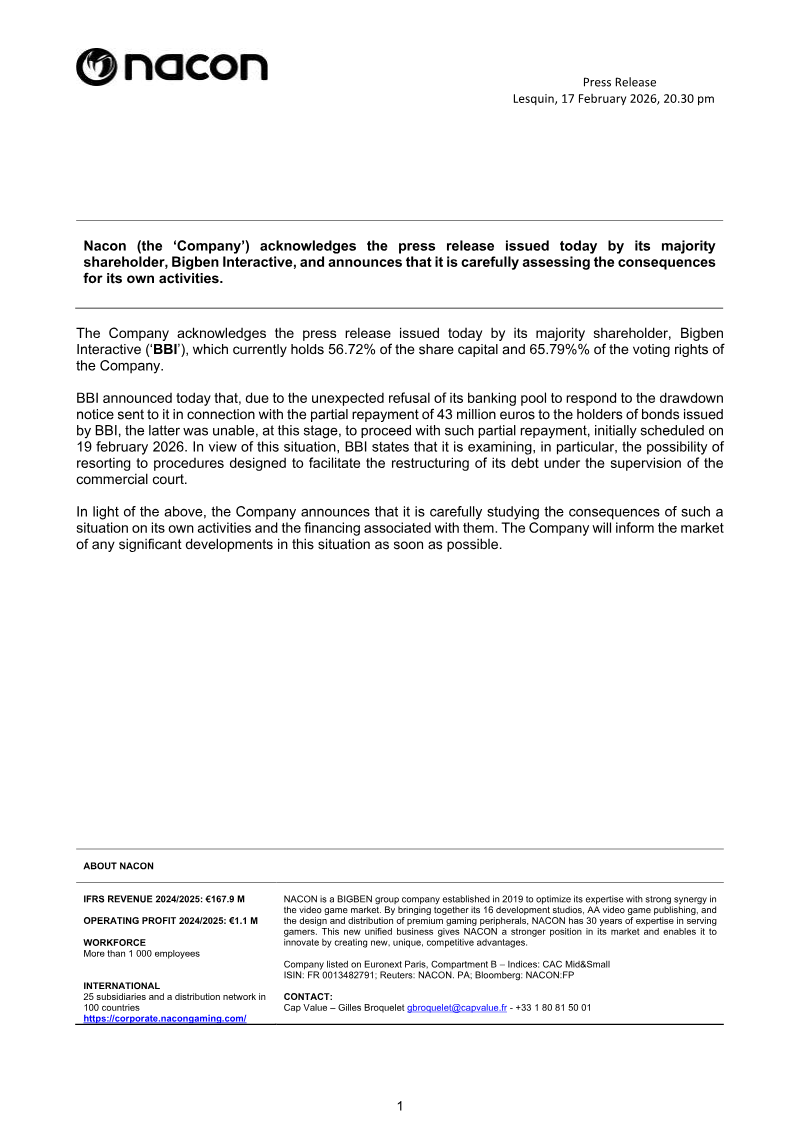
Nacon · 2026
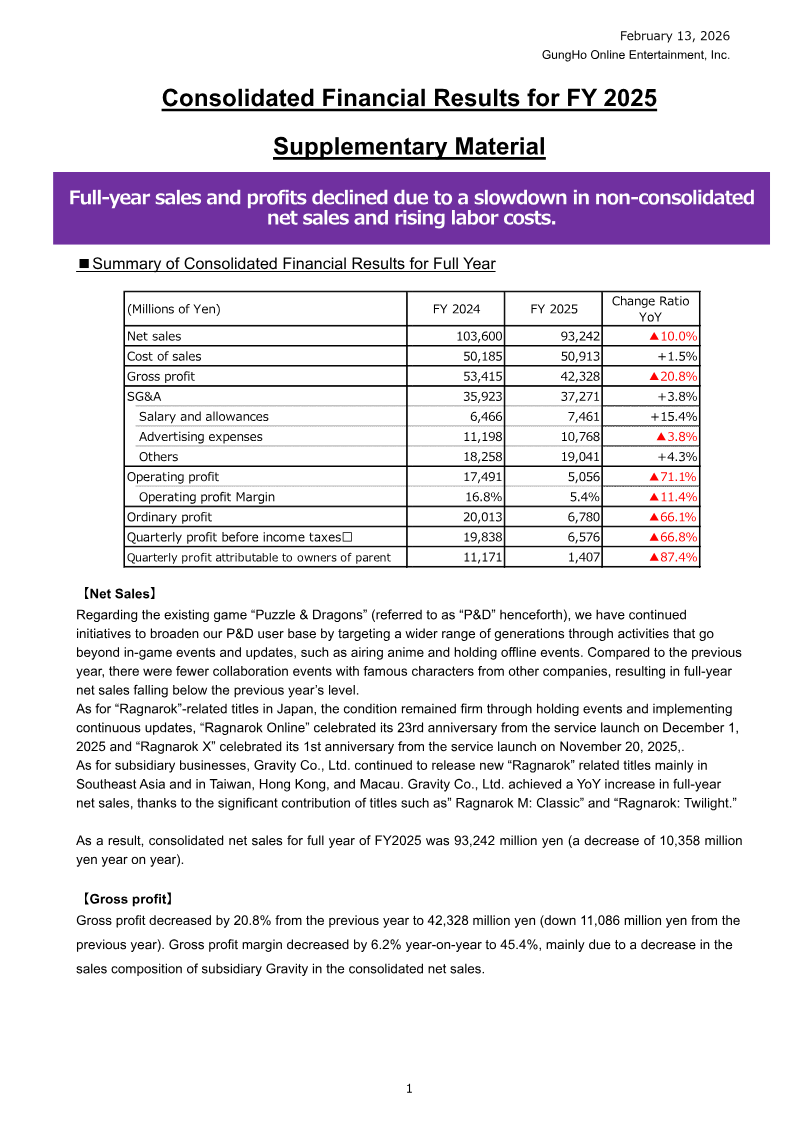
GungHo Online Entertainment · 2026