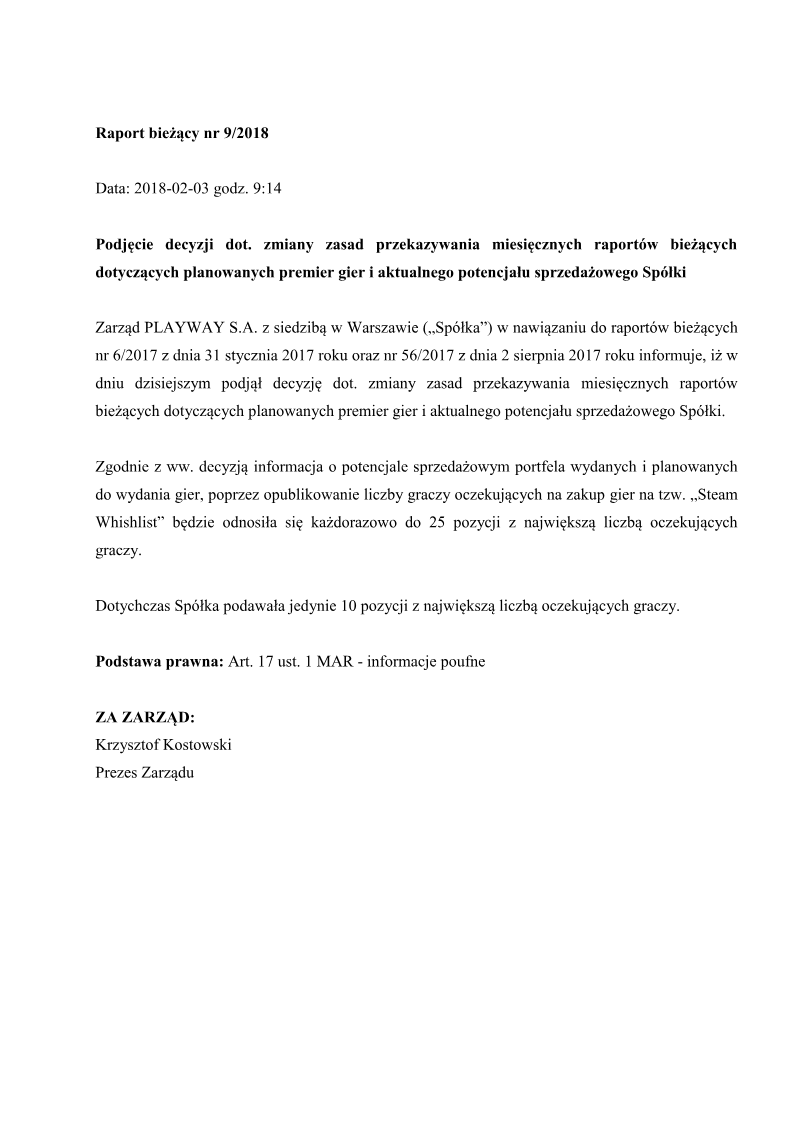
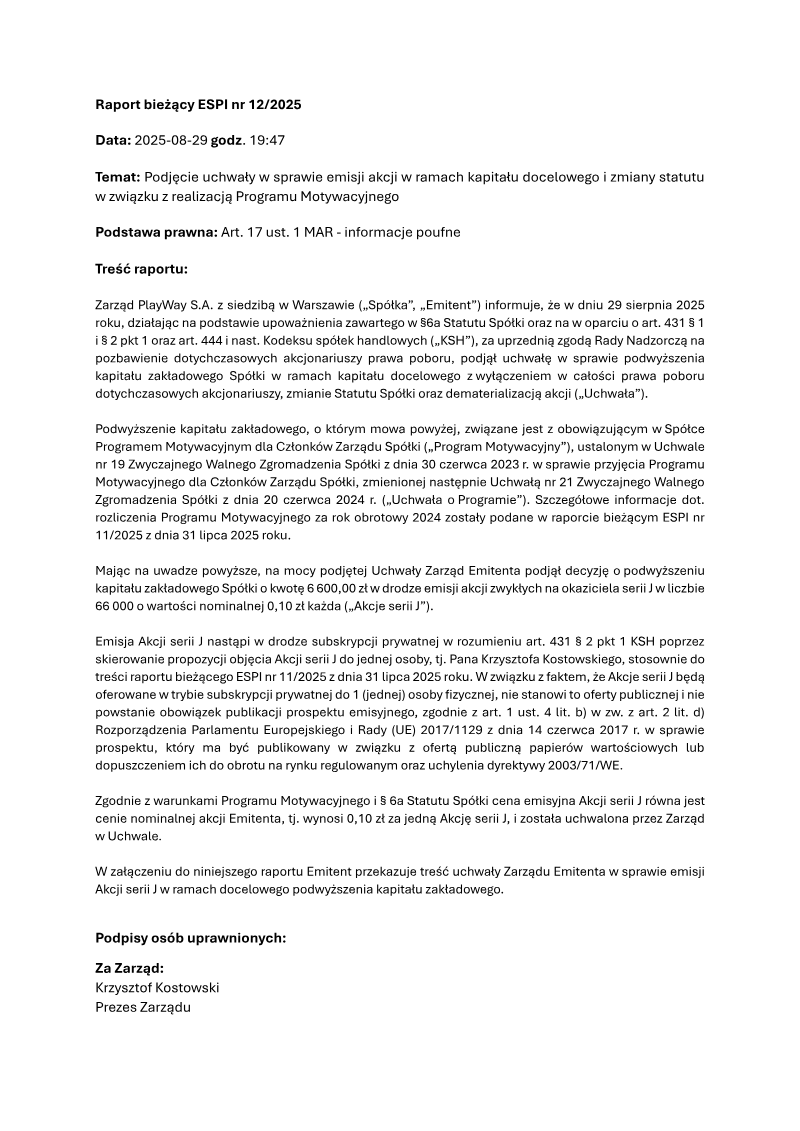
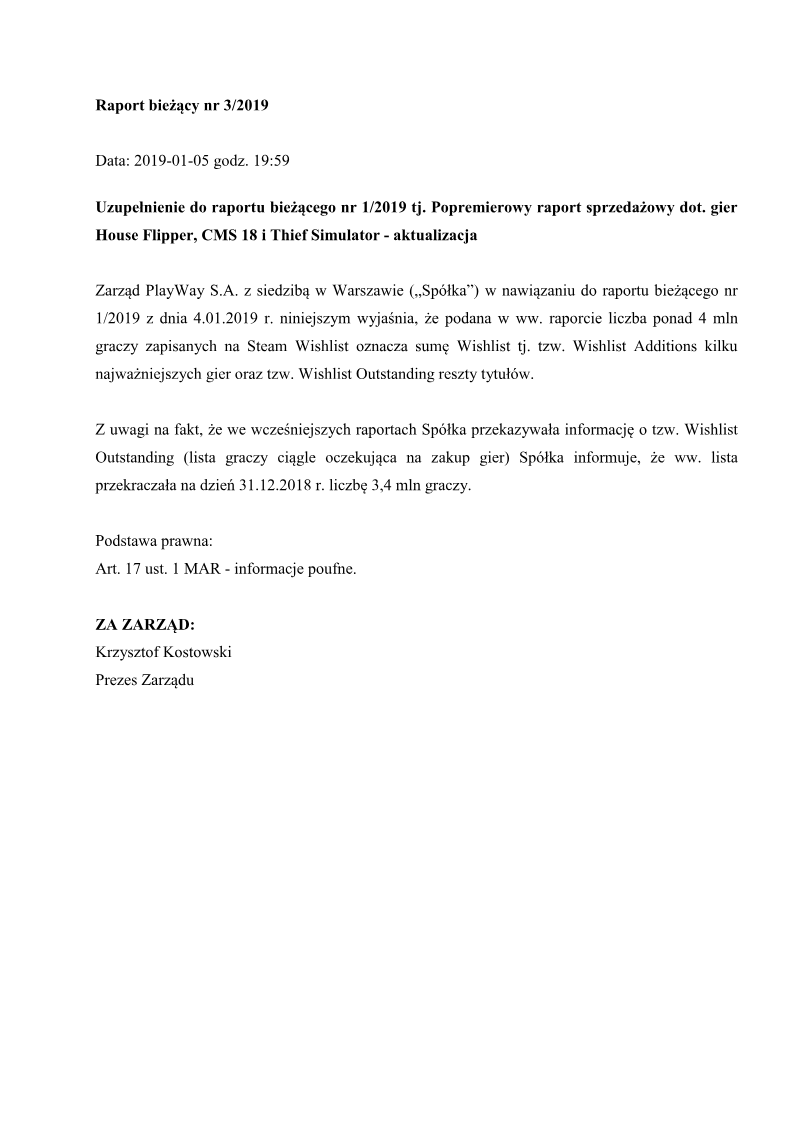
The management board of PlayWay S.A. has formally updated its internal protocols regarding the disclosure of monthly sales potential and upcoming game premieres. This decision, effective as of February 2018, modifies previous reporting standards established in 2017 to provide a more comprehensive overview of the company’s product pipeline and market demand. The primary metric utilized for these disclosures is the Steam Wishlist, which serves as a critical indicator of consumer interest and future commercial performance for digital titles.
Under the revised guidelines, the company has expanded the scope of its reporting to include the top 25 games with the highest number of prospective buyers on their respective wishlists. This represents a significant increase in transparency compared to the previous policy, which only required the disclosure of the top 10 titles. By more than doubling the number of tracked positions, the company aims to offer investors and stakeholders a deeper insight into the sales potential of both released titles and those currently in development.
This regulatory update is issued in accordance with Article 17, Paragraph 1 of the Market Abuse Regulation (MAR), which governs the handling and disclosure of inside information for publicly traded entities. The change reflects a strategic shift toward broader data dissemination regarding the company’s portfolio performance on the Steam platform. The scope of this decision is centered on the corporate governance and investor relations practices of the Warsaw-based publisher, specifically targeting the communication of market expectations for its diverse catalog of gaming software.
PlayWay · 2026
PlayWay · 2026
PlayWay · 2026
PCF Group · 2025
PlayWay · 2025
PlayWay · 2025
PlayWay · 2025
PlayWay · 2025
PlayWay · 2025
PlayWay · 2025
PlayWay · 2025
PlayWay · 2025
PCF Group · 2024
PlayWay · 2019
PlayWay · 2019
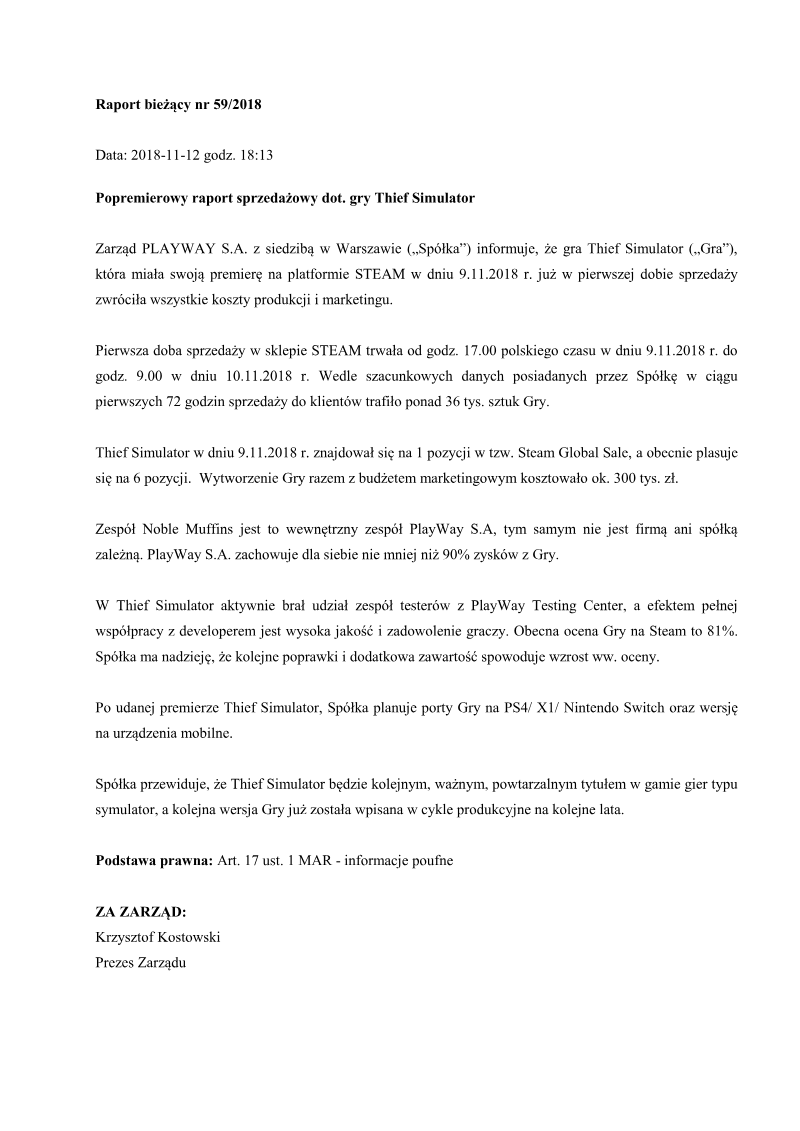
PlayWay · 2018
PCF Group · 2025
11 bit studios · 2025
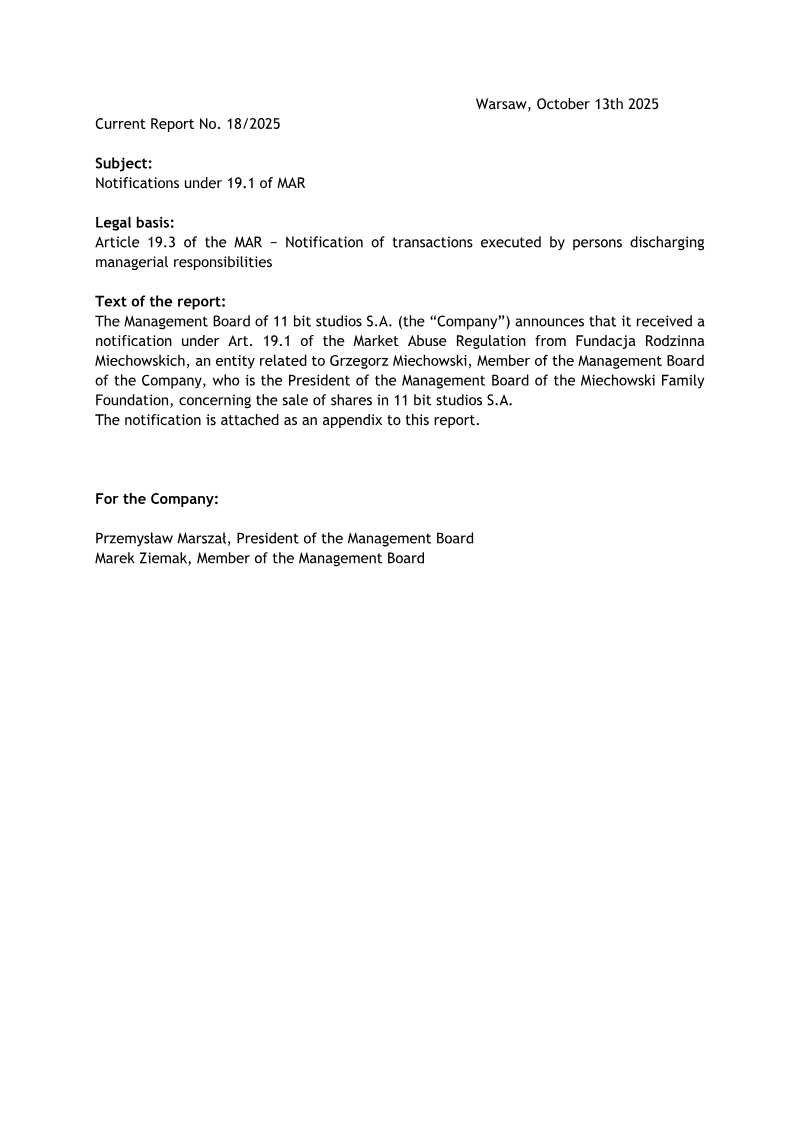
11 bit studios · 2025

PCF Group · 2025
PCF Group · 2025

People Can Fly Group · 2025
11 bit studios · 2025
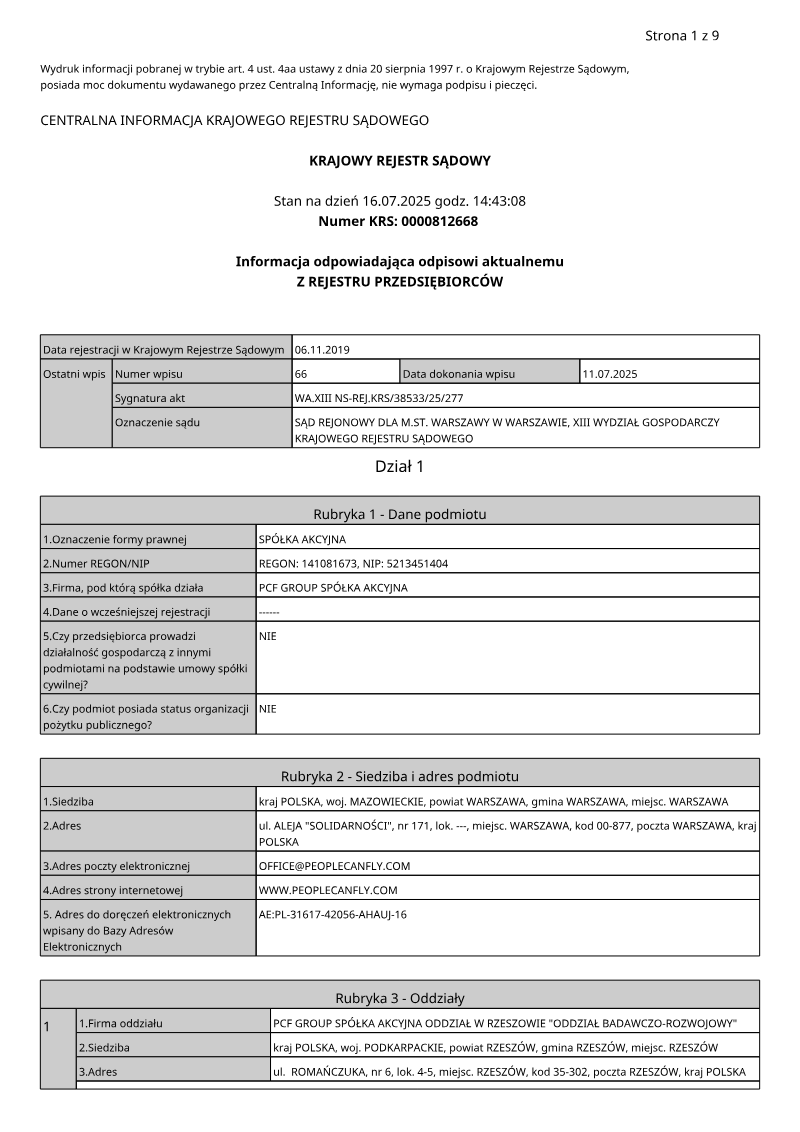
Centralna Informacja Krajowego Rejestru Sądowego · 2025