1 free read left. Create a free account for unlimited reading + AI research.
Create free accountWhitepaper Press Start
1 free read left. Create a free account for unlimited reading + AI research.
Create free accountWhitepaperPress Start
Human autonomy is in constant negotiation with the rigid systemic and narrative constraints of the game software.
The tension between player agency and systemic control defines the contemporary digital gaming experience. Rather than viewing players as either passive subjects manipulated by game ideology or detached critics analyzing mechanical systems, the playing experience is best understood through a split-subject model. This framework distinguishes between the human player and the digital avatar, positing that the player occupies a precarious position where autonomy is constantly negotiated against the governing rules and narrative constraints of the software.
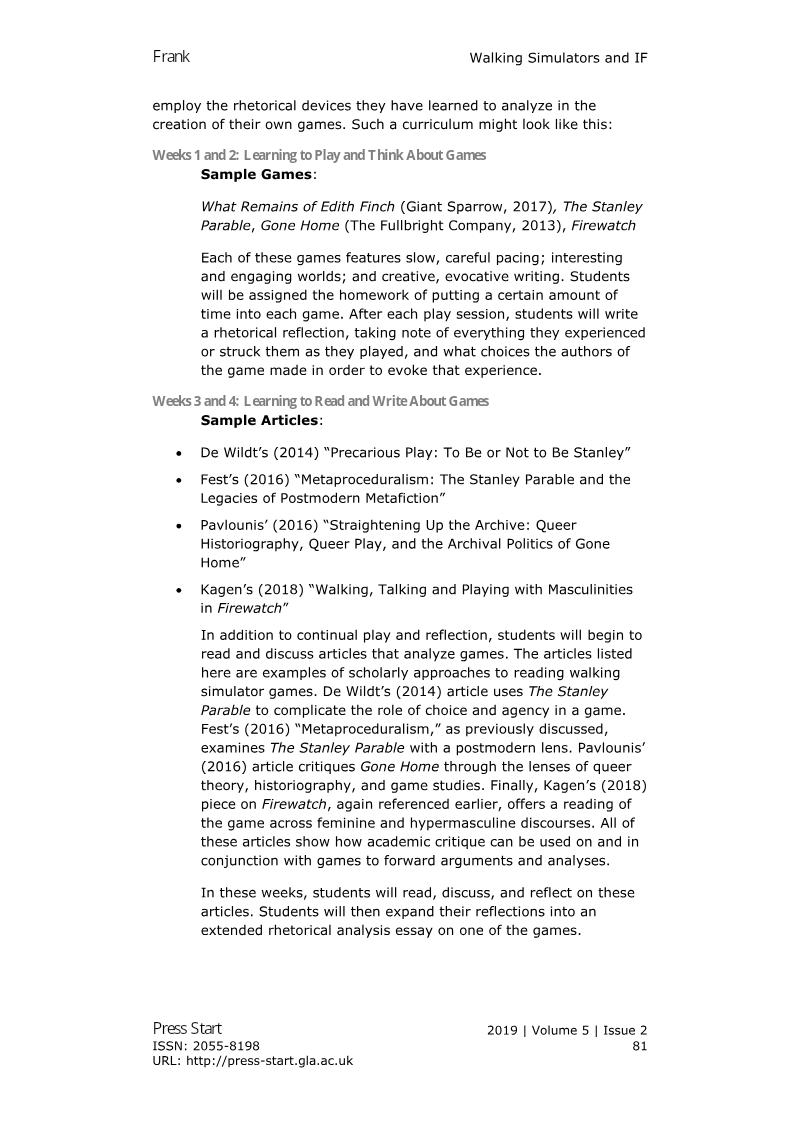
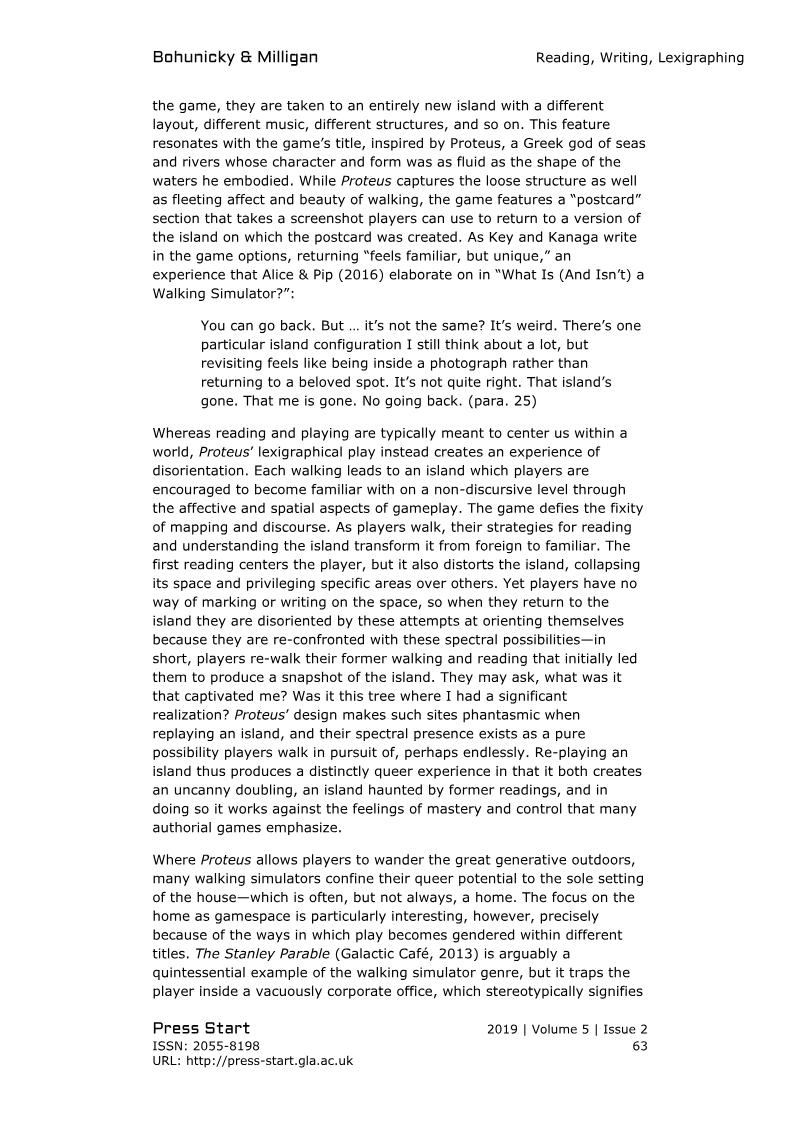
Traditional theories of immersion often fail to account for the complex relationship between a player’s real-world identity and their in-game representation. By shifting the analytical focus from immersion to mediated presence, it becomes clear that presence is a variable psychological construct rather than a binary state. Through the lens of phenomenological inquiry, the alignment or disconnection of camera control and navigational input dictates the degree of identification a player feels toward their character. Games like The Stanley Parable demonstrate this dynamic, as they force players to navigate a dual-locus configuration where they function simultaneously as an actor, an audience member, and a character bound by predetermined narrative paths.
Ultimately, the player is never fully autonomous within a digital environment. Instead, they operate within a mediated space where control is perpetually mediated by design choices. By recognizing the player as a split subject, analysts can better understand how game systems exert power while still allowing for meaningful, albeit constrained, interaction. This perspective clarifies that the experience of play is not a singular act of freedom, but a complex, ongoing negotiation between the human user and the rigid structures of the game world.
Each row is a game or company this document names, each column a document, oldest first. A mark means that document names it. Select a row to see those documents.
Press Start · 2026
Press Start · 2026
Press Start · 2026
Press Start · 2026
Press Start · 2026
Press Start · 2026
Press Start · 2026
Press Start · 2026
Press Start · 2025
Press Start · 2025
Press Start · 2025
Press Start · 2024
Journal of Games Criticism · 2025