NVIDIA Corporation experienced exceptional financial expansion during the second quarter of fiscal year 2024, ending July 30, 2023. Driven by an unprecedented surge in demand for generative AI and data center compute infrastructure, total quarterly revenue reached $13.51 billion, representing a 101% increase over the same period in the previous year. This growth was accompanied by a dramatic rise in operating income to $6.80 billion and a gross margin expansion to 70.1%. The company’s financial health remains robust, supported by $16.02 billion in cash and marketable securities, which facilitates a disciplined capital allocation strategy, including a $25 billion expansion of its share repurchase authorization.
The primary catalyst for this performance is the Compute & Networking segment, specifically the Data Center division, which generated $10.32 billion in revenue. While the company maintains a strong liquidity position to manage its $11.15 billion in purchase obligations, it operates within a complex global landscape. The reliance on third-party manufacturers and the inherent volatility of forecasting demand for emerging technologies create significant operational risks, including potential inventory imbalances and margin pressures. These challenges are compounded by the necessity of managing long lead times and non-cancellable commitments in a highly concentrated supply chain.
Regulatory and geopolitical factors represent critical threats to sustained growth. Evolving U.S. export controls on AI-related semiconductors pose a direct risk to market access, particularly in China, and threaten to disrupt established supply chains. Although the company has implemented mitigation strategies, such as shifting operations and introducing alternative product lines, the unpredictability of international trade policies and compliance requirements remains a primary concern. Despite these external pressures, the company continues to prioritize scaling supply to meet global demand while navigating the complexities of product transition volatility and ongoing legal contingencies.
NVIDIA · 2026

NVIDIA · 2026

NVIDIA · 2025
NVIDIA · 2025
NVIDIA · 2024
NVIDIA · 2024

NVIDIA · 2024
NVIDIA · 2023
NVIDIA · 2023
NVIDIA · 2022
NVIDIA · 2022

NVIDIA · 2022
Konvoy · 2024
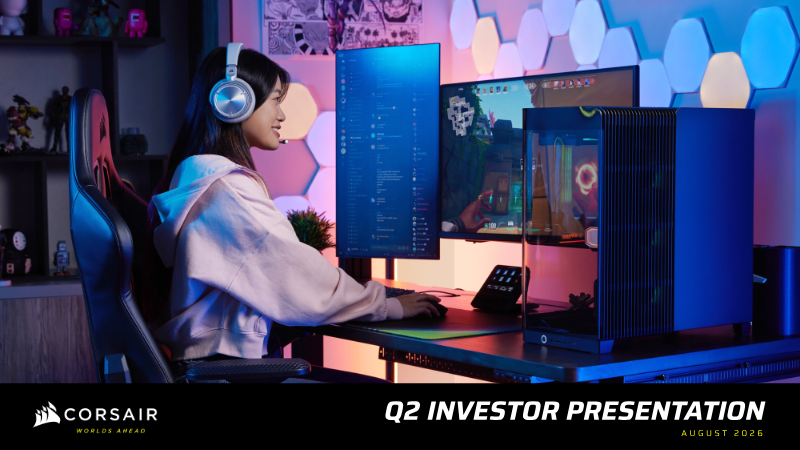
Corsair Gaming

Ubisoft · 2026

Aream & Co · 2026
Room 8 Group · 2025
Neowiz · 2024

DDM · 2024

DDM · 2024

CD Projekt · 2024

Nintendo · 2024
GDev · 2024
PitchBook · 2023