FinancialKLab
Consolidated Financial Results for the Third Quarter of the Fiscal Year Ending December 31, 2019
1 Nov 20199 pages~14 min full read
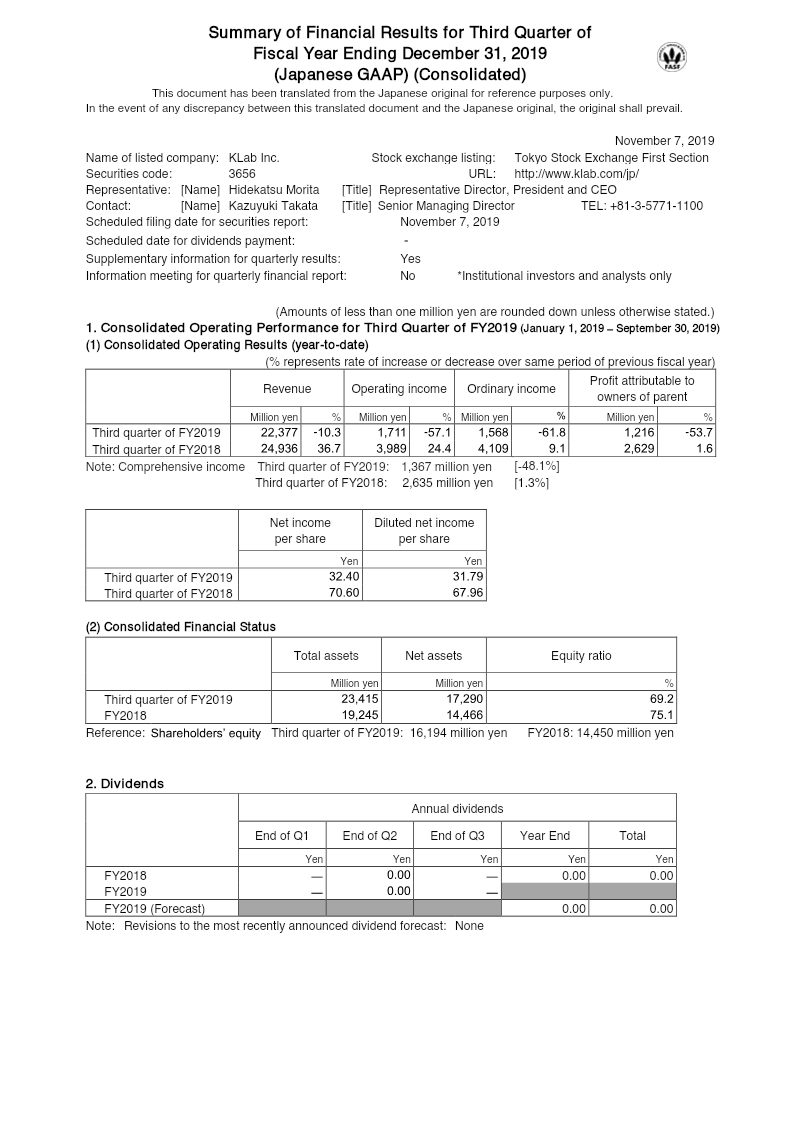
This financial report details the consolidated operating performance of KLab Inc. for the first nine months of fiscal year 2019, covering the period from January 1 to September 30, 2019. The data reveals a period of contraction for the Japanese mobile gaming company, with revenue declining 10.3% year-over-year to 22.37 billion yen. The downturn was primarily driven by diminishing returns from established titles such as Love Live! School Idol Festival and Captain Tsubasa: Dream Team. While new releases like Magatsu Wahrheit and Love Live! School Idol Festival ALL STARS contributed new revenue streams, they were insufficient to offset the decline of legacy products.
Profitability metrics saw a more significant decline during this period. Operating income fell by 57.1% to 1.71 billion yen, while profit attributable to owners of the parent dropped 53.7% to 1.21 billion yen. This compression was caused by a combination of lower top-line revenue and rising costs of sales, which increased by 1.0% due to higher labor, outsourcing, and depreciation expenses associated with new game development. Conversely, selling, general, and administrative expenses decreased by 10.3%, largely due to reduced advertising spend.
The financial status remains stable with an equity ratio of 69.2% and total assets of 23.4 billion yen, an increase driven by higher accounts receivable and software assets. Looking forward, the company revised its full-year 2019 forecasts to a definite figure rather than a range, projecting total revenue of 31.5 billion yen and operating income of 1.75 billion yen. The methodology follows Japanese GAAP, and the scope includes the core game business alongside smaller segments in research, consulting, and venture capital.
KLab · 2026
KLab · 2025
KLab · 2025
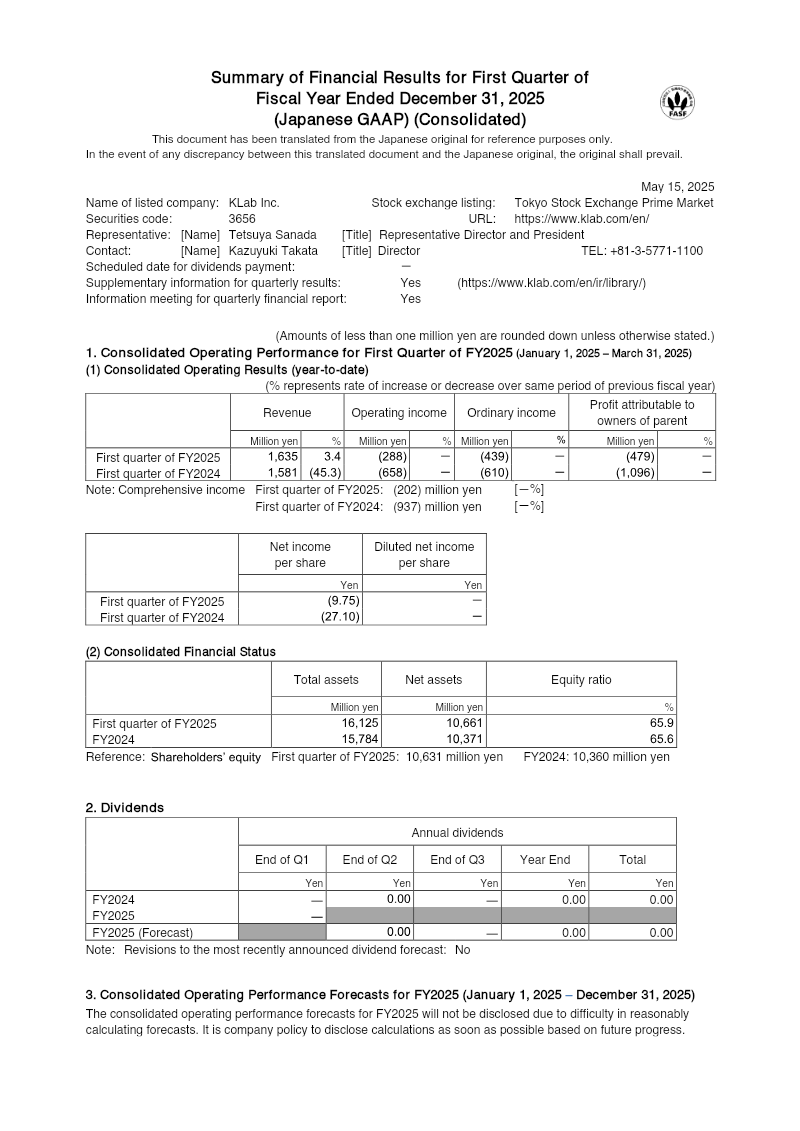
KLab · 2025
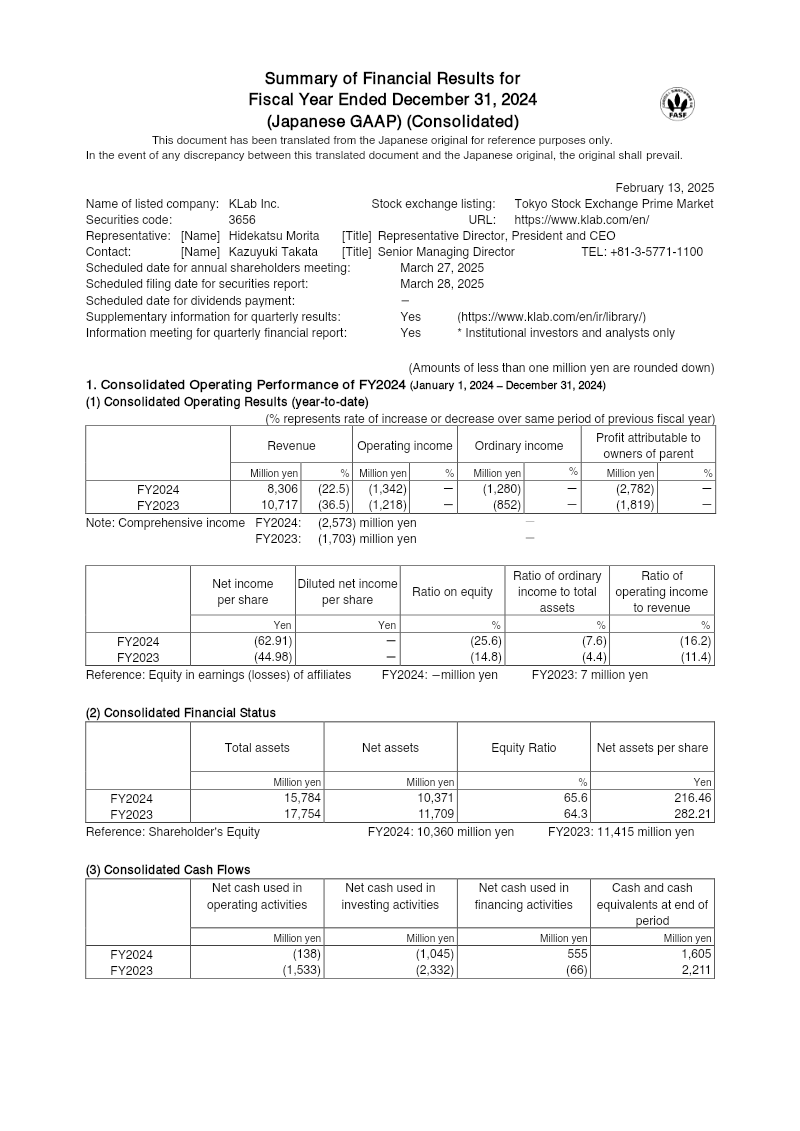
KLab · 2025
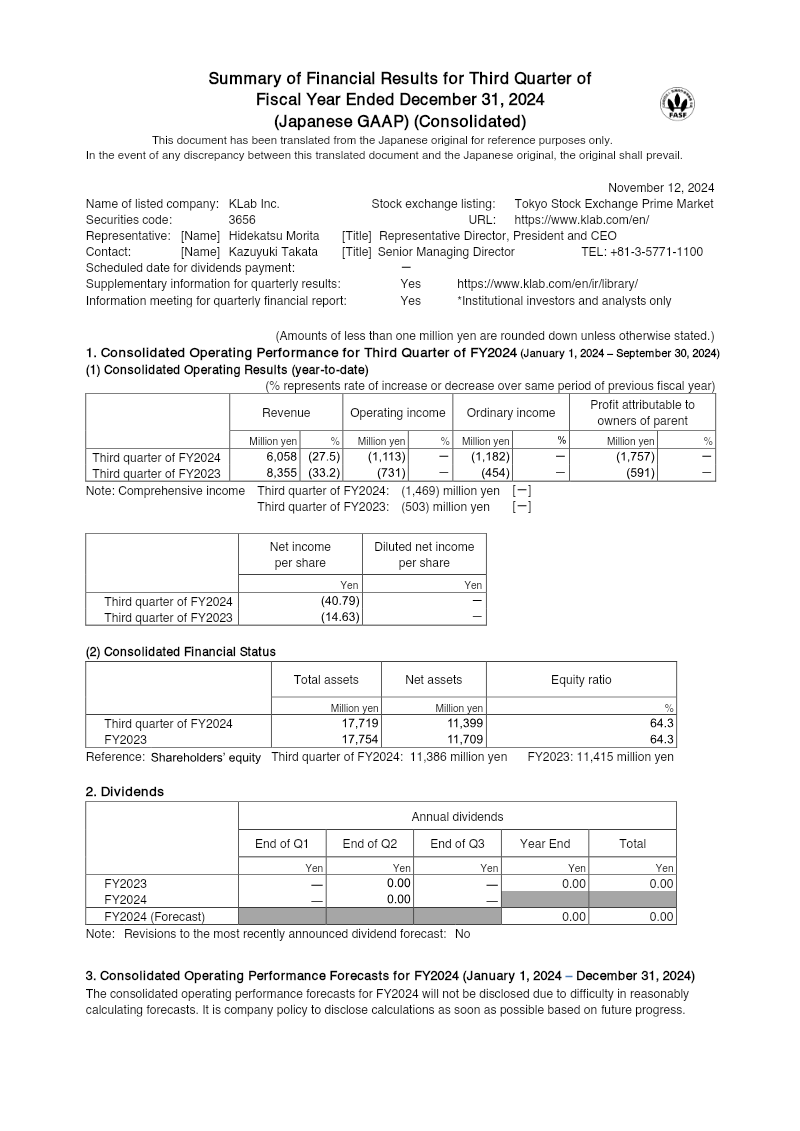
KLab · 2024
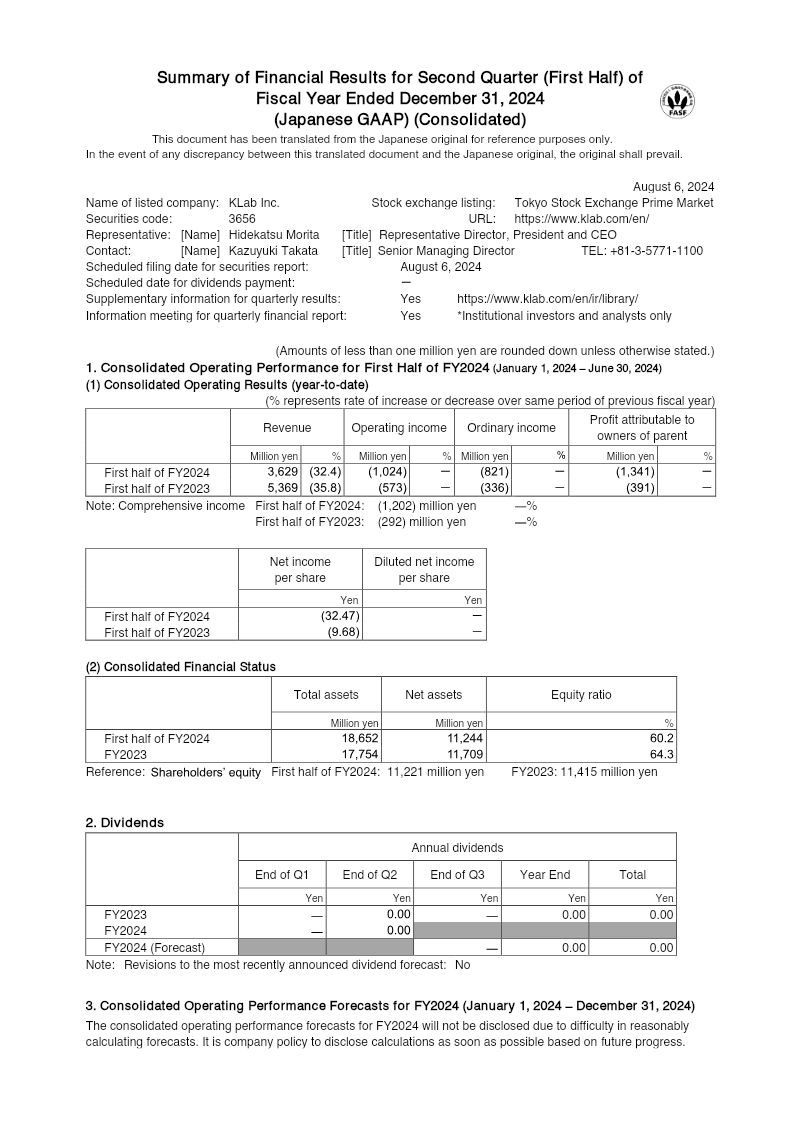
KLab · 2024
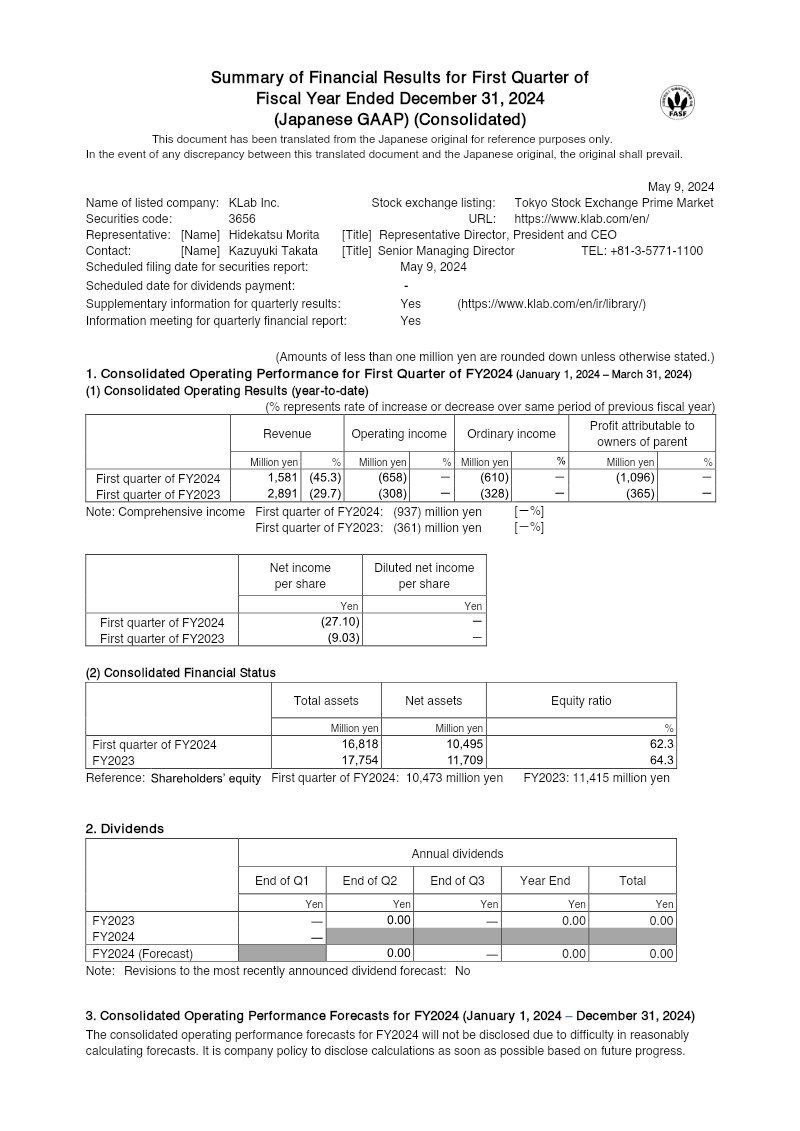
KLab · 2024
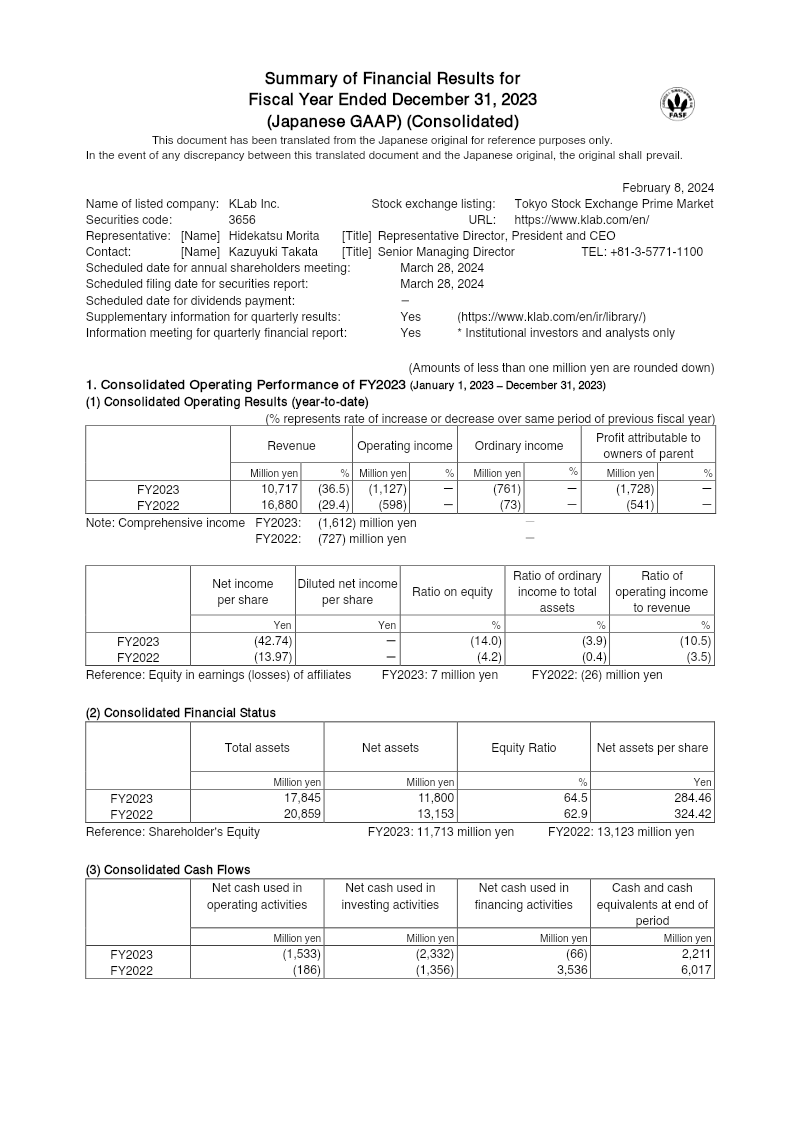
KLab · 2024
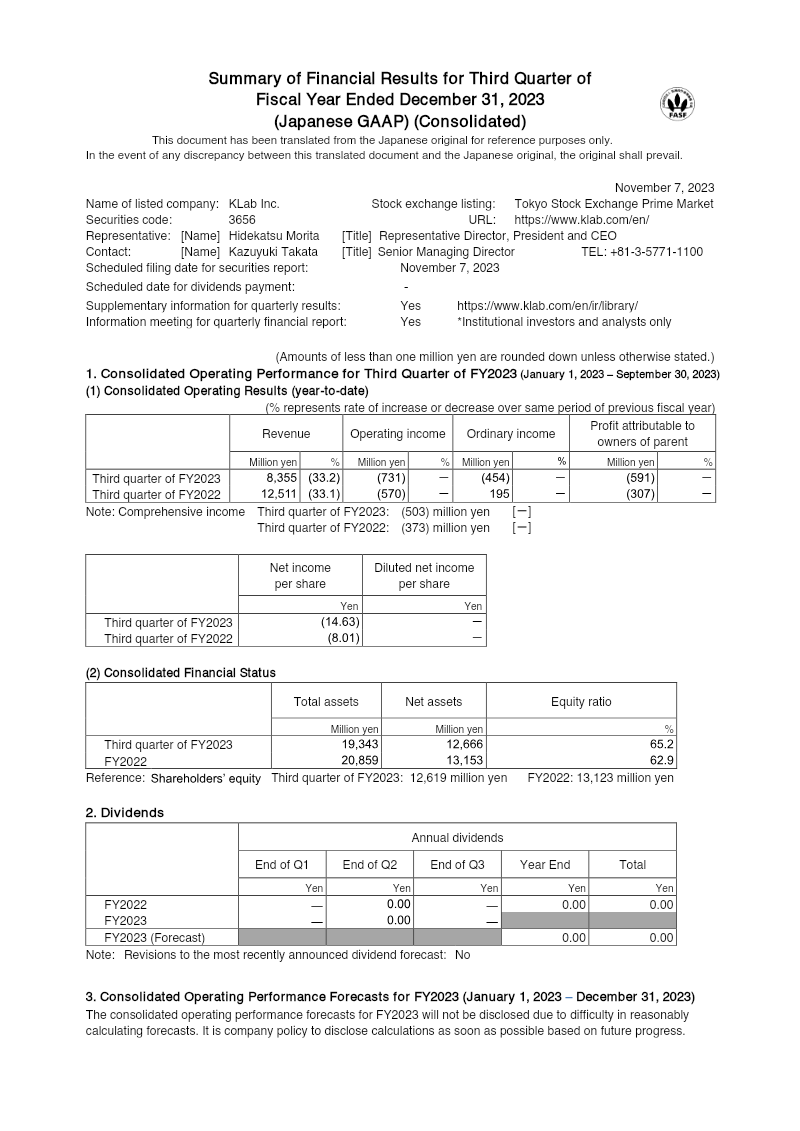
KLab · 2023
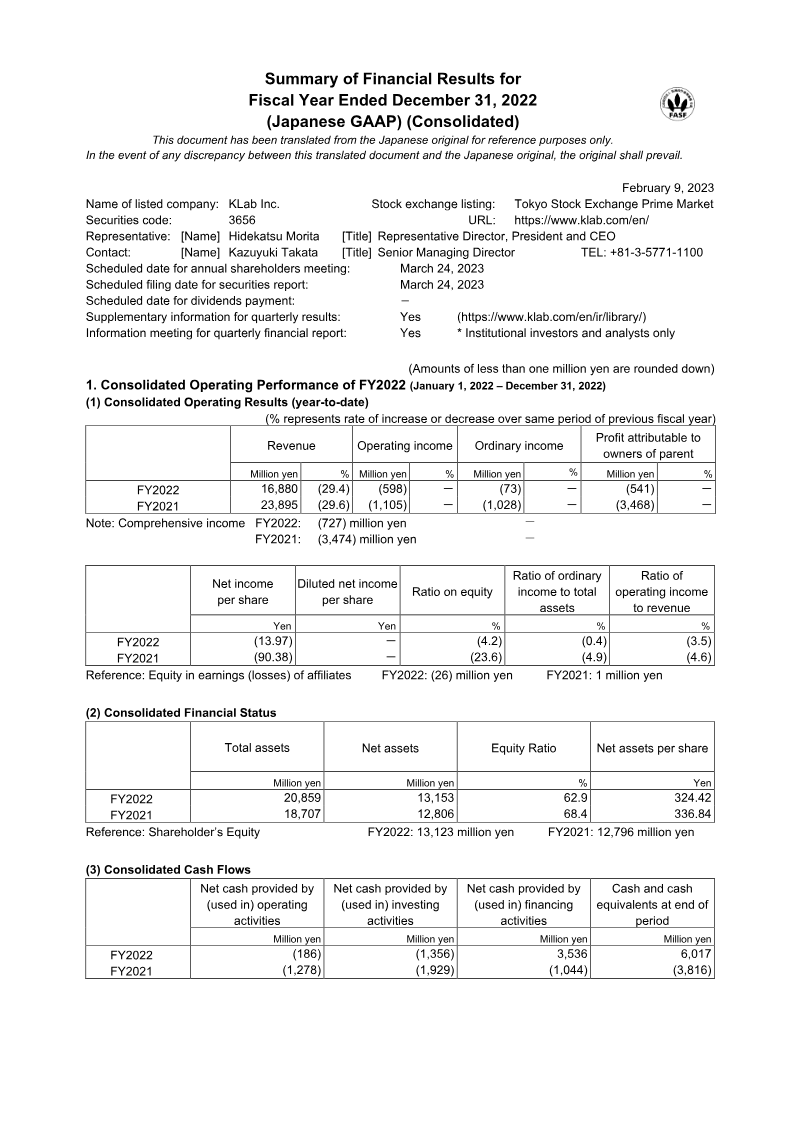
KLab · 2023
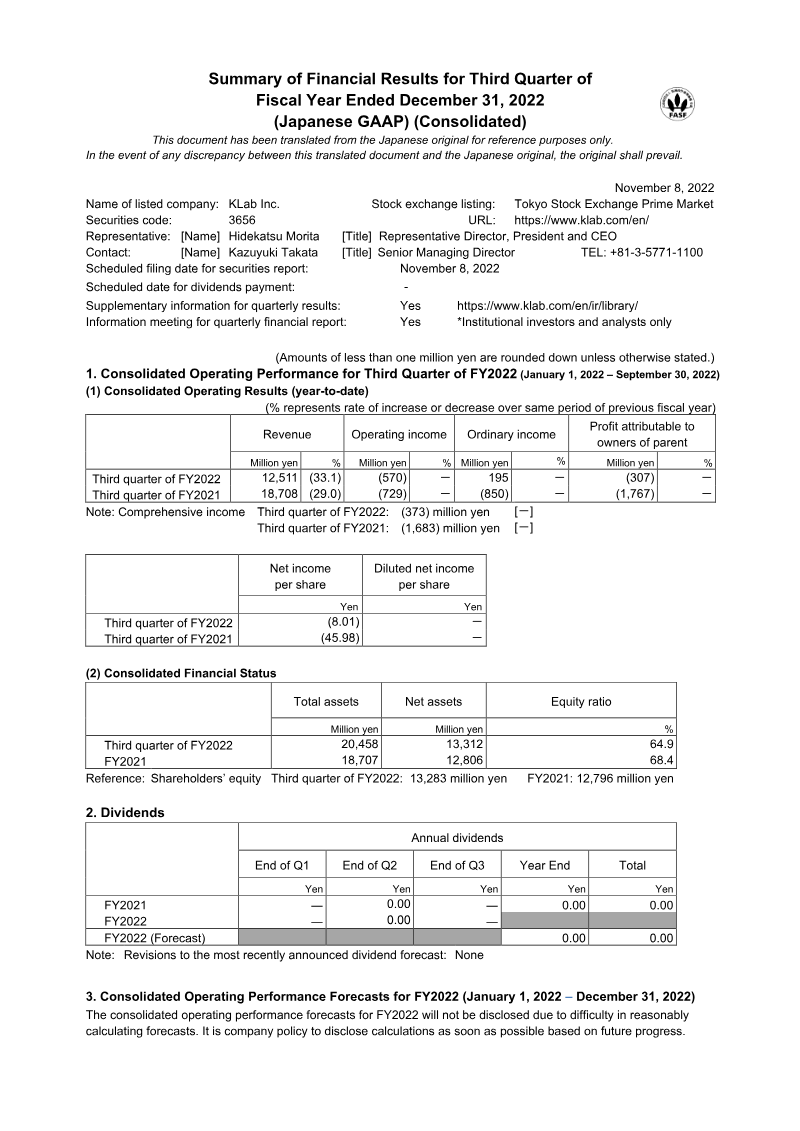
KLab · 2022
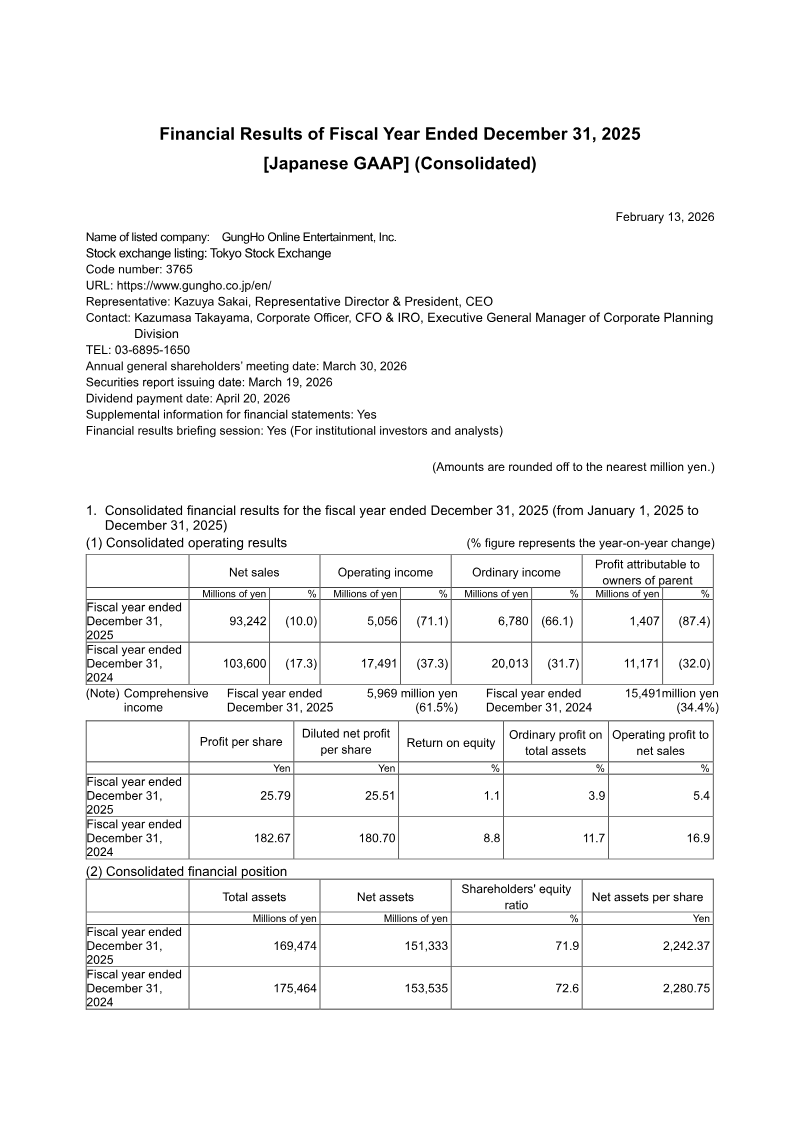
GungHo Online Entertainment · 2026
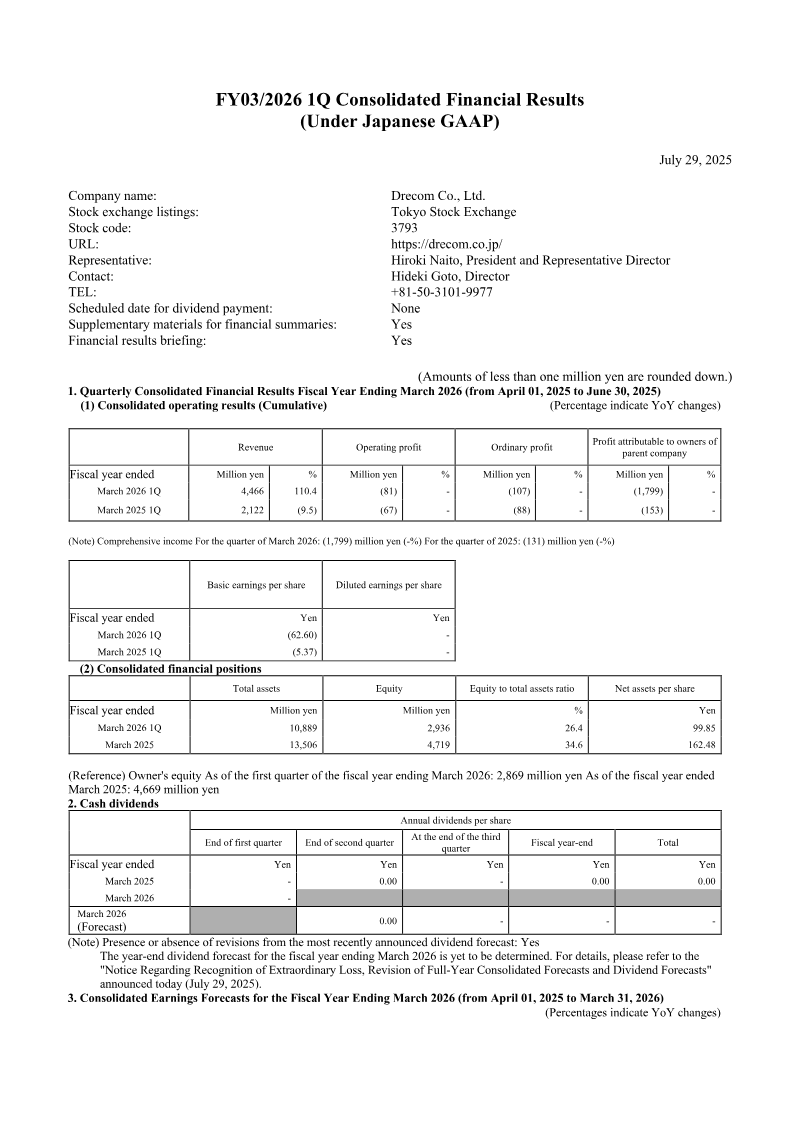
Drecom Co. · 2025
GREE · 2025
GREE · 2024
GREE · 2024
GREE · 2023
GREE · 2023
GREE · 2023