FinancialNippon Ichi Software
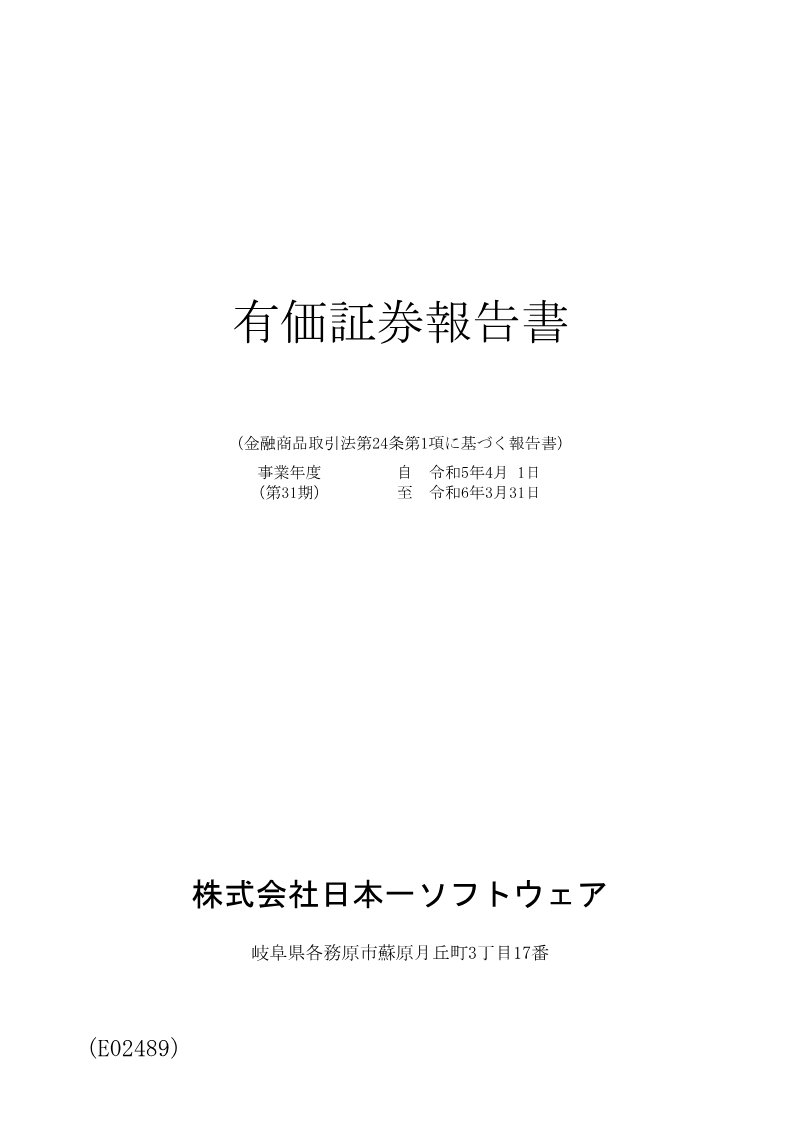
Nippon Ichi Software Securities Report FY2024
28 Jun 202497 pages~37 min full read
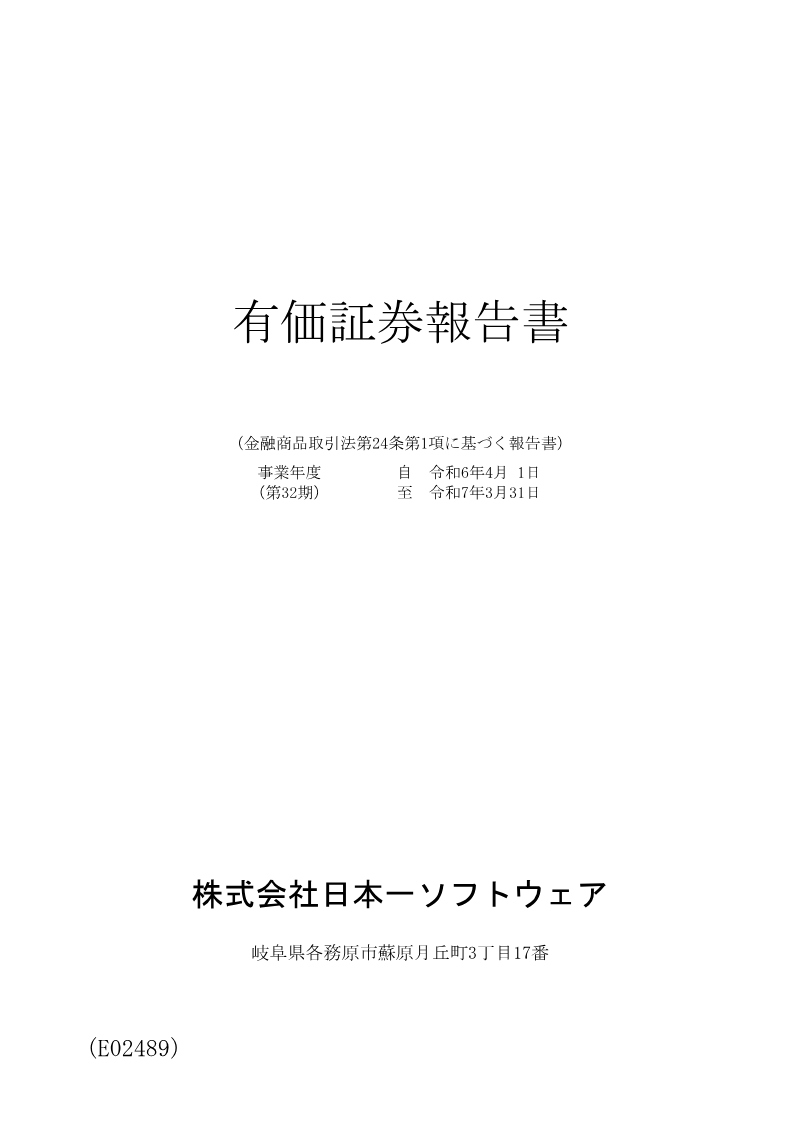
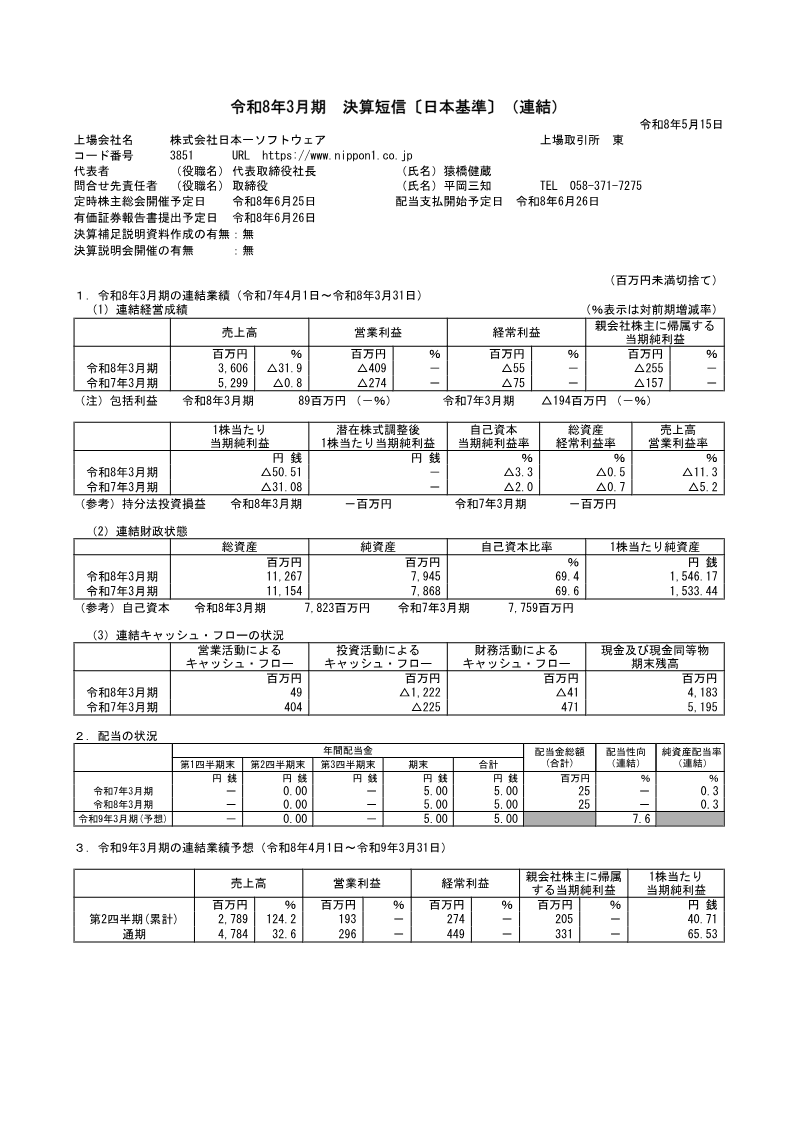
Nippon Ichi Software concluded its 31st fiscal year on March 31, 2024, reporting consolidated net sales of ¥5.34 billion, a 10.5% increase over the previous year. This growth was primarily driven by the entertainment segment, which accounts for over 98% of total revenue, bolstered by strong digital sales and the international performance of titles such as Disgaea 7. Despite the rise in top-line revenue, operating profit declined by 46.2% to ¥401 million, and ordinary profit fell 10.5% to ¥842 million. These contractions are attributed to rising manufacturing costs, increased advertising expenditures, and higher general administrative expenses.
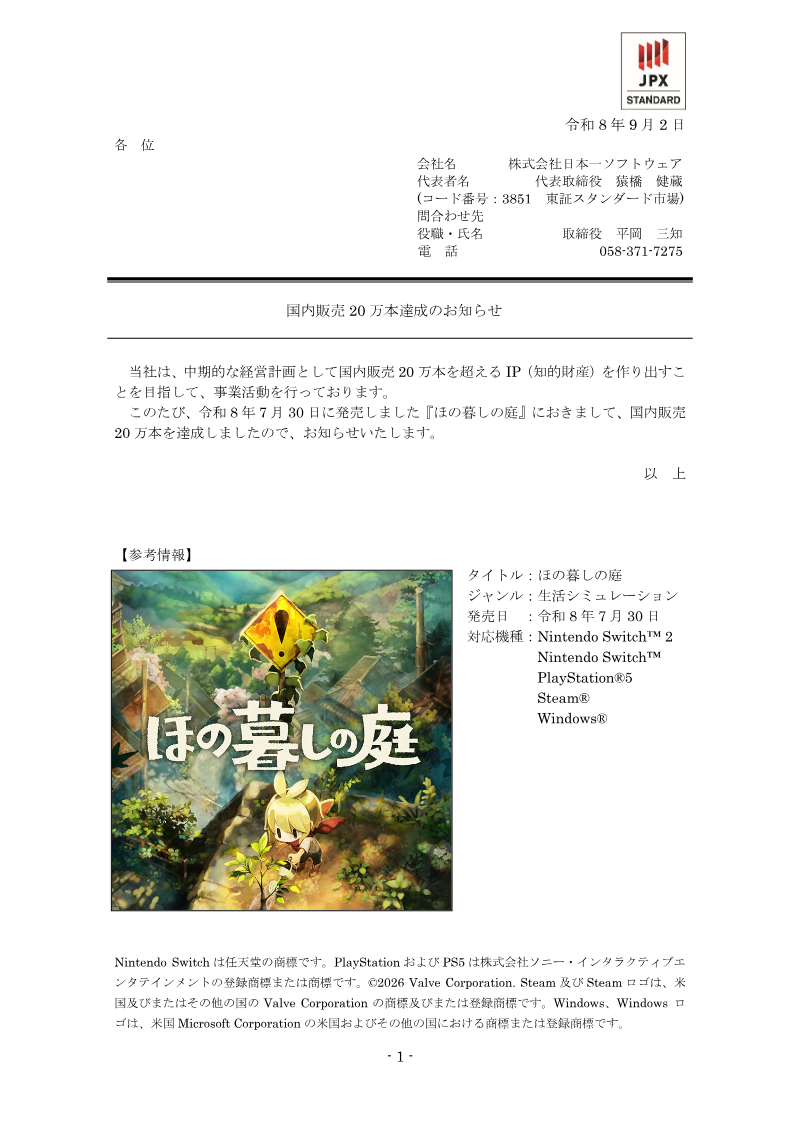
The geographic distribution of revenue underscores a heavy reliance on the North American market, which contributed ¥3.14 billion, or 58.8% of total sales. NIS America remains a critical subsidiary in managing these international operations, particularly through partnerships with major entities like Nintendo and Koei Tecmo America. To mitigate risks associated with high dependency on existing franchises and foreign exchange volatility, management is prioritizing the development of new intellectual property with a domestic sales target of 200,000 units per title. This strategy involves enhancing graphic quality and strengthening internal development systems to remain competitive amid shifting hardware trends.
Financially, the group maintains a stable foundation with ¥5.36 billion in cash and deposits, though it saw an increase in long-term debt to ¥8.8 billion to fund capital investments, including significant land acquisitions. Critical audit matters identified for the period include the valuation of ¥674.6 million in game content inventories and the estimation of ¥426.7 million in refund liabilities for overseas sales. Despite these complexities, internal controls over financial reporting were deemed effective, ensuring the accuracy of the group’s financial position as it seeks to balance rising development costs with the pursuit of global market expansion.
Nippon Ichi Software · 2026
Nippon Ichi Software · 2026
Nippon Ichi Software · 2026
Nippon Ichi Software · 2025
Nippon Ichi Software · 2025
Nippon Ichi Software · 2025
Nippon Ichi Software · 2025
Nippon Ichi Software · 2025
Nippon Ichi Software · 2024
Nippon Ichi Software
Nippon Ichi Software
Nippon Ichi Software
Square Enix · 2023
Bandai Namco · 2016
mixi · 2015
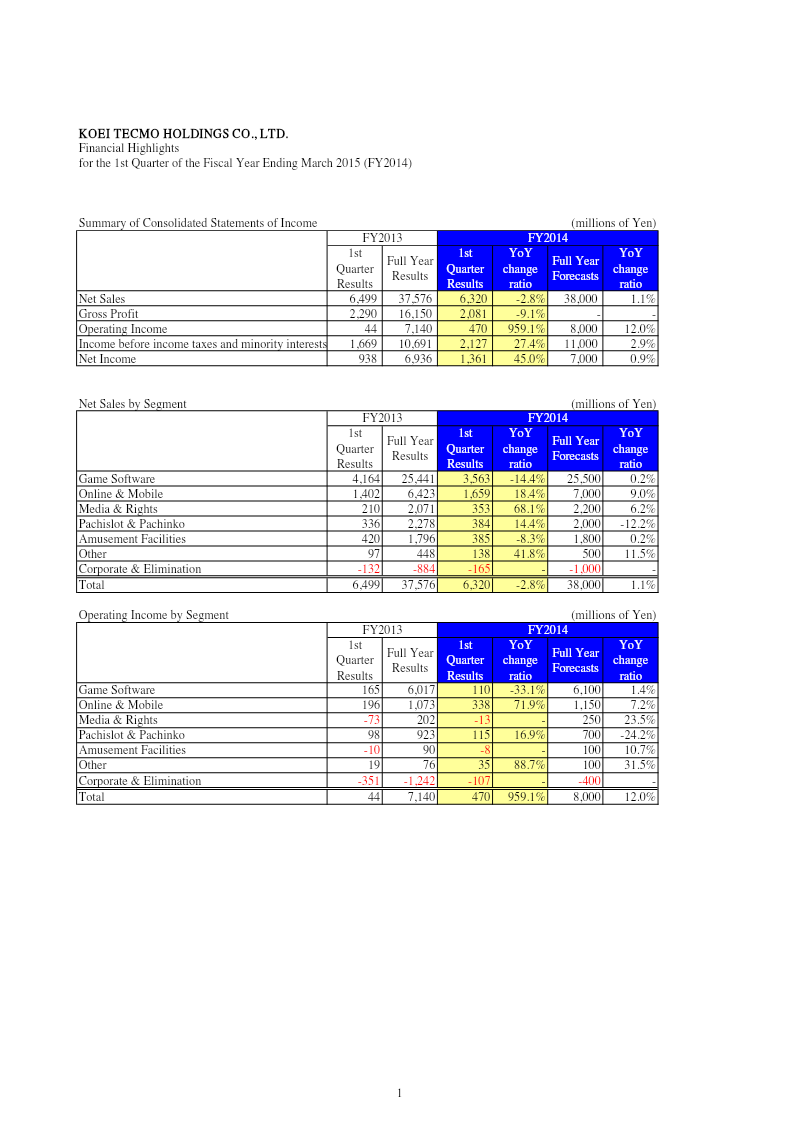
Koei Tecmo · 2015

Koei Tecmo · 2012

Bandai Namco · 2007
Square Enix · 2006
Square Enix · 2004
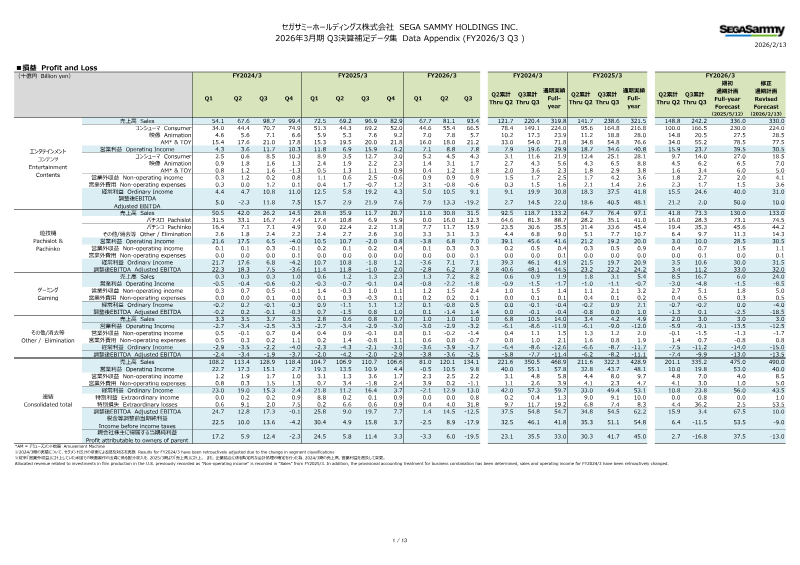
Sega Sammy Holdings · 2026

Kadokawa Corporation · 2026
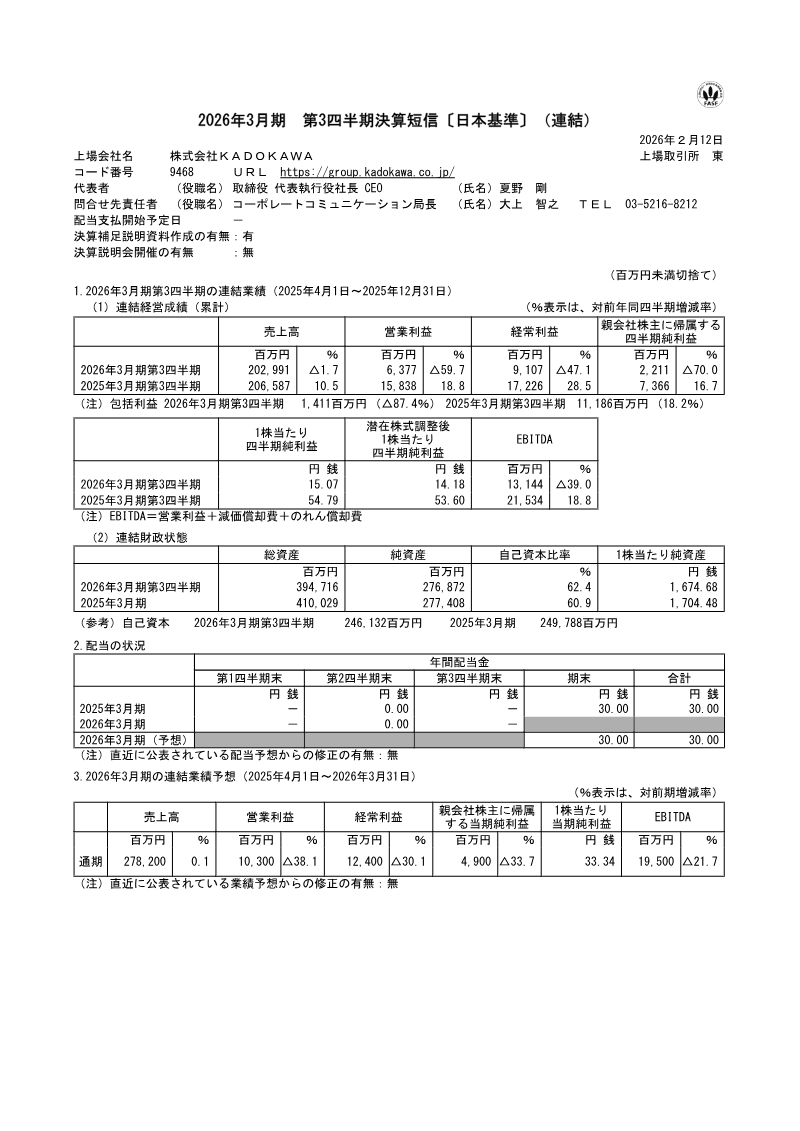
Kadokawa Corporation · 2026
Akatsuki · 2026