NetEase’s FY 2006 performance demonstrates a decisive shift from an advertising‑centric model to a gaming‑driven revenue engine, with online‑game services accounting for 65.8 %–84.6 % of total net revenues and contributing a 35 % rise in sales to RMB 2.217 billion (≈US$277 m). Net profit surged 33 % to RMB 1.242 billion (≈US$159 m), driven by strong gross margins in the gaming segment and controlled cost growth, despite a 39 % increase in operating expenses largely attributable to higher staff, bandwidth and R&D outlays. Cash and cash equivalents stood at RMB 1.206 billion, while total assets grew to RMB 4.374 billion, underscoring a solid liquidity base that supports ongoing infrastructure investment and share‑repurchase programmes.
The company’s strategic focus lies in sustaining the popularity of its flagship MMORPGs and expanding into 3D titles, while mitigating risks from game‑market volatility, regulatory tightening (e.g., anti‑addiction notices and telecom licensing), and limited online payment infrastructure that relies on prepaid point cards. Operational vulnerabilities include dependence on China Mobile and China Unicom for wireless services, potential system outages, cyber‑attacks, and evolving content‑licensing requirements. Tax exposure is heightened by the 2008 Chinese enterprise income‑tax reform, which may erode preferential rates for subsidiaries and alter deferred tax valuations.
Geographically, NetEase operates exclusively within China, serving a rapidly expanding internet user base that has reached 710 million daily page views and 640,830 concurrent users in its MMORPG titles. The company’s governance structure features concentrated ownership by founder William Ding (47 % of ordinary shares) and a board with independent audit, compensation and nominating committees. U.S. investors face potential passive foreign investment company (PFIC) status, with associated tax implications under U.S. law.
Overall, FY 2006 positions NetEase as a leading Chinese internet portal and gaming operator, delivering robust growth while navigating a complex regulatory landscape and maintaining a strong balance sheet to fund future expansion.
NetEase · 2026
NetEase · 2025
NetEase · 2024
NetEase · 2023
NetEase · 2022
NetEase · 2021
NetEase · 2020
NetEase · 2019
NetEase · 2018

NetEase · 2017
NetEase · 2016
NetEase · 2015
Meridian Play · 2026
Capcom Co. · 2026
Giant Network Group · 2026

Archosaur Games · 2026

tinyBuild · 2026
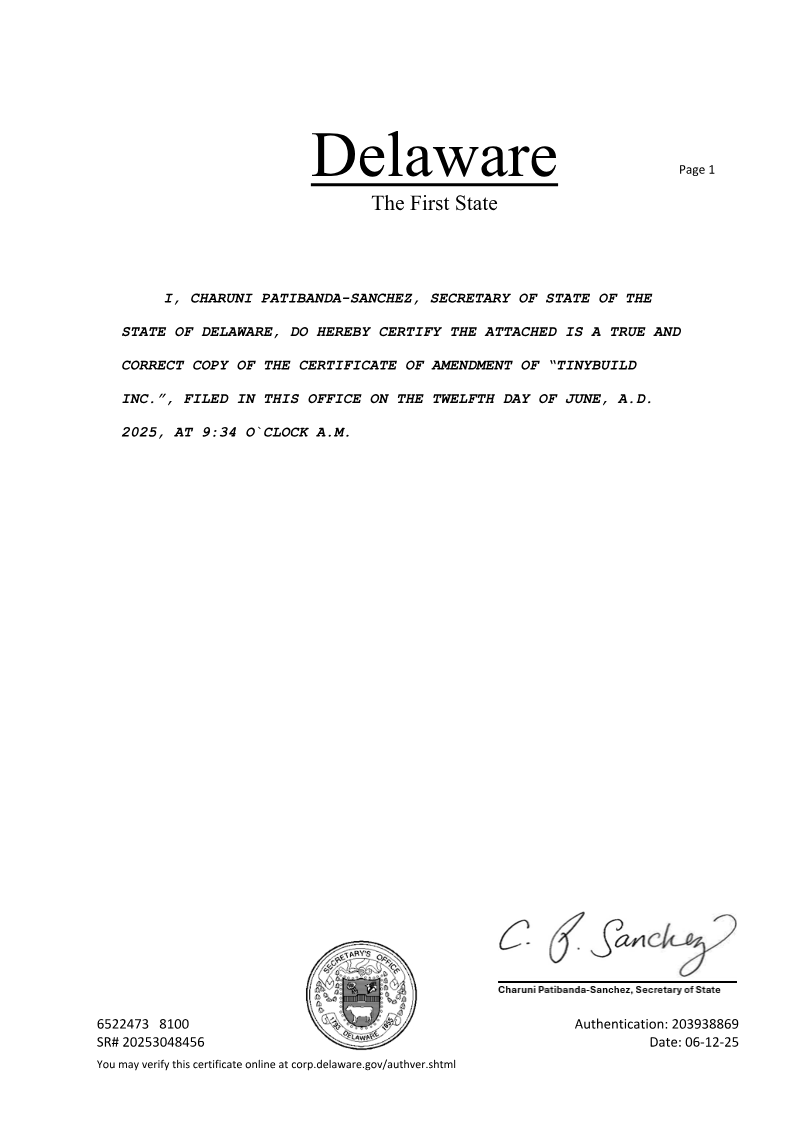
State of Delaware · 2026
Capcom · 2026
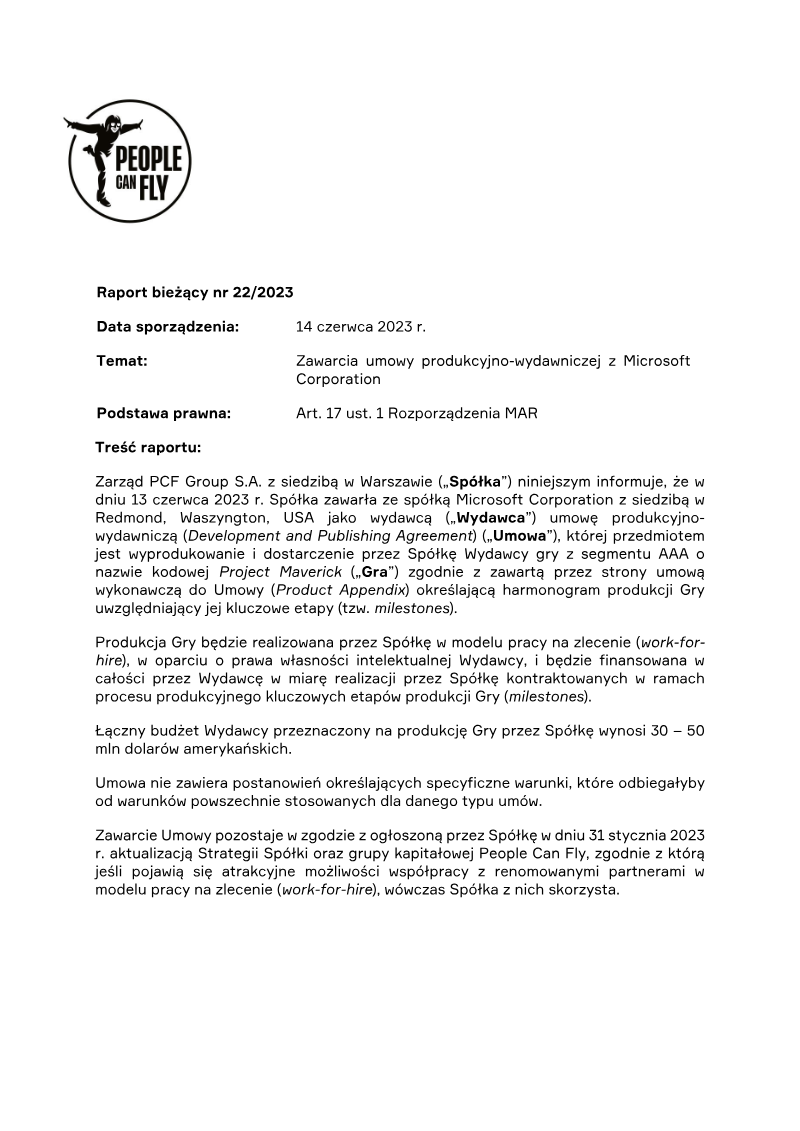
PCF Group · 2026
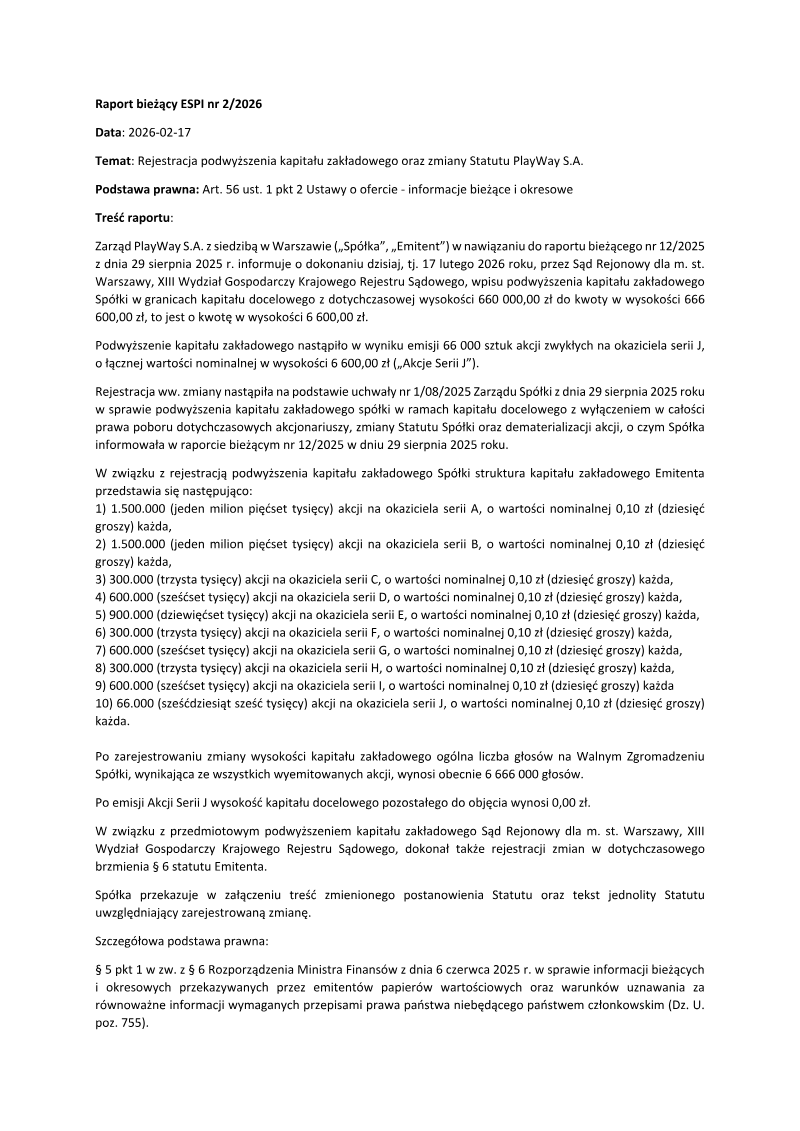
PlayWay · 2026
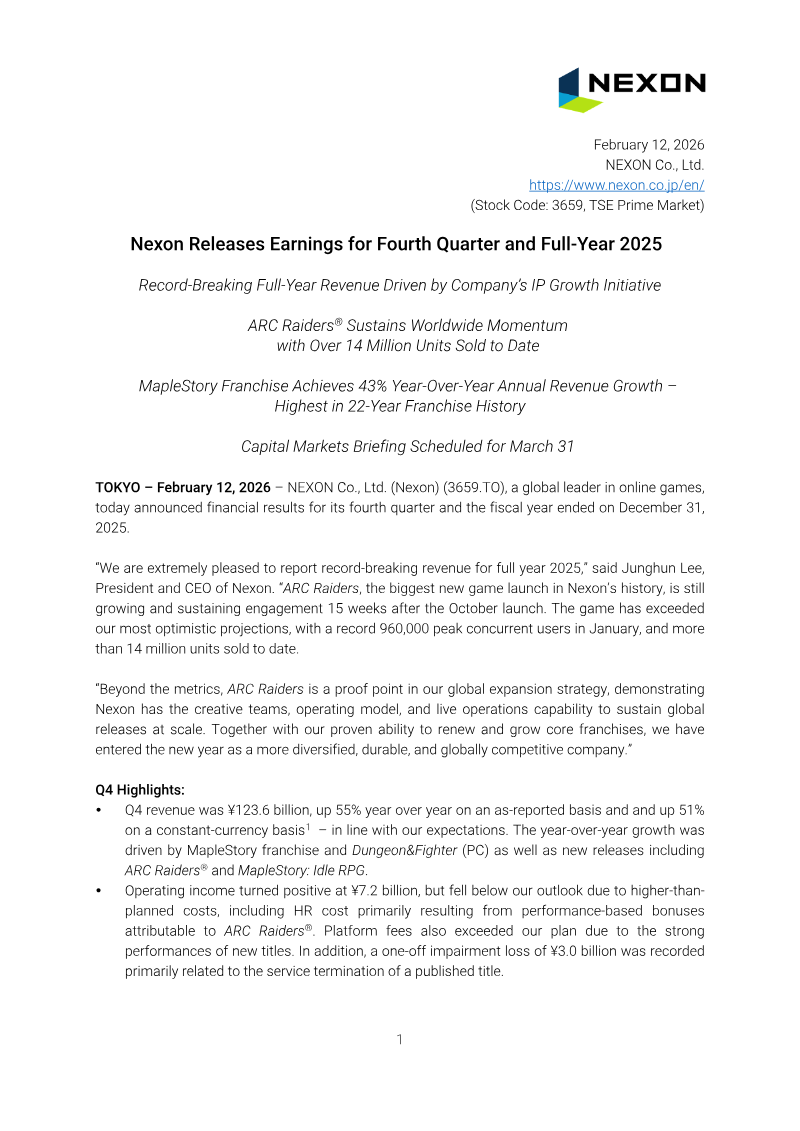
NEXON Co. · 2026
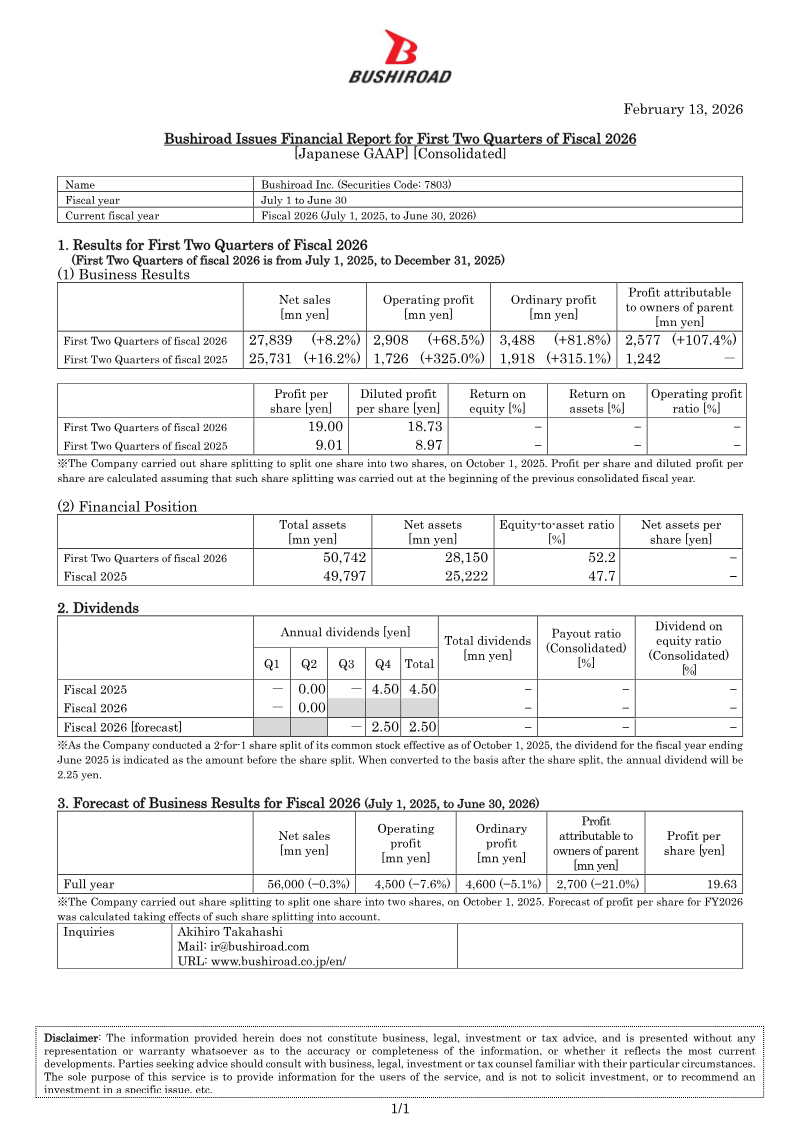
Bushiroad · 2026
GungHo Online Entertainment · 2026