
FinancialNetEase
NetEase 20-F: Fiscal Year Ended December 31, 2005
29 Jun 20061 pages~465 min full read
NetEase’s fiscal‑year 2005 filing demonstrates a dramatic transformation of its revenue mix, with online gaming becoming the dominant driver. Total revenues surged 78 % to RMB 1.69 billion (US$200 million), largely due to a 122 % jump in game income, which now accounts for over 80 % of sales. Advertising revenue grew by 41 %, while wireless value‑added services collapsed to a negligible share, reflecting strategic realignment toward high‑margin digital entertainment. Gross profit margins improved from 79.7 % to 82.9 %, and operating expenses fell as a proportion of revenue, enabling net profit to triple to RMB 932 million (US$115 million) and elevating the effective tax rate to 9.3 %.
The company’s consolidation of variable‑interest entities under FIN 46 reclassified revenue recognition, aligning reported figures with gross customer earnings before tax and treating intra‑group taxes as cost of revenue. This accounting shift clarifies the financial impact of its core businesses and underscores the importance of robust internal controls, as highlighted in the risk disclosures. Regulatory exposure remains significant: NetEase must secure multiple licenses for internet publishing, value‑added telecom services, and online gaming; pending approvals and evolving e‑commerce rules could constrain operations. Currency volatility, limited payment infrastructure in China, and dependence on key partners such as China Mobile and China Unicom further amplify operational risk.
Geographically, the company operates exclusively within mainland China, targeting a rapidly expanding internet user base of 786 million daily page views in December 2005. The strategic focus on premium services—particularly MMORPG titles and mobile value‑added offerings—requires continued investment in technology infrastructure, R&D (notably 3D licensing), and marketing to sustain competitive advantage amid intensifying domestic and foreign competition. Overall, NetEase’s 2005 performance reflects a successful pivot to high‑margin online gaming, tempered by substantial regulatory and market risks that could materially affect future profitability.
NetEase · 2026
NetEase · 2025

NetEase · 2024

NetEase · 2023

NetEase · 2022

NetEase · 2021

NetEase · 2020

NetEase · 2019

NetEase · 2018

NetEase · 2017

NetEase · 2016

NetEase · 2015

Capcom Co. · 2026

tinyBuild · 2026
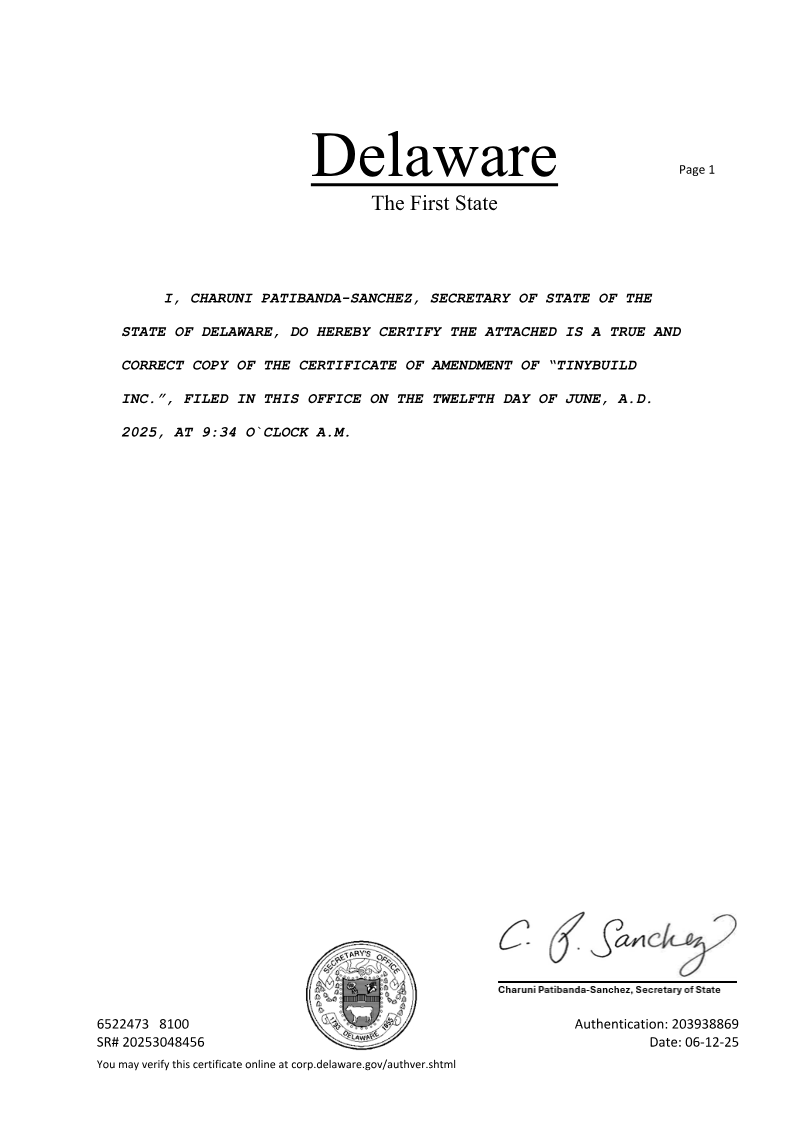
State of Delaware · 2026
Capcom · 2026
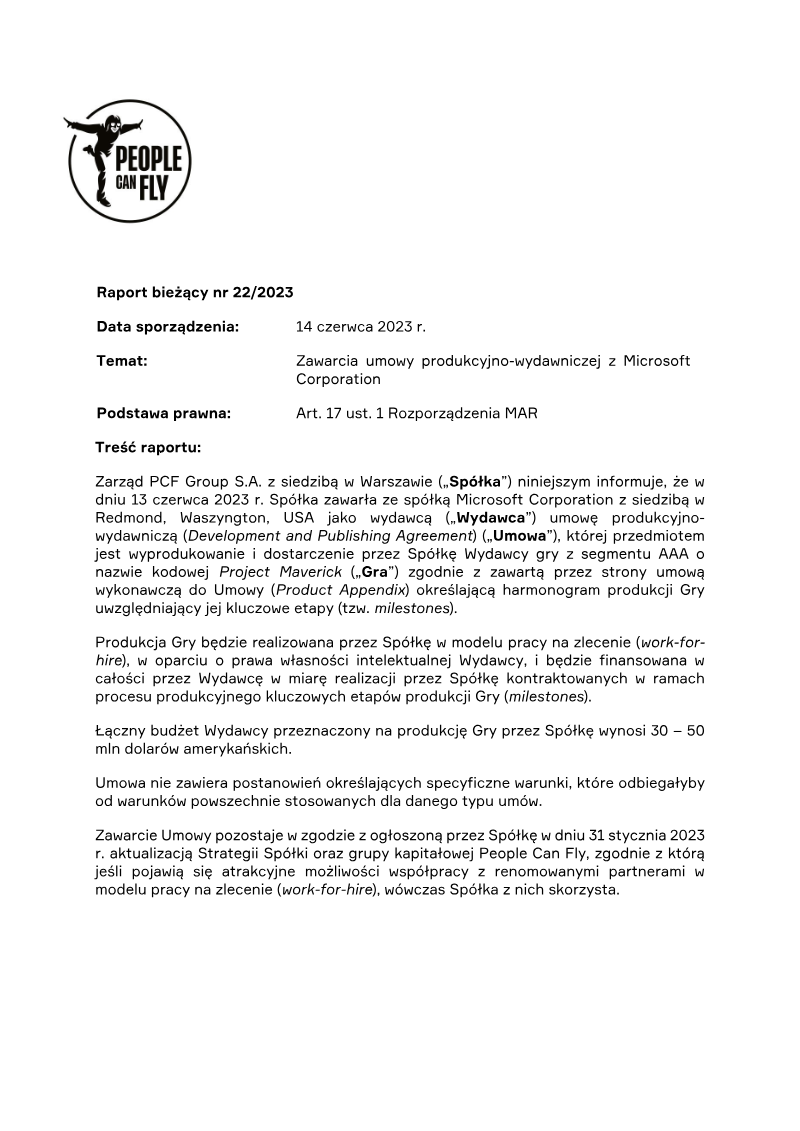
PCF Group · 2026
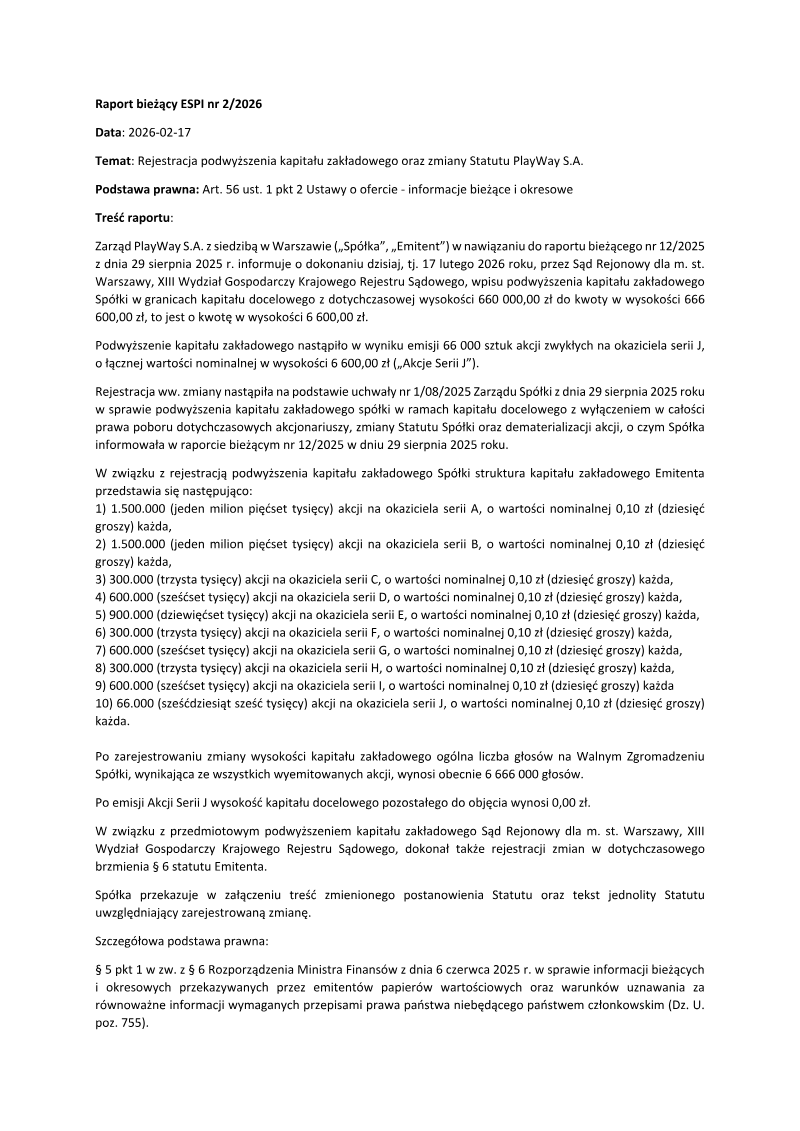
PlayWay · 2026
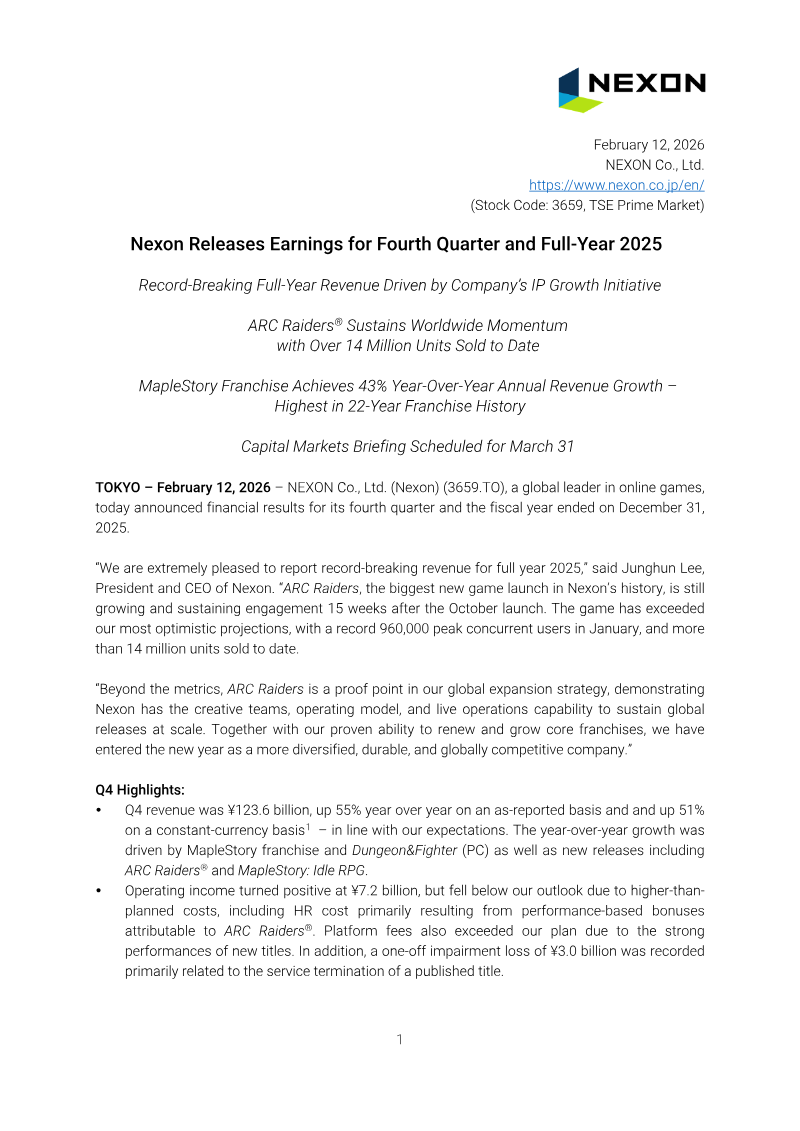
NEXON Co. · 2026

GungHo Online Entertainment · 2026
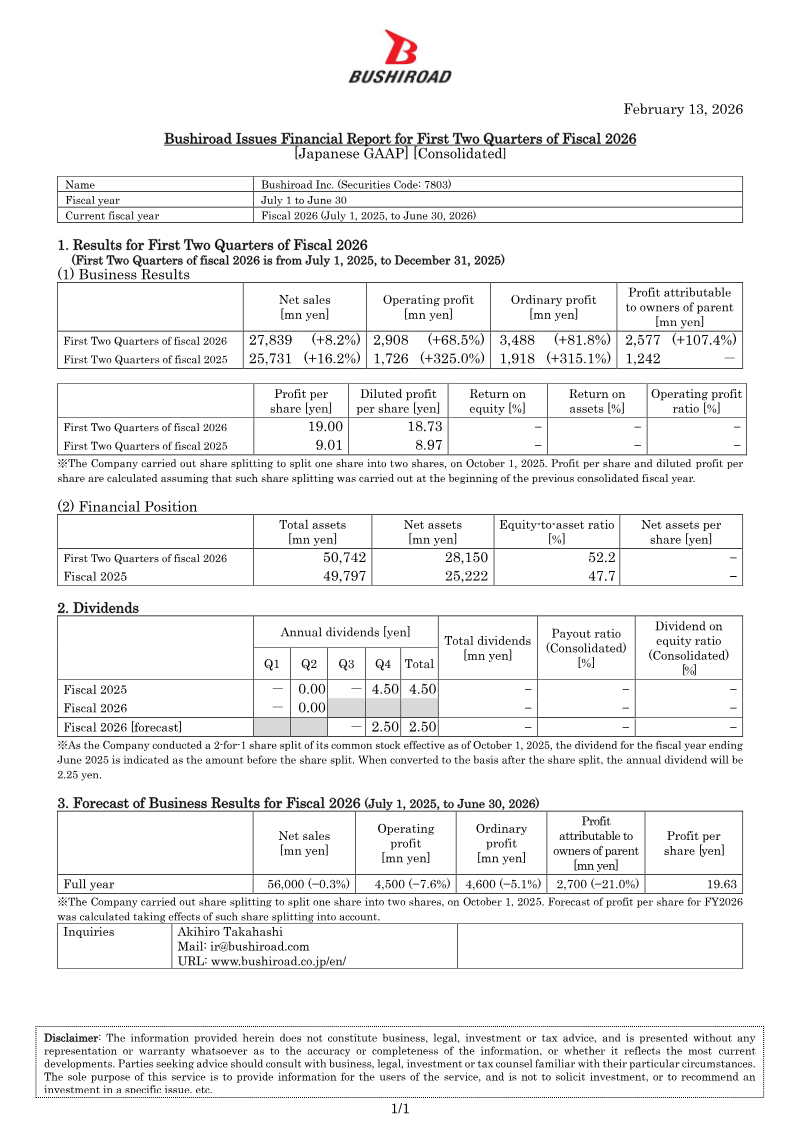
Bushiroad · 2026

Meridian Play · 2026
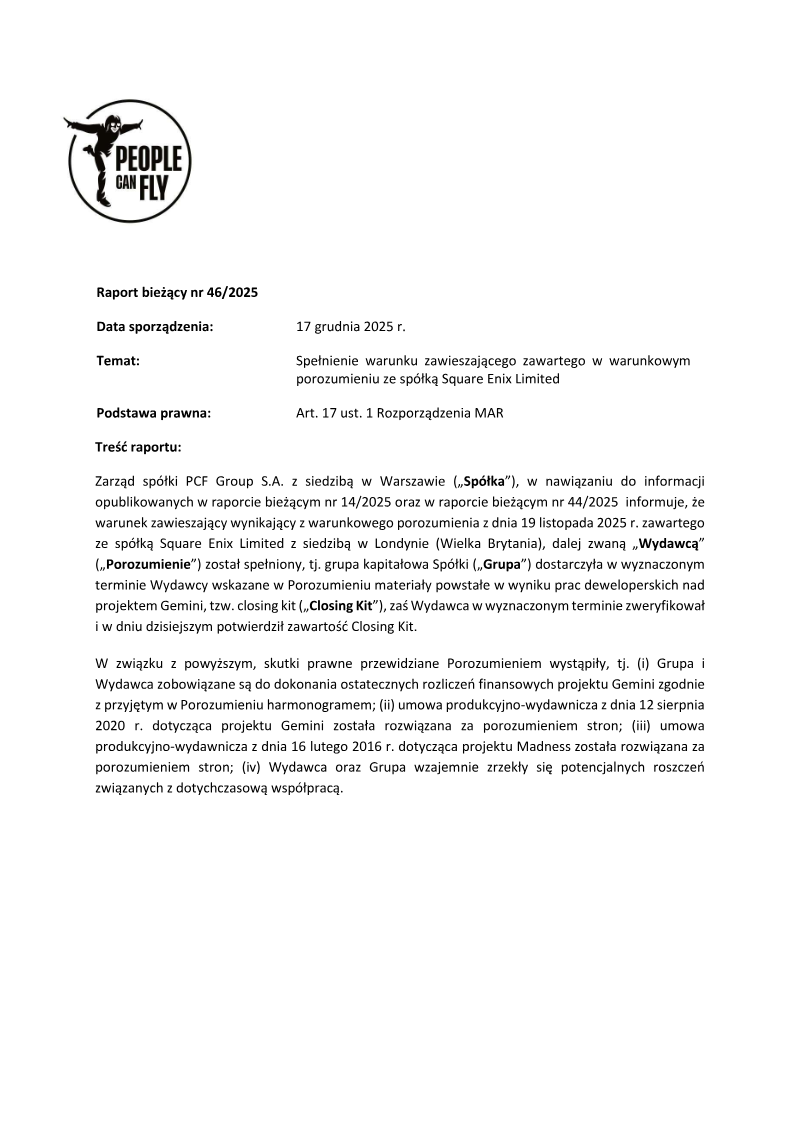
PCF Group · 2025
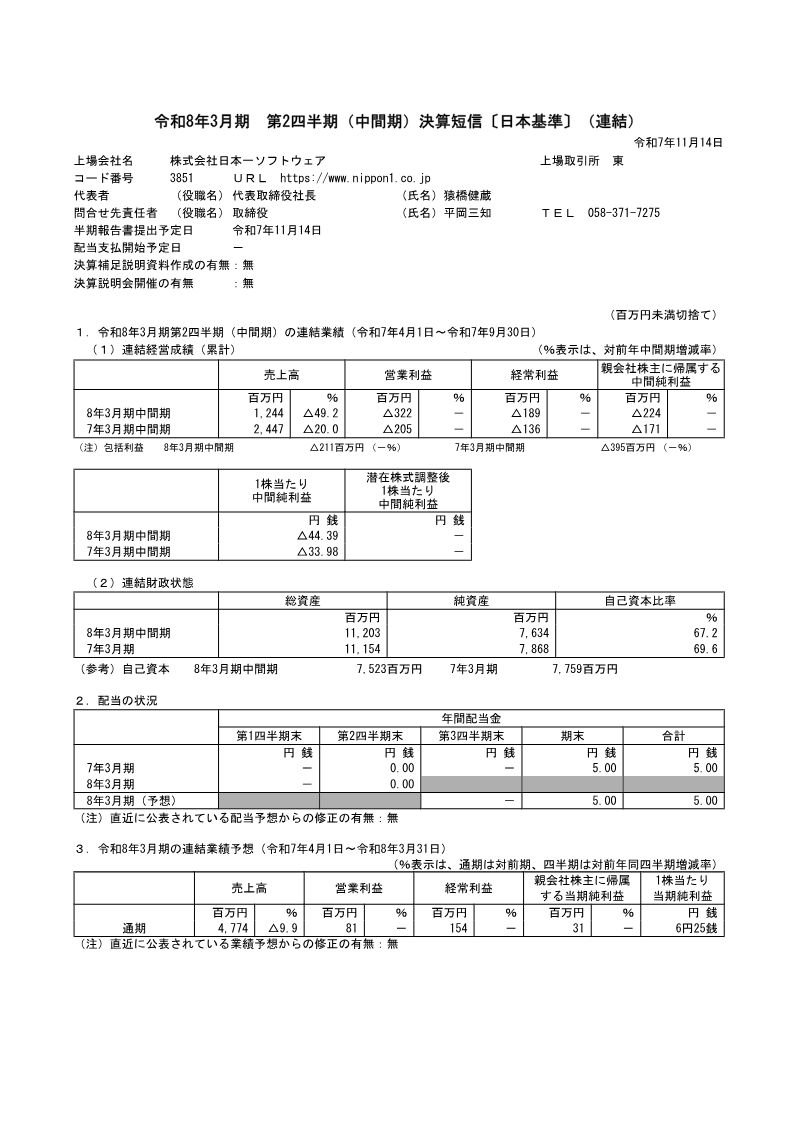
Nippon Ichi Software · 2025