1 free read left. Create a free account for unlimited reading + AI research.
Create free account
Narrative Design and Working on Your Own Terms with Rhianna Pratchett | GduX.me
Key insights
6 takeaways- 01Transitioning to a freelance model allows writers to bypass corporate distractions, enabling more efficient and iterative creative workflows.
- 02Successful narrative designers must act as flexible collaborators who can effectively weave stories around pre-existing assets and rigid gameplay constraints.
- 03Writers should manage stakeholder feedback by utilizing internal conduits to filter input, ensuring the creator’s core vision remains protected from external pressures like audience-led petitions.
- 04Projects like 'Lost Words: Beyond the Page' demonstrate that narrative can serve as the literal foundation for game architecture, where text and creative expression function as mechanics for exploration.
- 05Aspiring writers should provide concise, tailored samples that specifically demonstrate how to build character development directly into player actions.
- 06Narrative design must be deeply integrated into gameplay mechanics, art, and animation from the outset rather than treated as a peripheral addition to the development process.
Ask AI about this video
Transcript
[Music] but we've got another wonderful guest coming up but before we move on I want to give this some proper air to breathe we definitely encourage you guys out there as game developers to look left look right those people next to you are you know coworkers those people next to you are people who are helping you create great product who will then go out and sell - or give away to people who are getting 10 to 15 to 20 minutes of life escape you know so we do get things as game developers like what we're actually doing is helping people enjoy themselves in life giving them reasons to do something other than deal with maybe a problem or concern or a care that is like really dragging them down I know I do I gotta play games all the time whenever I get sad frustrated upset it helps me to you know feel better so the whole reason why I'm saying all of that is because of the work that we do being good I think that the people who do the work therefore should also feel good as well so when I look left and right and I see the people who help me do such thing I definitely want them to be taken care
of as well as myself I want employee-employer relationships to be better we I think I speak for Brandon and myself when I say this but we started the game to have unchained podcast because we wanted the industry to be held accountable to the bad things that happen but also praised for the good things that happen and we feel like if we lower the bottom and raise the top that helps obviously on both ends and so that's what we're all about here so that's why we would bring em a condemning game workers unite to really kick things off here because we're gonna continue to beat that dead horse that we got to take care of each other not just employees working together but employers and employees working together but it can't be competitive it can't be so selfish and I go you know keep laying off all these people about announcing record profits like that can't be the way layoff cadence can't be the thing you know what I mean like I hate that we even say that you know so alright okay I'm done I'm off my soapbox I'm sorry just I'm gonna cut to brand because I think you're trying to signal me and I totally can here say one more time buddy Oh awesome yeah well it's a good time to
talk about our sponsors and everything in between I was like yeah your mic works too my mic works too but I'm like whispering to this guy you know that's part of the fun right so of course this could not happen without the special sponsors of perforce obviously you've been in the game industry for a long long time perforce is the the best version control we actually had perfer asan right to kind of talk about the different uses right now so perforce is originally attributed to larger companies like 300 plus people it's a definitely how I start in the industry using that but I program but they have recently in recent years have been targeting smaller companies yeah smaller groups even and what's the great deal of this so you know if you have five people working on a game together perforce like you know it go ahead and get that perforce to free you guys don't need to sign up and pay anything they've made their their software basically accessible so that any team from one to five people can
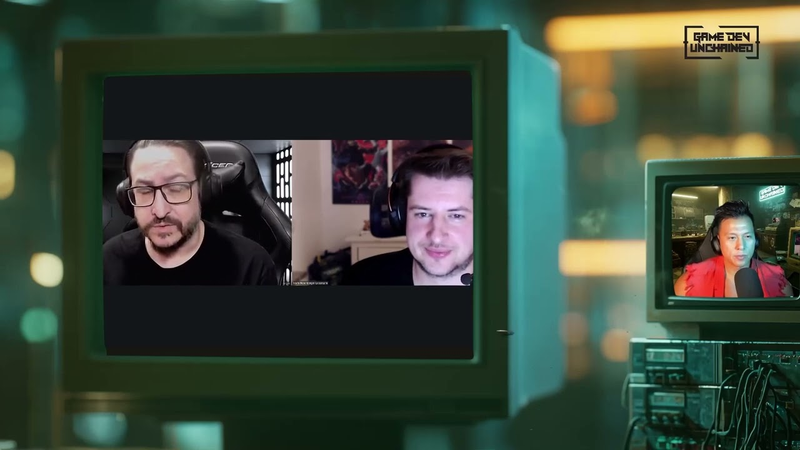
actually use it for free you can get perforce set up on a computer everybody can check in check out you get source control on your projects whether it's software whether it's just a book that you're writing like it doesn't really matter as long as you need to have source control over whatever you're doing perforce is great and they sponsor simple obviously I'm gonna say great things shouted the perforce we could not we literally could not have done this without your contribution so beyond all the jokes and smiles dude seriously everyone at perforce thank you very much for making this possible because you're helping us help game developers and that means a lot to me personally so so why Larry let's introduce our next makes yeah through the magic of camera transitions you'll see that I have a lovely lady behind me her name is mister Briana Pratchett thank you very much for joining us Brandon not as lovely but he's over there alright so if you so that means also the audience can only see her no no
but you'll be able to see your ago are you alright now are you able to see us I can just see I'm gonna do the old asked which yep on twitch it looks like all three of us are there well today I promise you you're good and we're all right we're just gonna go by our voice right now so Rihanna obviously you've been on the podcast before but why don't you give us and our Watchers out there people watching the stream right now a little bit about yourself before we get started whoa okay well like I spent a couple years going around the world I left
full time employment went freelance again and was offered a job at now- in the two games and they were looking for a native English speaker to kind of help them to polish their dialogue and I've been a big fan there previously we provided with terribly located himself named Bradley and I I didn't know anything about doing I never met anyone like no one ever sat me down said it's the writer or a beautiful dog then I was like no one really talked about it but I'm feeling things up everything books about all focused on and obviously marrying these
and so I spent quite a bit and then I hope I'm still on because it stopped I can stop stopped hearing you now so I'm going to keep going and assume that everything's fine so otter after that I kind of thought this is a more interesting way of paying the bills than the kind of endless pitching articles and so I basically took my contacts I made as a journalist and I went to the moon said look I'm doing this this kind of work now I'm working on narrative do you need any help and that pretty much sort of kick-started me off and I got lots of little bits of work I worked on a spongebob game I worked on a pacman game I worked on a strongholds game and I
just kind of kept building things up getting more experience working on level dialogue on box on dialogue did you hear all that yeah here where it's so taking notes right now sorry um so we we've we've taken off our camera but we're still here with the microphone with you okay I don't know we want we want the focus to be ugly okay right so I went and found bits and pieces work and then I just kind of built up my CV not really having a trajectory because I didn't have any maps so the territories I just kind of made up as I went along to work here and there where it seemed interesting or maybe friends wanted me to do it and that was until I got work on Heavenly
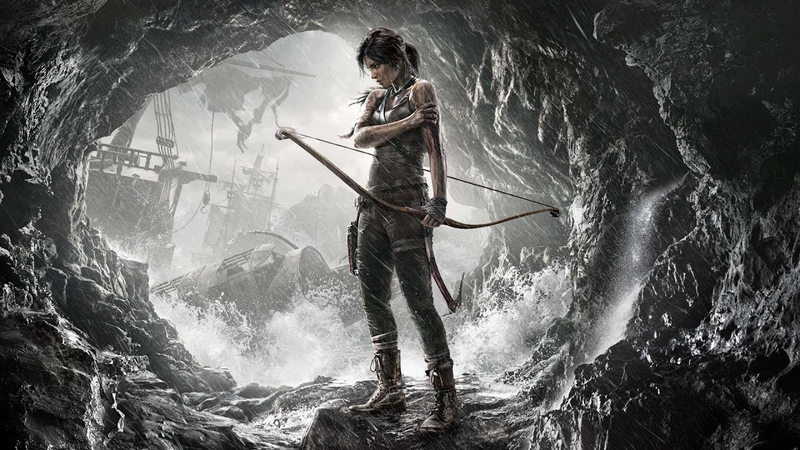
Sword which is one of the earlier ps3 titles with Ninja Theory obviously gone gone to great things most recently with hell-blade and that was my first experience as sort of very cinematic storytelling in games and I think that really kicked up my career a few notches and from there just I just started growing even more I worked on the Overlord games I worked on Mary's edge I'm probably most known for working on the Tomb Raider games the first Tomb Raider and rise of the Tomb Raider and I'm sort of mainly a writer also call myself or never we've diner as well because I've done the past and now bits and pieces things work by working in film and TV development work in comics and yeah long as the designer on the group allow me to
officially welcome you to day one of Jesus thank you so much for being a part of this I'd also like to say a special shout-out to everyone in the twitch audience who's letting us know what we mess up like you guys are critical so thank you very much to everybody in twitch now officially we brought you here today it says you're gonna you had a successful career in narrative design as a script writer who's worked on noble titles like you said such as tomb raider and heavenly sword today your talk will be focused on discussing where you want to work on your own terms without being constrained to location and creativity yeah I kind of want a prefaces right okay well I'm gonna warm up warm up but like these are things like being the industry for a long time right I always go back to the three three points that every developer wants to hit right well creative freedom is obviously you want to be able to work on a game that you like location free I want to work wherever I want to work which is Rihanna the focus of your talk and that third one is of course yeah I would say the
first one would be financial stability of course we want to be able to live till the next no I think that is the holy grail of being a successful game developer if you hit all three of those you're pretty happy but like most of my career I feel like it maybe hit one and a half two too many vices self is there's a sacrifice in something and so it's so great that you you Rihanna was were able to kind of navigate through the industry and and I think it what do you say is it like a build up of your resume at the contacts and networking that finally allows you to finally call the shots on where you want to do hmm yeah I read sucks but certainly call the shots on the trajectory of my career and for me that's really meant giving up power for freedom so I don't get the power that are right like you know drop Miranda Levine does
the hard power on a team to be able to say okay we're doing it this way and and kind of bringing everyone together to support a vision I'm kind of lower down the food chain and that and I work with people that have heart power but I always worked freelance I go onto site for a few weeks at a time several times doing the project I always say that I I go off-site to write and I come on-site to fight so when I go inside it's usually kind of getting getting all the the battles out the way getting a story problems out the way lots of brainstorming but the office environment isn't very conducive to writing especially me because I like to kind of get under my duvet and sort of make everything very dark and then think very hard and then kind of burst out with the ideas that's the theory anyway and and that's that was not that's a
really work very well in office environment they're not very do very friendly so being able to go home to my own space and work on things has been great useful and I think that's why even though the industry is moving towards having writers on staff a lot which is very important having writers off star off staff freelance you can actually just completely focus on the work that don't have to consider themselves with with office politics and endless meetings they're just focused on the writing it's been very valuable on Tomb Raider it's pretty much I was any off-site person with Rhys we expanded that to two to ones like people to off-site people and we will kind of work together and the off-site people were generally they were the ones that could iterate over and over again on things they could they could move the fastest in terms of the writing work because they weren't bogged down by everyone
else obviously it means that you have to have a very good set you know people on the inside basically to kind of be the conduit but during the designers especially on the big teams sometimes on smaller teams you will actually be able to have that kind of one-to-one interaction you know the technologies make the world a smaller place so it could be like fryer various kinds of messengers or file convergent systems when I worked on over Laurel we did everything through tortoise SVN and ICQ back in the day and that kind of actually worked quite well so you can still feel like a team member even if you're working remotely yeah I mean like the two jobs in particular the two disciplines that our ego get jealous this is jealousy right I love how the concept artists are always able to work outside of the office and be away from
everything and narratives diner or writers those are the two disciplines I feel can be off-site not because we don't like them but because I think they need that alone time to really be creative adults get better results because if anything designed the committee hurts to create a process guys are writing by committee writing by committee AMA I mean I imagine how much they've me that happens quite a lot story by committee of writing like they'll happen how does he gonna work is like you know everyone that live like how do you think you I could always see it as a tragedy it's not improv if it's not sitcom the levels of feedback that you get on your writing so that it certainly on something like writing the Tomb Raider it was just a headwind of constant feedback the hot time so as well as my other fellow writers in the
team there would be contractors and there will be internal testers external testers there was Microsoft there was Square Enix and in several levels of team members as well all giving feedback on the script and we opened up the script very early for feedback which is ah that's painful for a writer because it's sort of like not even quite first draft and usually we go if you're working on a screenplay you'll show your first draft two to maybe two or three people for you know maybe four or five depending on how many are in the mix but this was open to lots of people the whole time it's like I like narrative open heart surgery and it was it was kind of raw and very challenging I think as a writer but yeah we made it through and I think opening up the script early on meant that we could foresee some of the problems that
might occur and kind of maybe issue so the story we could we could see them earlier and I think that that really helped because we had some problems with that with the first game where gameplay changed the tone and we ended up having to make some kind of 11th hour narrative decisions because the the the totally change from what we'd originally intended so we have to kind of tinker around with things at the you know so I said the 11th hour and we were trying to prevent that happening with rice and so we kind of open things up very early but like for our writers point of view it was it was it was hard so I actually um I do want to kind of touch on something because we were joking about writing by committee earlier but it did actually lead into feedback which is very important critically across any discipline right like even programming you have buddy checks yeah like you're gonna get feedback no matter what you do whether you want it or not but she touched on
something that actually I wanted to dig deeper and she says when I present like my work and I know they're giving me feedback she's like it's it's just first draft and I know that they're gonna comment on it yeah they like like that that's I that she took there you know as a professional I guess first draft for you you automatically know you've got more in demoing these are like whose ideas just strum together I guess how hard is it for people who are non writers right when they're giving you feedback like how hard is it for you I guess in that area to be like dude you don't even like haha listen if you don't mind can you take me through some of that for audience sake not because I wonderful audience everyone thank you know that much about storytelling and and writing because the narrative literacy of the industry is quite low and compared to other entertainment forms and that's not being mean to the industry it's never had to be particularly high so in
certain genres of games bench games RPGs there's been higher narrative literacy but when you kind of work elsewhere you see that pretty much everyone involved has a very strong sense of storytelling you know they might have different tastes you they might give feedback in in a way that you're not comfortable with but by largely they kind of there's a strong understanding of storytelling of characterization and that's not necessarily there in games so you'll be getting a lot of feedback as you say from people that aren't really experienced in giving story feedback that aren't experienced in reading scripts and that can be really difficult in fact most of the people that you get a lot of feedback from won't be experienced in doing it so I think we we dealt with it on rise by having John Stafford who is a senior now after designers now they're now a narrative director at Crystal he was kind of getting the gatekeeper for the feedback
so he would kind of take it all in and then filter out the ones that he thought were we needed to work on and so he became like a tank for feedback just kind of soaking it all in and pence of just passing it out to me and and to the other writers in in a kind of digestible form but there was still a certain amount of kind of writing in head wind and so that was kind of difficult I think it speaks the fact that I believe I strongly believe that we all need to become better storyteller it's not just about the writing its or even just the design it's about every discipline I think has something to contribute to the narratives in the world so whether that's animation whether that's art music level design what have you it all folds into the narrative the world and and the more we
become well-versed in storytelling the more we can kind of understand how all the component parts come together to support magic and I think we're getting better at this and I think we're getting better at putting together teams where you're going to be getting feedback from your peers and you know you have a strong kind of writers room right but you know you're still gonna get situations where you're the only writer on on a game when I did overload I did everything that was to do with writing even down to weapon texts and I was the only writer there I don't think I had a narrative designer for the first game I think I can't do it myself and then there was a narrative designer for the second game and we sort of you know made it up as we went along which I guess it's all storytelling really but we kind of just tried it and see and to see what would work and I had quite close relationship with the designers I live Lord I also worked from the the
direction I co-directed the first going in directed the second which allowed you to have more control and that's you know writers love that so I was able to take my words from the page and cast it and and work with the actors in the studio it was really really satisfying to do and I think that's why a lot of writers if they're crazy directors or game directors often get involved in the the studio sort of things working with actors because it is it's another way of kind of holding on to the narrative man you're killing it today and I'm gonna keep more writing questions because these are questions that I want to know personally for myself but next one for you is when you consider a lot of teams right we'll have creative directors who kind of lay the branches of like their whole story and then they'll bring in an external writer who is supposed to take like ah right here my vague ideas are here's what I've been able to string together and some like bass characters now go tell my story right like that must be at
all feet and they trust that you're gonna do it better than they would have and they'll blame you if you don't you know what I mean yeah can you can you give us some insight on kind of being in that type of a situation well it does the expression white white by a dog and do the barking yourself you do get situations where you sort of realize okay I'm here to write their brilliant idea and I'm kind of more or less a glorified secretary for expressing their brilliant idea thankfully myself I haven't had too many situations like that I've certainly spoken to many other writers throughout the years who have and it is quite it is quite difficult but but usually you just have to kind of talk it all out and find out what is important to them about the story what really resonates with them what what they what they love about it what they want to say what they what kind of gets them hyped up about the characters and
yeah it's just kind of listening and communicating it and kind of bring it all together and certainly working games has helped me for it for so long has helped me be able to write my way out off of so many different corners over the years and it's made me kind of really robust and flexible which is really helped moving on and moving into other industries as well so it's just a case of finding out treating everyone with respect and finding out what what resonates with them in terms of the story kind of what what they want to say and and just pulling pulling everything together you always get a you know I know I've talked about this before the box of narrative body parts pushed across the table to you when you start and you never quite know what's going to be in there but you've got to build a story from it and it might be some backstory it might be some art there's often a lot of art that has no character
and you will have to put the counter into the character face for example in Marisa it was just a visual piece of art and making sure she had a name she was just a piece of artwork that had been done alongside a lot of other art work when I think Mary said she was originally designed or thought of as being a kind of cops-and-robbers style game and they just did a bunch of artwork lots of different kind of cool cops-and-robbers look and she was just pulled that go yeah she looks cool maybe she couldn't be our protagonist and she had there was no consensus of who she was but then that was sort of Mirror's Edge 2 degree at the time I came on board so a lot had been designed with no narrative in mind so that the kind of game had been plotted out the levels have been plotted out and the mechanics have been plotted out without anyone thinking too much about why why the world looks like this why face maybe the world like this how everything came to be so you kind of
have to like take what's there and weave a story out of it it's like a narrative equivalent of those cooking shows where you get a load of mysterious ingredients and then you have to make a meal out of it it's a little bit like that and yes certainly with mirrors edged it was kind of getting in there seeing what was there what the parameters were I know the what I had to support what game play was there and just almost working backwards taking where the character had to be and and kind of winding it back and it was just a complete opposite to how you'd work in other mediums just filling filling everything in and kind of fleshing out the bones alright so you have to forgive me one last time this is gonna be my last self-indulgent question for you I promise kind of going into pop culture and then also pulling from games as well we kind of see this like entitlement in the fans
right and I don't even want to use the word entitlement cuz like I can understand so I'm talking about Game of Thrones here and Mass Effect 3 ending where people are like oh we've invested so much we've been along this ride how could you do us like that we demand that you recur your ending or we you've recreate your last season because we say so I guess from the writers perspective right putting yourself in their shoes I guess how do you personally feel about situations like that slightly dangerous question to answer in criminal yourself no I think you you put as an audience member you put your trust in creators to to kind of create the best possible experience for you I think it's a little bit different with games I didn't i didn't play Mass Effect 3 so I don't know what the old ending was and what was changed and how much was changed and how much that affected the game but I I
can see I think your choices from if I'm right in remembering your choices in the first few games played and was supposed to play out in the ending of the third and so there was a little kind of investment in in the shaping the story that had happened with the players so I can kind of see it more in Mass Effect and it's probably a little bit easier for developers to address that because of things like DLC and and patches to kind of address those sort of things so I think it's an interesting place I think with something like going with Thrones or the the last Jedi for example that I know went through similar things yeah I can I can see why you know decisions are made that the fans didn't always agree with but that's that's kind of being an audience member that that's kind of storytelling that is kind of
going on the right it won't always end up in in the place that you hoped it might the characters might not end up doing what what you would have found most satisfying and that that's kind of how it works you put your trust in creators and you see where it takes takes you and your your honor you're on a journey and I kind of the the kind of petitioning to kind of you know reshoot a whole movie again or TV series again I just it it's I find it a little bit chilling as as a writer and you know I kind of understand the kind of individual frustrations but also I remember like lost and the kind of endings lost and how people were very disappointed that I don't remember that being a petition to kind of change the ending of loss and you know I you invested I think possibly even more time than Game of Thrones or a similar amount of time yeah it's a little bit chilling
as a writer but I think that that is the unspoken contract between us and audience member and creators you know if if they disappoint you then write write reviews or like don't support their work or they you know there are ways of feedback that aren't kind of petition based and yeah it's I kind of yeah the the salt the kind of whole you know you must change everything because we don't like it when there was plenty of people in both our cases that liked it it's like somewhat of what happens the ones that already like it do they have to have a counter-petition like I don't I don't see what they hope to achieve I can understand that they were disappointed by I don't know what the petition we're supposed to achieve but yeah chilling chilling is the word I think I would use for that as a creative
but I'd be I'd be interested to see if there's any kind of feedback I'm actually white baby but you know I promise I won't ask anymore a hot seat you know no contemporary times questions their current events though but what I would like to ask is kind of going back into the subject of why we're being you here today there's a lot of people who are watching twitch YouTube around the world who are interested in writing who are interested in becoming game writers who who aren't your level yet right but obviously they have to stand out probably even more so because they don't have a resume behind them they don't have like oh I worked on this I work on that great you've done this before we'll hire you I guess do you have like one or - like golden nuggets for the hey I think I can write really well but I want to do this for games you know what would your like you know 10 second 20 minute or 2 minutes you know support speech like hey kid this is what you got to do you got a blink yeah it's the path I took was very
unique to me I started as a journalist I use the contacts that I had as a journalist to get work in an area of the industry that wasn't particularly full of writers and now there's a lot of writers there's a lot more writers out there about half of them there x-games journalists like myself and so that I think there's a lot more competition whereas I was operating in a time where lots of people didn't even realize they needed writers so I think things have changed a lot more and so but my advice is more or less still the same which is which is right if you want to be a writer than write you know write short stories write poems go go on courses just keep honing your skills as a writer write keep keep honing keep keep
tinkering away you never stop learning us right you should never think there's no point in your life as a writer why you shouldn't yeah that's it I know everything there is to know about writing like that that does not and should not ever happen like I I myself like next month I going to a TV screenwriting course now I always do right you have screenplays for TV and I develop stuff for TV but but I kind of want to not want to see how much I understand because you know I'm pasta syndromes rife so sometimes I instinctively know things and I kind of want to track back and understand why I'm thinking the way I do and it's it's a you know I'm always wanting to kind of learn more and learn the mechanics behind some of the instincts I have and so that that's kind of really useful so write a lot read read around your
subject read have any around your subject nonfiction be interested in the world be interested in people be a sponge for stories wherever they might be you know your local newspaper can be a kind of wealth of little stories and ideas history folklore politics everything in in human history is rich with things so don't just don't just play games although that it's important that the other storytelling forms nonfiction theater opera musicals everything as I said be a sponge and network like networking although I did it as a journalist was very important to me so things like develop GDC which is just just then and gone and you've got Nordic game you've got all sorts of
games games come as well all over the world and more often you're not these confidences we'll have talks about now if GDC in San Francisco has two days now active summit and that's where the brightest and the best who working in narrative moments and narrative designers writers narrative directors storyboard artists talk about the projects they've worked on and a lot about problems that had and how they overcame them and that can be really sort of satisfying to hear when you kind of hear like behind the scenes you start to hear a little bit more about how the sausage is made really and that's fully recommend that obviously you to see is not as cheapest place to go to also got develop in the UK reaching out making contacts making friends you're networking in contacts there they're kind of somewhat uncomfortable words especially sometimes if you're a writer maybe a little bit more introverted and don't necessarily find networking easy
the online world this is great for networking forums modern communities getting involved in IndieGoGo or Kickstarter games as well just just finding your people can be very helpful so it's kind of really those those things it's read and write network and and play lots of games play all kinds are going to look at the different ways now if it's used particularly the ways that you need to gain so the ways that you're using mechanics or level designer to tell or enhance a story something that's very unique to games so just yeah look play play write new network base okay so Rihanna you thank you very much for answering all of my personal questions again I have to say thank you because you've actually like three just for me but I can't be selfish here we're doing this for the devs out there so we have a huge audience on twist it's actually kicking out really good questions brand if you want to pull the feed I'm gonna
cut to you yes yeah so these are questions from our Twitter audience and of course we have our little birds in there so if you want to ask a question to Rihanna this is the time to do it this is a rare chance so this is from mate Carolyn generally speaking when applying to narrative positions is it better the show writing proficiency for example a portfolio with lots of narrative heavy text-based games or games with more integrated narrative and mechanics I think you can do a little bit though I rate it's good to I I'm talking about what would what I would kind of want to see cuz when I started out and when I was kind of giving samples by and before I had kind of games and even if you do have games to your name sometimes people still want a sample that they can read I'd say don't make them too long I used to send out
when I when I sent out samples a cutscene example maybe some level dialogue examples maybe like a Sno chronic script and a short story as well so nothing too weighty you could always just ask you can say okay I've got these these pieces of material what would what would you like to see most make sure it's it's kind of obviously it showcases your best work but it's not only too time-consuming for the developers to to read through or to play and make sure that you know it's it's not going to require them to kind of download extra tech or something like that to play okay it just make it eat you know shut make yourself shine and make it easy I think having a variety of samples is good and also one of the things like I've kind of ice in the past is if you've not actually written for a game before then sometimes I like with
cutscenes or cinematics to kind of imagine a scene that might have taken place in a game but it didn't so if you're applying to a certain developer look at there the games that they've done and maybe if you know something about it the game that they're doing and just just kind of maybe write a cutscene or something that that's compliments of their game style or is an almost like a tech bonus scene for one of their games for example one of the cutscenes that I used to send out was one for Heavenly Sword that I wrote for my kind of audition piece for happily sorceress wasn't in the game and wasn't ever intended to be in the game and wasn't revolving it around a scenario in the game but it was they did want me to showcase the characters in the relationship between between the characters which is Mary Catherine Shen and it was actually one of my favorites things and so I actually put even though
it wasn't in the game I used to use as a sample a sample scene so yeah tailor it to who you're sending it to so if you're if you're applying doing very text heavy company then they're probably going to appreciate something that's more in it more in their wheelhouse but you know don't don't be afraid to ask what they want and have have a variety of samples ready to go I have another question from robber wait zero eight I also have a small question I'm no narrative design or writer at all a programmer but a friend of mine is a book writer so it's really him how big is the difference between a book writer and a story writer or designer for games he offered to help me with the story cited some games of mine so I'm curious okay so writing is here like get right over here the
opposite like an author is completely in control as a material they are you know they're in control of the direction of everything they are the the sole architect of that material unless obviously they're writing someone else you know they might have an agency to give feedback but they are in control of everything in games you I'm not at all unless you are the creative director of the game director as well as the writer and then you you can kind of control more things but you will not have a kind of drumming writer as I I've been cleared for most of my career you're not in charge of the action which is kind of you know that that's a an odd thing to realize when you come from other disciplines because we talk about ffs gossip Gerald's said actually equals character so where a character does tells you more about them than than what
they say but in games the action is done by different Department that might not be interacting with you very much and and might be working to a whole other remit then then you are that that have their own goals and pace to work with and they may be ideally kind of dovetailing with narrative but sometimes it doesn't always go that smoothly so you have to have to deal with that and yeah now I can you remind me the question I've sort of gone off topic slightly I always do this at least once during the like the guys possibly gonna be working on a game it has a friend who is into writing but an author more so than a game writer yeah yeah so I think understanding that you're not in control of the action is quite difficult so
finding ways to find out what the action is going to be what the characters going to do and kind of think about what that means for who they are so for example with Mirror's Edge the the mechanics the ways in which the player played the game and the levels were already established show faith parkouring over the the kind of reflective rooftops that was already established and I had think okay she's running she's running a lot let's think about why someone psychologically might choose that kind of life what under the surface is they running from what what scares them what's going to make them actually stop and confront something with something like thief which I worked on a little bit thinking about the action all stealth thing of keeping in the shadows of of being at the edges of life and never really kind of taking
part in it and kind of how that might affect a character so looking at the action and thinking about how that that then falls back into character that is not necessarily quite so easy when you've got very action heavy gun heavy games you know some like Tomb Raider the it's kind of difficult with her and you know fast paced gun blasts gun based gameplay to kind of find enough time for a kind of characterization moments you you can you just have to work very very closely with the level designers so it's kind of it's getting used to the fact that you don't have as much control as if you're an author because there will be other departments and they all have their own battles to fight and they all all are kind of right but you kind of need to find that sweet spot between kind of SAP you know satisfying everyone which can be very
difficult to do because they need to narrative do not often kind of fit neatly with an a needs of gameplay and level design or the needs of players so you're constantly having to juggle things so it's kind of I speaking to the author now I think it's just playing lots of games and I'm kind of understanding how mechanics level design and kind of storing work and how everything pulls together to form the narrative through the world and and kind of look at in the action and seeing what that tells you about the character and if it's telling you something I'm not happy about the character then then you kind of need to get in there and fight that battle do you have another Twitter question okay yeah I have one one more question so this is from indie Philip I know there are plenty of ways of creating a narrative but what do you find is the best way to create and modify a compelling narrative did you
find it mainly came down to getting the audience to walk in the characters shoes emotionally so to speak it really depends on the game I don't think this one way of doing it which is which is great really and and you know something like Tomb Raider where you've got a a character character where you're not kind of role playing a character in the same way that you were reading it the with mass effect but you're stepping into the shoes of that character so like Lara Croft like Max Payne like like whoever you're you're kind of stepping into those shoes so you have to make sure that the the the player and the player character are as closely aligned as possible so that you know the player character does not kind of no more than the player does that the player character is not doing cool things in the cinematic cut scene or whatever the player can't do themselves in the
gameplay you're trying to kind of marry up the experiences of the the character with the gameplay and something like papers please is really good for this is it's not actually character but they that you're playing that it's never kind of you never given a name but the way the gameplay works it puts you into the shoot it gives you that kind of stress and anxiety I imagine being able a control officer is like so looking at ways in which the the gameplay can support the character and you know so so I was talking about how action character marry up so it's having that making sure that with with games where you have a character character makes your player the player experience and player character experience a aligned as much as possible with a kind of more role-playing Gangrel looking at how the gameplay affects the gameplay
shapes the character so something like overlord for example which is probably the only game I've done that's a little bit more branching narrative and branching choices so overlord two you can choose different shades of evil to be you go kind of if there was a sort of there wasn't really white but they were black blacker and sort of grayish color and those actions kind of shaped who you were and how the world reacted to you and you were a character that never actually spoke but you kind of had a history and a place in the world so with the Overlord games I I folded the history into into the world into the environment into the characters around you and I think that's what you have to do when you have a blank blank slate character like the Overlord was you put you fold the story fold the voice of the game into another form in in overlord it was Nala mini
master and he became the kind of voice of the game and with that I think you might helped a lot and humor isn't you use nearly enough in games I think it's getting a little bit better I think there's many more indie game so utilizing humor but I think that really helps us with Overlord and it wasn't just a funny script it was if you with built-in it was baked in to the animation to the gameplay to the art to everything so that helped create a compelling world a cohesive world so there's probably that's the really the kind of best experience I have and so I had to put a stop to twitch to ask one last question for myself as a designer I play a lot of other games with my consumer hat on but then I play it again as like okay what can I learn what can I pull from this and you know usually you'll have games were like uh I thought it was cool then you have games like men I'm really blown away I have this
emotional experience on top of this enjoyable gameplay experience so I'm gonna use that as a segue to then ask you a similar question obviously I'm assuming you play a lot of games as well since you're working on them and writing for them I'm sure you get your hands dirty just like we do have there been any game experiences where that you didn't work on where like you really were taken aback or like a character was written incredibly well or a world was built very well through the writing through the dialogue and the narrative interactions was there like a example game that you could say like yeah I really think this game did really well and I appreciated it um yeah I mean I I saw you don't get as much time to play as many games as they likely stove's because I'm also working other other mediums so I'm actually having to do a lot of kind of Fortune to me watching Chrome as well I'm trying to think what what I really enjoyed and even though it didn't have a a strong digital narrative the environmental narrative and the kind
of narrative built up inside the player of the long dark and I love wilderness of life for games which are its injuries interesting because like you're kind of on your own so there isn't usually a lot of narratives built up but it's a kind of sense of place environmental storytelling that I kind of really enjoy and I think the long dart worked well for me and I think I don't know whether it is bug or not but I found that if you if you manage to hit your wolf which is really difficult to do the wolves that hunt you all the time if you manage to kind of have a fight and make them run off squealing if you trap them in the direction you run off tied off and be dead so I went from being scared of wolves to kind of exploiting this possible bug and I was like Liam Neeson at the end of the gray I was just hunting the wolves and just living off wolf meat the entire time and that was and that was a really good kind of environmental narrative
experience and I really loved the Bioshock games as well and you know that I think the first game had a big impact and I actually I enjoyed a lot of the second as well which is remarkable really because I dated a team member and I think I look at Bioshock 2 and I think yes that is where my relationship went and and yet I can still enjoy the game and I can still see where it did great things and it kind of built on what what happened in one I think that is a testament to its strength if I I can still not knowing what water I kind of went through if I could still enjoy the game I think that is that is a good example I really loved again that there's a sense of place that that really gets me I've been replaying Far Cry 4 because I'm trying to get I've got a lot of games backed up and I'm trying to get more play more to play games and so I went back to Far Cry 4 because I had a real real fun with it and the first time and the environment is just
so gorgeous in it and I think that that resonates a lot for me and maybe it's because it's an area storytelling that I kind of lightly touch so I I can be impressed with it as a gamer but I'm not constantly thinking about it in in-depth detail from a kind of a writer's perspective and analyzing everything and so I get the space to to enjoy it so yeah it's this is games with a sense of place in a real sense of the world I like the the best moment I really enjoyed an affair watching I games on a found and I was partly because I actually purchased it the dirt came out and started playing it the day it came out which is pretty unprecedented for me but it was a really good point-and-click kind of supernatural kind of Dresden Files adventure and I really enjoyed that when I actually managed to finish it as well and it was it was really kind of it was a really
satisfying narrative and I was very impressed what they did there well I'm all out of questions for me in for the Twitter audience as well again shout out the twitch thank you guys for being so active in you know taking advantage of this opportunity to speak through us directly to top level developers I've Rhianna Pratchett thank you to you again for podcasting with us but now also joining us for G Ducks helping us kick off this inaugural event with your presence and your wisdom most importantly your wisdom so we really appreciate it from the bottom of my heart both of us thank you thank you so much for yeah I mean a narrative design I've always started with our first time that we interviewed together it has always been like this this mystery to me and in terms of like just just being able to do what you guys do but also having the Liberty I think you and the concept artists have the most fun in my opinion in being able to do what you guys do alright and this is coming sorry is it writing it writing
can can be fun but you know as I talked about there's a lot of there's a lot of hard work involved because you're you're still a bit of a square peg in a round hole with you know the industry is still getting to grips with using professional writers and how to work with them and how to fit them into a team and kind of everyone's learning about storytelling at same time so we're yeah we're kind of we're getting there there's a few teething problems and you know I I'm envious of new writers coming in because yeah I they get writers rooms they get mentors they get a lot of the things I didn't have I'm kind of growing up in the industry I had to kind of learn and fell away yeah and this this can lead into a whole hour of talking but I just want to know like - Elise your thoughts this is something like Larry and I have
been discussing privately right behind the scenes but I don't know what no no there's something else but like Netflix Interactive mediums movies are starting to adopt choose-your-own-adventure type of viewing and this is very in line I think with narrow designers if anything having more control back to single- games where where it's all where we're mostly seeing that in the Indies landscape and to chip away is kind of there but they're moving on more multiplayer but like this seems to me an avenue for a lot of narrow designers and script writers out there as like the place to go next or anything or am I just guessing I think they'll get a similar problem to what writers have kind of going into games or what writers had in the kind of early days of games where you know you were dealing
with Studios that maybe didn't go to much about narrative or writing themselves so we're kind of everyone's learning how to deal with everyone else and you know I think TV and film companies they're still kind of getting to grips with with kind of how games work and I think with something like obviously Bandersnatch sure it's been that the the most famous example I kind of think that narrative designers and writers in the industry were a bit like well you know we've been doing this kind of thing for for years and years and years and that there are already many more evolved stories that have taken you know choice choices in a kind of narrative even even in a kind of cinematic story to kind of great much greater levels than this and there was a sort of sense maybe in the wider media of like oh my god maybe your Netflix is kind of you know this brought this whole new type of storytelling to us and kind of the game's interest as going no no actually we've been doing this for a
long time and and so I think it was I think bad snatch this is you know a little bit of a trial I think it had bearing result but I'm glad I'm glad to see that these industries are kind of exploring this kind of thing I think there's gonna be more opportunities for writers and I think it will get more sophisticated as it goes along you know I remember the days of like FMVs and I got loved them I've got some some happy memories of like Wing Commander and phantasmagoria and stuff but like the actually acting and and this cinematography has improved a lot since then so thinking back about how we've improved just in our own industry in the kind of relatively short time frame I so I think we it's just baby steps or TV but as long as like everyone is talking and listening to everyone else I think it can be good thing as long as you know there are enough writers and games that we're not
all just moving over to you reading that we're still growing our own game writers that are experienced in games and want to stay and I'm like a Mad Dog McCree has been out for years Rihanna again thank you so much we are at that time so I didn't want to say anybody who's really loved what we've done here you can definitely go check out the podcast that we've done with her game dev on Shane obviously you can check out any of the games that she's mentioned tomb raiders great actually I've played that one so I have experience there I haven't played heavenly sword but I definitely would like your autograph on my copy of Tomb Raider other than that we just really appreciate you being involved yes and of course you if you're watching us your Twitter handle and if there's anything else you want to push Rihanna this would be your your time oh yes lost words beyond the page which is there an indie game I've been working with sketchbook games you can find it on
Twitter and it takes place is a kind of platformer and it takes place both of the pages and young girl's journal and where you kind of run along the lines in the journal and her doodles and things become kind of puzzles and the lines themselves becoming the platforms and then you kind of go go through the journal into this world that she's creating kind of deal with with some of the trauma she's going through in real life and happening her kind of process and come to terms with that and that kind of shapes the fantasy world as well so that's got lost words beyond the page and that will be out later this year this is a first for us so again it really means a lot that you you took the time out of your day to help us scrubs try to kick off a new platform so it really means a lot and if we're successful I really don't do this kind of thing normally sorry I know it's very
new for me as well so apologies if like my I'm just using my iPad so it's an honor a sophisticated setup yeah so apologies for that no you're perfect once we figured out the like rotation thing last week we're good everything is good yeah so thank you again Rihanna and see you next time we will definitely see you on the podcast sooner Lee [Music] you [Music]
Summary
The modern landscape of game narrative design demands a delicate balance between creative autonomy and the collaborative realities of interactive media. Transitioning to a freelance model offers writers a strategic advantage, as operating outside the traditional office environment minimizes corporate distractions and fosters more efficient, iterative workflows. While the industry increasingly relies on cross-departmental cooperation, successful narrative design requires that story elements be deeply integrated into gameplay mechanics, art, and animation rather than treated as peripheral additions. This holistic approach ensures that the player’s emotional journey remains tethered to the core experience, creating a more cohesive and immersive result.
Navigating the complexities of game development requires writers to act as flexible collaborators who can weave narratives around pre-existing assets and gameplay constraints. This process often involves managing feedback from numerous stakeholders, a task that necessitates strong communication and the use of internal conduits to filter input. Despite the collaborative nature of the field, the creator’s vision remains paramount; the growing trend of audience-led petitions to alter narrative outcomes threatens to undermine the integrity of the storytelling journey. Aspiring writers must therefore cultivate a versatile skill set, drawing inspiration from diverse mediums while providing tailored, concise samples that demonstrate an understanding of how to build character development directly into player actions.
Ultimately, the industry continues to mature by exploring sophisticated, branching narratives that bridge the gap between internal emotional states and external gameplay. Projects like Lost Words: Beyond the Page exemplify this evolution, utilizing mechanics where written text and creative expression serve as the literal foundation for platforming and exploration. By treating narrative as a fundamental component of the game’s architecture, developers can create profound, interactive experiences that leverage the unique strengths of the medium to explore complex human themes.








Comments