University of Southampton
Organization2 reports
2 reports, presentations and talks by University of Southampton in the Game Industry Library, the newest “Metrics Feedback Cycle: Measuring and Improving User Engagement in Gamified eLearning Systems” (2017).
Documents
Whitepaper17 pages
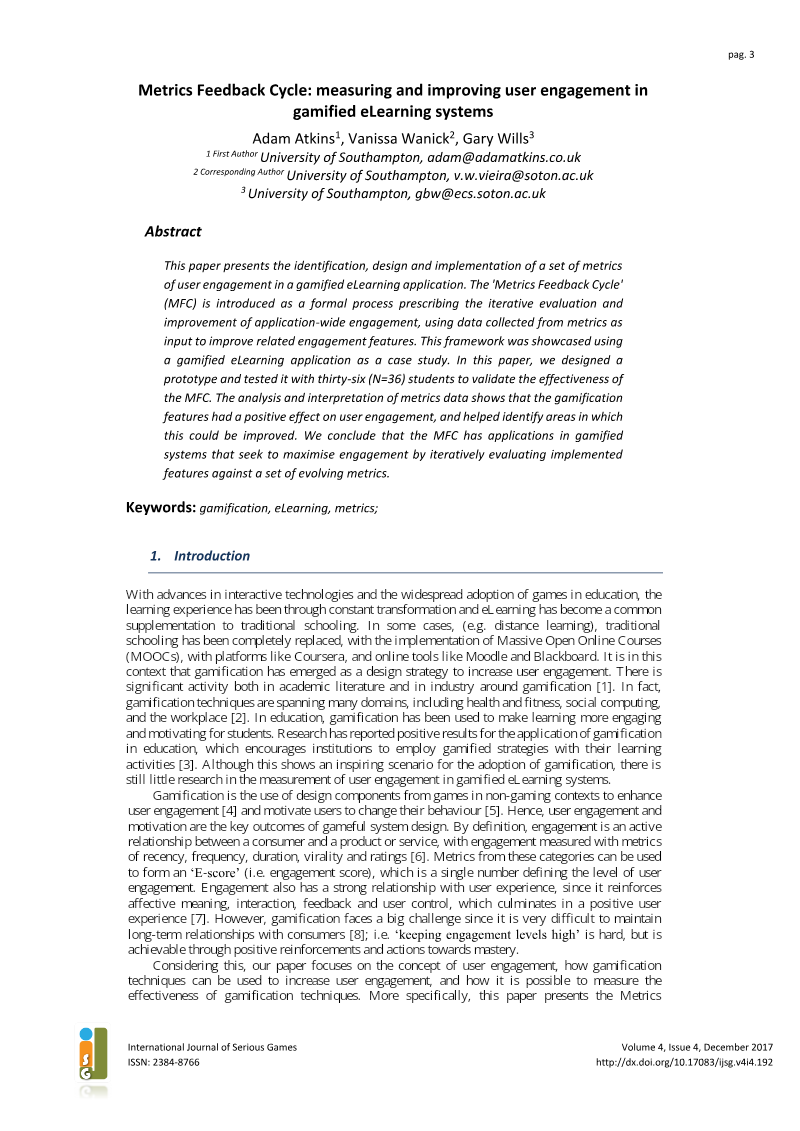
Metrics Feedback Cycle: Measuring and Improving User Engagement in Gamified eLearning Systems
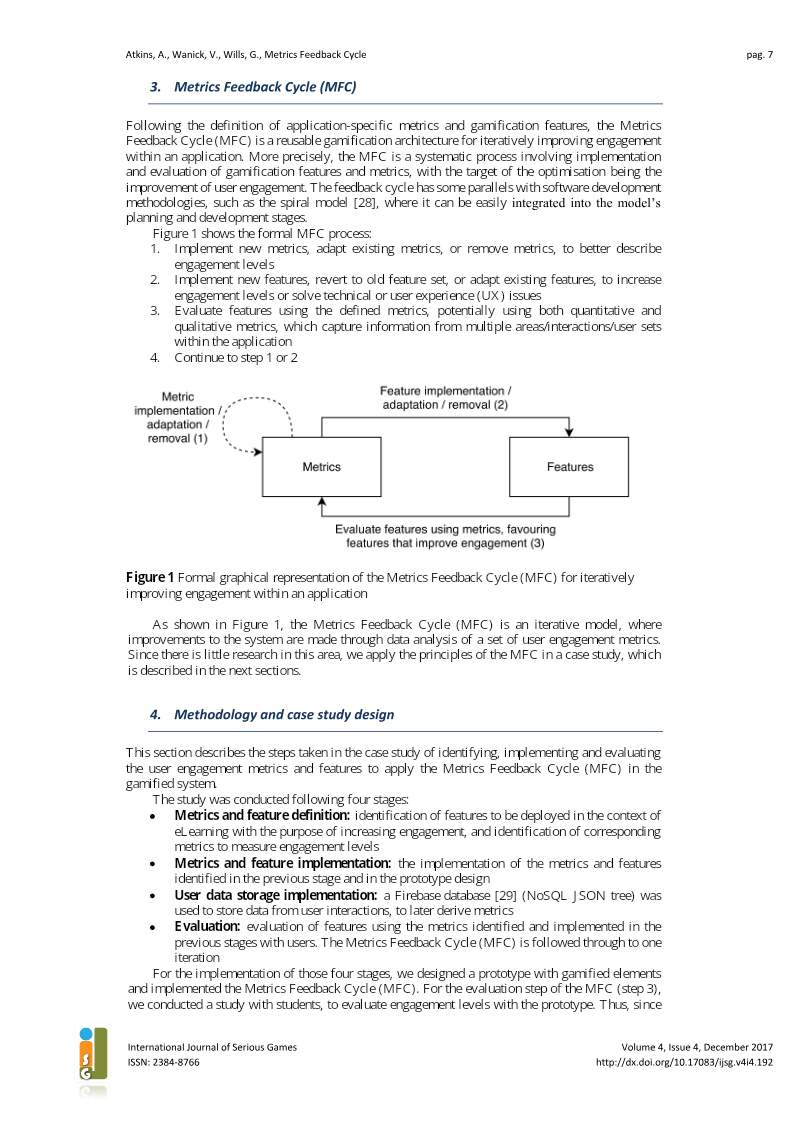
The Metrics Feedback Cycle serves as a formal, iterative architecture designed to optimize user engagement within gamified eLearning environments.
- The Metrics Feedback Cycle is an iterative framework that optimizes gamified eLearning by combining quantitative performance metrics with qualitative user feedback.
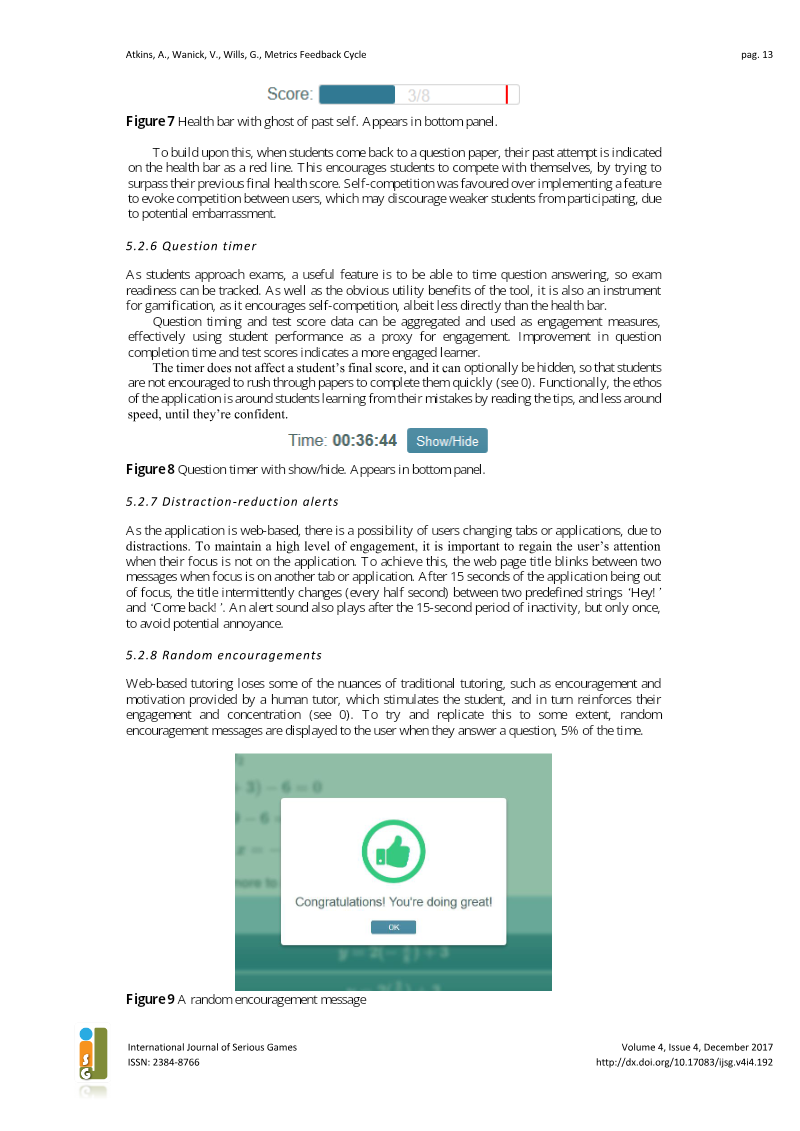
- Proactive gamification features, specifically real-time error messages and instructional tips, are empirically proven to significantly enhance user experience.
- The framework utilizes standard engagement metrics, such as dropout and bounce rates, to calibrate specific game elements like Fibonacci-based leveling, health bars, and trophy systems.
University of SouthamptonDec 2017
Whitepaper14 pages
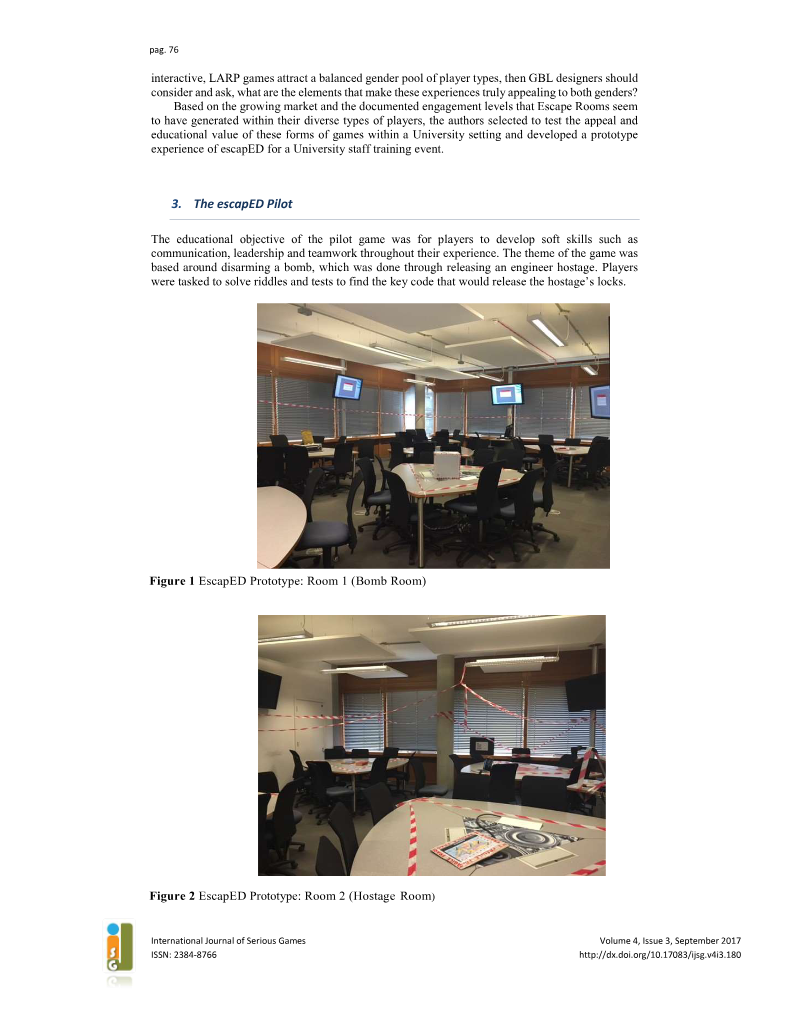
EscapED: A Framework for Creating Educational Escape Rooms and Interactive Games
The escapED framework establishes a structured methodology for integrating non-digital, human-centered escape rooms into higher education curricula.
- The escapED framework provides a structured, six-step methodology for designing educational escape rooms based on participants, objectives, theme, puzzles, equipment, and evaluation.
- The framework prioritizes non-digital, physical, and team-based environments to foster soft skills like leadership, communication, and collaborative problem-solving.
- Pilot studies using the Balanced Measure of Psychological Needs scale confirm that these interactive, narrative-driven experiences consistently increase student motivation and engagement.
International Journal of Serious GamesSep 2017