1 free read left. Create a free account for unlimited reading + AI research.
Create free accountArticle How To Market A Game
1 free read left. Create a free account for unlimited reading + AI research.
Create free accountArticleHow To Market A Game
The primary purpose of this analysis is to demystify the role of a Steam marketing strategist by deconstructing the successful launch campaign of the game ZERO Sievert. The central thesis posits that while developers must create high-quality games to generate initial interest, the true scale of a game’s success on Steam depends on the developer’s ability to trigger the platform’s internal visibility algorithms. Steam acts as a massive amplifier for traffic, and the strategist’s role is to identify and ignite specific "fuses"—strategic marketing opportunities—that force the platform to promote the game to a wider audience.
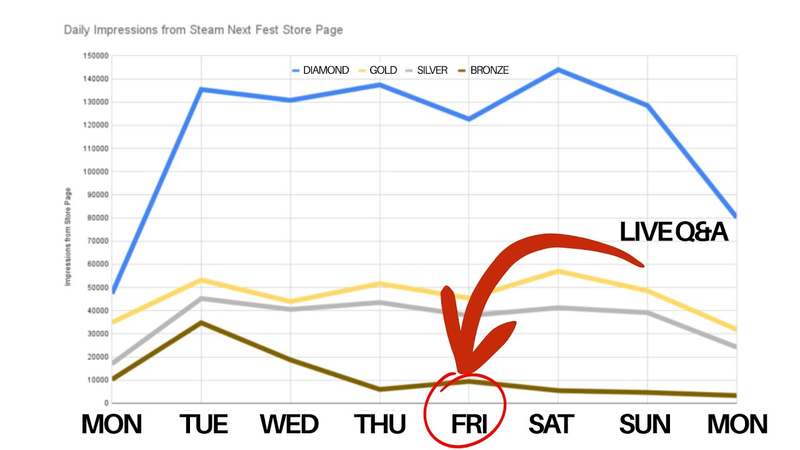
Key findings emphasize that internal Steam traffic, particularly from the Discovery Queue, is a critical driver of sales. This visibility is earned by proving to Valve that a game can convert traffic into revenue. By executing targeted campaigns, the ZERO Sievert team achieved significant results: a pre-launch push secured front-page placement during Steam Next Fest, yielding over 68,000 wishlists and an estimated $177,619 in additional revenue. Furthermore, bundling the game with other titles significantly boosted sales for older catalog items, while securing an early entry into the Steam Autumn Sale—despite standard 28-day post-launch restrictions—generated an additional $542,000.
The analysis focuses on the PC gaming market, specifically the Steam ecosystem, during the 2022–2023 period. The methodology relies on a retrospective review of traffic data, wishlist conversion metrics, and sales performance figures from the ZERO Sievert launch. By categorizing marketing efforts into actionable "fuses," the analysis provides a framework for independent developers to maximize their visibility, arguing that success is not merely a product of organic interest but the result of calculated, platform-specific maneuvers that leverage Steam’s own promotional infrastructure.
The games and companies this document names on the inner ring, other documents about them on the outer one. Select a cover to see it up close and open it in a new tab; drag to move, pinch or Ctrl + scroll to zoom.
How To Market A Game · 2026
How To Market A Game · 2026
How To Market A Game · 2026
How To Market A Game · 2026
How To Market A Game · 2026
How To Market A Game · 2026
How To Market A Game · 2026
How To Market A Game · 2026

How To Market A Game · 2026
How To Market A Game · 2026
How To Market A Game · 2026
How To Market A Game · 2026