The recent departure of several high-profile VTubers from Cover Corp has prompted market concerns regarding the company’s stability, specifically drawing comparisons to the operational challenges faced by competitor Nijisanji. The primary thesis of this analysis is that while talent attrition represents a significant risk for the agency model, the current situation at Cover Corp does not signal a systemic collapse. Instead, these departures are characterized as individual career decisions driven by varying motivations, such as a desire for creative independence, workload management, or personal professional shifts, rather than the toxic internal environment or widespread organizational failure associated with previous industry debacles.
Data indicates that Cover Corp has historically maintained an exceptionally low attrition rate, with only three voluntary departures among 79 streamers between 2019 and the end of 2023. While 2024 saw an increase in turnover—four voluntary departures and one dismissal—this remains statistically low within the context of the company’s total talent pool. Despite the loss of popular figures like Minato Aqua and Amelia Watson, the company continues to maintain a robust roster, with approximately 40 channels holding over one million subscribers.
The analysis concludes that the company’s strategic pivot toward an idol-centric model, which emphasizes music production and large-scale live events, serves as a competitive advantage that fosters long-term retention for talent aligned with that vision. While this direction may not suit every creator, it provides a necessary infrastructure for those seeking professional growth beyond independent streaming. The current wave of departures is framed as a natural lifecycle phenomenon for a maturing company, where established talent re-evaluates their career trajectory, rather than an indicator of structural decline.
Dungeon Investing · 2025
Dungeon Investing · 2025
Dungeon Investing · 2025

Dungeon Investing · 2025
Dungeon Investing · 2025
Dungeon Investing · 2025
Dungeon Investing · 2025
Dungeon Investing · 2025
Dungeon Investing · 2025
Dungeon Investing · 2024
Dungeon Investing · 2024
Dungeon Investing · 2024
Niko Partners · 2021
KAGA ELECTRONICS CO., LTD.
GREE
Kaga Electronics Co.
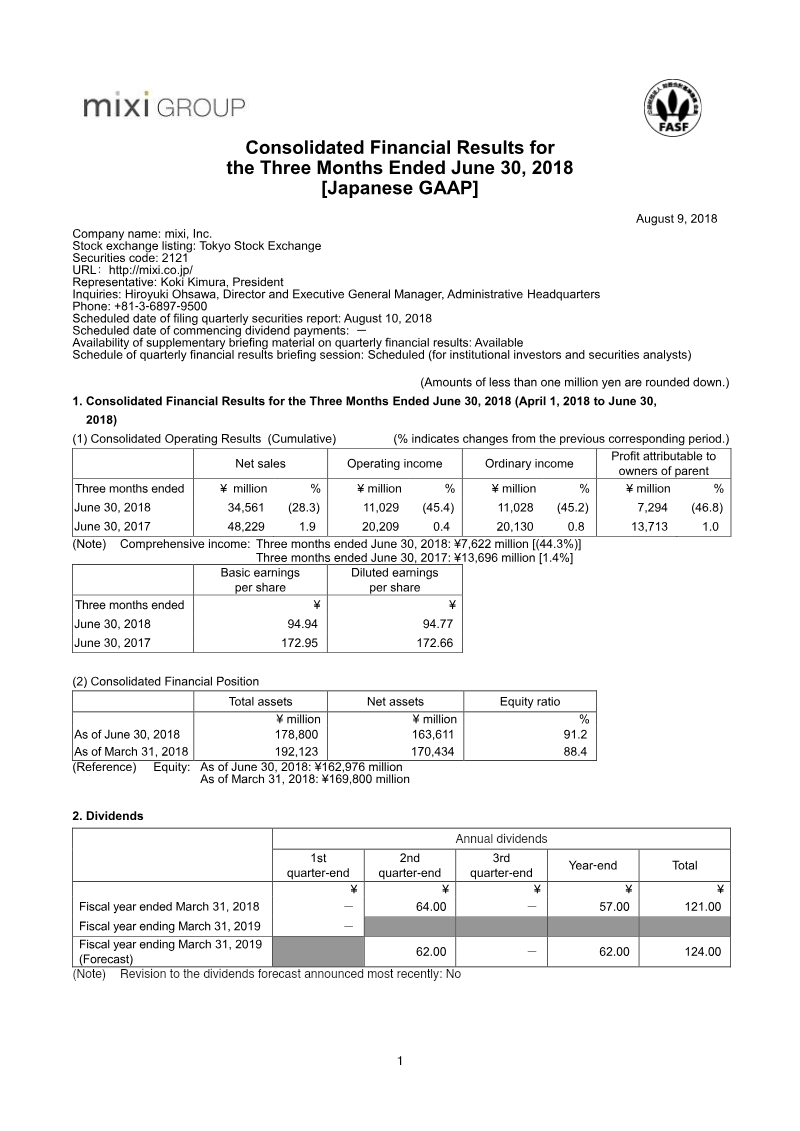
mixi
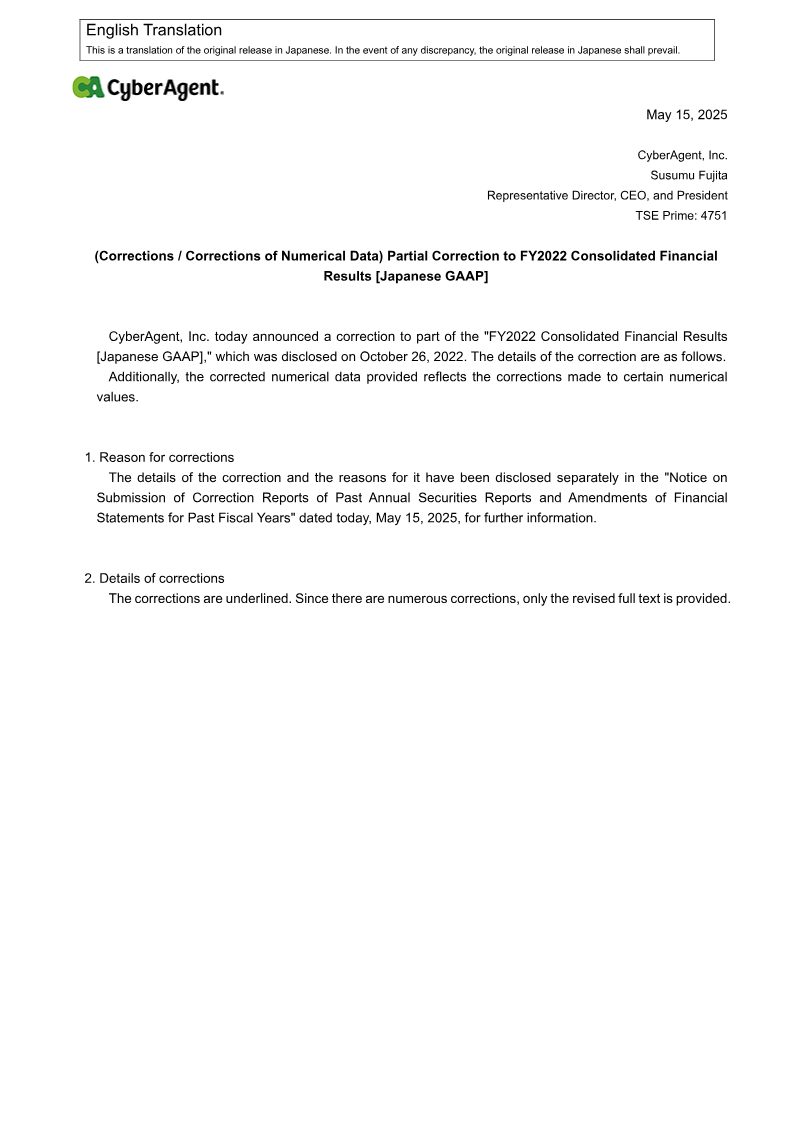
CyberAgent
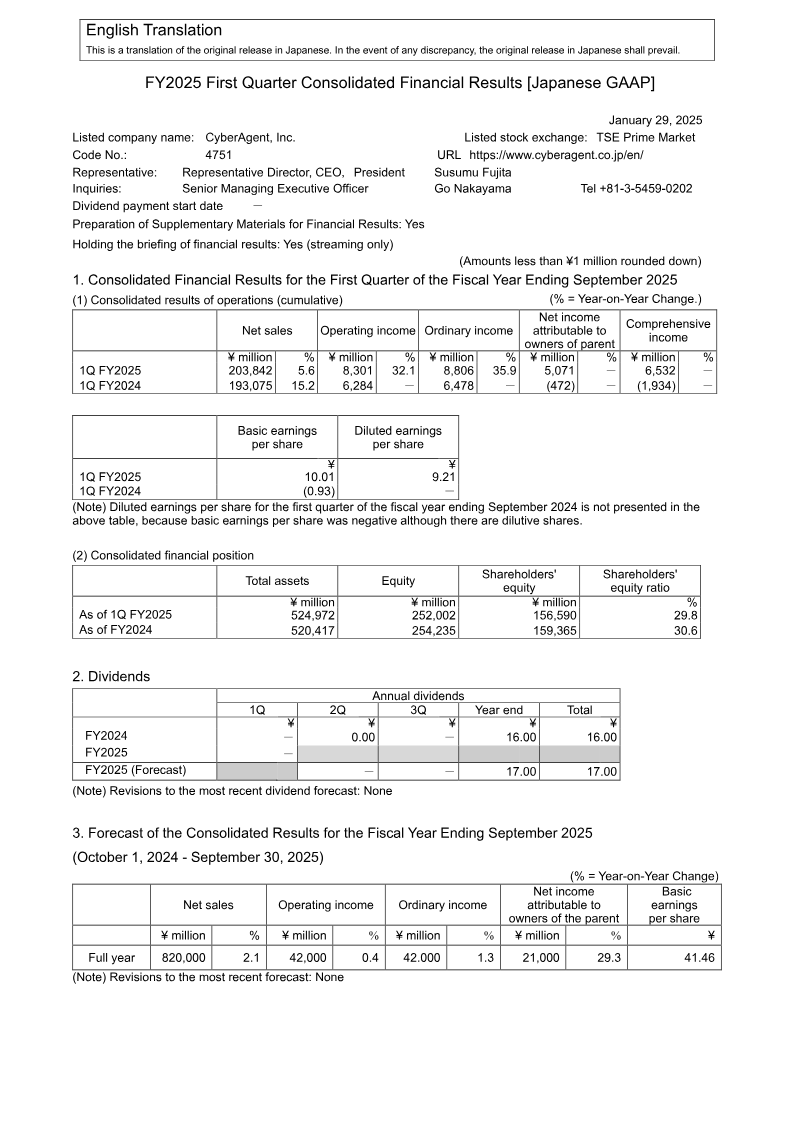
CyberAgent
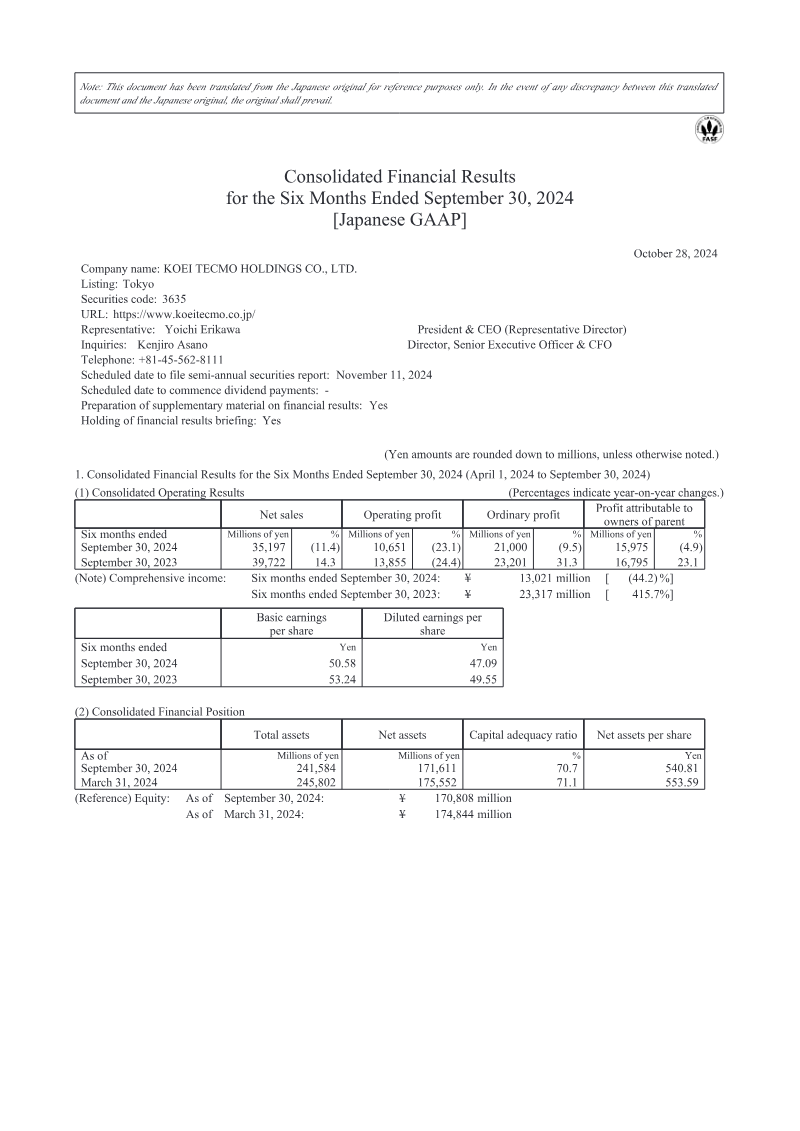
Koei Tecmo
Kadokawa Corporation
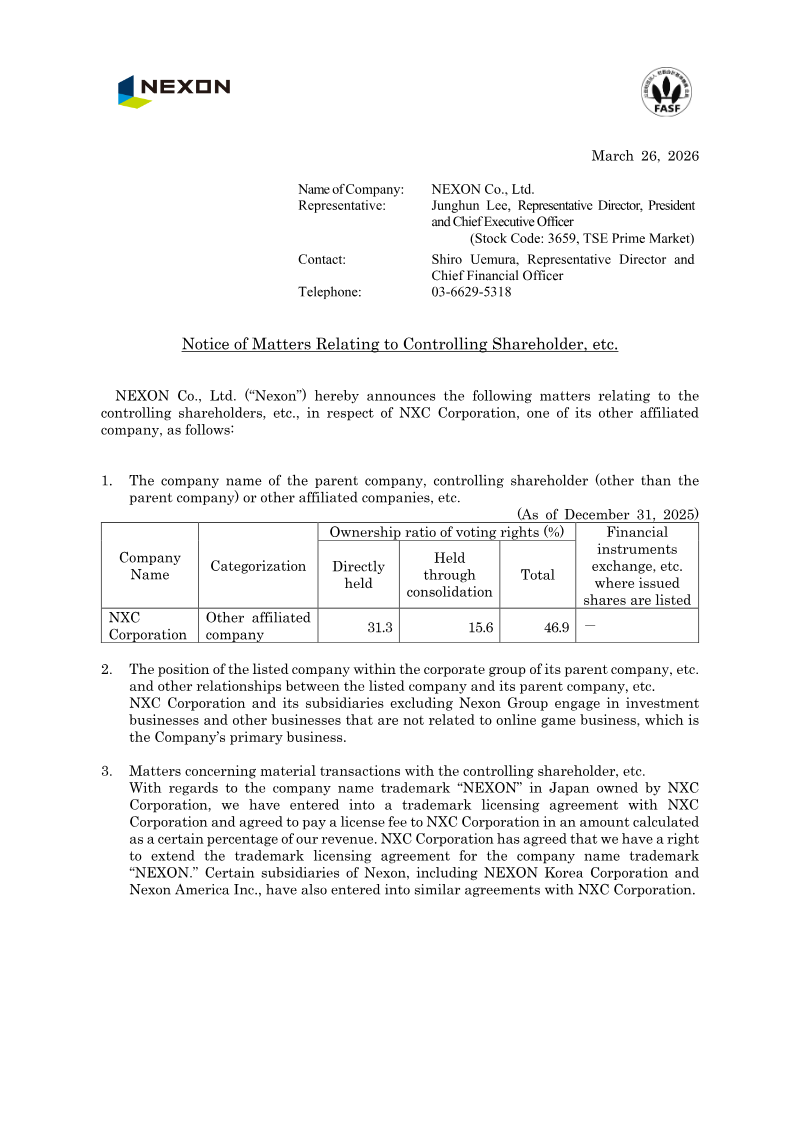
NEXON Co.
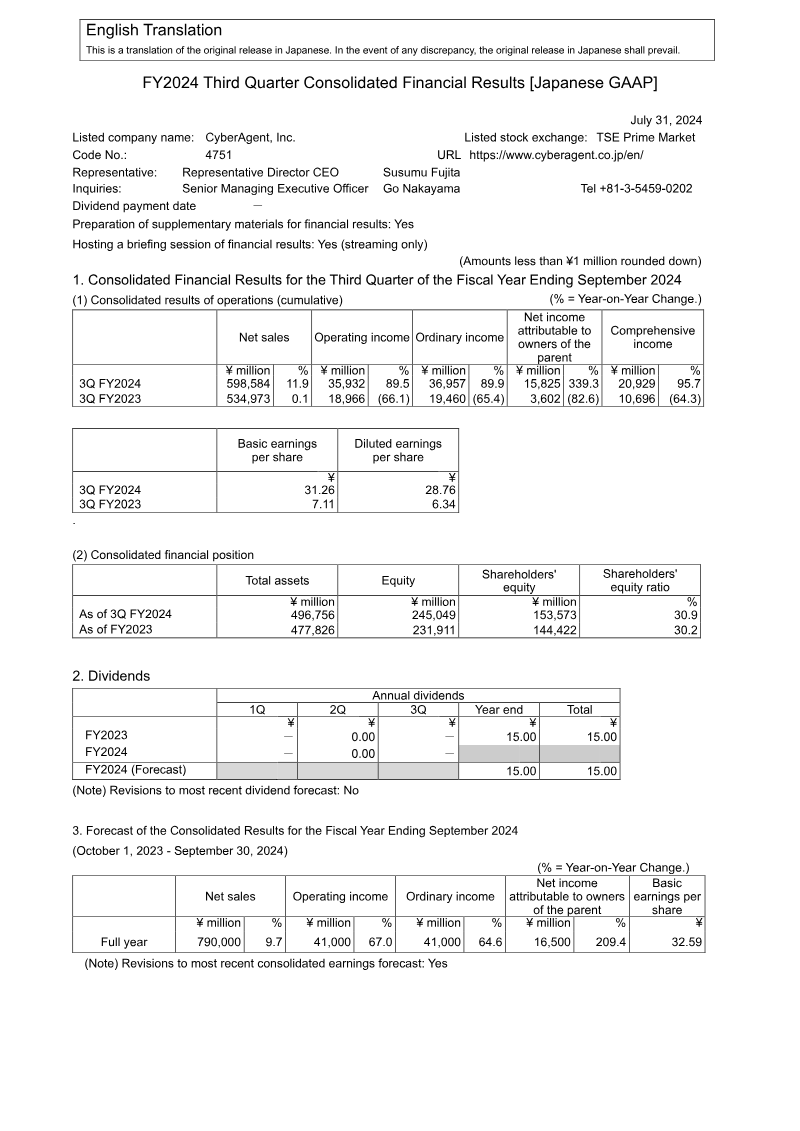
CyberAgent
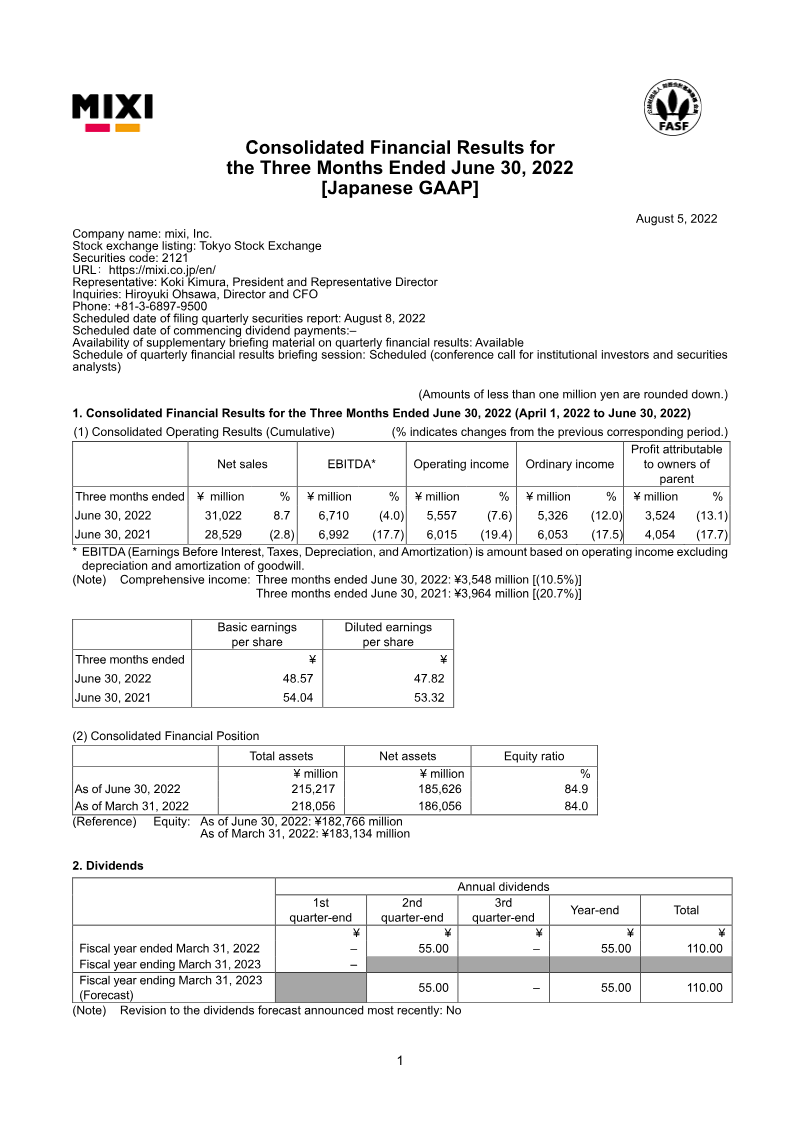
mixi