Loading the document
Key insights
6 slides
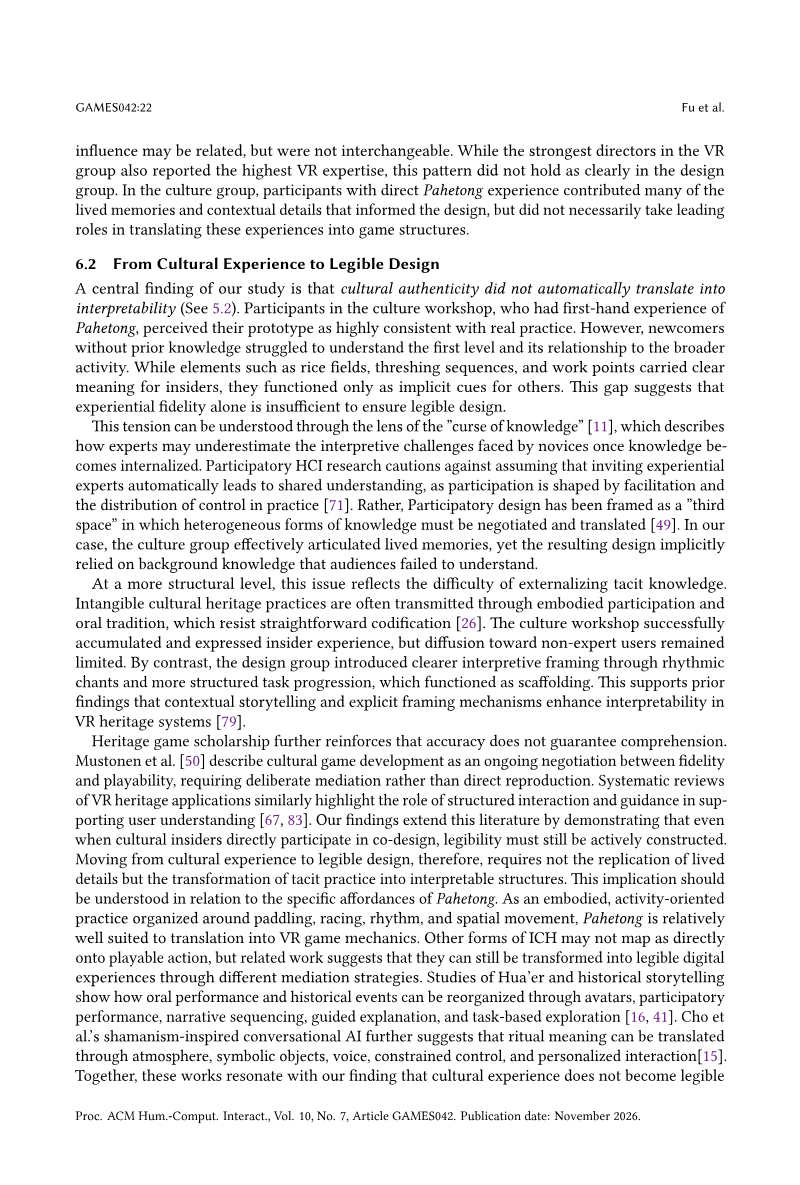
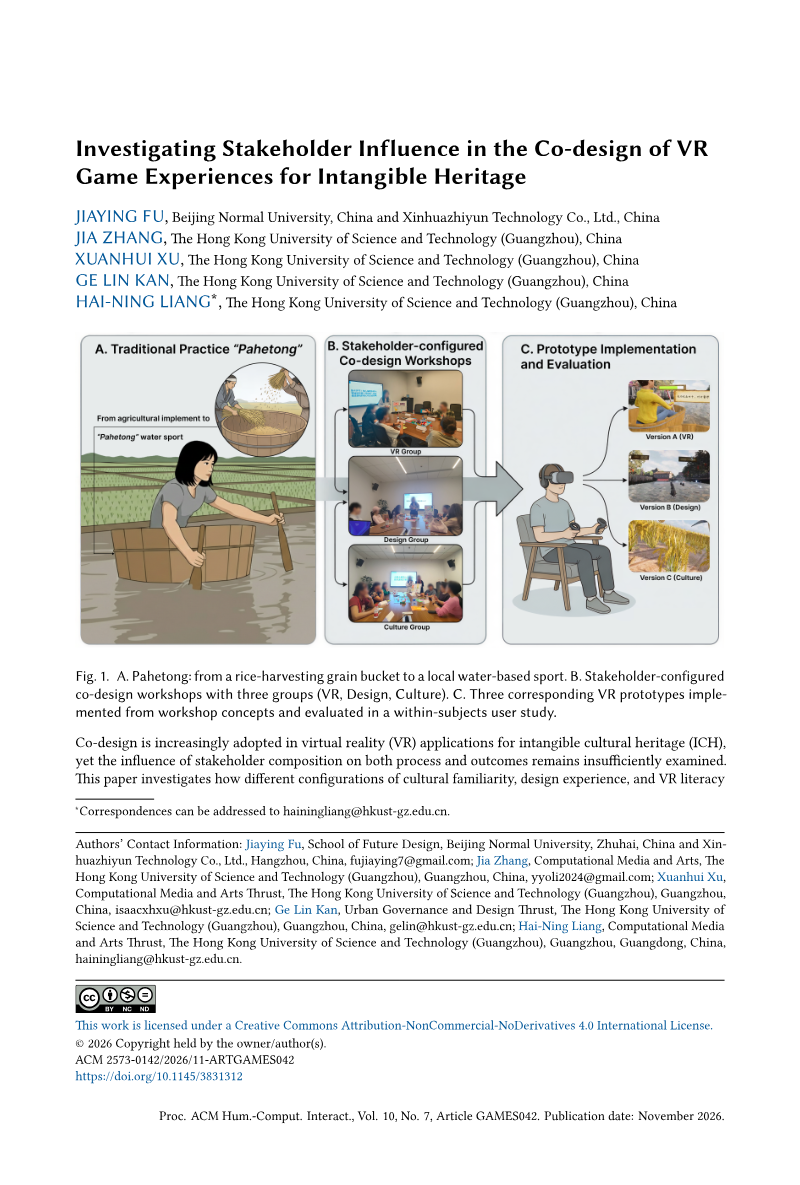
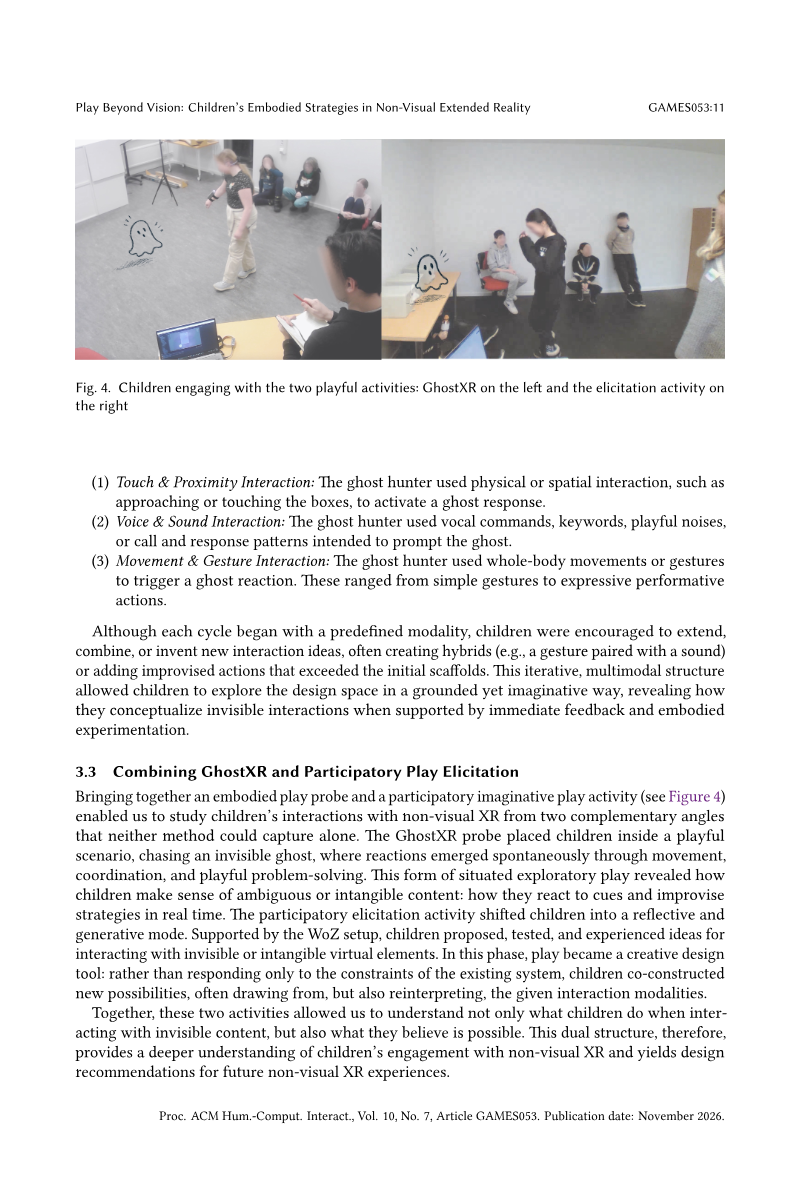
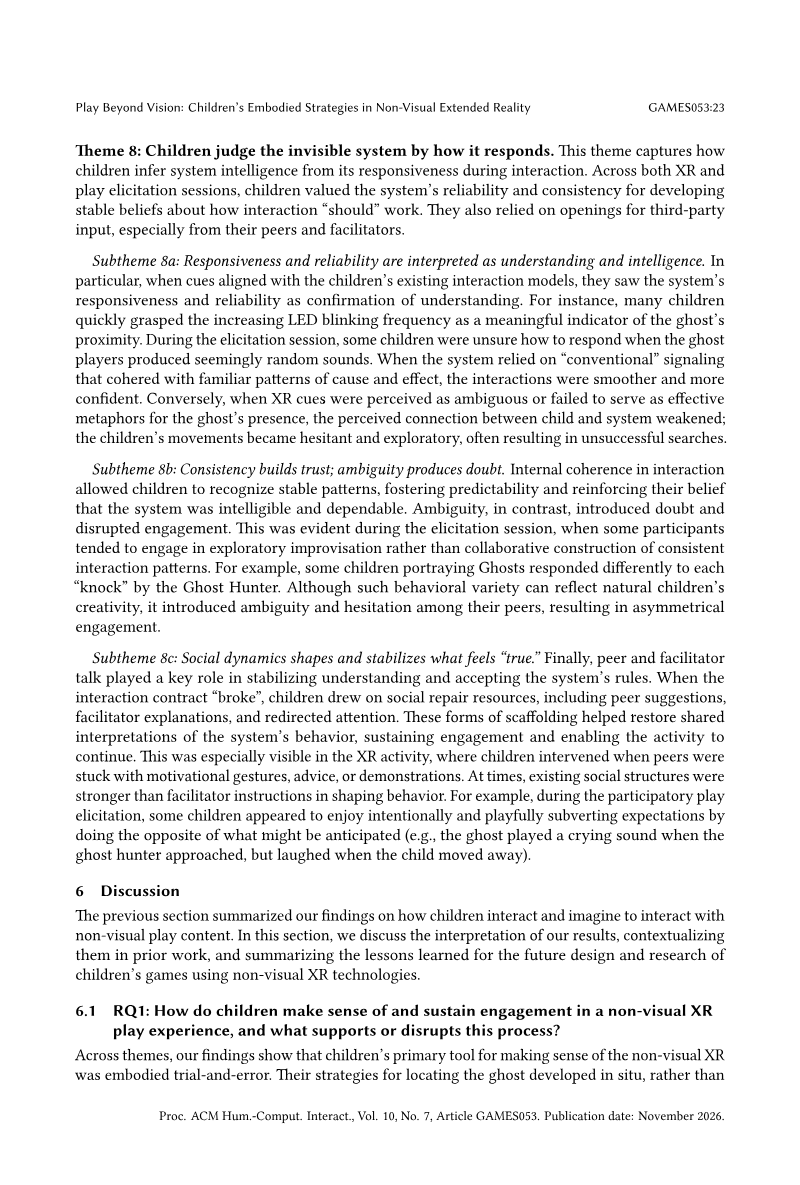
Research focus
Most digital health research for diabetes education targets 2D mobile interfaces.
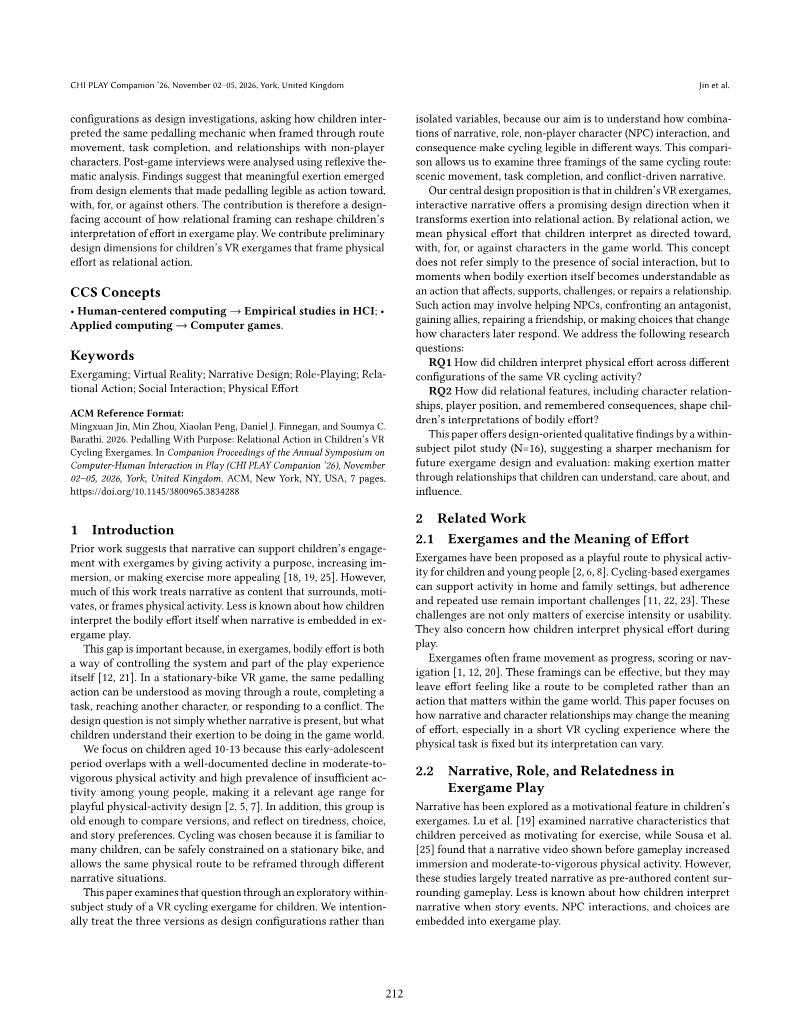
75% of existing studies focus on 2D mobile platforms for diabetes education. These platforms often integrate nutritional guidance.
1 / 6
- 01Current research is heavily skewed toward 2D mobile interfaces, with 75% of existing studies focusing on these platforms for diabetes education.See it on page 11
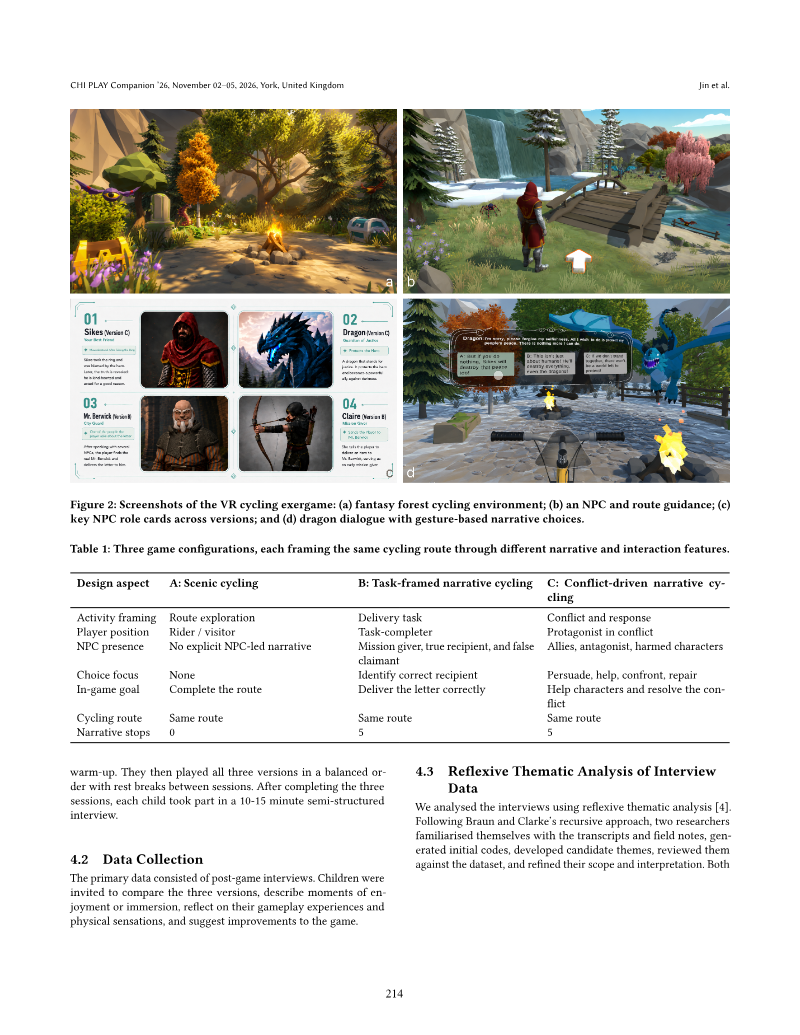
- 02There is a significant industry gap in utilizing immersive 3D virtual environments for chronic disease management, despite their potential to improve engagement over 2D alternatives.See it on page 11
- 03Effective development of therapeutic digital tools requires a participatory design methodology that integrates input from both multidisciplinary medical teams and patients.See it on page 17
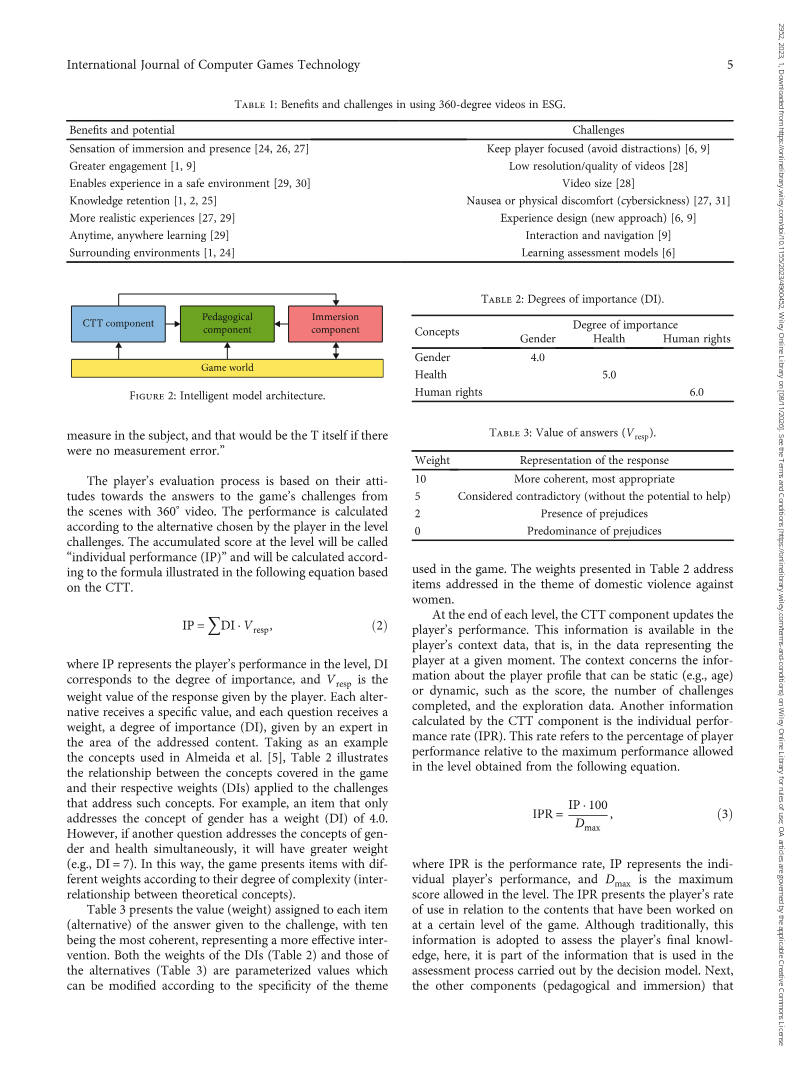
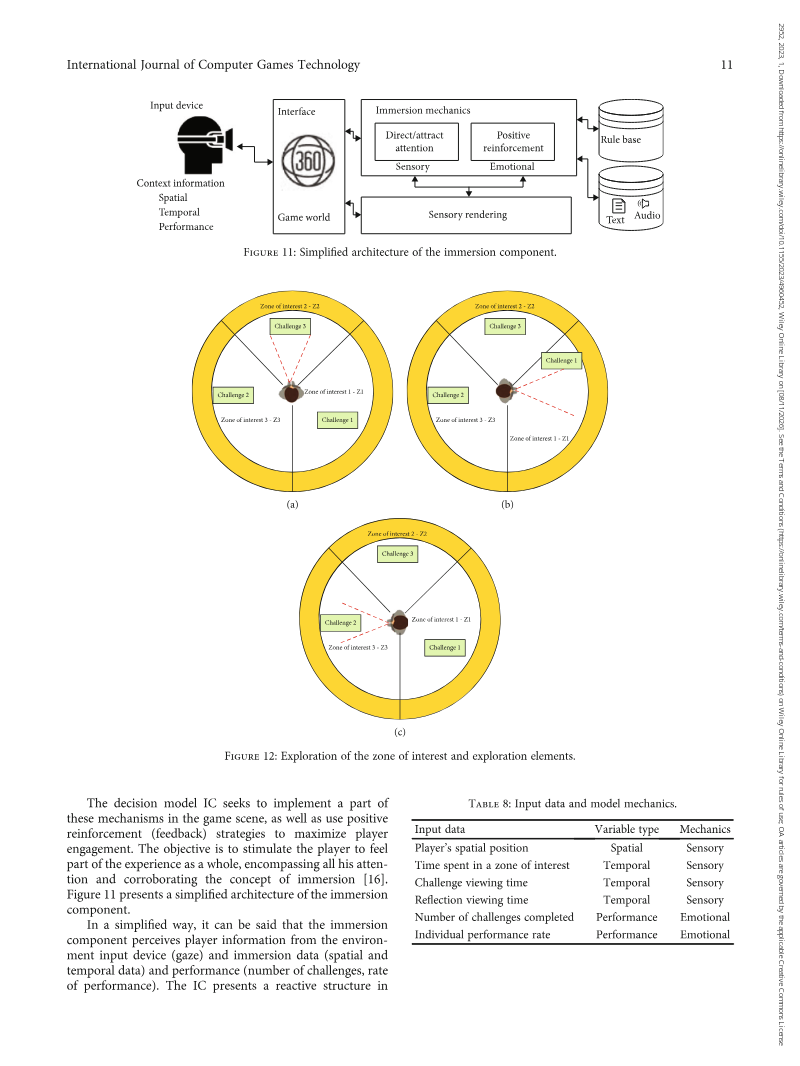
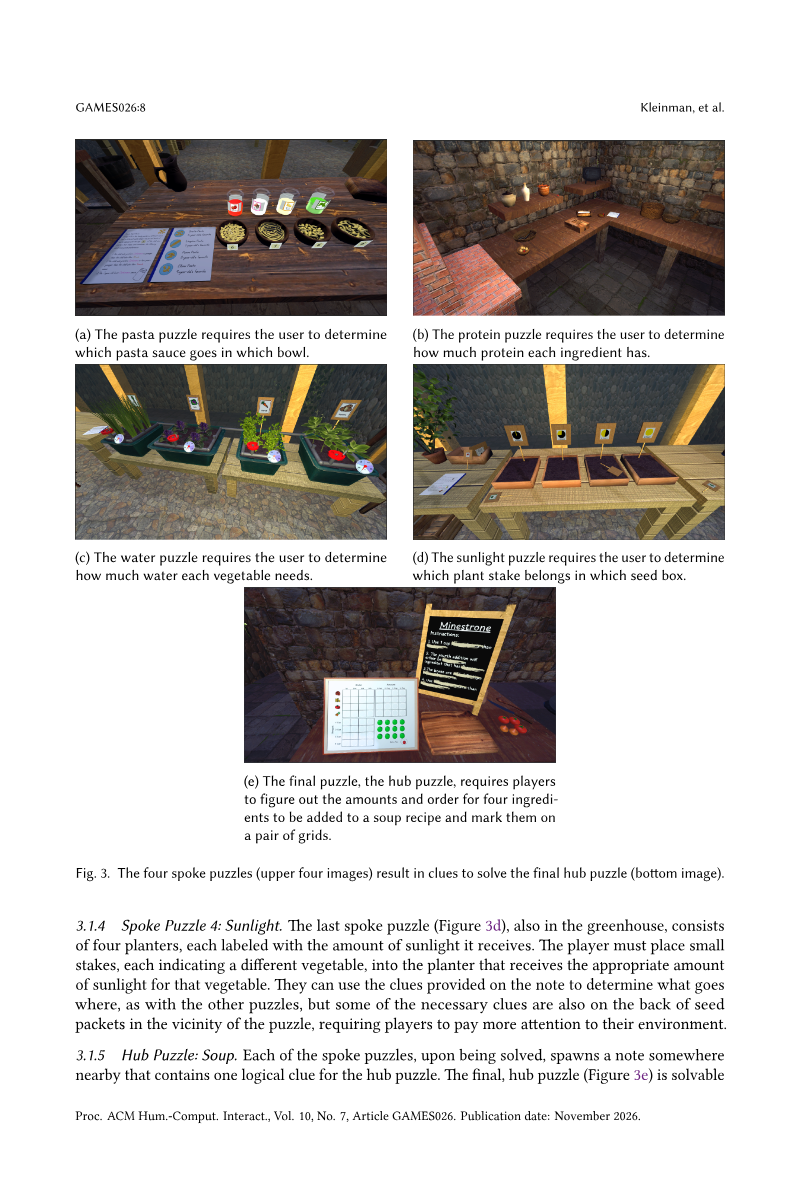
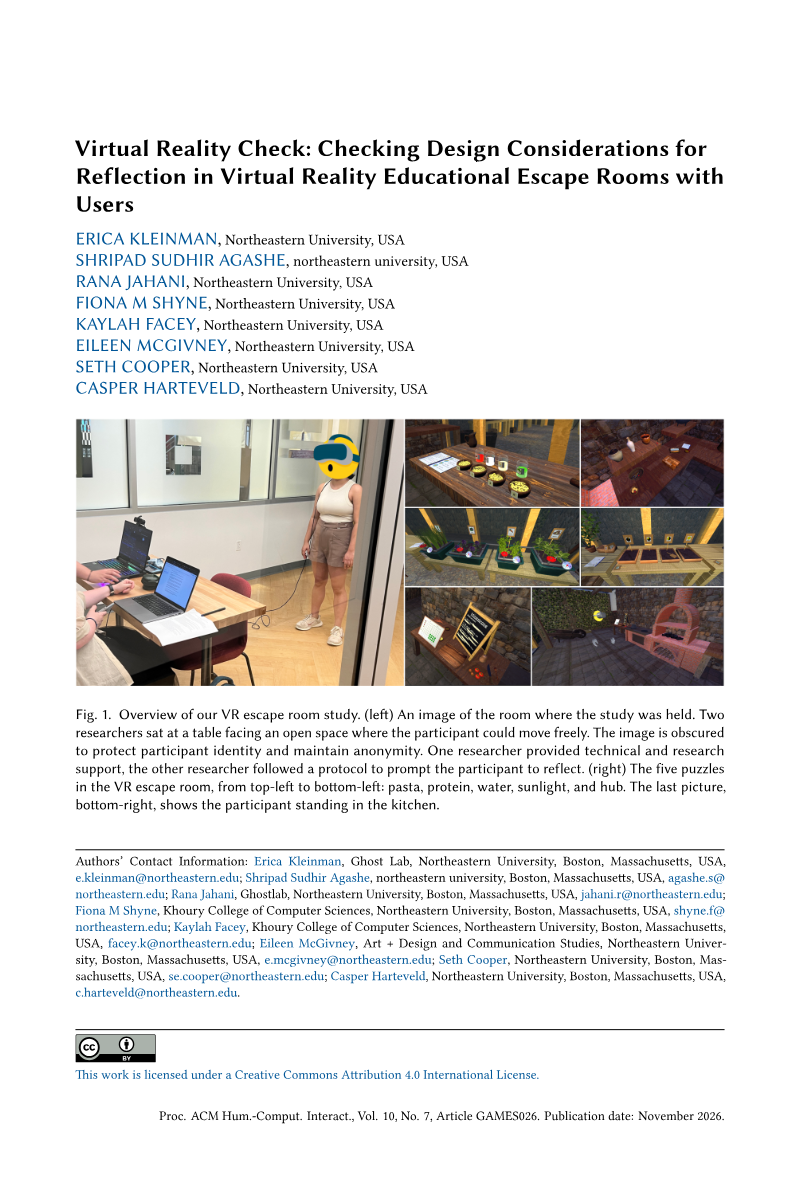
- 04The ABCDiabetes project demonstrates a scalable model for chronic disease treatment by using a 3D virtual environment to simulate complex nutritional decision-making.See it on page 4
- 05Future industry progress depends on rigorous clinical testing and the refinement of movement mechanics to ensure intuitive and effective user experiences in 3D health applications.See it on page 16
- 06Gamification, social learning, and feedback-enhanced mechanics are the core drivers for achieving behavioral modification and health education in pediatric and adolescent populations.See it on page 7
Ask AI about this report
Summary
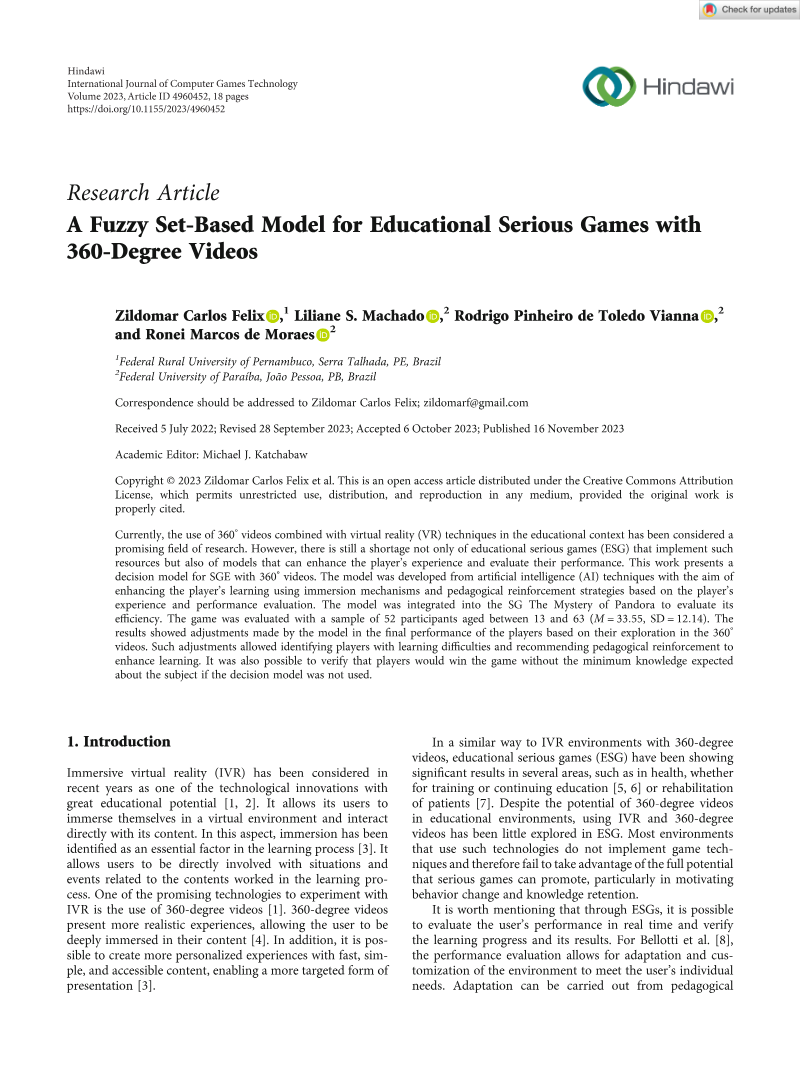
Serious games and virtual reality platforms represent a transformative approach to chronic disease management, particularly for pediatric and adolescent populations. By leveraging gamification, social learning, and feedback-enhanced mechanics, these digital interventions facilitate behavioral modification and health education. The primary objective of this research is to bridge the gap between traditional 2D mobile health applications and more immersive 3D environments, ensuring that therapeutic tools are both engaging and clinically effective for younger demographics.
Current industry trends indicate that 75% of existing research focuses on 2D mobile interfaces for diabetes education. While these platforms successfully integrate nutritional guidance, they often lack the immersive depth provided by 3D virtual spaces. Furthermore, there is a notable deficiency in the application of participatory design methodologies, which are essential for creating user-centered experiences that resonate with patients. Addressing these limitations requires a collaborative framework that integrates input from multidisciplinary medical teams and the patients themselves to ensure the technology aligns with real-world clinical needs.
To advance this field, the ABCDiabetes project serves as a practical application of these principles. Developed within a 3D virtual environment, this initiative utilizes participatory design to simulate complex nutritional decision-making processes. By focusing on the intersection of game-based learning and user-centered interaction techniques, the project establishes a scalable model for chronic disease treatment. Future development will prioritize rigorous clinical testing and the refinement of movement mechanics to ensure that these virtual environments provide a seamless, effective, and intuitive experience for managing long-term health conditions.