FinancialBandai Namco
Bandai Namco Group Integrated Report 2018
1 Sept 2018100 pages~280 min full read
The 2018 integrated report presents Bandai Namco’s strategic and financial narrative, emphasizing a record‑high fiscal performance and a forward‑looking “CHANGE for the NEXT” mid‑term plan (FY 2018‑2021). Consolidated net sales reached ¥678.3 billion, up 9.4 % year‑on‑year, while operating profit climbed 18.6 % to ¥75.0 billion, delivering an operating margin of 11.1 % and basic earnings per share of ¥246.3. Shareholder returns were reinforced with a total dividend of ¥123 per share, including a ¥25 special dividend.
Growth was driven primarily by the Network Entertainment unit and the launch of a new IP‑Creation Unit, which generated 309 copyrighted titles (2,560 hours of content) and is supported by a ¥25 billion strategic‑investment fund aimed at multiplying IP value 100‑ to 1,000‑fold. The “IP‑axis” strategy extends core franchises such as Gundam, PAC‑MAN, Aikatsu! and IDOLiSH7 across animation, games, toys, novels and live‑action, while new‑entertainment initiatives target digital‑first content, mature fan markets, e‑sports and location‑based venues. Expansion in China includes flagship stores, hologram anti‑counterfeit seals and integrated e‑commerce, reinforcing the group’s global footprint.
Corporate governance was strengthened through an independent board of 11 directors (three outside) and an audit‑supervisory board meeting stringent independence criteria, complemented by a risk‑compliance charter, business continuity planning and transparent stakeholder engagement. The CSR agenda, under the “Dreams, Fun and Inspiration” mission, achieved a roughly 20 % reduction in CO₂ emissions, deployment of LED lighting, green‑procurement standards banning 29 hazardous substances, and extensive supplier audits.
Financially, the company managed a rise in debt to ¥1.47 trillion, a modest decline in cash reserves, and an effective tax rate of 25.7 % aided by R&D credits. Consistent ROE above 10 % and a clean audit opinion underscore the robustness of the business model, while directors call for further earnings‑model innovation, accelerated global expansion, and diversified talent development to sustain the vision of becoming the leading entertainment company.
Bandai Namco · 2026
Bandai Namco · 2025
Bandai Namco · 2024
Bandai Namco · 2024
Bandai Namco · 2023
Bandai Namco · 2023
Bandai Namco · 2022
Bandai Namco · 2022
Bandai Namco · 2021
Bandai Namco · 2021
Bandai Namco · 2020
Bandai Namco · 2019
Bandai Namco · 2017
Bandai Namco · 2014

Bandai Namco · 2012
Bandai Namco · 2011
Bandai Namco · 2010
Bandai Namco · 2009
Bandai Namco · 2006

Koei Tecmo Holdings Co.
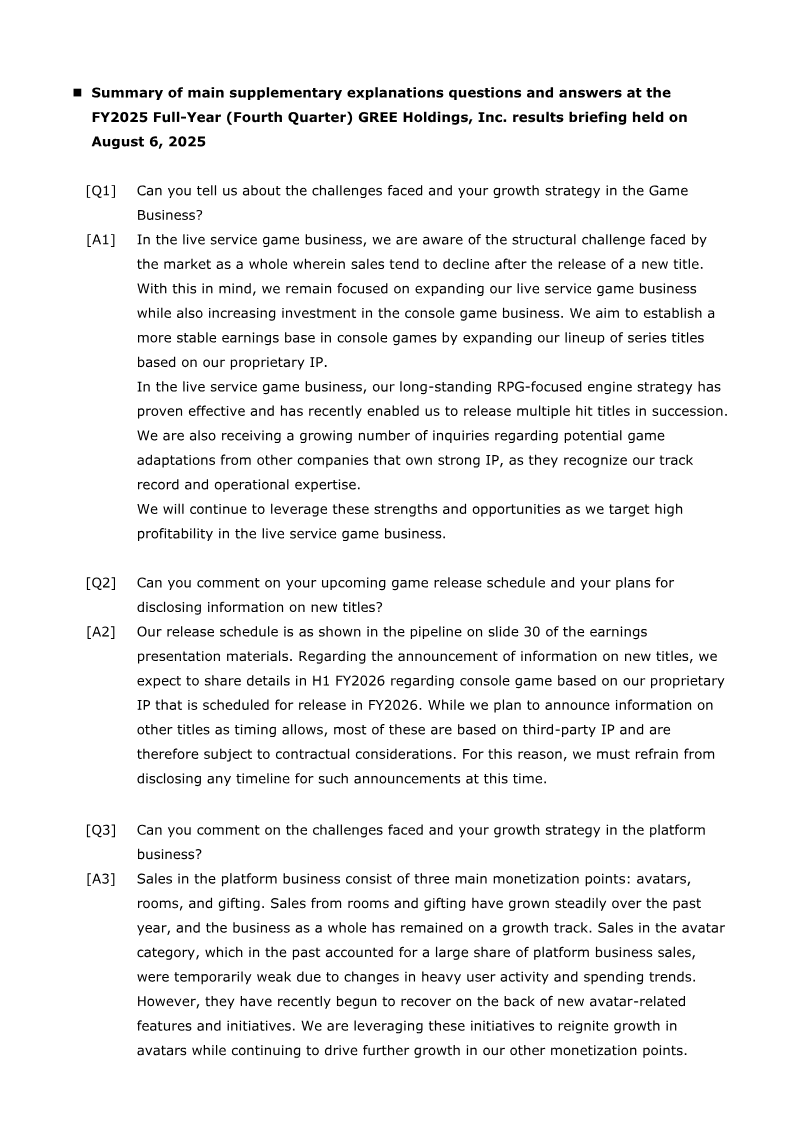
GREE
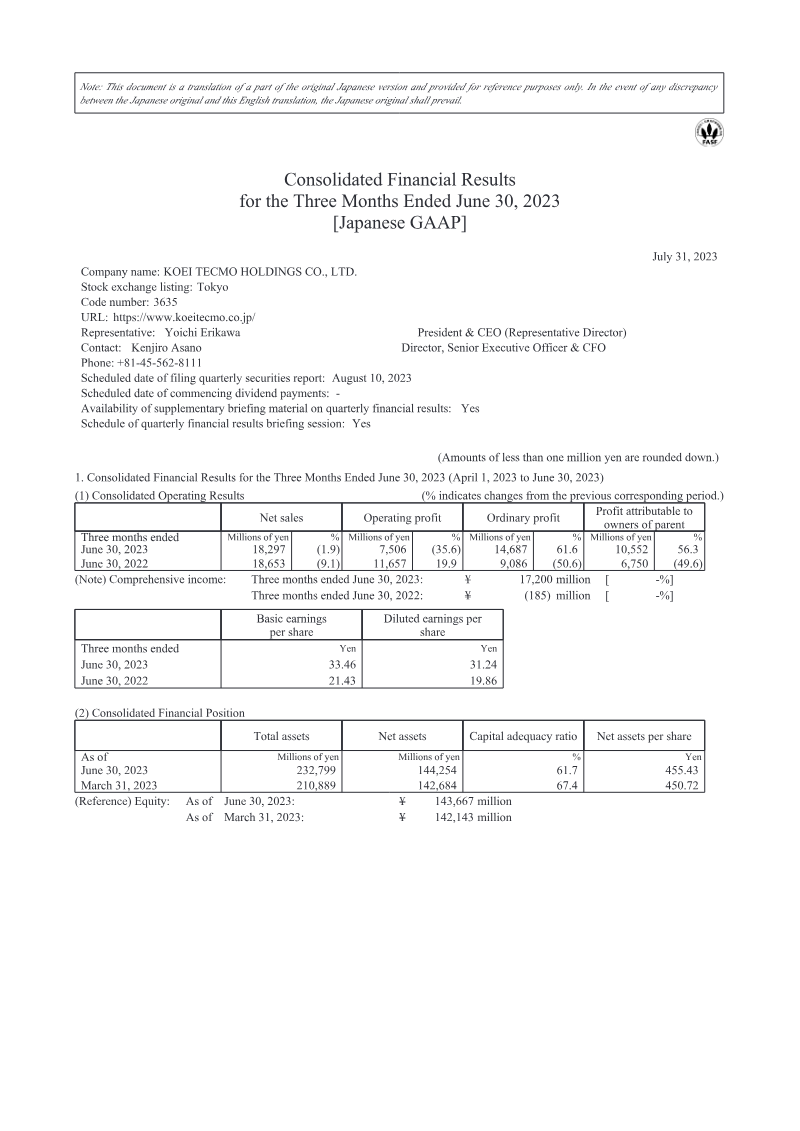
Koei Tecmo
Capcom

Marvelous