Transcript
[Music] welcome to the navi gaming podcast where it is our mission to explore the business and future of video games we bring together the industry's brightest Builders investors and thinkers to keep a pulse on current events dissect emerging Trends and games share Lessons Learned and have a great time this podcast is also part of novic growing ecosystem which ranges from free and premium research to Consulting and advice ADV services for more information visit [Music] www.nic.edu service solution providing an Enterprise grade data platform and services for gaming Studios on all platforms Dives bi tools and service of data experts replac the need for a full in-house bi team saving Studios hundreds of thousands of dollars yearly if you're
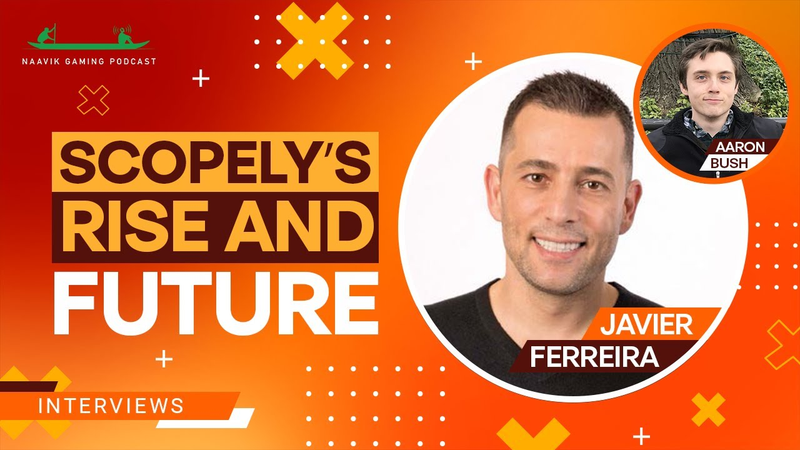
interested in learning how dive can Unleash the Power of data in your game's business and save money doing so simply head to dive. games or check out the details in the show notes and with that let's jump into the episode hi everyone I'm your host Aaron Bush and today's fantastic episode has been long in the making I'm joined by scop Le's co-ceo Javier F who has been a leader at scopely for nearly 10 years and more broadly has over 20 years experience in gaming including at companies like jamad EA and Disney now if you're a longtime novic follower even before this podcast started you probably read our initial conversation where Javier discussed how scopely Works including its focus on Talent LTV its learning system and what it views as its opportunities for the future to Javier's credit it holds up really well and if you haven't read it I strongly recommend checking it out in addition to this episode I'll link to it in the show notes but that was 2 and a
half years ago and while much has philosophically stayed the same a lot has changed too scopely is now the number one mobile games company in the US as measured by usaps is the number two largest North American Games company as measured by global iaps and it currently serves over 100 million monthly players across its portfolio of games in the past two years just as a couple examples scop has made Acquisitions like of stumble guys developed an enormous hit in Monopoly go and the company itself also experienced a successful exit to Saudi games group as a preview that's three of the many things we'll talk about today and this episode is of course part two in our Deep dive series into Savvy games group but without further Preamble Javier welcome back to another novic interview thank you thank you Erin uh fun to be here and uh yeah hearing you kind of even kind of outline all the
things that have happened over the last kind of two and a half years it's h it's pretty amazing it is amazing and so I'm really excited uh to be joined with you today and I think everyone listening is going to be interested in all of these topics that we're going to discuss but I think the best place to start is just that let's spend a couple minutes catching up to speed at a high level on how scopely has changed since we last talked and what it looks like today I mentioned a couple examples there but can you provide a quick timeline of all the key milestone whether launches transactions big changes Etc that have occurred over the past couple years and led to scope's outsize growth yeah absolutely I think uh um I would say probably the last kind of two and a half years have been the most kind of eventful uh years in the in the history of uh you know of the company I think when we last kind of spoke we were in the kind of midst of kind of launching uh Scrabble uh if I remember kind of correctly and you know that's turned out to be a kind of of you know you know
great kind of contributor to our kind of portfolio with millions of players kind of playing on a monthly basis um and uh you know we went through the ups and downs of co uh and that was a um you know that was kind of interesting time for a lot of game companies obviously the business saw a significant kind of spike in engagement and revenue and at the same time it was hectic kind of working from home a lot of change um also a lot of kind of disruption around the talent Market it was you know it was it was I think stressful for a lot of the kind of you know teams and organizations and and I'm really proud of the way that an organization we you know we weathered that um at the end of uh you know 2021 you know we welcomed um GSN to the kind of a to the kind of a scopely team uh and uh that was uh you know that was a kind of acquisition that uh that really significantly expanded the that dep and breadth of our kind of
casual portfolio uh and there was a lot of kind of synergies in terms of you know our kind of product understanding and approaches to kind of uh you know LTV UA Etc across some of the leading kind of casual games uh in Mobile and that certainly kind of moved us significantly uh higher in terms of uh you know in terms of scale both in terms of play base and and and revenues um in 2022 uh we started you know some the you know kind of conversations that led uh to the deal with with Savvy there was a lot of kind of inbound interest in the company uh particular in the second half of 2022 you know at at that point we were probably the leading uh independent mobile games company uh in uh in North America uh I think the other kind really exciting thing that happened to us uh in uh in 22 was you know the acquisition of uh stul guys we we you know we partner really closely with the with the kitka team uh
who were really kind of looking for a partner to take over you know what was effectively an amazing kind of and highly engaging kind of core Loop uh but that needed to really be scaled into a free-to-play service uh and into a freeo play kind of uh you know game and and you know there were a team of uh three or four people if I remember kind of correctly and they and they were really looking for somebody that could kind of uh you know that could kind of be the the you know the home for that product and for that community and take it to the next level and uh you know we had great conversations with them and uh you know we brought stumble guys to the to the scopely portfolio uh and you know with it a huge huge kind of number of kind of players you know uh dozens of millions of players kind of you know every every month um and also a different you know type of free topl business um a different type of kind of uh you know acquisition uh mechanics and Dynamics for kind of players uh different
relationship with Community uh and a different way of operating um you know games which has been I think a lot of fun for the organization and also has allowed us to learn a lot over over the last kind of 12 months uh where we have you know built I I think an incredibly kind of exciting and kind of solid uh business that I think is going to drive tremendous amount of uh uh upside for us as a as a company over the over the next kind of few years um and so that was I think a big milestone uh for us we can go deeper into kind of stumble guys and what it means and what it represents uh for the company but a big strategic B and then you know at the beginning of 2023 we started to um you know put Monopoly in soft launch uh Monopoly had been a project that we had been working on for for many many years very complicated kind of development process uh for a number of reasons both on the kind of creative kind of side of things but also you know on on the on the
development um side of things and you know the kpi kind of look pretty exciting um but um um in April we ended up kind of going global with the product and that was um you know huge huge kind of launch uh for us uh it's number one game uh right now in uh in uh in North America I think number two game in the world right now by by kind of revenues so that's uh you know an exceptional kind of achievement and of course uh you know bigger than everything that we have ever done and at the same time you know part of the journey that we've been on you know because that was always you know the the the Horizon that we were kind of marching towards uh and uh and I would say that we kind of were surprised and at the same time not surprised you know by the outcome uh because I think it was it was part of as I said part of the journey that we were on uh and uh you know we really pray proud uh of of what
we build there you know from a kind of creative perspective I think some kind of really exciting you know design choices and Innovations uh in that in that product uh that I think some of the some people in the industry are starting to kind of understand and starting to kind of uh you know describe I think pretty accurately um so that was that was huge and then in the midst of all of this as a continuation of some of the conversations that we started to have with different parties in 2022 you know we decided to uh um we decided to kind of enter into a into a deal with you know Savvy games group at the beginning of April after you know many months of kind of conversations um and the you know the the idea there was that um he was uh you know he was a team Savvy uh that had you know huge Ambitions in terms of wanted to what what they wanted to do uh in games and you know think I think they've said that they want to be the largest games company in in in the world and that's an aspiration uh that uh that you know we find inspiring there's not a lot of people there's not a lot of comp companies or teams saying those those
kind of things um I think um they also you know have uh not just the kind of uh commitment and desire but also I think the capital to kind of get there uh and to uh and to kind of have a realistic kind of a u path to that outcome and that was really exciting uh for us and then in terms of the partnership you know there was there was a kind of uh uh their orientation was very much around investing in our strategy in testing in the path uh that you know we were on and the kind of road map that we had ahead of us um and so there was a sense that we could you know achieve a lot of continuity uh in what we were doing uh but with a partner that could kind of really Elevate us and uh and hopefully allow us to be even more ambitious and perhaps you know take more risks uh and so that was kind of really exciting kind of conversation on you know the fundamental reason why we decided to kind of go with them uh so I would say that over the last two and a half years you know we've uh We've uh you know
grown a head count exponentially you know we are well over 2,000 people uh at this point spread across I don't even know how many countries these days but you know Global kind of footprint uh our revenues I think have more than uh you know tripled uh um over in in in that in that timeline uh to your point you know we're now the number one games company uh in in in the US by you in a revenue and one mobile games company in a revenue which which you know is meaningfully different than where we were you know two you know two and a half years ago and yet at the same time something that we had always kind of aspired uh to um and uh the player base that we are engaging with I think uh it's totally different over 100 million kind of players on a kind of monthly basis and that is something that you know motivates us and inspires us you know every day and inspires our teams to kind of you know improve our products against such a kind of huge player base um and you know we keep
learning we keep doing things that we haven't done before we had never had the biggest game uh in North America we had never had a game uh with the kind of Da scale with the ma scale of stumble guys uh and so that's that's exciting for us we've always been a learning kind of company we think that uh if we're learning and we're growing uh we cannot be defeated and we will always kind of eventually get to some of the things that we want to do uh and so I think it's been you know an amazing kind of Journey of of course in the midst of those two and a half years lot of issues a lot of challenges many places where you're failing and where you're struggling uh but I think overall an amazing kind of time to be at scopely and and you know there's a real sense I think within the company within the organization that uh all of the two and a half last years have been incredible I think the best years ahead of us uh because we have incredible momentum and a totally different scale uh and as I said you know a kind of strategic partner with with whom we can kind of really do big things amazing that's a great answer thanks for for sharing that
outline it really has been an incredible couple of years for you over at scopely I think if you know most teams looking forward at their next two years if they could achieve a half of of what you accomplished over the past couple of years that would be completely game changing so congrats to the whole team on on the success and we'll we'll dive into a bunch of the individual pieces uh of what you talked about from Monopoly go GSN Etc um further in this interview U yeah one one bigger picture question that I wanted to ask before we start diving into the weeds uh is you know specific games aside in terms of the big picture ways that scopely operates like how it works with Talent builds technology thinks about LTV Etc has anything evolved in a major way since we last talked in terms of the way that you operate or are those core philosophical parts of how scopely Works more more or less stayed the same I I
think philosophically uh things have stayed you know kind of pretty much uh consistent um you know I think we have a certain kind of uh cultural tenants right that that drive uh the values and the behaviors of the kind of organization and also the aspirations and the things that we want to do as a as a team um I think we have you know a set of kind of uh um views kind of perspectives around you know free to play games and how do you kind of Drive success uh uh in that uh in that EOS system and I think those have kind of stayed kind of consistent um and and you know I think what has what has kind of perhaps kind of you know evolved U is some of the ways that uh you know that we've kind of maybe applied uh and uh and uh you know I I guess kind of Liv each of those kind of tenants and beliefs you know so for example you know in the case of uh in the case of um in the case of Monopoly I
think we kind of did evolve how we were thinking about developing free play games uh and I think we did kind of evolve our kind of perspective on what was the ideal kind of path uh to Market uh in terms of uh in terms of a development kind of cycle uh you know I think in the case of for example stul guys I said before it really kind of forced us to rethink um you know how uh um how use acquisition happens uh on on a product of that scale uh and uh you know with that level of kind of inherent kind of virality um and uh you know where perhaps user acquisition is not you know the the a direct kind of user acquisition is not the kind of uh uh most kind of effective manner of of acquiring users right and so we've had to kind of evolve and adapt uh how we thought about kind of marketing and and
uh and engaging other kind of communities on on on a product like like stumble guys uh but to your point I think most of the most of the most of the things that you mentioned at the at the beginning um um have stayed kind of consistent uh we are you know we are constantly trying to kind of improve and evolve but I think we are kind of grounded across you know a number of kind of core kind of principles um and those and those are still the same then you know since since since we last vote okay great and again uh if you haven't or don't remember the last conversation I had with Javier I recommend checking it out again it'll be in the show notes and we we dive and Javier talks through uh what all of those pillars are and how they how they think about operating so definitely go check that out but let's go ahead and shift gears and start talking about the more specific projects and I think we have to begin with Monopoly go and there are a lot of ways that we could discuss
this but let's start with this historically many in the industry have viewed scopely more as a publisher or a partner than necessarily a developer that makes its own games but Monopoly go was fully developed inhouse so my question is how did scopely evolve to develop the needed internal capabilities and structure to make not just a big hit but your largest hit ever you know that's just uh some of the kind of some of the kind of perspectives that the industry might have uh on uh on how we've been kind of approaching a portfolio or developing a portfolio just inaccurate right um gotcha and and and the reason for that is because I think sometimes kind of people think of it more in terms of companies um and you know we think of it much more in terms of talent um and uh I think sometimes people can be confused about well there's kind of different companies working on one game and so uh who is making the game this or that
right uh and for us it's always been about you know we're making the game you know we have the kind of ultimately the kind of uh the kind of product Bas and the product strategy on on on the kind of products that uh that we are making when we're developing kind of you know organic slate m&a obviously it's a different story but when we're talking about uh when we're talking about uh our our slate you know we are driving the kind of uh the vision the kind of product strategy and what we do is we bring together Tal uh that is kind of optimized uh to execute against that opportunity and what we have always believed is that um you know we might be some cases smart uh but we don't think we're the smartest uh and certainly we're not the smartest across every single kind of category of products that we wanted to do uh and we've always felt that Partners uh teach us things that we don't know uh and help us go to places that we wouldn't be able to go on our own uh and so what we've done is built uh uh teams that are kind
of designed Around Talent not around kind of not around uh who is the publisher who's the partner that's that's kind of really not kind of uh uh relevant like you have the Star Trek team uh and the Star Treck team you know was an amazing kind of group of people uh trying to do something uh you know truly exceptional and you know first uh for scopely and it just so happened to be that that group of people some of them worked at scopely some of them worked at uh and I think uh and I think that was you know that's really how we built uh uh the the the business so when you think about kind a monopoly go nothing really has changed other than other than it just so happens that uh that uh that that Talent at the time of launching Monopoly though you know uh was all kind of uh um you know fully employed or you know fully employeed by scopely now of course when you look at the history and the inner workings of Monopoly go you see some of the same Dynamics Monopoly
go was developed across multiple time zones across multiple kind of continents uh by teams uh and talent that uh in some cases were you know longtime scopely veterans uh that have been you know at the company for many many years uh in some of the cases uh teams that we acquired uh you know through you know through kind of uh uh through different you know phases uh of the company and you know these teams kind of came together to form a single team which was kind of Monopoly go um and that's kind of what uh you know what um uh you know that was really the team that kind of delivered uh the outcome so if you if you actually look at the inner workings of the franchise not that different uh from uh from kind of Prior projects that we've worked on and I think what was different uh is not whether it was kind of internal external actually what was different is how we kind of approached the development uh of the product and
particularly how we gated kind of progression uh of our of of of the game uh you know based on uh you know based on what we were seeing in the soft okay that makes a lot of sense and and honestly even the last time we talked your how you view talent and being flexible with where it comes from and how you piece it together it left an impression on me and even you know has helped influence how we at novic think about bringing together Talent through Partners through contractors their employees Etc to just bring the best people together and drive high quality output and not overthink the structure too much exactly so so that's really cool yeah and also I think also just kind of being mindful uh of the things that you don't know you know I think that's uh when you look at when you look at scopy I think one of the things that uh we're proud of and I think it's very unique is our ability to be successful across so many different genres uh uh whether that's kind of strategy RPG casual um you know and and and and alls and and
in order to do that uh you have to be humble you have to be ambitious because you got to kind of do things that a lot of people say hey you're not going to be able to do that that's kind of uh that's not not nobody has been able to do that that's not kind of you can't execute against that strategy so you have to be ambitious uh uh and you know for us it was being ambitious from a business perspective but also creatively you know we wanted to be a company that could do a lot of different games because that we thought that was fun uh and kind of exciting but you got to be humble you got to be humble about uh the things that uh that you're not an expert in where you need help where you need kind of people to kind of uh uh you know give you uh the insights that you might not have U and so I think that's that's been a kind of core part of our DNA and I think stred as well in the journey towards kind of Monopoly go and that's why I said before you know it's uh we couldn't kind of anticipate that the game was going to be the number one game in in the US and yet after the fact you know I can tell you that of course you know been we've been working towards that those kind of goals you know over
the last you know three four five six seven years that's it's that's been the journey that we've been right and with Monopoly go it's also worth noting that this game is crushing it at a time when many other studios are struggling or scaling back because of ATT and just a more competitive slower mobile market um I'm curious to hear your views on why Monopoly go is able to Buck that Trend yeah I think uh it comes down to uh two kind of uh you know fundamental drivers I think I think one is more important than the others than the others so I I I'll start with the kind of one that I think is less important although you know huge of course and that has been you know just how relevant uh the IP has been in this kind of uh you know the kind of marketplace uh and the kind of marketing kind of kpis that we've been able to achieve uh you know with it and that's uh that's obviously been better than we had ever seen in any of our products uh there had never been a
free-to-play Monopoly game launched uh in Mobile and of course you know we had to kind of reimagine What Monopoly would be as a as as a game for mobile audiences a free play game for mobile audiences but I think uh uh the audience reception has been you know has been kind of incredible uh and we've seen exceptional kind of uh um marketing kpis uh on on on on the game but I think the more important one and I think really what is kind of I think the foundation of the product uh is really amazing kind of product apis it's really amazing kind of product apis um retention numbers that I've never kind of uh you know never that I hav I I hadn't heard you know I hadn't seen uh you know D30 retention numbers similar to the ones the Monopoly go has been achieving for many many many many years you know in G of mobile games and when I say I haven't seen I'm not talking about the scopy kind of portfolio I'm just talking across across the whole kind of
portfolio uh so an incredible kind of you know retention curve and I think coupled with an intention you an amazing kind of retention curve uh incredible social dynamics uh uh within the game so that uh so that um you know players activate other players within the game and also players really kind of get other players to join the game by virtue of play and again at a at a magnitude that we had never seen and I think that is a testament to some of the kind of great design choices that the team has made so it is the the the the foundation of the kind of product is really an amazing kind of retention curve and an incredibly kind of social experience that drives levels of virality that are you know I think I think I've never seen a fre play game awesome uh let's go ahead and switch gears and talk about stumble guys for a moment we could talk about Monopoly go for the whole episode but you have a lot of other stuff going on too so got to keep it we do we do so
you know as I mentioned personally one Lasting Impression from our previous conversation was how scopely does a great job working with talent in flexible ways and what enables that flexibility as you previously mentioned in part is your core operating system and Technology platform and with stumble guys though we saw another flexible outcome in which you acquired a game but not necessarily the studio behind it and so I'm just curious to to hear your thoughts on why that was the right approach in this case but also how are you able to absorb a game so effectively without its team and take it to to new heights to the to the point of why was the why was that the kind of right approach uh I would say I don't know whether it was or not uh but the reality is that that was the approach that the situation required you know and so that is that is uh that speaks about affle flexibility you know we we don't we don't have a kind of preconceived kind
of model uh of how we're going to partner uh with people we go to a partners and we listen and we understand what do they need and I think in the case of kind of uh you know kitka what uh you know they they a very small team uh that uh you know had you know built this amazing kind of core game experience um and I think they were kind of uh you know surprised and overwhelmed by what was happening uh in terms of kind of uh you know reception in the kind of marketplace and they were really looking for a partner that could of uh you know be the home of the game not for the next six months but forever right uh and that was uh you know that's how we started a kind of conversations um and you know that's that's really what they were looking for uh they weren't kind of looking to kind of uh join any company they they were looking for hey we love this game we love this experience we're not kind of we don't really see ourselves as kind of being able to scale this uh and we're looking for for a partner to do that and we think scopely would be an amazing one and so we listen first and then based on that you know you know we we we kind of build a strategy um and to your point uh you
know I think we are one of the few companies that can kind of um I think effectively take a challenge you know like that and and and I think that the two kind of you know the two kind of key things that uh enabled our success on that front was first play gami uh our our kind of you know Gams platform um because uh that's a kind of very modular kind of gains platform that allowed us to start kind of inserting capabilities into into what was as I said a very small kind of uh you know core experience or core Loop that existed at that point and to start kind of really you know moving from just having a game to start having a really kind of free to-play game service and to do that uh with uh uh at a speed uh and with levels of quality uh that I think are are you know Market leading so I think that was that was the kind of first thing uh the first kind of thing that really allowed us to to be successful there and the second one was a talent ecosystem uh you
know we have really strong uh um you know franchise and Studios all over the world uh we're very focused on kind of talent density uh in our in our games and uh and we try to even have excess kind of talent density uh we we and if if you can have that right and so when uh when a product like uh when an opportunity like stumo guys you know comes along we are capable of moving incredibly kind of talented people uh from uh you know from other kind of products uh onto onto stumble Guys Without kind of having a kind of impact on some of the kind of uh you know existing portfolio and build a kind of leadership team uh that uh that uh that kind really start building the strategy and the vision of what we want to do with you know with that product kind of long term U and then I think the third the Third Kind of driver uh you know has to do with what we said before you know we we we are then kind of really capable
uh both from a kind of U game development but also from a BD kind of perspective to partner uh with additional kind of Studios that can then expand uh the capacity and the muscle right that we necessarily need to go after the kind of road map that the stul guys team is is uh is you know putting together so I think it comes down to you know certainly flexibility in terms of how we approach uh these conversations and then capabilities that we have that uh that take you know many many years uh to build uh and to kind of fine tune and that uh you know we are we have spent those years kind of you know building those capabilities and I think some of those are starting to kind of you know deliver amazing kind of results Yeah in our previous interview you said and I quote we want to take our capabilities to more platforms and really think of ourselves as a player Centric company rather than as a platform Centric company end quote and scopely has of course been early in supporting
free-to-play crossplatform gameplay for years now uh but stumble guys is looking to be the latest example um so I I want to ask what are your crossplatform aspirations with stumble gu specifically but also more broadly how have your crossplatform aspirations evolved or grown over the past couple years yeah I think on on on stumble guys I think we've we've announced that we're launching uh the game uh on Xbox and kind of PlayStation you know I think with additional kind of platforms uh to come uh you know soon thereafter so we really kind of going crossplatform the game has uh has been uh you know available on Steam and online for you know for for many many many months uh now and uh and that's been you know successful part of the ecosystem so I would say that stumble guys is you know quarter you know one quarter from now I think q1 is going to be the first product on the scope kind of portfolio where we are truly you know touching every single pretty much every
single kind of gaming platform any every kind of single relevant kind of gaming platform that you can be on so that's kind of you know very exciting for us uh and as you say that is not just uh uh I guess you know an isolated kind of uh you know event but part of a you know broader strategy that has to do with you know serving players where it makes sense uh uh and where they want to kind of play our game so you know we've been on that Journey for for a number of years now uh on Star Trek uh we have built a really successful kind of PC and kind of web presence uh both in terms of community engagement uh I think it's over 20% uh of our of our kind of usch on Star Trek is now kind of PC based uh PC web based uh which you know we're kind of excited about uh we've done a lot of things you know with some of our other products like you know WWE which has been also you know very successful uh kind of you know web experience kind of from um and as we think about you know the
future uh you know we we we really don't want kind of platform to be something that we have to think about uh uh uh in terms of in terms of a constraint or something that we have to kind of uh you know deal with uh you know we want to kind of be making games that are that are as I said designed you know designed kind of for a particular type of player for a particular type of audience and that varies by game of course then have the creative and technology and Publishing kind of capabilities to be able to uh serve those players regardless of the platform and uh a lot of our kind of future games are going to be uh you know crossplatform uh at launch day and day um there might be games that are you know um mobile only and there might be games that are you know only console console only or console first uh uh depending on on the type of kind of product and audience you know team that we are you know working with so I you know I think uh I think we
really think of ourselves a games company uh these days uh we love mobile uh because the audience is you know incredible because the uh business model is incredible but fundamentally we are free to play games of service kind of company uh those are the two fundamental kind of things things that we believe uh that we believe in uh we believe in our ability to monetize you know through freet toplay business model and to listen to our players and continuously make our games better through kind of a you know games a surveys kind of philosophy uh and we think that's equally applicable regardless of the platform and uh and I think uh you know I think three to five years from now uh significant amount of our revenues are going to be outside of mobile uh and uh you know we are well on that Journey as I said both from a creative technology from a publishing perspective that's really interesting and I guess just as a a followup up to that when it was announced that scopely would be acquired
by Savvy there was some speculation chatter that maybe scopely will then feel more empowered to broaden this reach and maybe even create more console PC first types of games I'm I'm curious like you just mentioned that you know you view yourself more as a games company than even a mobile company and I think that is an evolution from at least where you started um but how how true is it that like the scope part of or sorry that the Savvy part of the equation is changing your view on that obviously Savvy wanting wanting to be the largest games company in the world in order to do that you have to serve all platforms pretty well and scopely is you know the premier game maker of Savvy uh these days um so how does that all tie together from the The Savvy point of view if at all yeah I think I think you know everything that I kind of said uh in my kind of I guess kind of kind of Prior answer I think was is true and was
true kind of uh you know prior to the kind of Savvy kind of partnership so we were on that path and on that journey and uh I don't think uh I don't think there's been uh a change in that aspect uh of what we're discussing here now having said that you know what Savvy brings um is first uh you know very long-term orientation and they they are not thinking in terms of of a year uh three years or five they're really thinking uh in terms of uh you know I'd say decades in some cases you know when when you speak to the kind of you know leadership uh uh uh of that of that organization they they are trying to do something that is kind of very long term and uh and when you kind of think long term I think the ability to evolve and to think bigger naturally occurs right uh if if you and I are thinking about hey what can we do over the next 12 months we can have a certain conversation if you and I talk about hey what can we do over the next 10 years the conversation is going
to be different right and I think so I think we have been kind of impacted certainly not really positively by that kind of long-term kind of orientation so that's kind of you know the first thing I think the the other thing kind of that is you know real about kind of Savvy is that um is that um you know has tremendous you know has access to a level of kind of capital uh that is kind of very significant um and um we have been um you know we have you know we have used m&a as a core part of our strategy um in the past but inevitably we were Capital constraint in what we could do uh from an m&a kind of perspective you know we we we would have kind of conversations at the company level hey why don't we buy this company or that other company because it could be a really great strategic fit that could accelerate some of these conversations that we're having but then somebody would come and say well we don't have the capital and we would say you're totally right uh because we weren talking about kind of small companies
right uh and I think now with uh you know with Savvy we have a real opportunity not to have that constraint uh of course we always want to make great decisions and we always want to do things that are strategic but we no longer have that kind of constraint and so uh that is also something that is kind of you know impacting how we're thinking about uh uh you know that path and that Evolution and that acceleration of a of of a platform of a strategy so I think those are the two kind of fundamental kind of ways uh and of course as we said you know when you want to be uh the the the you know the number one games company in the world you have to be uh you know uh incredibly kind of relevant and you got to be leading in all kind of platforms and also I would say for us now as a team um you know we are the number one kind of mobile games company uh in uh you know in kind of uh buy revenues in North America and as you I think said at the beginning the number one the number two uh company uh in in
in um that is kind of headquarters in North America right uh and so when we think about where do we grow from here um I mean mobile is incredibly exciting and key part of our strategy but we see also a lot of our you know uh potential G growth in in in other platforms so I think it's it you know we really on a journey that is uh that the core is driven by a lot of the kind of core scopely principles and ideas and aspirations of the team you know we a very kind of team emotionally LED you know kind of a uh organization and by that what I mean is that look I think I think the team here wants to do certain things sometimes those things make strategic perfect sense sometimes not not not perfectly but uh but if if the team is excited about kind of pursuing that strategy you know uh uh we we do pursue it uh and so I I think the journey that we're on is it continues to be led by a lot of the kind of scopely kind of Cor principles and I would say augmented and accelerated by what Savvy
brings to the table that's a really interesting answer Javier thanks for sharing that it seems like you all have no shortage of ambition and when you pair that with access to Greater capital I think it'll be really interesting uh to see what that means in in the future as the industry changes you look at new opportunities um yeah look I would say yes uh ambition I think it's it's exciting uh it's a lot energy ambition creates a lot of energy and I think energy is the number one you know ingredient of a kind of a successful company and then of course Capital uh opens up a lot of doors but I I I would just say something that we talk a lot about uh I think ambition needs to be always coupled uh with humility uh uh and uh and if if if that is not the case um then I think uh then I'm I'm not so sure I would be excited about kind of ambition uh and I think can have a of you know uh downside or kind of potential kind of negative kind of side
effects so we we've always described ourselves as a very ambitious team but also as a very humble uh uh team and I think that's that's the that's I think the the one of the secrets to Our Success yeah that that sounds wise and I think we'll we'll treat you well but even so it'll be interesting to see you know how how this unfolds over the the next decade as your entire company takes a a long-term view here and of course you know I'm excited to talk to to Brian and and in an interview soon uh to kind of dig into more of this from the The Savvy point of view I want to get back to talking more scopely specific stuff but since we're talking about Savvy um one last question for you on the topic obviously there are other pieces than then scopely as part of Savvy games we talked to the ESL face hit co-ceos a couple weeks ago um and there are other other pieces and still more Capital to deploy and I imagine the organization could continue to to evolve a lot in in the coming years I'm just curious to get
your point of view on uh like what else excites you or interest you about the broader um Savvy games strategy ambition other pillars however you want to take that i' would be curious to hear your thoughts sure sure look I think uh uh you know I think first of all the kind of conversation of the potential Partnerships with ESL fa it are kind of really exciting you know we are uh you know more and more thinking of uh you know thinking of ourselves not as a kind of you know content or gameplay kind of company but much more of as a kind of context and Community uh creating kind of companies right and I think uh they have tremendous kind of capabilities that can kind of really uh uh help us to kind of Advance on that path and I think we're having you know really interesting kind of conversations uh with them on uh on things that we can do together both for some of our existing gains but also for you know future G you know product so I think that's the of the kind of existing kind of uh um you know
companies in the portfolio I think there's a lot of kind of interesting synergies between between them and us uh and uh you know it relates to kind of why the strategies some of the things you know some of the things that uh that uh you know that I said before uh you it's still a kind of young uh company uh Savvy uh and they are very early in their in their journey and you know what I'm excited about the most is just the the the the long-term ambitious Vision that uh you know that they that they bring to the kind of to the table uh which is uh you know my experience kind of true and accurate right there a a lot of people can say those kind of things but then you actually have to kind of actually live it and I think and I think they do and I think they mean it and I think that's uh that's you know very exciting uh for a team of Builders like us uh who you know on a journey to kind of see how you know what we can do kind of uh professionally you know with this uh with this adventure that we were on called scopely great well let's let's go
ahead and get back to the scopely specifics uh we talked about Monopoly go we talked about stumble guys there's a lot we could talk about but one one other quick era I just wanted to to hit on is GSN and that was another unique transaction because you acquired the team in games like Bingo Bash and solitary Tri Peaks from Game Show Network which is a subsidiary within Sony Pictures Entertainment why was that team a good fit and even more broadly just like what did you learn from integrating that type of business into your um current business and if you have any broader like Lessons Learned or takeaways on on like that integration acquisition uh process I would be happy to hear that yeah I think look I think the the there were a number of reasons why I think GSN was uh was a kind of U you know interesting kind of partnership uh for us the first thing and and I think this kind of connects to uh uh some of the things that we have
learned around kind of m&a is that I think the team had a really strong kind of orientation to partner with us um and uh sometimes people talk about well scopely GSN it feels kind of all abstract But ultimately it's people right uh uh that's what it comes down to and I think uh there was a strong kind of synergy you know with Mark Felman you know who was the CEO of kind of GSN there was excitement uh from the team about what we we could do together uh and I think that was you know you know really kind of important kind of H Foundation of our of our decide to do this deal uh if if that I would say that if that is not the case we would never do a deal with uh with any team or with any company regardless of of you know whatever kind of upside could be could be you know could be uh you know forecasted or kind of expected as part of that transaction you know the first thing is you want to work with people that are also excited about working with you I think that you know more on the
kind of you know strategic kind of side of things there was an amazing kind of fit uh in terms of their portfolio and our portfolio and so there was there was a sense that we could bring value uh to uh uh to some of the things that we were doing and also learn uh from some of the things that they had achieved you know solid Tri PS is a product that we had been watching kind of very closely for many many years uh and we had seen you know uh that team do amazing things uh in terms of growing uh the LTV and the revenue of that product um and uh you know we felt there was a lot of kind of product uh Synergy uh between our teams and uh would allow us to you know build one of the leading kind of casual portfolios uh in Mobile you know I think the the the third kind of piece that was interesting for us there was just scale um uh the combined kind of entity uh you know were meaningfully larger uh and you know meaningfully larger not
just maybe in terms of kind of just total revenues but also in terms of kind of where that put us in the kind of whole kind of mobile ecosystem and as I said it really made us the number one in dependent games company mobile games company um in in the US and that in itself was very valuable for us for a number of reasons that have to do with strategics relation to Capital Etc and I think finally there was also you know as part of the acquisition uh you know Sony came you know uh uh joined uh uh scop as an investor um and of course that was you know that's a kind of amazing company with a very strong kind of track recording gaming and uh that was also something that we considered so the the you know the there were a lot of kind of points uh uh a lot of Dimensions that made that kind of deal kind of exciting um and to your point it's part of um you know part of a journey Journey that we've been on uh as acquirers uh of kind of companies we
have uh done many deals over the last you know 10 years some you know some very large uh like uh like GSN um some you know small um some public some that haven't kind of really been announced for a number of reasons right so I think what uh what has been kind of important for us as scopely is that m&a is part of our OS it's not something that we do from time to time it's something that we're doing all the time uh uh and most of the time that we are kind of doing m&a we are saying no to kind of buying teams but it is something that we are practicing on an ongoing kind of basis and I think that is key to a successful kind of m&a strategy because uh by going through that kind of practice and that exercise you are building a lot of the muscle uh that uh that you need to be able to assess um and kind of integrate you know this this these types of kind of
transactions so I would I would kind of highlight that as as you know one of the important parts of our of our m&a strategy it's not tactical it's not one of it is it is strategic and again it's it it serves uh you know the the purpose of what I said at the beginning which is you build a great company by aggregating people and talent uh um and that's I believe that we've had and m&a has been the tool to kind of achieve that so I think that's the first uh you know thing that that has been key for us the second one is what I said before um people people people you know it comes down to that uh uh these people that uh that um you want to spend you know the next number of years with and do they want to spend the next number of years with you and to be clear that's got nothing to do with whether they are good people or bad people whether you're good or bad or whatever it has to do with faith uh and Alignment around kind of values and objectives um and uh it's important to be kind of honest and transparent around that uh because if
you don't uh then things can get kind of complicated down down the line and uh and we have said no um to way way more deals than we have said yes um and in some cases we have said no to deals that um that looked kind of really good from a kind of financial kind of perspective and from a strategic perspective because we just didn't think it was going to be a good fit uh uh for us kind of you know long term so I think that's the second piece that is kind of really important and then the the the the third one is you know once you kind of do the deal it's kind of it's kind of complicated because and I'm not sure necessarily how kind of best to kind of I guess maybe articulate this or describe this but I think think there has to be a tremendous level of care uh you know in in this kind of transactions because uh when you know when a company gets acquired um uh I think there is a sense of um you know in some in some
ways you're losing some control right o over how you've been operating um and um some autonomy and whether that's kind of real or perceive you know that's that's that's kind of out there you know and I think what we have learned is that uh is that you have to be very careful uh um in how you know kind of interact uh with uh with uh you know with the teams uh make sure that um things get kind of explained really well move slowly rather than fast um um find extra levels of alignment slow down if uh if that alignment is not there um so I I would say this idea of being you know caring uh um is uh and proceeding with a lot of care is something that has served us uh you know well uh and I think a
corporate development and be the organization has built you know an amazing kind of team uh that um that kind of really takes care you know of that whole process and make sure that uh the relationship between us and the kind of new team and the new company is something that we're curating you know uh through the whole kind of transaction that we are kind of hearing feedback uh all the time and iterating uh uh on an ongoing basis and of course that doesn't mean that we don't kind of uh get things wrong but we certainly kind of are very careful in in you know over the first kind of you know quarters and and you know year or so on how those you know how we are working with those teams and I think if you don't do that uh you just kind of think of m&a as something that hey you're doing and then and then you know Loosely integrating and and look to be honest I mean we've seen we've seen some big deals in mobile games that uh at least from the outside You' said like you know what what how you know how did this kind of come to be uh uh so I think it's you
know I'm not I'm not saying something that is necessarily kind of obvious I think you got to be very careful uh maybe careful is not the word you have to proceed with a lot of care uh on on how you are kind of uh bringing those teams together so I would say those are some of the things that I think have driven a success uh on uh on uh on that and um and you know we as I said you know we we continue to see m&a as as a key driver of our growth on a go forward basis um and of course given our scale and given our kind of access to Capital we you know we thinking really big on that front that's a great answer and I can tell you've gained some wisdom through executing your m&a muscle over time so so thanks for sharing that um let's go ahead and talk about the future and in our previous conversation on top of uh and Beyond continuing to crush it with these mobile first life service games you highlighted crossplatform games ugc and Asia as potential core growth
opportunities uh for for scop play and so I just want to quickly we hit on the crossplatform with with stumble guys but I want to just quickly hit on these uh other other ones that and we can keep this this a bit brief as we get to the close of the the interview but and our last conversation you said and I quote one of our Ambitions is to empower players to in some ways make the games and direct the consumer experience we call it directed by consumer there are a lot of things happening in the ugc space and no code gaming that are going to continue empowering players to be on that Journey that's part of our strategy um what is Javier what is your or scope's latest view on all things ugc and how do you view that as part of scope's future from 2023 looking forward now we continue to kind of uh you know have a belief that uh that the kind of most success kind of games businesses kind of moving forward are going to be not content kind of businesses or even
kind of gameplay businesses but context and Community kind of driven businesses right uh and uh you know as an example of uh of I think a company that is on that journey is you know I pick on fortnite right uh I would say that that that that that kind of that's a game that is moving seems to be moving from a kind of you know content kind of business to a context kind of business I'm from a business where uh the developer were making most of the kind of content to one where the community uh is is building a lot of it so I think that's the that's going to be something that uh is going to be a huge Trend uh we believe in uh in in in games um and if anything a conviction around that has kind of increased you know since we kind of since we last kind of spoke uh I think the the the the first kind of uh um game where we you know making kind of meaningful kind of move on that front uh is on uh you know is on um you know stumble guys where we are going to be
kind of launching you know usage generating usage generating tools and capabilities uh in the next kind of uh in know the next quarters in the game and we think that's going to be you know really exciting for the community um and you know as we think about a kind of future slate of products uh that is something that um that we're very focused on and we are making some kind of big bets uh on uh on on on that and on top of that we continue to invest and think of what are the kind of context and Community Driven kind of dynamics that we can create in our existing games you know for example Star Trek it's an incredibly kind of you know deeply social kind of game uh um and uh has you know one of the most um engaged kind of communities that I've ever seen in games the the the the long-term retention of that uh of that game is incredible and it is driven not not by content but by the social context that it's kind of being created uh so we we are kind of
firm Believers uh in in in that and um I said stumble guys is is the first time that we are going to be uh you know squiring the kind of use generated kind of content and as we think about a future slate there there are a number of products that are that are kind of aligned you know around that Vision you know when it comes to when it comes to Asia for me the the the thing that I kind of find the most kind of uh attractive around Asia from a scop perspective is just the amount of kind of R&D and kind of freeto playay games to service Talent uh that is uh that is you know in that in that kind of Market um and you know we are we are and we continue to kind of work hard uh to uh partner you know with uh with that Talent uh we think uh we think that the partnership between us and and the kind of Studios uh uh the sometimes we see in placees like China or Korea can be incredibly unique and can merge uh
knowhow and cultures and and talent uh that uh that could deliver some kind of really exciting outcomes and so we continue to kind of pursue that strategy we made some progress uh um progress is never linear uh but we patient and uh you know I think uh I'm I'm confident that next time we speak eron in two and a half years uh we we can go you know we'll have we'll have some kind of you know clear successes that we can speak about uh but we we we continue to pursue that strategy uh with conviction and as I said I think uh some of the best kind of game teams uh in the world are are in Asia and you know it's been it's been said before but their understanding of kind of free to play um is just so native because they they never really had U anything that wasn't free to play and so they it's a really kind of exciting R&D R&D kind of uh environment and and we are we are working hard to build Partnerships there cool so so as I said last time you
mentioned crossplatform gaming ugc in Asia as core growth opportunities um is that more or less the same for you today or would you add a fourth or a fifth pillar to that as you look forward I think about kind of where we are uh you know today on the scale that we're at in order for us to kind of uh you know drive you know large kind of meaningful kind of growth uh it's going to have to be um you know really large games uh you know really large games um and so that's kind of uh you know what what we have focused on uh of course I think we have still a lot of growth ahead of us in our in our kind of existing portfolio you know Monopoly launched um what is it six months ago less than six months ago of course the scale has achieved is is incredible but uh we we think we think it has kind of growth ahead of uh ahead of it so we we're working hard on that um you know
and with our with our kind of future games um you know we are kind of focused on crossplatform for sure um you know we are focused on very large audience games uh um you know I think we are thinking of uh you know games that can kind of really penetrate the culture uh uh rather than just be against you know games a business but games as culture uh and and I think we're going to have to deliver those kind of outcomes to uh to drive those games and when I think about hey how do you deliver uh those those kind of product outcomes uh yes crossplatform and total accessibility and and total kind of uh you know accessibility to place is one thing but yes the second thing is how can we drive uh how can we build ecosystems and playgrounds um where players can kind of uh you know really direct the experience uh where
players can kind of really uh over time take control of the game uh and move it in the direction that uh that they want the you know game to evolve towards because those are the games that first are going to build the most loyal kind of communities uh um and we going to be longlasting kind of uh uh ecosystems but I think also those are the kind of games that over time are going to aggregate really really large audiences um so I would say that yes the some of the some of the kind of growth uh vectors are still pretty much you know pretty much the same and then of course you know there are some kind of enabling technologies that are exciting you know people talk about AI U and um I think there's some really interesting opportunities around Ai and you know potentially kind of gain development I I actually think the really kind of exciting part of you know game you know AI has to do around game design rather than kind of
game development and how can it can impact um how we design games but also how players experience uh the design of games so that's kind of exciting but ultimately you know it comes down for me those are just you know those are just tools uh to ultimately uh do the things that we have to do kind of moving forward which is you know build really exciting game ecosystems that can that can kind of excite and motivate millions and millions of players worldwide uh to come into those playgrounds and stay uh to and play with uh with you know with their friends and with our communities for years and years and years and and I think that's what it comes down to and that's how we're going to drive uh you know exciting growth over the next few well Javier I could ask you so many questions about what you've learned as a leader over the past decade at scopely but we would probably need a whole
another episode for that but I do have one um question for you that is somewhat related to to what you were just talking about there um and one last quote for you from our previous conversation you said quote our own operating system gets much better with scale and our learning machine gets much better with scale that said it's not clear that creativity gets much better with scale end quote and so my final question to you about scopely is as your business has tremendously scaled over the past few years and looks to further scale maybe become the largest games company in the world one day um what have you learned what are you thinking about um regarding balancing the tensions between creativity and processes and systems in order to create the largest possible outcomes for your games yeah you know I think I think you quoted me there at saying as I'm not sure creativity gets
better with scale uh uh I I I so I have kind of learned that it does not I am now convinced that it doesn't Okay so so so that's kind of uh you know uh I think it's kind of evolution look I think um if I had to you know kind of simplify you know the journey that we have been on as a as a as a kind of as a team and as an organiz ation as relates to that I think there was a sense uh in the past U and of course we talking Shades of Gray right uh not black and white but uh you I think there was a sense that perhaps you know game teams kind of work for scopely um uh and and I think we have really tried to kind of evolve that and I and I certainly I think we have evolved that kind of pretty significantly pretty meaningfully um and I think you know today really the company works for the game teams um and I think that is particularly the case for games in
development because games in development is is anything that happens in gaming development doesn't matter if the creative magic is not there um the creative magic uh has to do with a group of people uh with their own kind of internal Dynamics with how they work together how they dream together how they lose and suffer together because there's a lot of that in kind of gain development and uh you know what we've tried to kind of really evolve the organization is to build an ecosystem that can support that Journey uh that can kind of not interfere with it uh not control it not direct it but instead you know try to kind of provide the tools the support uh and the companionship uh that sometimes is required to kind of be successful through that Journey uh so we have tried to kind of put creativity and the teams at the center uh of that journey and we are kind of you know really kind of as an organization servants uh to that kind of uh uh to to
those teams and and to their own kind of internal Dynamics which sometimes you know can be complex um it took us seven years to kind of make Monopoly go it's not by choice I can tell you that uh uh and uh and uh and you know there were very a lot of frustrating moments uh on on on that Journey but uh but there was also an understanding that that team was committed to certain to something uh they were committed to a certain level of quality to a certain feel uh for the game and uh were we tempted to intervene yes we were um but I think we have learned uh that uh that uh uh that we we we must not uh and that we must kind of organize uh the company to serve that creative magic and that creative spark you know we continue to kind of be on that journey and and as I said before Monopoly go taught us a lot uh and I'm really proud of uh of uh how we interact
these days uh with uh you know creative teams that are that trying to build games and as I said the fundamental idea is that it is really the company that works for them uh not not not the other way around one last question for you Javier uh we've talked a lot about scopely a lot about Savvy today and it's all been really interesting um and I've learned a lot but what else in the games industry are you excited about if it's a a game a trend a company uh wherever you want to take it what else are you excited about out there I'm excited certainly about what's happening in kind of fortnite I think that's kind of some really interesting kind of uh uh stuff uh that has to do with as I said before you know the kind of uh um I guess future of kind of gaming the way that we think about it that's kind of exciting um I'm excited around about kind of Royal match uh it's it's a game that we compete with um but uh I am in awe and
uh in um admiration of just the kind of creative care and and the kind of just the love uh that you feel whenever you kind of just interact with one of the screens of that game uh and uh it's a game that I've been kind of tracking kind of following kind of closely since it launched and something not so surprised uh uh of uh you know about U you know what's in the marketplace uh but I just I'm just kind of really inspired by just the quality uh of of that product and and through the quality just the love and the craftsmanship uh that that that you see from that team so I am I amazed by that U I'm excited about Nintendo and um and you know what an amazing kind of gameplay kind of company they are uh and how they keep kind of surprising us with just amazing kind of experiences uh that I think the like kind of players uh over
the you know over the years and um across platforms it's just it's just kind of amazing um you know but I think most of all I am excited around the global reach that gaming has today um you know you said at the beginning I have been working in in uh in games and in mobile games for quite a few years uh now um you know 20 years all my career only kind of worked in games um and you know just the attitude to games has kind of changed significantly over these last 20 years and I think the fact that you know we're the number one entertainment category not just by revenues which we are by a long long way but by by audience you know like everybody's a gamer uh and everybody plays and U and I think people have now recognized that yes play is the number one kind of psychological kind of need that perhaps people have you know uh and that to be able to be part out of that uh uh industry and to serve that kind of uh need uh at that scale of billions of
billions of players kind of playing at games every industry I am you know incredibly excited and I'm you know very grateful to have been able to be part of this journey all right well this has been an amazing conversation Javier but let's wrap up here thank you again for joining me today you were well prepared well spoken as always and your success is certainly inspiration to many other leaders out there so best wishes on the next 2 and a half years and and longer but thanks for hopping on thank you ER it's been a pleasure and uh speak to you in two and a half years and I'm sure we'll have a lot of kind of great new upates yes it'll be great and to all of our listeners we sincerely appreciate you tuning in as always and as I mentioned at the very beginning this is part two of our series covering the main pillars of Savvy games group if you missed part one definitely make sure to check out our recent conversation with Craig and Nick the co-ceos of ESL face
group and stay tuned for part three in which I'll get the chance to chat with Brian Ward CEO of Savvy games group but with all that said thanks for tuning in and we'll catch you next time if you enjoyed today's episode whether on YouTube or your favorite podcast app make sure to like subscribe comment or give a fstar review and if you want to reach out or provide feedback shoot us a note at podcast nov. or find us on Twitter and Linkedin plus if you want to learn more about what navic has to offer make sure to check out our website www.nic.edu and advisory Services again that is www.nic.edu [Music]
Auto-generated captions from YouTube — names and numbers may be misheard.



















Comments