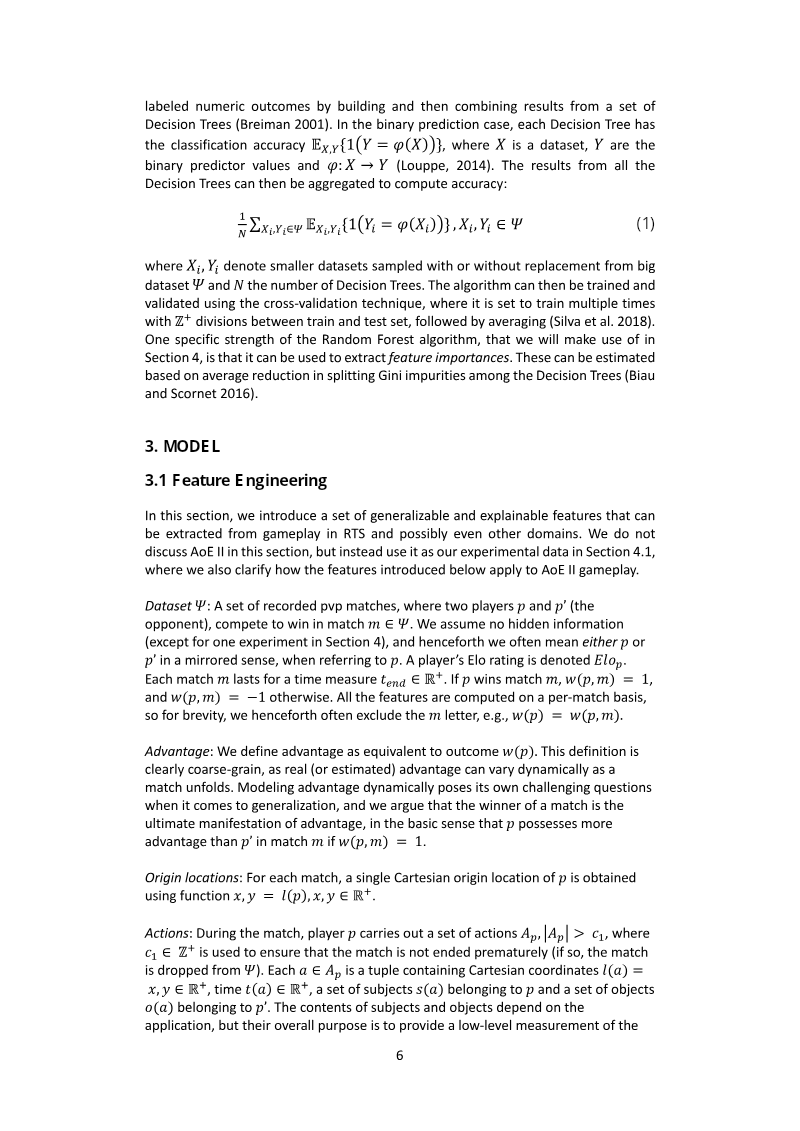
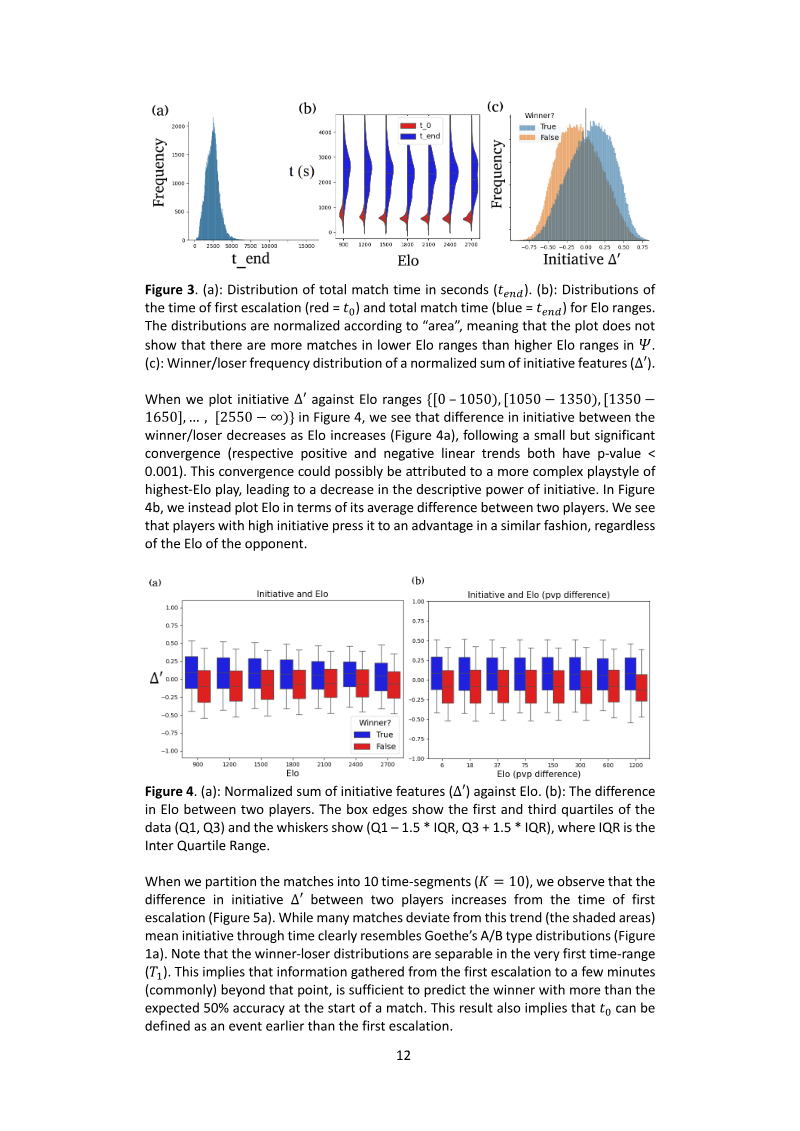
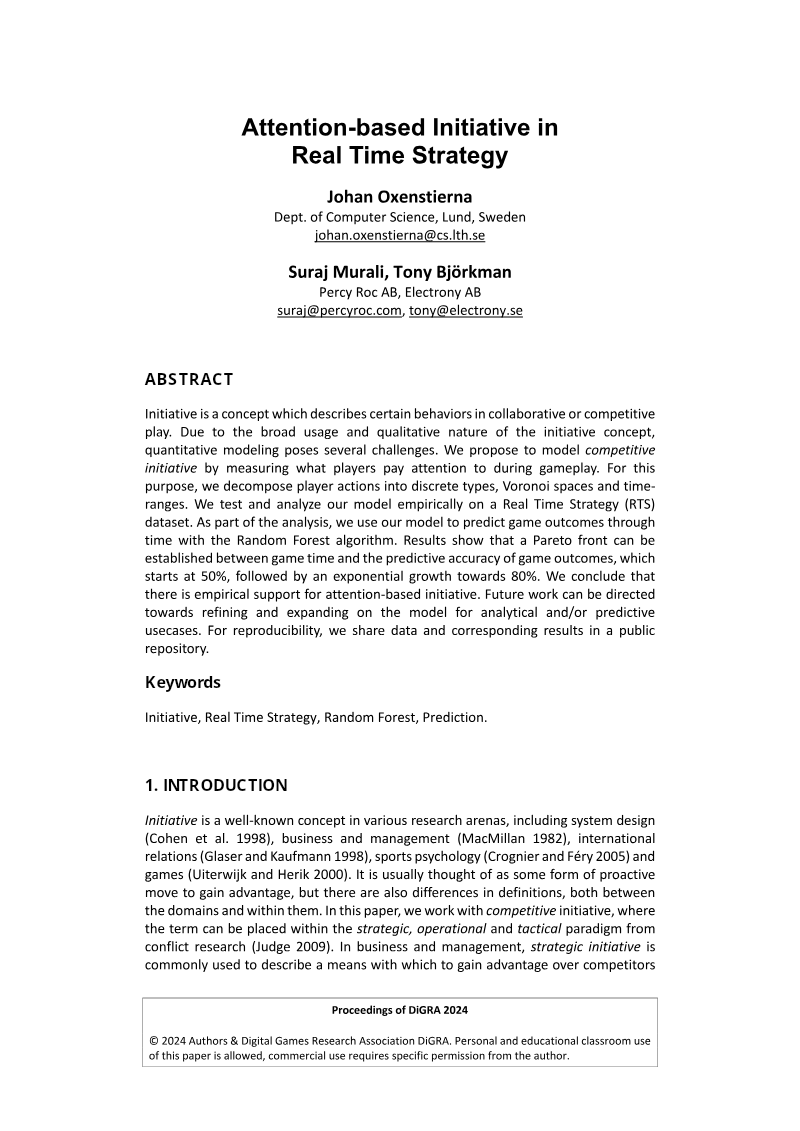
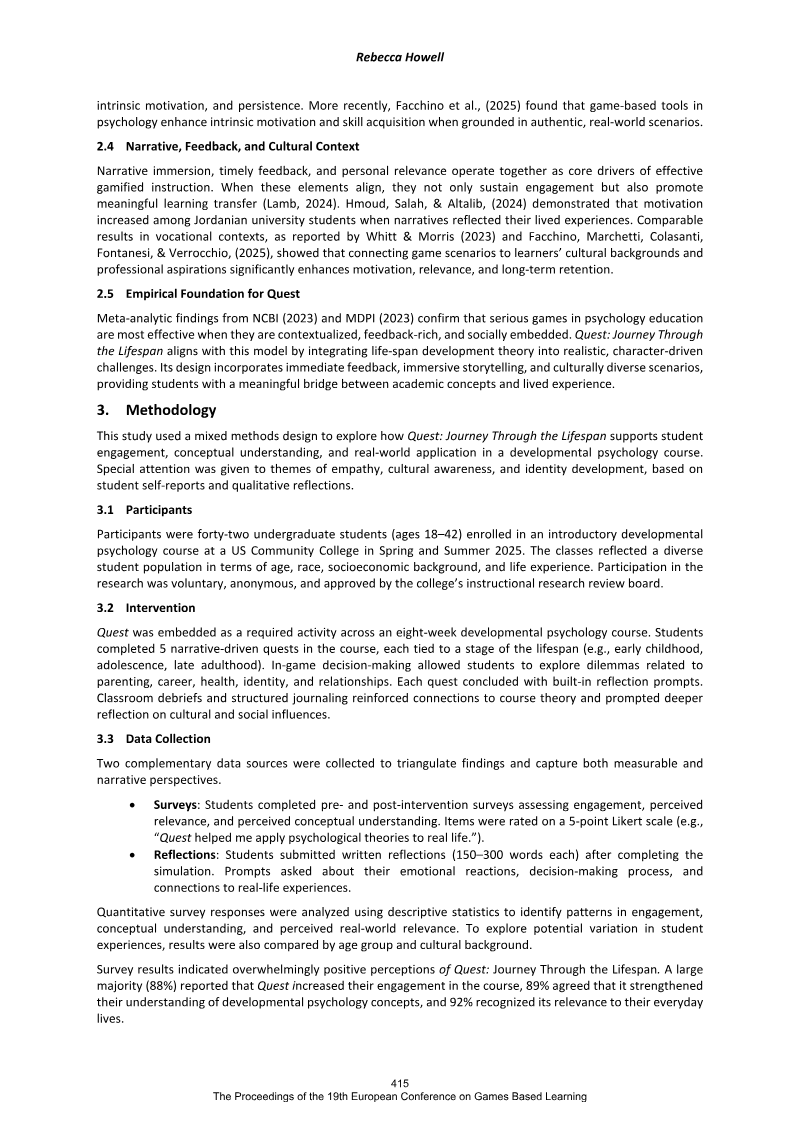
Key insights
4 slides
Root cause
Agents converge on singular tactical responses, hindering adaptation to game asymmetry.
The primary obstacle to overcoming inherent game asymmetry, such as mobility deficits and limited information, is the tendency of agents to rely on predictable, singular tactics.
Core Problem. Overcoming inherent game asymmetries requires agents to move beyond static responses by integrating strategy diversity techniques.
1 / 4
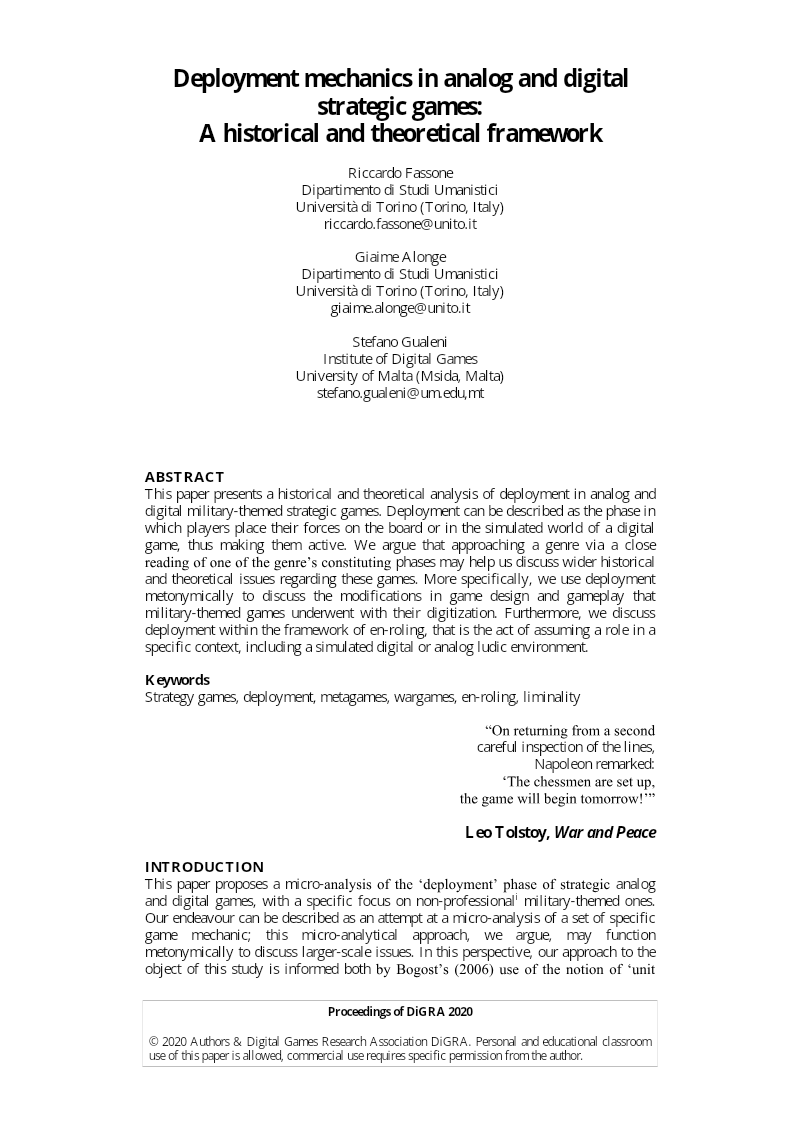
- 01Standard self-play in asymmetric real-time strategy games often leads to performance plateaus and cyclic win patterns where agents become trapped in predictable tactical stalemates.See it on page 1
- 02The A2C algorithm is the most robust framework for managing the large state-action spaces and sparse reward structures inherent in complex, asymmetric environments compared to DQN and PPO.See it on page 20
- 03Overcoming inherent game asymmetries, such as mobility deficits and limited information, requires agents to move beyond static responses by integrating strategy diversity techniques.See it on page 1
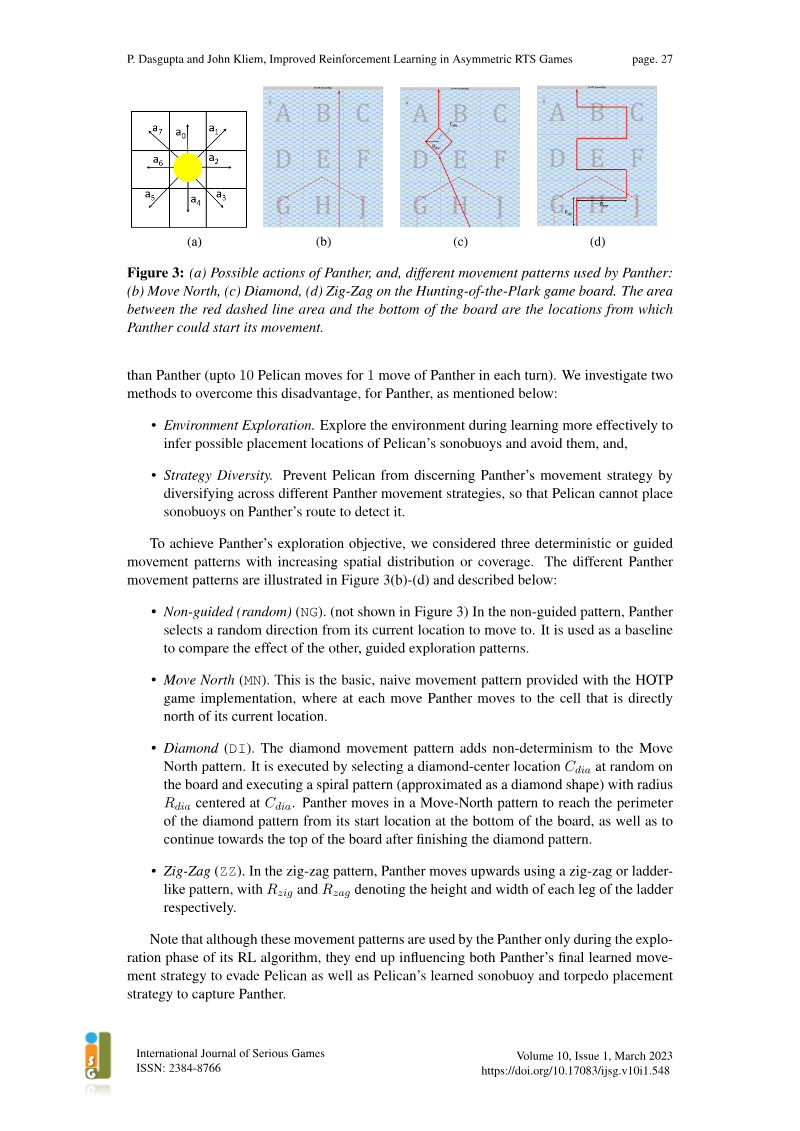
- 04Implementing guided movement patterns and dynamic strategy-switching mechanisms allows disadvantaged agents to maintain competitiveness by adapting to the evolving tactics of stronger opponents.See it on page 9
- 05Fostering a multifaceted repertoire of learned behaviors is a critical requirement for achieving higher win rates and resilient performance in environments where information and mobility are unevenly distributed.See it on page 14
- 06Tactical unpredictability is essential for breaking the cycle of predictable counter-strategies that typically hinder reinforcement learning models in pursuit-evasion scenarios like Hunting-of-the-Plark.See it on page 9
Ask AI about this report
Summary
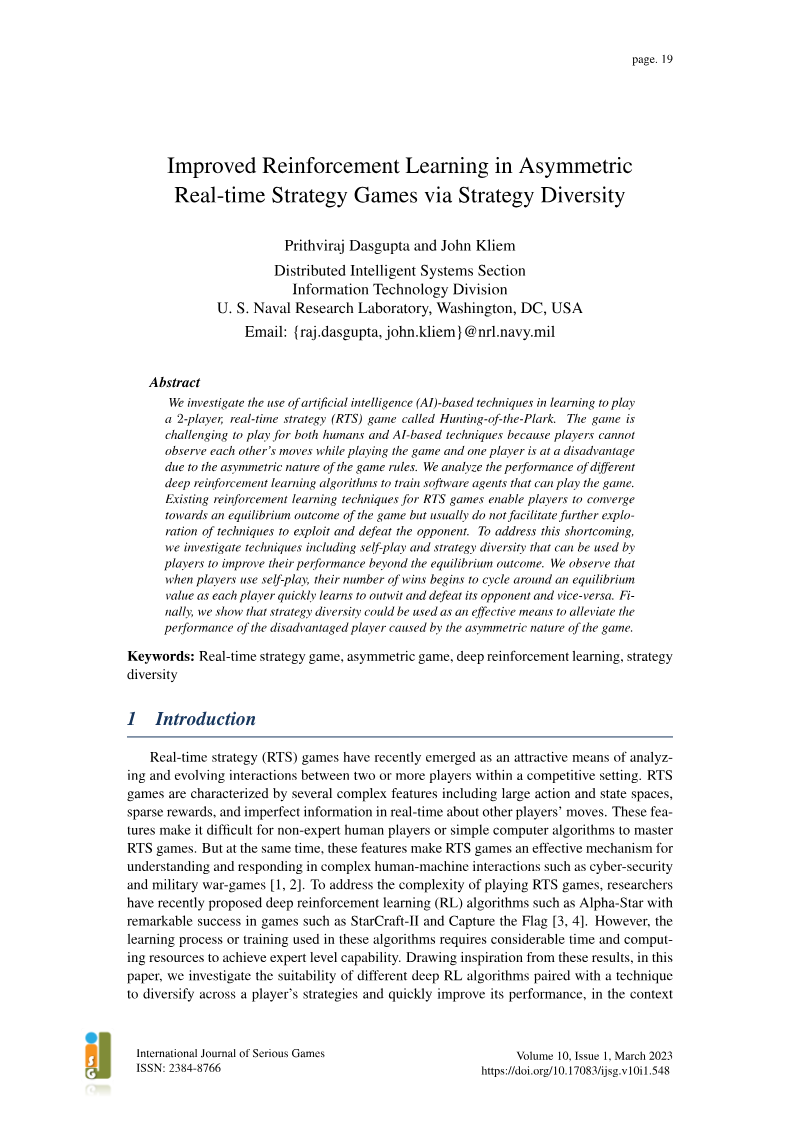
Reinforcement learning in asymmetric real-time strategy games often encounters significant performance plateaus, particularly when agents rely exclusively on standard self-play. In the context of the pursuit-evasion game Hunting-of-the-Plark, traditional training methods frequently result in cyclic win patterns where agents become trapped in stalemates against superior opponents. This research establishes that the primary obstacle to overcoming inherent game asymmetry—such as mobility deficits and limited information—is the tendency of agents to converge on predictable, singular tactical responses.
To address these limitations, the study evaluates the efficacy of DQN, A2C, and PPO algorithms, ultimately identifying A2C as the most robust framework for navigating large state-action spaces and sparse reward structures. By integrating strategy diversity techniques, such as guided movement patterns and dynamic strategy-switching mechanisms, agents can effectively break the cycle of predictable counter-strategies. These interventions allow disadvantaged players to maintain competitiveness by adapting to the evolving tactics of stronger opponents rather than relying on a static, singular approach.
The findings demonstrate that fostering a diverse arsenal of learned behaviors is essential for success in complex, asymmetric environments. By moving beyond simple self-play and incorporating mechanisms that prioritize tactical unpredictability, reinforcement learning models achieve higher win rates and more resilient performance. This approach provides a scalable solution for managing the complexities of real-time strategy games, suggesting that the development of multifaceted strategic repertoires is a critical requirement for agents operating in environments where information and mobility are unevenly distributed.