1 free read left. Create a free account for unlimited reading + AI research.
Create free accountReport Griffin Gaming Partners
1 free read left. Create a free account for unlimited reading + AI research.
Create free accountReportGriffin Gaming Partners
Studios face pressure to manage high-fidelity content expectations and complex code dependencies.
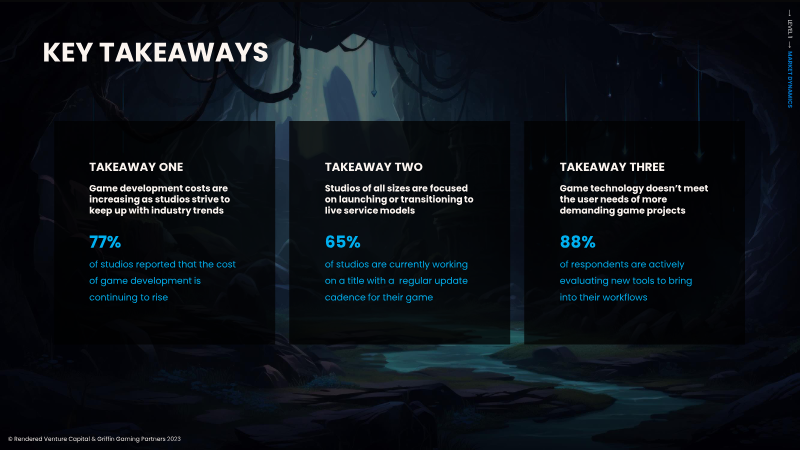
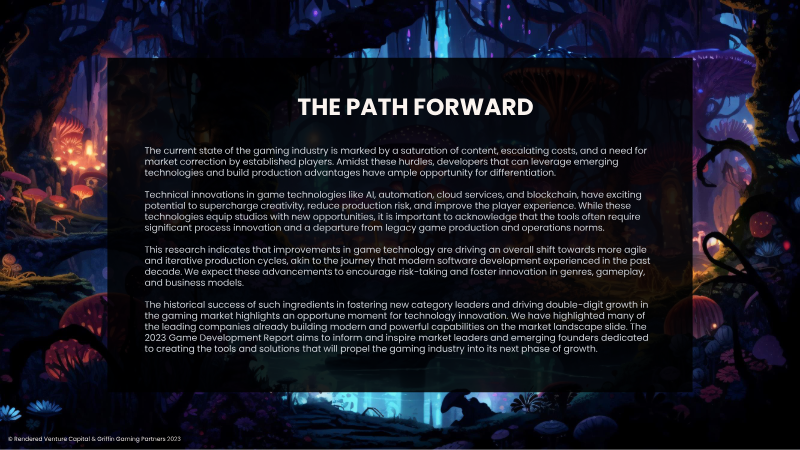
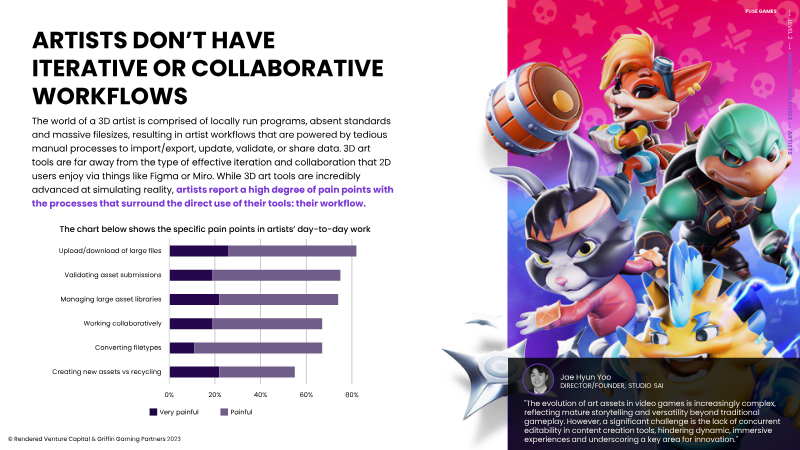
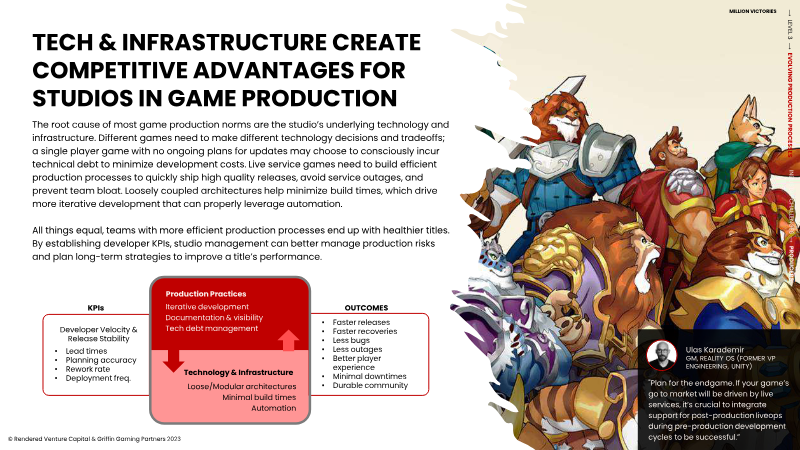
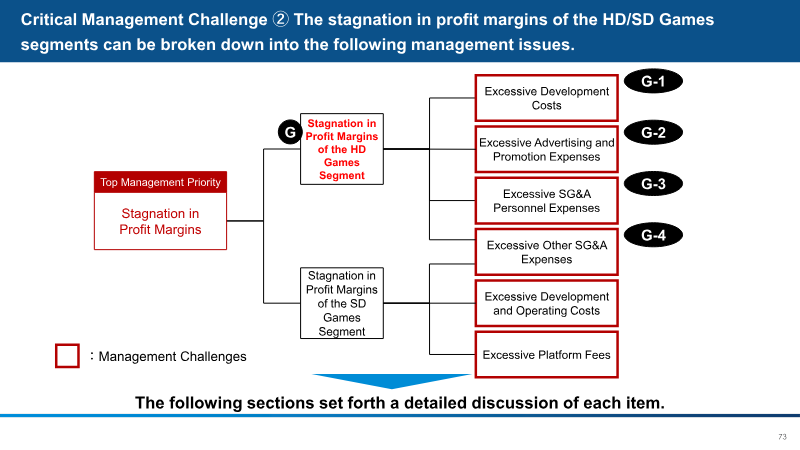
The modern game development landscape is defined by a critical tension between escalating production costs and the rigorous demands of the live-service model. As consumer expectations for high-fidelity content continue to rise, studios face mounting pressure to maintain frequent release cadences while managing significant technical debt. Current development workflows are frequently hampered by inefficient processes, including fragile middleware and complex code dependencies, which complicate production planning and stifle creative agility. Consequently, the industry is undergoing a fundamental shift away from traditional waterfall methodologies toward iterative, data-driven development cycles that prioritize developer velocity and long-term stability.
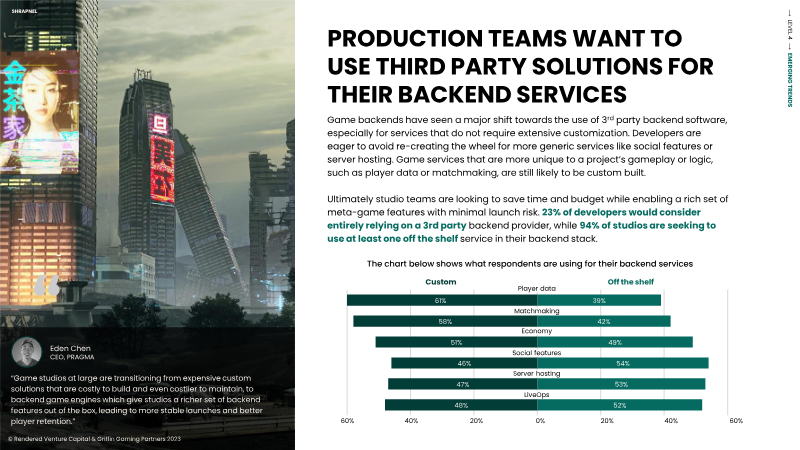
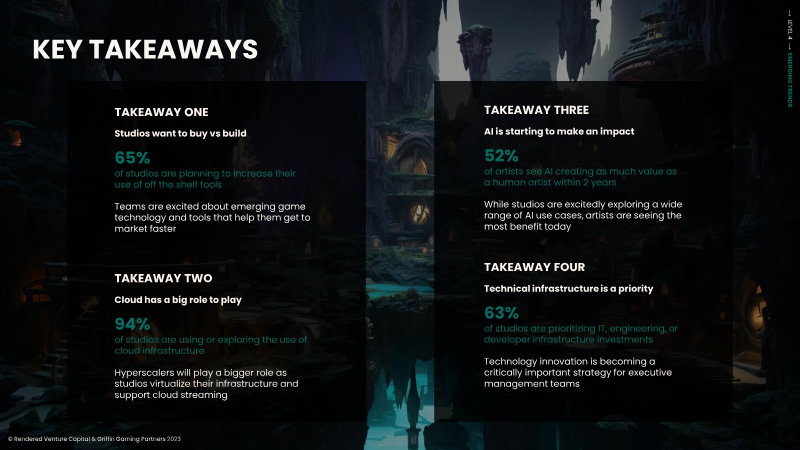
To navigate these challenges, studios are increasingly abandoning proprietary, custom-built solutions in favor of a buy-versus-build strategy. Approximately 65% of development teams are now leveraging off-the-shelf backend infrastructure and third-party tools to reduce time-to-market and mitigate the risks associated with internal technical debt. This transition is further supported by the integration of cloud-based DevOps and artificial intelligence, which are primarily utilized to augment creative workflows and automate repetitive tasks rather than replace human talent. These technological investments are viewed as essential for maintaining competitiveness in a saturated global market.
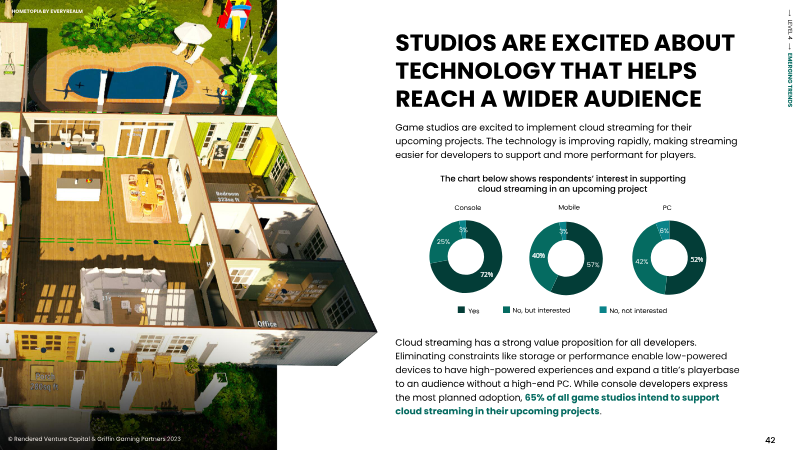
Looking ahead, the industry is placing significant emphasis on cloud infrastructure and browser-based platforms to enhance both production efficiency and audience reach. With 65% of developers actively planning to support cloud streaming, the focus has shifted toward scalable, modular architectures that facilitate rapid deployment. By prioritizing software engineering and advanced data analytics, studios aim to balance the creative exploration necessary for high-quality gaming experiences with the operational discipline required to sustain live-service titles. These strategic pivots represent a broader industry effort to modernize production pipelines and ensure long-term viability in an increasingly complex and costly development environment.
Jason Schreier · 2026